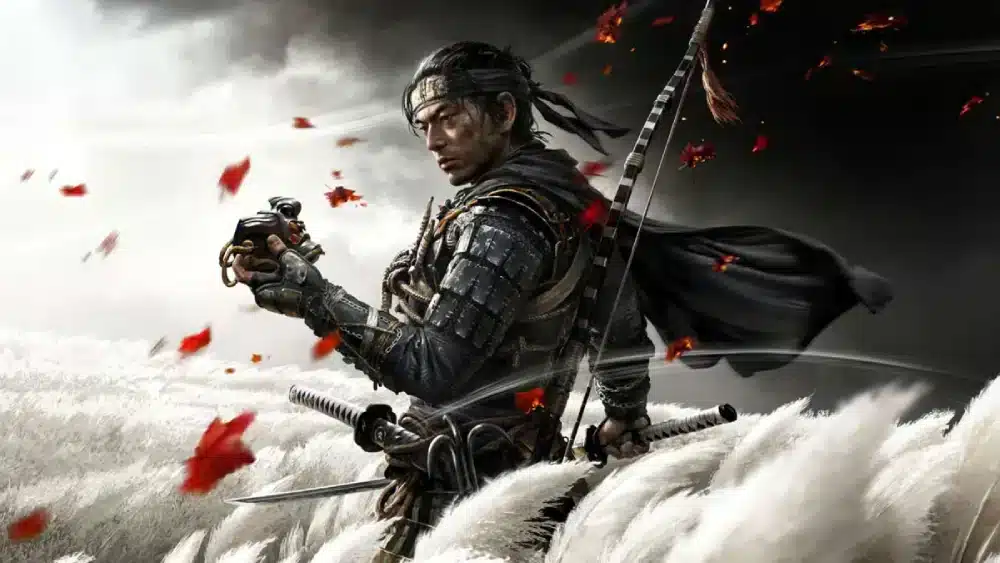
The story of Ghost of Tsushima gains its emotional power from the relationships between its warriors, allies, mentors and enemies. Understanding the Ghost of Tsushima characters helps you feel the weight behind every duel, every sacrifice and every difficult choice Jin must make to defend his homeland.
From the opening invasion to the final confrontation, the cast shapes how you experience Tsushima’s struggle. The Ghost of Tsushima characters are written as flawed, human and believable: some cling to honor, some chase survival at any cost and others are broken by loss. Together, they turn the game from a simple samurai adventure into a layered character drama.
Very early in the story, players start wondering who each Ghost of Tsushima characters really is beneath the armor. Are they driven by loyalty, fear, grief or ambition? This guide breaks down the main heroes, their backstories, their arcs, the actors who voice them and the hidden lore that gives their choices so much impact.
Ghost of Tsushima Characters: Complete Character List
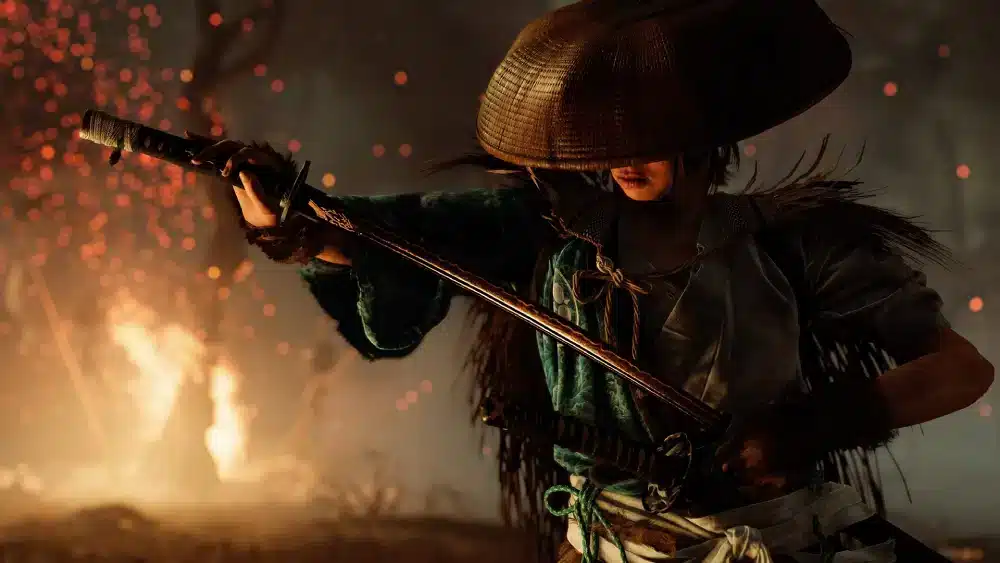
Before going deeper into themes and arcs, it helps to have a clear overview of the key Ghost of Tsushima characters you meet across the island. These are the people who define Jin’s path and constantly challenge his idea of honor.
As you progress through the main story and side tales, this group slowly becomes a makeshift network of allies, rivals and tragic figures.
Each one reveals a different face of Tsushima’s resistance against the Mongol invasion and a different view on what “doing the right thing” looks like.
Main Playable and Story-Critical Characters
These are the core story characters every player will interact with:
- Jin Sakai – samurai of Clan Sakai, future Ghost;
- Lord Shimura – Jin’s uncle, jito of Tsushima;
- Yuna – thief and survivor who saves Jin’s life;
- Taka – Yuna’s brother and talented blacksmith;
- Ryuzo – leader of the Straw Hat ronin;
- Sensei Ishikawa – master archer of Tsushima;
- Lady Masako Adachi – samurai matriarch seeking justice;
- Norio – warrior monk of the Temple of Kushi;
- Kenji – sake merchant with flexible morals;
- Khotun Khan – Mongol general and main antagonist.
Players often refer to Jin as the Ghost of Tsushima main character, but this supporting cast makes his transformation into the Ghost feel believable and emotionally heavy.
Important Supporting Characters in Ghost of Tsushima
Beyond the core team, several supporting characters in Ghost of Tsushima add depth to the narrative:
- Yuriko – caretaker from Jin’s childhood;
- Tomoe – Ishikawa’s former student;
- Members of the Adachi family;
- Local peasants, monks and refugees tied to side tales;
- Mongol commanders and officers.
These figures may have fewer cutscenes, but they expand the world and show how the war affects every level of society.
Background Stories of Key Ghost of Tsushima Characters
Great character design starts with strong backstories. The Ghost of Tsushima story characters are shaped by trauma, duty and past mistakes, which explains why they act the way they do during the invasion.
As you complete character tales, memories and flashbacks fill in the gaps. This turns simple quest-givers into complex people who carry the weight of Tsushima’s history and decisions made long before the Mongols arrived.
Jin Sakai: Heir of Clan Sakai
At the heart of everything stands <strong>Jin Sakai</strong>, the playable hero and canonical Ghosts of Tsushima main character. Raised as a noble samurai, Jin’s childhood is defined by discipline, sword training and strict lessons about honor.
His father’s death on the battlefield leaves a scar that shapes his commitment to never abandon the people of Tsushima.
Before he ever becomes the Ghost, Jin is the perfect example of a traditional samurai: loyal to his lord, respectful of the code and ready to die with a blade in his hand. The invasion forces him to question whether these values still protect his people, or if they have become a cage that holds him back from saving them.
Lord Shimura: Uncle, Mentor and Opponent
Lord Shimura is Jin’s uncle and legal guardian after his father’s death. He embodies the old order, clinging to honor and the image of the samurai as symbols of stability. His backstory is not just about power; it is about responsibility and fear of losing control over Tsushima’s future.
Shimura loves Jin as a son, but that love is filtered through duty. When Jin starts adopting Ghost tactics, Shimura sees it as a betrayal of everything he stands for, not just a change in combat style. His past explains why he cannot bend, even when the island is crumbling.
Yuna and Taka: Survivors of a Harsher World
Yuna and Taka come from a completely different background than Jin. They were not raised in castles; they survived in the shadows.
Yuna Ghost of Tsushima is a thief, smuggler and fighter shaped by slavery and abuse. Her backstory revolves around doing whatever it takes to stay alive and protect her brother.
Taka, a blacksmith, dreams of building a better life but is haunted by feelings of inadequacy. Together, they represent the peasants and commoners who suffer the most during the invasion, and their stories remind players that Tsushima is more than its samurai families.
Ryuzo, Ishikawa and Lady Masako
Ryuzo, leader of the Straw Hats, used to be Jin’s sparring partner. His past is marked by failure to provide for his men, which slowly pushes him into dangerous compromises.
Sensei Ishikawa’s history with Tomoe reveals guilt, pride and the consequences of ignoring warning signs. Lady Masako’s background is defined by tragedy as her entire clan is wiped out in a coordinated betrayal.
All these backstories show different reactions to loss, revenge, survival, denial, duty, and give players a richer understanding of the Ghost of Tsushima characters as more than heroic archetypes.
Character Arcs of the Main Ghost of Tsushima Characters
A strong story doesn’t just introduce characters; it changes them. The arcs of the main Ghost of Tsushima characters track how they grow, break or double down on their beliefs as the war spreads across the island.
Each arc also reflects the central theme of the game: what does it truly mean to protect Tsushima?
Jin’s Transformation from Samurai to Ghost
Jin’s arc is the clearest example. He begins as a classic Ghost of Tsushima character: a honorable samurai who charges straight into battle. But after surviving the initial defeat and seeing how brutally the Mongols fight, he realizes that tradition alone will not save the people.
Step by step, Jin starts:
- Using stealth attacks instead of formal duels;
- Poisoning enemies when necessary;
- Striking fear into Mongol soldiers with Ghost tools;
- Challenging his uncle’s orders;
- Building a new identity that exists outside the samurai code.
This evolution is the heart of the game. The more Jin helps his people, the more distant he becomes from the man he was raised to be.
Lord Shimura’s Tragic Refusal to Change
Shimura’s arc moves in the opposite direction. While Jin evolves, Shimura stays rigid. He cannot accept that honor might require flexibility. The deeper Jin steps into the Ghost identity, the more isolated Shimura becomes.
By the end of the story, Shimura faces an impossible choice: recognize the Ghost as a hero, or punish him as a criminal to preserve the image of the samurai. His tragedy is that he chooses the image over the person he loves.
Yuna’s Journey from Survivor to Partner
Yuna’s arc is more subtle but equally powerful. At first, she sees Jin as a resource, a strong samurai who can help her and Taka.
Over time, she begins to trust him, opening up about her trauma and dreams. She never becomes a samurai, but she becomes Jin’s moral anchor, constantly reminding him that saving people matters more than saving a code.
Other Character Arcs Worth Noting
- Taka moves from fear to courage, even if his path ends in tragedy;
- Ryuzo slides from loyalty into betrayal, consumed by desperation;
- Lady Masako steps from blind rage toward painful acceptance;
- Ishikawa confronts his own failures as a teacher and mentor.
All of these arcs reinforce why players remember the Ghost of Tsushima characters long after finishing the game.
Ghost of Tsushima Female Characters and Their Role
Many players specifically search for Ghost of Tsushima female characters, because the women of Tsushima play crucial roles in both the story and Jin’s growth. They are not background figures; they are warriors, survivors and leaders in their own right.
These women add emotional nuance, showing different ways of responding to loss, injustice and war.
Yuna: The Survivor Who Redefines Strength
Yuna is one of the most important Ghost of Tsushima female characters. She has no formal training, no noble title and no home to protect, yet she saves Jin’s life and helps start the Ghost legend. Her strength is not about honor; it is about refusing to break, no matter how brutal the world becomes.
Through Yuna, players see how Tsushima’s poorest citizens experience the war, and how heroism often comes from those with nothing left to lose.
Lady Masako and Yuriko: Grief and Memory
Lady Masako channels her grief into relentless pursuit of those who betrayed her family. Her story explores how revenge can consume someone, even when justified.
Yuriko, meanwhile, represents memory and the quieter side of loyalty. She connects Jin to his childhood and to his mother, reminding him that he is more than just a weapon.
Together, these Ghost of Tsushima characters show that emotional strength can take many forms: rage, resilience, wisdom and tenderness.
Voice Actors Behind the Ghost of Tsushima Cast
The performances behind the characters are a huge reason the story feels so grounded. Many fans love to look up the Ghost of Tsushima cast after finishing the game, especially when they recognize voices from other series.
Main English Voice Actors
The table below highlights the main English actors and why their performances stand out:
| Character | Actor | Notes on Performance |
| Jin Sakai | Daisuke Tsuji | Subtle, restrained and emotional growth |
| Lord Shimura | Eric Steinberg | Combines authority with vulnerability |
| Yuna | Sumalee Montano | Raw, grounded and full of survival instinct |
| Ryuzo | Leonard Wu | Balances loyalty, frustration and desperation |
| Khotun Khan | Patrick Gallagher | Charismatic yet intimidating main antagonist |
| Lady Masako | Lauren Tom | Intense, grief-driven portrayal |
| Sensei Ishikawa | François Chau | Stern but layered, hiding regret beneath strictness |
These performances give the Ghost of Tsushima characters emotional weight, especially during key confrontations and personal quests.
Japanese Voice Cast and Cinematic Feel
For players who choose the Japanese audio, the experience feels closer to classic samurai cinema. Notable artists include:
- Kazuya Nakai as Jin;
- Akio Ōtsuka as Lord Shimura;
- Mabuki Andou as Yuna.
Combined with Kurosawa Mode and cinematic framing, the voice work helps elevate the game from simple action to an interactive samurai film.
Hidden Lore and Symbolism in Ghost of Tsushima Characters
Beyond visible cutscenes, there is a layer of hidden lore and symbolism connecting many Ghost of Tsushima characters. Paying attention to dialog lines, environment details and side tales reveals more about how the story views honor, identity and change.
Symbolism in Jin’s Visual Evolution
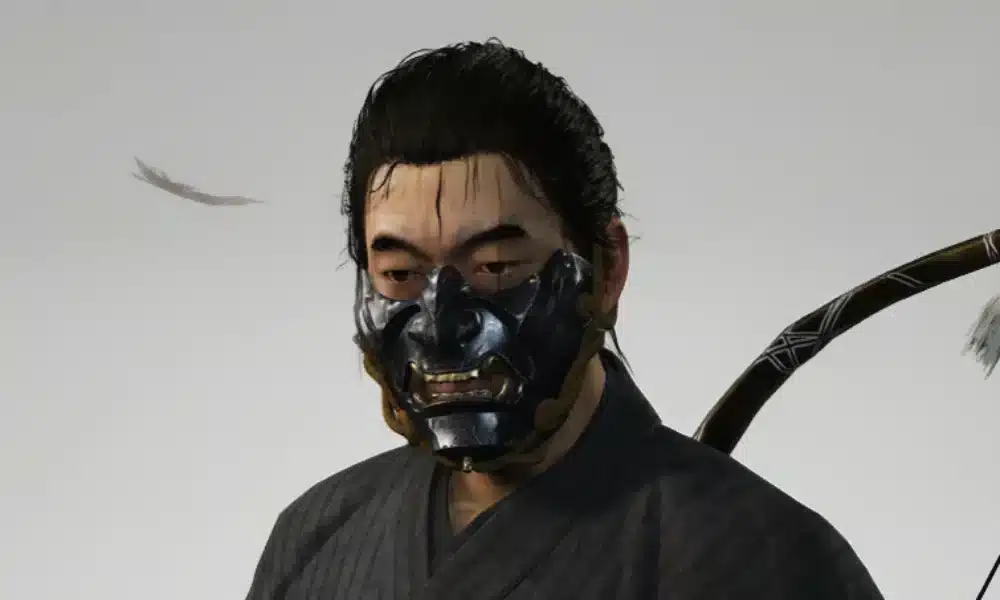
Jin’s armor and masks are not just cosmetic. They echo themes of Ghost of Tsushima character creation, even though the game does not feature full RPG-style creation. As players change Jin’s gear, they choose how he presents himself:
- Heavy armor highlights the samurai Jin;
- Dark, stealthy outfits embody the Ghost;
- Masks and helmets symbolize the roles he plays for others.
This visual customization lets you shape your own version of the Ghost of Tsushima main character, even within a fixed story.
Lore Threads Between Different Characters
Several quiet lore connections tie the cast together:
- Shimura and other lords repeat phrases that Jin’s father once used;
- Yuna and Taka’s stories mirror how peasants experience the war;
- Ryuzo’s failures reveal the economic pressure on ronin;
- Ishikawa and Tomoe show how mentorship can go painfully wrong.
These links give the world a sense of history that feels lived-in, not just written for the player.
Details Many Players Overlook
Fans who dig deeper into Ghost of Tsushima character lore often notice:
- Yuriko’s guilt over past decisions that affected Clan Sakai;
- Rituals and customs referenced in side tales that mirror real Japanese history;
- How haiku locations reflect Jin’s emotional state at that moment;
- The way peasants talk about the Ghost differently from samurai;
- How repeated imagery of storms, wind and foxes symbolize change, guidance and memory.
Together, these small details enrich the overall experience and make the Ghost of Tsushima characters feel like part of a much larger world.
FAQ
The main Ghost of Tsushima main character is Jin Sakai, a samurai of Clan Sakai who becomes the Ghost to defend Tsushima.
There is no full Ghost of Tsushima character creation, but players can customize Jin’s armor, masks, charms and colors to shape his look and playstyle.
Key Ghost of Tsushima female characters include Yuna, Lady Masako and Yuriko, each with major impact on Jin’s emotional journey.
The English Ghost of Tsushima cast includes Daisuke Tsuji as Jin Sakai, Eric Steinberg as Lord Shimura, Sumalee Montano as Yuna and Patrick Gallagher as Khotun Khan, among others.
Yes. Alongside the main party, numerous Ghost of Tsushima NPCs and villagers expand the world, adding personal stories that show how the invasion affects everyday life across the island.
Keep Your Ghost of Tsushima Adventure Smooth with ExitLag
When you look at the full cast, it becomes clear why players stay emotionally attached to this game long after finishing it. The Ghost of Tsushima characters aren’t just quest markers or combat partners; they are people shaped by history, loss and difficult choices.
Jin, Shimura, Yuna, Taka, Ryuzo, Masako, Ishikawa and others all reflect different answers to the same question: what are you willing to sacrifice to protect what you love?
Whether you are revisiting Tsushima to relive these character arcs or discovering them for the first time, a smooth connection helps you stay immersed in every duel, cutscene and ride across the fields.
That’s where ExitLag comes in. By optimizing your route, reducing lag and stabilizing your connection, ExitLag helps keep your experience fluid and responsive, so the only battles you worry about are the ones Jin fights on screen, not your network.
Got questions or want to connect with other players? Join the conversation at the ExitLag Forum!