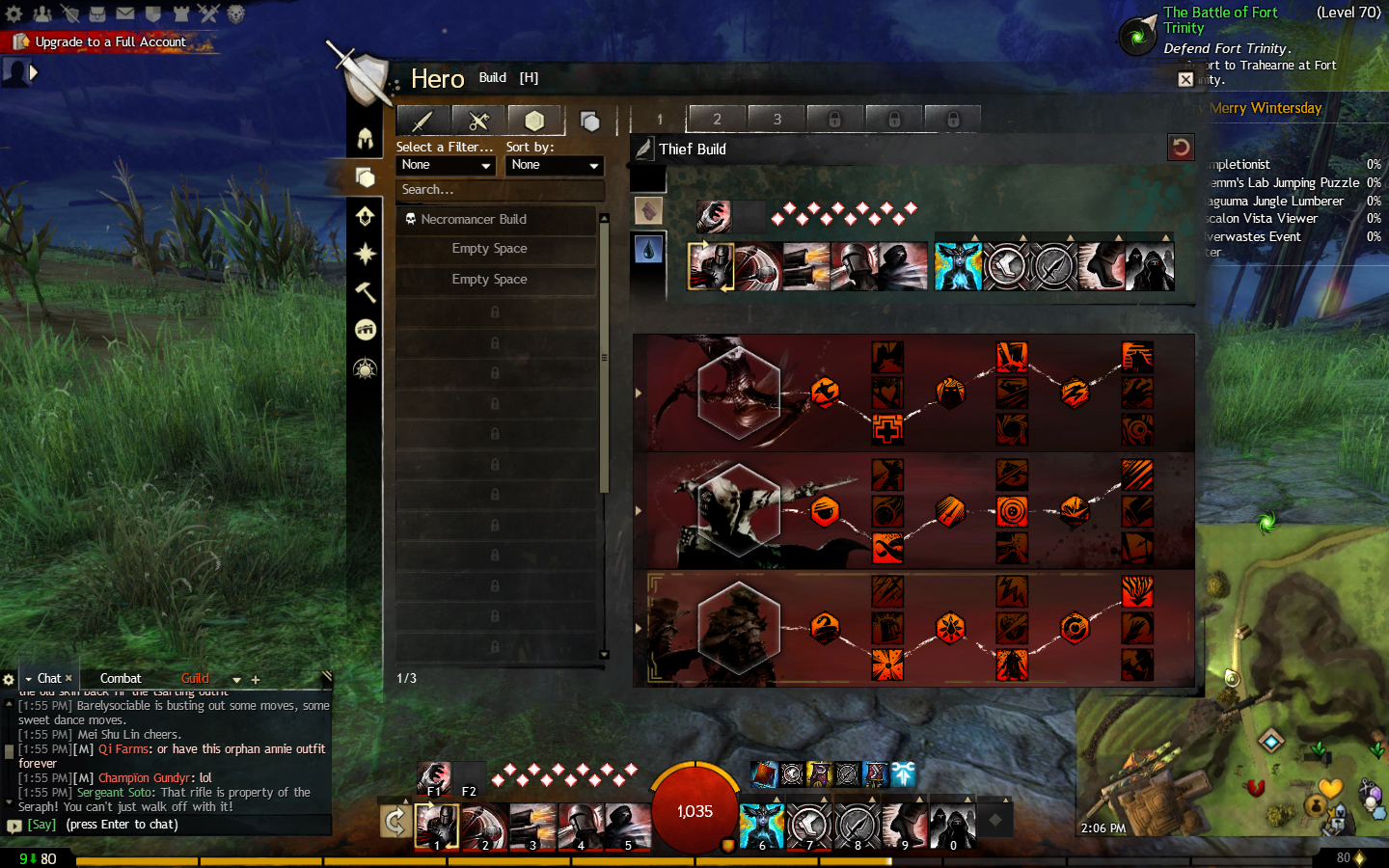

Guild Wars 2 classes define the foundation of every player’s journey through Tyria. In the MMORPG Guild Wars 2, each profession shapes combat style, progression path, and overall gameplay identity, making your choice one of the most important decisions in the game.
Understanding Guild Wars 2 classes is not just about picking a character at the start. It’s about mastering systems that evolve over time through weapons, traits, and elite specializations. As you progress, your chosen profession becomes a flexible toolkit rather than a rigid role.
Unlike traditional systems, Guild Wars 2 classes allow experimentation without punishment. You are not locked into a single build forever, and this freedom is essential to understanding why professions in Tyria remain so popular.
Guild Wars 2 classes: Understanding Core Professions
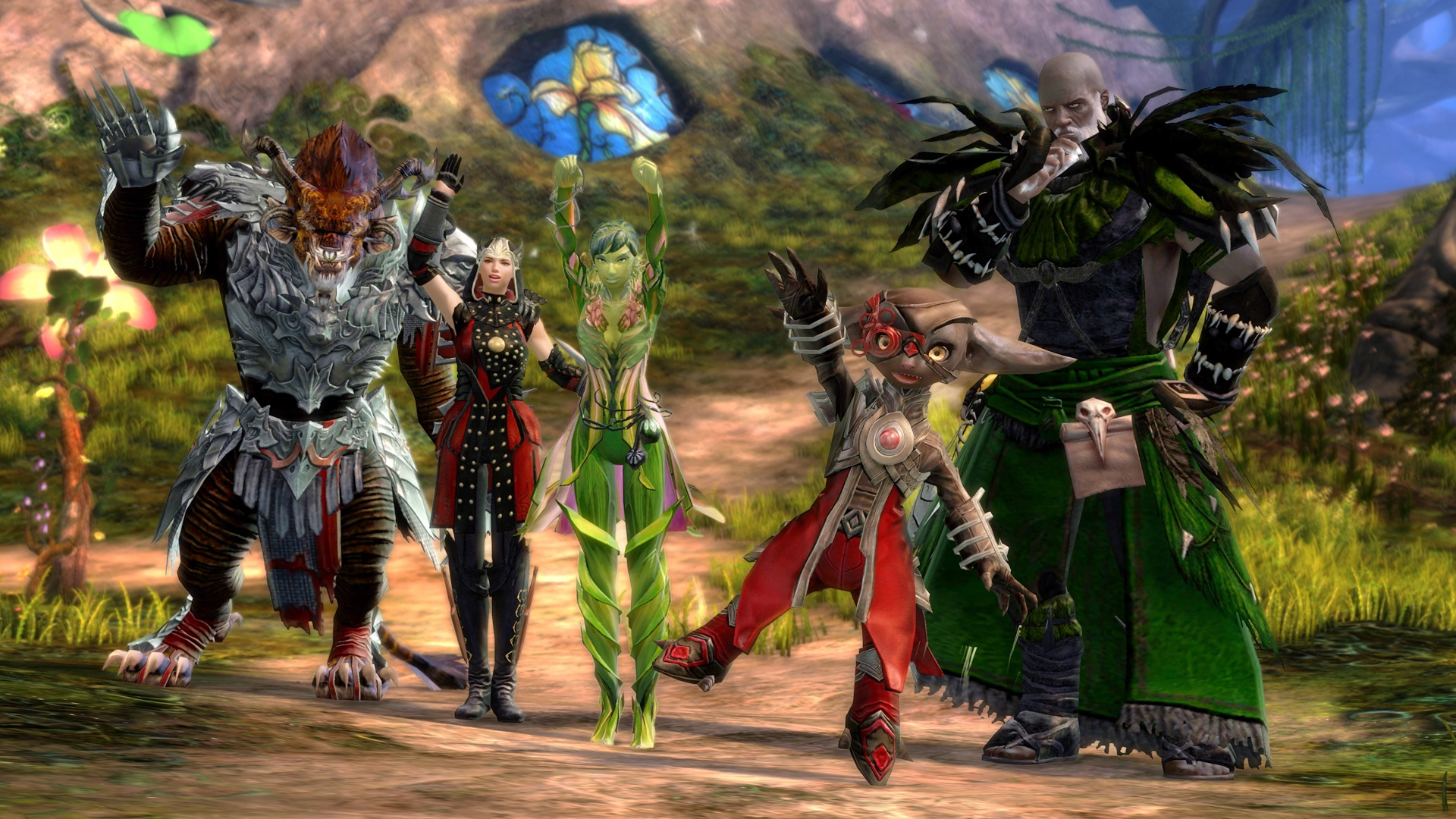
The system behind Guild Wars 2 classes is built on professions rather than traditional MMO archetypes. Each profession has unique mechanics, weapon access, and combat identity.
Core mechanics of professions
Every class in Guild Wars 2 follows a distinct gameplay structure:
- Unique profession mechanic (such as adrenaline, initiative, or attunements)
- Weapon-based skill system that changes abilities depending on equipment
- Trait lines that shape builds and performance
- Elite specializations that redefine playstyle later in the game
This structure ensures that Guild Wars 2 classes remain dynamic from level 1 to endgame content.
Weapon flexibility and combat identity
A key feature of Guild Wars 2 classes is weapon swapping. Each profession can equip multiple weapon sets, allowing players to adapt to situations without changing characters.
For example:
- A Warrior can switch between melee burst and ranged pressure
- An Elementalist can rotate between four elemental attunements
- A Ranger can alternate between long-range control and close combat support
This flexibility is one of the defining strengths of Guild Wars 2 classes compared to other MMORPG systems.
Role diversity in group content
In group content such as dungeons, fractals, and raids, Guild Wars 2 classes serve multiple roles:
- Damage (DPS)
- Support (healing or buffs)
- Control (crowd control and disruption)
This allows teams to mix professions creatively rather than relying on strict class restrictions.
List of Guild Wars 2 classes and their gameplay styles
The structure of Guild Wars 2 classes includes nine core professions, each with distinct strengths and mechanics.
| Profession | Playstyle | Strengths | Common Weapons |
| Warrior | Melee DPS / tanky bruiser | High survivability, burst damage | Greatsword, Rifle |
| Guardian | Support / defensive hybrid | Protection, boons, healing | Sword, Staff |
| Revenant | Legendary stance fighter | Versatile damage/support | Hammer, Mace |
| Thief | Stealth assassin | Burst damage, mobility | Dagger, Pistol |
| Engineer | Gadget specialist | Utility, traps, explosives | Rifle, Pistol |
| Ranger | Pet-based ranged fighter | Sustained damage, kiting | Longbow, Axe |
| Elementalist | Elemental mage | High skill ceiling, AoE damage | Staff, Dagger |
| Mesmer | Illusion controller | Confusion, clones, deception | Greatsword, Sword |
| Necromancer | Dark magic summoner | Sustain, minions, lifesteal | Staff, Scepter |
Each of these Guild Wars 2 classes can be adapted into multiple builds depending on trait lines and gear choices.
Hybrid roles and adaptability
One of the most important aspects of Guild Wars 2 classes is hybridization. Many professions can function in multiple roles:
- Guardian: Tank + healer + DPS hybrid
- Necromancer: Sustain DPS + condition damage + support
- Engineer: Utility DPS + support with mechanist builds
This flexibility is central to understanding why Guild Wars 2 classes remain balanced across different game modes.
PvE vs PvP differences
Guild wars 2 classes behave differently depending on the game mode:
- PvE focuses on sustained damage and group synergy
- PvP emphasizes burst damage, mobility, and control
- WvW requires survival, support, and large-scale impact
Because of this, tier lists often vary depending on the environment.
Guild Wars 2 class progression and build development
Progression in Guild Wars 2 classes is not linear. Instead, it evolves through skill unlocks, trait systems, and elite specializations.
Early game progression priorities
When starting with Guild Wars 2 classes, focus on:
- Unlocking weapon skills for flexibility
- Building core trait lines for your role
- Learning basic rotations for combat efficiency
This foundation ensures smoother progression into mid-game content.
Elite specializations impact
Elite specializations are one of the most powerful systems in Guild Wars 2 classes. They completely redefine how a profession plays.
Examples include:
- Guardian becoming Firebrand (support-focused)
- Engineer becoming Mechanist (pet-based DPS/support hybrid)
- Ranger becoming Soulbeast (merged pet combat style)
These changes are essential for understanding the full depth of Guild Wars 2 classes.
Skill rotation and optimization
Efficient gameplay requires mastering rotations:
- Open with burst abilities
- Apply sustained damage or buffs
- Use defensive cooldowns when needed
- Cycle weapon skills efficiently
- Adapt based on encounter type
Mastering this flow increases performance across all Guild Wars 2 classes.
Beginner-friendly Guild Wars 2 classes
Choosing the right starting profession is crucial for new players exploring Guild Wars 2 classes.
Easiest classes for beginners
Some professions are more accessible:
- Guardian: Strong defense and simple rotations
- Warrior: Straightforward melee combat and durability
- Ranger: Pet assists in combat and reduces pressure on the player
These options allow beginners to learn mechanics without being overwhelmed.
More complex professions
Some Guild Wars 2 classes require advanced understanding:
- Elementalist: Constant attunement switching
- Mesmer: Clone management and deception mechanics
- Engineer: Toolbelt skills and complex setups
These classes reward mastery but are harder to learn initially.
Best class for different goals
The best class for Guild Wars 2 depends on your goals:
- Solo PvE: Ranger or Necromancer
- Group support: Guardian or Revenant
- High skill ceiling gameplay: Elementalist or Mesmer
This variation is why Guild Wars 2 classes remain so flexible.
Guild Wars 2 classes in different game modes
Understanding how Guild Wars 2 classes perform in various modes helps optimize gameplay.
PvE performance
In PvE, sustained damage and survivability matter most. Classes like Guardian and Necromancer excel due to their strong utility.
PvP performance
PvP prioritizes mobility and burst damage. Thief and Mesmer often dominate due to their unpredictability.
WvW large-scale battles
In WvW, Guild Wars 2 classes like Guardian and Engineer provide massive group utility and area control.
Guild Wars 2 classes comparison table
| Difficulty | Recommended Classes | Reason |
| Easy | Guardian, Warrior | Simple mechanics, strong survivability |
| Medium | Ranger, Necromancer | Balanced complexity and power |
| Hard | Elementalist, Mesmer | High skill requirement and mechanics |
| Very Hard | Engineer | Complex tool-based gameplay |
This breakdown helps players choose the right entry point into Guild Wars 2 classes based on skill level.
Guild Wars 2 class tier list: meta analysis and performance breakdown
The discussion around the Guild Wars 2 class tier list is one of the most common topics among players trying to optimize performance in both PvE and PvP. However, unlike other MMORPGs, tier rankings in Guild Wars 2 are highly fluid due to frequent balance updates and build diversity.
Instead of fixed rankings, the Guild Wars 2 class tier list is better understood as a snapshot of current meta efficiency rather than a permanent hierarchy.
How tier lists are actually structured
When analyzing the Guild Wars 2 class tier list, players typically evaluate:
- Damage output in group content (raids, fractals, strikes)
- Survivability in solo and open-world play
- Utility contributions (boons, healing, crowd control)
- PvP effectiveness and burst potential
- WvW large-scale impact
These factors constantly shift depending on balance patches and elite specialization updates.
Meta-dependent class performance
One reason the Guild Wars 2 class tier list is always changing is the flexibility of professions. A single class can have multiple meta builds depending on role assignment.
For example:
- Guardian can be top-tier support or mid-tier DPS depending on specialization
- Engineer can shift from utility support to high burst damage
- Necromancer can dominate sustain-based encounters but fall behind in speed-clearing metas
This adaptability ensures that no class remains permanently dominant or irrelevant.
Why tier lists can be misleading
Relying too heavily on a Guild Wars 2 class tier list can limit player experience. Since skill and build optimization matter significantly, a “lower-tier” class can outperform higher-tier options in the right hands.
A better approach is:
- Learn one profession deeply
- Adapt builds based on content
- Focus on synergy rather than ranking
Best class for Guild Wars 2: choosing your playstyle
When players search for the best class for Guild Wars 2, they are often looking for a universal answer. However, the reality is that there is no single best profession for every situation.
The concept of best class for Guild Wars 2 depends entirely on your goals, preferred role, and gameplay environment.
Defining what “best” actually means
The idea of best class for Guild Wars 2 can vary based on:
- Solo PvE efficiency
- Group support utility
- Competitive PvP dominance
- Ease of learning
- Endgame scalability
Because of this, multiple professions can qualify as the “best” depending on context.
Strong all-around professions
Some classes consistently perform well across multiple modes:
- Guardian: Excellent support, survivability, and group value
- Necromancer: High sustain and forgiving mechanics
- Ranger: Reliable damage with pet assistance
- Engineer: High versatility through multiple builds
These are often considered top candidates for best class for Guild Wars 2 due to their adaptability.
Situational strength vs universal strength
A key insight is that no profession dominates every category. Instead:
- PvP meta favors mobility and burst damage
- PvE meta favors sustained DPS and boons
- WvW favors AoE support and survivability
Understanding this helps players avoid misinterpreting the best class for Guild Wars 2 as a single fixed answer.
Guild Wars 2 best class: what actually matters in gameplay
The term Guild Wars 2 best class is widely used in discussions, but it often leads to confusion among new players. The truth is that performance depends more on build execution than class selection alone.
In Guild Wars 2, skill rotations, positioning, and gear optimization often outweigh raw profession strength.
Key factors that define “best class”
Instead of focusing only on rankings, the Guild Wars 2 best class should be evaluated based on:
- Ease of execution
- Build flexibility
- Role availability in group content
- Scaling into endgame content
- Survivability in solo play
Examples of top-performing roles
While meta shifts frequently, certain roles consistently stand out:
- Support Firebrand (Guardian specialization)
- Condition DPS builds (Necromancer and Engineer variants)
- Power DPS burst builds (Thief and Revenant)
- Hybrid sustain builds (Ranger and Necromancer)
These examples often define what players refer to as Guild Wars 2 best class in practice.
Why personal skill matters more than class
Even the strongest profession becomes ineffective without proper execution. Players who master rotations and mechanics often outperform those using “meta” builds without understanding them.
This is why the Guild Wars 2 best class is ultimately the one that fits your mechanical comfort and long-term engagement.
Best class Guild War 2: simplified recommendation guide
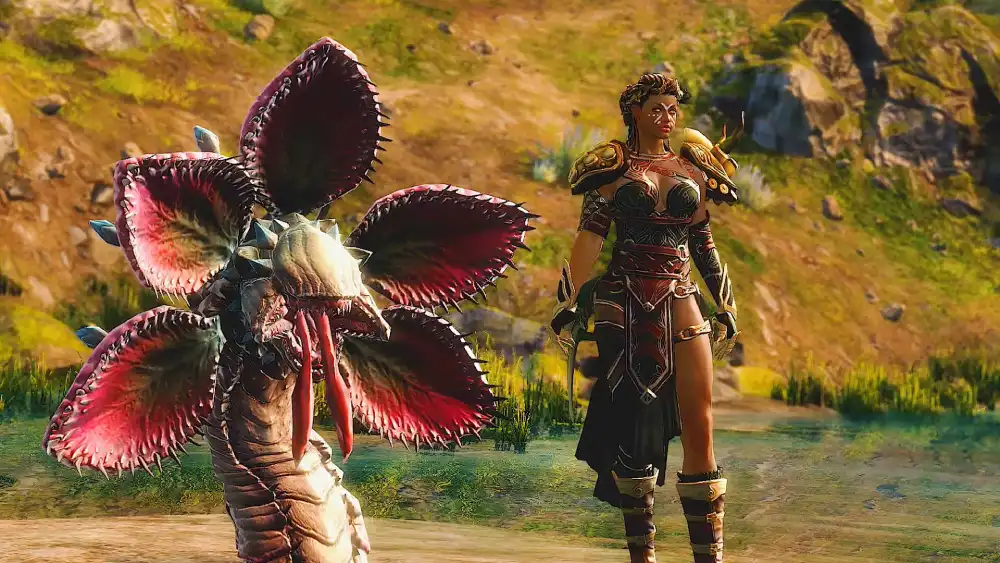
When discussing best class Guild War 2, many players are actually searching for a simplified recommendation list rather than complex meta analysis.
To make the decision easier, it helps to break down recommendations by player type.
Best classes by player preference
- New players: Guardian or Warrior
- Solo explorers: Necromancer or Ranger
- Competitive PvP players: Thief or Mesmer
- Support-focused players: Guardian or Revenant
- High-skill ceiling players: Elementalist or Engineer
These recommendations simplify the concept of best class Guild War 2 into practical choices.
Best overall beginner pick
For most new players, Guardian remains the safest option due to:
- Strong defensive tools
- Straightforward combat rotation
- High group demand in all content
This makes it a consistent answer to best class Guild War 2 for beginners.
Advanced player recommendations
Experienced players often gravitate toward:
- Elementalist for complex DPS optimization
- Mesmer for deception-based control gameplay
- Engineer for hybrid utility builds
These professions reward mastery and creativity rather than simplicity.
How to choose the right Guild Wars 2 class long-term
Choosing among Guild Wars 2 classes should be a long-term decision rather than a short-term meta reaction. Since builds evolve constantly, adaptability matters more than raw ranking.
Evaluate your preferred combat style
Ask yourself:
- Do I prefer melee or ranged combat?
- Do I enjoy support or damage roles?
- Do I like fast-paced or strategic gameplay?
These answers will narrow your options significantly.
Consider endgame flexibility
Some professions scale better into endgame content due to:
- Strong elite specializations
- High demand in group compositions
- Flexible build paths
This is why professions like Guardian and Necromancer remain popular across all patches.
External performance factors
Beyond class choice, performance is also influenced by:
- Gear optimization
- Rotation efficiency
- Team composition
- Connection stability
For competitive environments, even the best build can suffer without stable performance conditions.
You can read more about class mechanics and systems here: https://www.guildwars2.com/en/.
Guild Wars 2 class evolution and meta shifts
One of the most important aspects of Guild Wars 2 classes is how frequently they evolve. Balance updates can significantly change how professions perform in different roles.
How balance patches affect classes
Each update can:
- Buff or nerf specific skills
- Change trait interactions
- Adjust elite specialization performance
This directly impacts the perception of tier lists and meta rankings.
Why flexibility is key
Players who succeed long-term with Guild Wars 2 classes tend to:
- Learn multiple builds per profession
- Adapt to meta shifts
- Focus on role understanding rather than class identity
This flexibility is what keeps the game balanced and engaging.
Conclusion About Guild Wars 2 Classes
Now you know everything about Guild Wars 2 classes. If you want to improve your gameplay even further, you can count on tools on ExitLag to optimize your connection and reduce lag.
FAQ
What is the best class in Guild Wars 2 right now?
There is no single best class, but Guardian, Necromancer, and Engineer are consistently strong across multiple game modes due to their versatility and build diversity.
What is the easiest class to play?
Guardian and Warrior are the easiest due to simple rotations, strong defenses, and forgiving gameplay mechanics.
What is included in the Guild Wars 2 class tier list?
The Guild Wars 2 class tier list typically includes performance rankings for PvE, PvP, and WvW based on damage, support utility, and survivability.
What is the best class for Guild Wars 2 beginners?
The best class for Guild Wars 2 beginners is usually Guardian because it offers strong defense, healing, and straightforward gameplay.
Is there a best class Guild War 2 players should always pick?
No, the idea of best class Guild War 2 depends on playstyle, skill level, and game mode preferences rather than a fixed meta choice.