If you’re progressing through Lego survival mode, learning how to get biomass in Lego Fortnite quickly becomes essential. Biomass plays a major role in crafting and upgrading your village.
Understanding how to get biomass in Lego Fortnite helps you optimize early progression, improve your crafting materials flow, and accelerate your overall resource farming strategy.
So what does how to get biomass in Lego Fortnite actually mean in practical terms? Biomass is a renewable material obtained by processing organic resources. It’s used in crafting stations, fuel systems, and certain upgrades inside Lego survival mode. Mastering this system ensures smoother village expansion and more efficient material management.
In this complete material guide, you’ll learn where to find biomass sources, how to farm them efficiently, and how to integrate biomass into your long-term resource farming loop.
How to Get Biomass in Lego Fortnite: Core Methods Explained
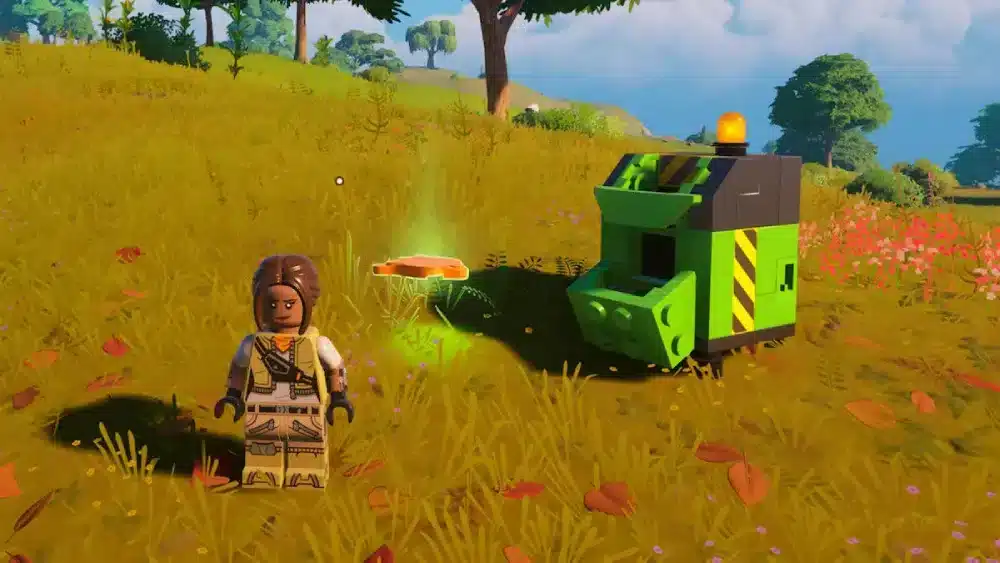
Learning how to get biomass in Lego Fortnite starts with understanding its sources. Unlike rare crafting materials, biomass comes from organic items that are widely available — if you know where to look.
Collecting Organic Resources
The foundation of lego Fortnite biomass comes from:
- Wood;
- Vines;
- Plants;
- Crops;
- Animal-based organic drops.
These materials are processed into biomass through specific crafting stations.
In lego survival, almost every biome provides renewable plant-based resources. That makes biomass one of the most sustainable crafting materials in the game.
Using Processing Stations
To convert organic items into biomass, you must use:
- Compost bins;
- Processing tables;
- Fuel converters.
These crafting stations transform raw materials into usable lego Fortnite biomass.
This is where resource farming strategy becomes important. Instead of randomly gathering materials, efficient players create loops:
- Gather plants and wood;
- Store them near your base;
- Process them consistently;
- Use biomass for crafting upgrades.
Structured resource farming prevents waste and speeds up village progression.
Best Resource Farming Strategies for Biomass
If you really want to master how to get biomass in Lego Fortnite, random gathering is not enough. Efficient players treat resource farming as a system, not a task.
Instead of walking around collecting whatever appears, you should build controlled harvesting zones and structured farming loops. This approach turns scattered materials into a consistent lego Fortnite biomass production chain.
The key is to align your gathering strategy with your overall material guide progression.
Early Game Biomass Farming
In the early stages of lego survival, your priority should be sustainability rather than speed. You don’t need massive quantities yet, you need consistency.
If you’re starting fresh, focus on:
- Grassland biomes with dense vegetation;
- Forest areas with renewable wood;
- Riverbanks rich in plant life;
- Areas near your main village for short travel routes.
These locations provide easy access to renewable crafting materials that convert efficiently into biomass.
During early progression, prioritize:
- Clearing small forest sections methodically;
- Collecting vines consistently instead of sporadically;
- Rotating harvesting zones to avoid depletion;
- Keeping storage organized near processing stations.
This builds what we can call a “biomass pipeline.” Instead of farming only when you run out, you continuously gather and process materials into lego Fortnite biomass.
Efficient early resource farming reduces downtime and prevents crafting interruptions later.
Mid-Game Resource Loop Optimization
As your village expands, biomass demand increases. More crafting stations, larger builds, and automation systems require higher output.
At this stage, your farming strategy should evolve from manual gathering to semi-automated support.
Focus on:
- Assigning villagers to gather organic materials;
- Expanding farming zones into multiple biomes;
- Building multiple processing stations for faster conversion;
- Creating dedicated storage rooms for raw and processed items.
By delegating gathering tasks, your multiplayer setup or solo session becomes more efficient. You can focus on building and upgrading while your Palworld server, sorry, wrong game concept, while your lego survival world continues generating resources.
Mid-game optimization also means grouping activities together. For example:
- Gather wood and vines in one continuous loop;
- Return to base once inventory is full;
- Process everything immediately;
- Store converted biomass separately;
- Repeat in a new zone.
This loop reduces unnecessary travel time and keeps your crafting materials supply stable.
The goal is to transform biomass production into a background system that supports your base expansion naturally.
Advanced Farming Efficiency Tips
As you progress further in lego survival, consider these additional strategies:
- Create biome-specific harvesting routes;
- Build processing hubs near farming zones;
- Separate storage by raw and refined materials;
- Monitor biomass consumption rate;
- Avoid over-harvesting a single area.
Tracking how much lego Fortnite biomass you consume weekly helps you predict future needs. This makes your material guide planning more strategic rather than reactive.
Ultimately, mastering resource farming for biomass is about rhythm and structure. Once your harvesting loop runs smoothly, village upgrades, automation systems, and crafting expansion become far easier to manage.
When biomass production becomes predictable, your progression accelerates and survival becomes far less stressful.
Biomass Uses and Crafting Integration
Knowing how to get biomass in Lego Fortnite is only half the equation. Understanding how it fits into your crafting ecosystem is equally important.
Key Crafting Uses
Biomass is commonly used for:
- Fuel sources
- Certain advanced crafting materials
- Village upgrade components
- Automation-related structures
As your lego survival base expands, biomass becomes a core dependency.
Biomass Efficiency
Below is a simplified overview of common sources and processing yields:
| Organic Resource | Biomass Yield | Farming Difficulty |
| Basic Wood | Low | Very Easy |
| Vines | Medium | Easy |
| Crops | Medium | Moderate |
| Rare Plants | High | Hard |
| Animal Drops | Variable | Moderate |
As shown above, vines and crops offer balanced yields with manageable effort. Rare plants provide higher output but require more exploration.
Understanding yield ratios helps you prioritize resource farming paths.
Advanced Material Guide: Avoiding Waste
Many players struggle not because biomass is rare, but because they waste organic resources.
Common Mistakes
Avoid these mistakes:
- Burning wood unnecessarily;
- Ignoring compost conversion;
- Storing unprocessed materials too long;
- Overbuilding without material planning.
Efficient crafting materials management ensures you always have biomass available when upgrading.
Smart Farming Checklist
Before expanding your village, ask:
- Do I have steady biomass production?
- Are my crafting materials organized?
- Is my resource farming loop sustainable?
- Am I over-consuming fuel resources?
- Do I have backup organic storage?
By following this checklist, you prevent bottlenecks.
Performance and Multiplayer Stability
When you focus on learning how to get biomass in Lego Fortnite, it’s easy to overlook one important factor: performance stability. However, as your base grows and your lego survival world becomes more complex, technical performance starts to matter a lot more.
Large-scale resource farming, advanced crafting systems, and multiplayer sessions with several players can increase server load and network demands. While the game is optimized for cooperative play, heavy activity can sometimes lead to instability.
Why Performance Drops Happen in Multiplayer
As your world evolves, several factors can impact performance:
- Large village builds with many interactive objects;
- Multiple automated crafting stations processing crafting materials;
- Active AI entities and villagers;
- Simultaneous exploration in distant biomes;
- High player count during online sessions.
These elements increase world synchronization complexity. In multiplayer sessions, the game must constantly update all connected players about environmental changes, crafting progress, and world events.
This can sometimes result in:
- Minor lag spikes;
- Delayed crafting interactions;
- Session desync in multiplayer;
- Slow resource pickup response;
- Delayed processing of lego Fortnite biomass.
When multiple players are farming and converting materials simultaneously, especially in larger bases, small latency fluctuations become more noticeable.
Network Routing and Connection Stability

If you’re trying to play with friends online and experience instability, the issue may not always be hardware-related. In many cases, routing instability between your device and the game servers causes inconsistent performance.
Even when your internet speed is good, route congestion can create:
- Packet loss;
- Latency spikes;
- Temporary connection interruptions;
- Delayed multiplayer synchronization.
For players managing heavy resource farming operations or coordinating large builds, stable connectivity becomes critical to maintaining smooth lego survival sessions.
ExitLag works as a smart route optimizer. It does not function as a VPN and does not change your location. Instead, it analyzes multiple connection paths in real time and selects the most stable route between your device and the game servers.
This improves multiplayer consistency by reducing common routing-related disruptions.
Key benefits include:
- Lower latency fluctuations;
- Reduced packet loss;
- More stable multiplayer sessions;
- Fewer unexpected disconnections;
- More consistent synchronization when managing crafting materials and biomass production.
When farming large quantities of lego Fortnite biomass in online worlds, stable routing ensures smoother progression, faster material processing, and fewer interruptions during cooperative gameplay
FAQ
Biomass is a processed organic resource used for fuel and crafting upgrades.
Harvest vines and wood in forest biomes, then process them consistently in compost stations.
Yes. Most biomass sources come from renewable crafting materials.
Yes. Assigning villagers improves automation and reduces manual gathering.
Absolutely. Village upgrades and advanced crafting systems increase biomass demand.
How to Get Biomass in Lego Fortnite: Build Smarter and Faster
Mastering how to get biomass in Lego Fortnite ensures your survival progression remains smooth and sustainable. By combining efficient resource farming with structured crafting materials management, you eliminate unnecessary grinding.
Understanding biomass loops allows you to expand your village confidently inside lego survival mode.
If you want smoother multiplayer sessions while farming and building online, try ExitLag and experience more stable gameplay during your Lego Fortnite adventures.
Got questions or want to connect with other players? Join the conversation at the ExitLag Forum!