

Is Overwatch still popular is a question that comes with a complicated but honest answer. Overwatch remains one of the most played hero shooters in the world with millions of active players across PC, PlayStation, and Xbox. It is also a game that has experienced a significant and well-documented decline from its peak, and understanding why requires separating the genuine criticism from the overstatement.
The short version: Overwatch in 2026 is in better competitive shape than it was in 2023 or 2024 but has not recovered the cultural dominance it held when the original game launched in 2016. The relaunch as simply Overwatch in February 2026, the addition of ten new heroes, and the active narrative era called Reign of Talon represent Blizzard's most significant attempt to revitalize the franchise since Overwatch 2's troubled transition.
Why some players say "Overwatch 2 is dead" reflects real frustrations with decisions Blizzard made between 2022 and 2024. Whether those frustrations reflect the game's actual state today is a different question.
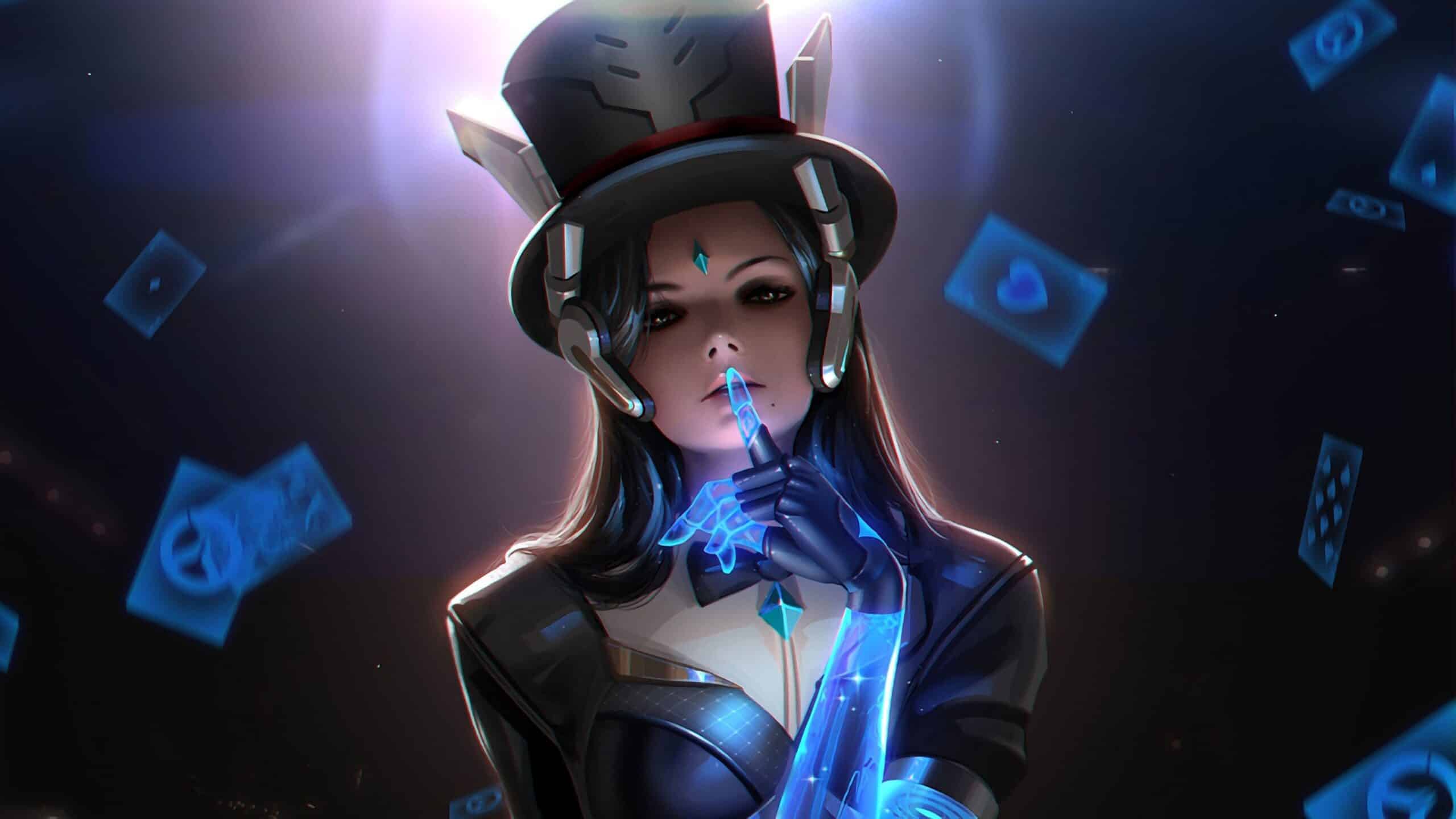
Is Overwatch 2 Dead?
What Made Players Say Overwatch Was Dead
The "Overwatch 2 is dead" narrative emerged for specific and documented reasons between 2022 and 2024:
The Free-to-Play Transition Controversy (2022): Overwatch 2 shut down the original Overwatch servers permanently on October 3, 2022, replacing it with Overwatch 2 as the only option. Players who had paid for the original game and built cosmetic collections found their access dependent on a free-to-play game with a new monetization model. The original game's 6v6 format was replaced with 5v5. The paid PvE Story Missions promised as a core feature of Overwatch 2 were eventually cancelled or significantly scaled back.
This combination of shutting down a paid game, breaking promises about PvE content, and changing the fundamental team format caused a significant drop in community trust and concurrent player numbers.
The Cosmetic Economy: Overwatch 2's original battle pass and cosmetic pricing faced severe criticism. Skin prices that previously ranged from 750 to 3,000 in-game credits now appeared at prices equivalent to $20 to $40 in real money. Players who had been accustomed to earning cosmetics through playing felt the new system was designed to extract money rather than reward time investment.
Player Count Decline: Concurrent player data from third-party tracking suggested significant drops from Overwatch 2's initial launch peak. The game had 35 million players in its first month and saw that number decline substantially as the controversies accumulated.
What "Dead" Actually Means (and Does Not Mean)
The word "dead" in gaming communities typically means a game has lost enough players that matchmaking is slow, servers are understaffed, or the developer has abandoned updates. By these measures, Overwatch is not dead:
- Matchmaking queue times remain short across most skill brackets
- Blizzard actively updates the game with new heroes, maps, seasonal events, and balance patches
- Esports: The Overwatch Champions Series (OWCS) 2026 Champions Clash recorded the highest Overwatch esports viewership in years
- Ten new heroes launched with the Reign of Talon update in early 2026
What "dead" accurately describes is that Overwatch has lost the cultural monopoly it held on the hero shooter genre and the broader gaming conversation. The game no longer dominates Twitch, drives massive content creator output, or represents a dominant position in competitive shooter culture the way it did in 2016 to 2018.
What Are the Main Reasons Behind Overwatch's Player Base Decline?
Understanding the decline correctly separates recoverable from structural issues:
Hero Identity Crisis (2022 to 2024)
The 5v5 shift removed one tank slot per team, fundamentally changing how the game felt to play for the six years of the 6v6 era. Tank players experienced the most disruptive transition, going from a role supported by a second tank to an isolated role that could not be covered when things went wrong.
The community remains divided on 5v5 versus 6v6. Overwatch Classic mode, which returned the 6v6 format temporarily, attracted strong initial numbers that demonstrated significant demand for the older format. Blizzard has since launched 6v6 experimental modes and Marvel Rivals has launched as a direct 6v6 competitor, partly in response to this expressed demand.
PvE Promises That Were Not Delivered
Overwatch 2 was marketed as including a significant PvE mode with story missions, hero progression trees, and talent upgrades. Much of this was cancelled or reduced to small-scale event missions. Players who were interested in Overwatch specifically for cooperative content had little reason to stay.
Cosmetic Pricing
The monetization shift remains a sustained criticism. While Blizzard has added more ways to earn cosmetics through play (Legacy credits for older items, free tracks in battle passes), the pricing structure for new legendary and mythic skins is still criticized as the highest in the genre.
Competition and Genre Growth
The hero shooter genre is significantly more crowded than it was at Overwatch's launch. Marvel Rivals launched in late 2024 and accumulated 20 million players in its first week. Valorant has consistently attracted competitive players from Overwatch's audience. The expanding options for hero-based team play mean Overwatch no longer has the genre to itself.
The 2026 Renewal and Current State
| Year | State | Key Events |
| 2016 to 2018 | Peak popularity | Launch, cultural dominance, massive streaming |
| 2019 to 2021 | Slow period | Limited updates, Overwatch 2 announcement controversy |
| 2022 | Overwatch 2 launch | 35M players, immediate monetization controversy |
| 2023 to 2024 | Continued decline | PvE cancellations, competition from Marvel Rivals |
| 2025 | Recovery | Stadium mode, Perks, Hero Bans hit strong numbers |
| 2026 | Active growth phase | Rebrand to Overwatch, 10 new heroes, active narrative |
Blizzard Game Director Aaron Keller described 2025 as potentially the game's best year since launch, and the 2026 rebrand signals commitment to the franchise at a level the company had not shown during the 2022 to 2024 period.
Pro Tips: Evaluating Overwatch's Current State
- Try the current version before accepting community narrative as fact: The 2026 version of Overwatch is meaningfully different from the 2022 and 2023 versions that generated most of the "dead" discourse. Forming an opinion based on the current state rather than its history produces a more accurate assessment.
- Use Overbuff to check current player statistics directly: Overbuff.com tracks hero pick rates and win rates from actual match data. High pick rates and active tier list updates indicate an active player base with enough match volume to generate meaningful statistics.
- Check OWCS viewership data for competitive health: The Overwatch Champions Series 2026 peak viewership is a concrete indicator of the game's competitive health that is not affected by community sentiment swings.
- Play in Quick Play before committing to ranked: The casual experience and the ranked experience in 2026 Overwatch are quite different. Quick Play's relaxed environment better represents whether you enjoy the current state of the game before placing a rank on the line.
Common Mistakes When Evaluating Whether Overwatch Is Dead
- Using 2022 or 2023 player counts as a baseline for 2026: The game's player numbers and community sentiment have shifted significantly across different phases of Overwatch 2 and the 2026 rebrand. Fix: Use current data rather than historical references from the most controversial periods.
- Treating "dead" and "declined" as synonymous: Decline from peak is not the same as death. Many beloved games have smaller player bases than their launch peaks and remain excellent experiences for their communities. Fix: Separate the factual observation that Overwatch has fewer players than in 2016 from the hyperbolic claim that the game is unplayable or abandoned.
- Expecting Marvel Rivals' success to accelerate Overwatch's decline further: Marvel Rivals attracted players from Overwatch's audience but did not cause a collapse. The hero shooter genre has expanded enough to sustain multiple active titles simultaneously. Fix: Monitor actual player data rather than assuming zero-sum competition between hero shooters.
Play Overwatch at Your Best with ExitLag
Whether you are returning to Overwatch for the first time in years or climbing ranked in the 2026 season, connection quality determines whether your skill translates into results. Ping spikes during an ultimate, packet loss on a critical shot, and connection drops from ranked matches cost you wins regardless of how well you play mechanically.
ExitLag is a connection optimizer used by over 30 million players across 4,000+ game titles including Overwatch. It analyzes multiple network routes in real time and selects the fastest, most stable path between your device and Blizzard's servers.
Features that directly benefit Overwatch players:
- Real-Time Optimization: Continuously selects the lowest-latency route to Overwatch servers, keeping your inputs responsive during team fights.
- Multipath Technology: Routes game data through multiple simultaneous paths so no single connection failure interrupts a ranked match.
- Traffic Shaper: Prioritizes Overwatch traffic over background applications so downloads and other software cannot spike your ping during competitive play.
- Multi-Internet: Supports up to four simultaneous connections, eliminating disconnections from ranked sessions.
Download ExitLag and try it free.
All product names and trademarks mentioned in this article belong to their respective owners. Overwatch and related marks are trademarks of Blizzard Entertainment. They are used for informational and educational purposes only and do not imply endorsement or affiliation with the rights holders.