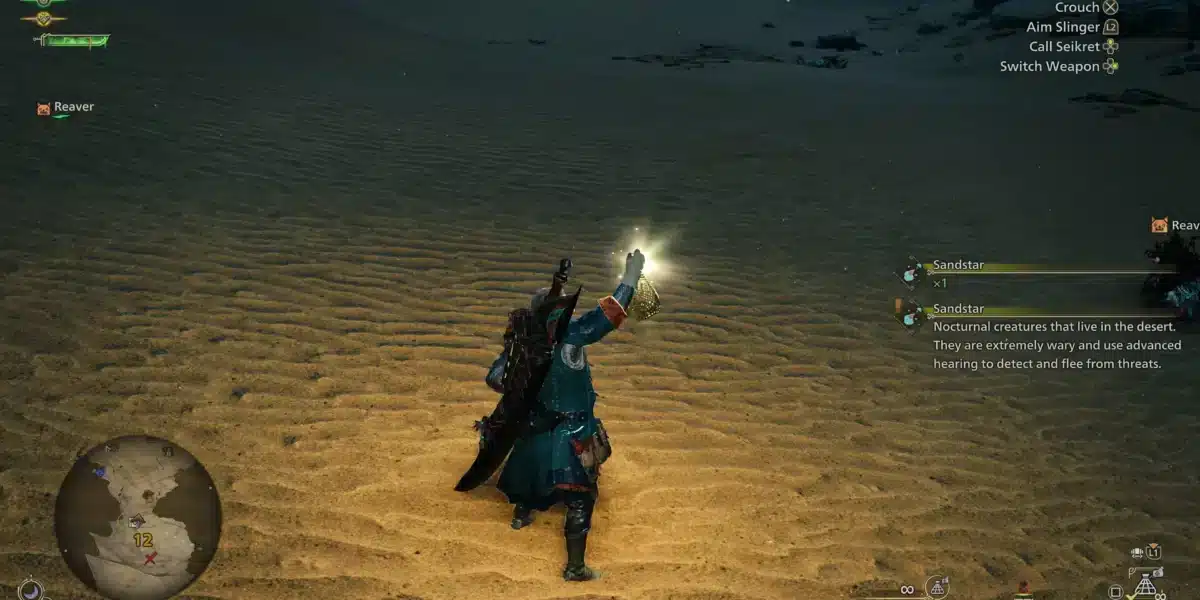

A strong monster hunter wilds dual blades build turns one of the fastest weapons in Capcom’s action RPG into an aggressive damage machine. Dual Blades reward hunters who stay close, manage stamina carefully, exploit openings, and adapt their equipment to each monster instead of relying on one universal setup.
However, creating the monster hunter wilds dual blades build that fits your hunts involves more than stacking attack skills. Affinity, elemental damage, stamina management, sharpness, equipment availability, and your ability to maintain damage uptime can all change which combination performs best.
So, what is a monster hunter wilds dual blades build? It is a combination of Dual Blades, armor, skills, decorations, and gameplay choices designed around the weapon’s rapid attacks, Demon Mode, Archdemon Mode, and highly mobile combat style. In practice, the best setup balances offensive power with enough stamina and comfort to keep attacking consistently.
That distinction is important. A build that produces excellent theoretical damage can perform worse during real hunts if you constantly disengage, lose sharpness, run out of stamina, or get hit while trying to maintain an unrealistic attack rotation.
The goal of this guide is therefore not simply to chase the biggest number. Instead, it will help you understand why specific priorities work and how to adjust them as your equipment improves.
How the Weapon Works
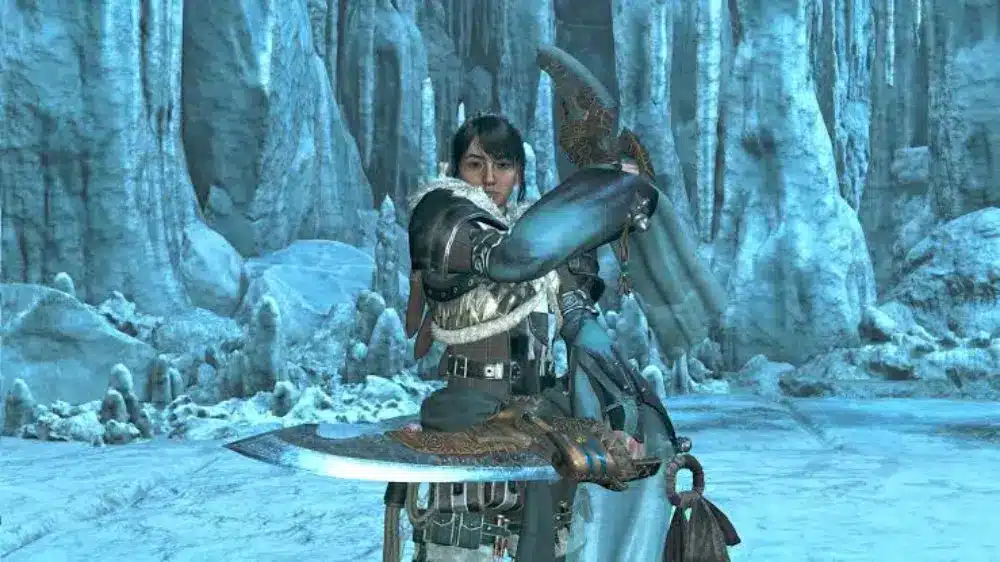
Before farming equipment, hunters should understand what makes dual blades monster hunter wilds gameplay different. Dual Blades are designed around speed, mobility, repeated hits, and aggressive resource management.
Capcom’s official weapon material emphasizes rapid attacks, Demon Mode, Archdemon Mode, and the ability to exploit wounds with Focus Strikes. Those mechanics establish the basic rhythm that every good build should support.
Demon Mode and Archdemon Mode
Demon Mode changes how Dual Blades operate and gives you access to the weapon’s signature aggressive moves. The trade-off is stamina consumption, meaning you cannot simply remain in the mode indefinitely without considering your stamina bar.
Attacking in Demon Mode builds the Demon Gauge. Filling it allows you to benefit from Archdemon Mode after leaving Demon Mode, extending access to enhanced actions without continuously draining stamina.
A practical combat rhythm therefore looks something like this:
- Enter Demon Mode when you have an opening.
- Attack aggressively to build the Demon Gauge.
- Avoid draining your stamina completely.
- Use Archdemon Mode to maintain offensive pressure.
- Re-enter Demon Mode when stamina and positioning allow it.
This is why stamina-related skills can be valuable even when a spreadsheet suggests another offensive skill would provide slightly higher theoretical damage.
Focus Mode, wounds, and aggressive positioning
Monster Hunter Wilds introduces Focus Mode as a major part of combat. It allows hunters to aim attacks more precisely and target wounds created during the fight.
For Dual Blades, that works naturally with an aggressive playstyle. You already want to remain close to vulnerable monster parts, so identifying wounds and reaching them quickly can create excellent opportunities for focused damage.
Your mobility is especially useful here. Instead of attacking whichever body part happens to be nearby, reposition toward weak zones and wounds whenever the monster gives you enough room.
Still, avoid tunnel vision. Reaching a wound does not help if you commit to an attack while the monster is preparing to punish you.
Best Dual Blades Monster Hunter Wilds Skills to Prioritize
The best dual blades monster hunter wilds setup is rarely determined by one skill. Instead, several offensive and utility effects work together to improve actual damage uptime.
Your exact priorities will change according to your weapon, decorations, armor availability, elemental matchup, and progression stage.
Offensive skill priorities
Affinity is particularly useful because Dual Blades land attacks extremely frequently. Critical-oriented setups can therefore benefit greatly from improving how consistently those attacks become critical hits.
Elemental damage also deserves serious attention. The weapon’s rapid attack frequency makes elemental matching an important part of optimized Dual Blades gameplay.
Useful offensive priorities generally include:
- affinity improvements;
- critical-hit bonuses;
- elemental attack matching your weapon;
- sharpness management;
- skills that improve consistent damage;
- bonuses activated reliably by your playstyle.
However, do not treat every damage skill as mandatory. A bonus that only works under conditions you rarely maintain may provide less value than a smaller effect that stays active throughout the hunt.
Stamina and comfort skills
Stamina directly affects how comfortably you can use Demon Mode, evade, reposition, and maintain pressure.
That creates an important distinction between a speedrun-oriented monster hunter wilds dual blade build and one designed for normal multiplayer or solo progression.
Comfort skills can help with:
- stamina consumption;
- stamina recovery;
- evasion;
- survivability;
- sharpness maintenance;
- maintaining aggressive positioning.
These effects may not produce the largest training-area number. Nevertheless, getting knocked down or repeatedly disengaging represents lost damage.
For many players, the strongest practical build is the one that allows them to attack safely for longer.
Monster Hunter Wilds Dual Blade HR Build
High Rank is where build crafting becomes much more interesting. Hunters gain access to better equipment and more meaningful skill combinations, but they may not yet possess the resources required for fully optimized endgame sets.
A monster hunter wilds dual blade hr build should consequently prioritize efficiency. Build something strong enough to progress comfortably without spending excessive time perfecting equipment that you will soon replace.
High Rank progression priorities
Start by evaluating your weapon before rebuilding your entire armor set.
For Dual Blades, consider its raw attack, affinity, sharpness, elemental value, available skills, and how easily you can continue upgrading it.
Then build your armor around the weaknesses that remain.
A useful High Rank priority structure is:
- Damage: improve reliable offensive output.
- Affinity: increase critical consistency where appropriate.
- Element: match important monster weaknesses.
- Stamina: support Demon Mode usage.
- Sharpness: reduce interruptions caused by sharpening.
- Survivability: avoid sacrificing an entire hunt for marginal DPS.
You do not necessarily need every category at maximum level. Instead, use your available equipment to create a balanced foundation.
When to replace your HR equipment
One common mistake is overinvesting in transitional equipment.
If your current armor already provides the core skills needed to complete High Rank hunts comfortably, consider progressing further before spending large quantities of materials chasing minor improvements.
Upgrade when the new equipment provides a meaningful advantage, such as better skill synergy, improved decoration flexibility, or stronger compatibility with your chosen elemental weapon.
This approach saves materials while preparing you for more demanding endgame customization.
Monster Hunter Wilds Best Dual Blades for Elemental Builds
Searching for the monster hunter wilds best dual blades does not necessarily lead to one universal weapon.
Monster weaknesses vary. As a result, a weapon that performs exceptionally against one target may become less attractive against another.
That is why experienced Dual Blades hunters often maintain several loadouts.
Why elemental matching matters for Dual Blades
Fast weapons can apply elemental damage repeatedly through their numerous hits. Consequently, matching your weapon’s element to the monster is an important route toward optimized damage.
Rather than asking only, “Which Dual Blades have the highest attack?”, consider:
- What element is the monster weak against?
- How much usable sharpness does the weapon offer?
- Does the weapon have useful affinity?
- Which skills does my current equipment support?
- Can I maintain those bonuses consistently?
This creates a more accurate picture of weapon performance.
Building an elemental Dual Blades loadout
A practical long-term approach is to develop separate loadouts around important elements and select the appropriate one before a hunt.
| Build Direction | Main Priority | Best Use | Main Consideration |
| Element-focused | Element + affinity | Monsters with exploitable elemental weaknesses | Requires multiple weapons |
| Critical-focused | Affinity + critical damage | Consistent weak-point pressure | Needs reliable critical conditions |
| Balanced | Damage + stamina + comfort | General progression | Lower theoretical maximum |
| Endgame Artian | Customization + optimized synergy | Advanced hunters | Requires endgame investment |
This is also where equipment loadouts become extremely useful. Save your configurations instead of rebuilding everything manually between monsters.
A simple elemental progression strategy is:
- create weapons for frequently encountered weaknesses;
- prioritize the elements relevant to your current progression;
- upgrade the sets you actually use;
- expand your collection as endgame materials become available.
In other words, you do not need to create every possible weapon immediately.
Best Dual Blade Build Monster Hunter Wilds for General Hunting
Not everyone wants five hyper-specialized equipment sets. Sometimes you need a dependable best dual blade build monster hunter wilds setup that performs well while progressing, farming materials, or learning unfamiliar monsters.
For that purpose, consistency becomes the priority.
Balanced build template
A general build should combine reliable offensive skills with enough stamina and defensive comfort to keep you near the monster.
The basic template is:
Weapon: Choose strong Dual Blades appropriate to your progression, preferably with useful affinity, sharpness, element, or skill synergy.
Armor: Prioritize pieces that combine offensive benefits with stamina or comfort without wasting too many skill slots.
Decorations: Fill weaknesses in the build rather than automatically adding more attack.
Element: Match the target whenever your equipment collection allows it.
Playstyle: Maintain pressure through Demon and Archdemon Mode while avoiding unnecessary commitments.
This creates a flexible monster hunter wilds best dual blades build foundation that can evolve instead of becoming obsolete after one progression milestone.
Why this setup works
Dual Blades depend heavily on uptime.
Imagine two hunters. The first has higher theoretical damage but repeatedly exhausts stamina and gets knocked away. The second sacrifices a small amount of theoretical DPS for stamina management and consistent positioning.
During a complete hunt, the second player can easily produce more actual damage.
That is why build optimization should consider the hunter behind the weapon.
Dual Blades Monster Hunter Wilds Builds for Endgame Hunters
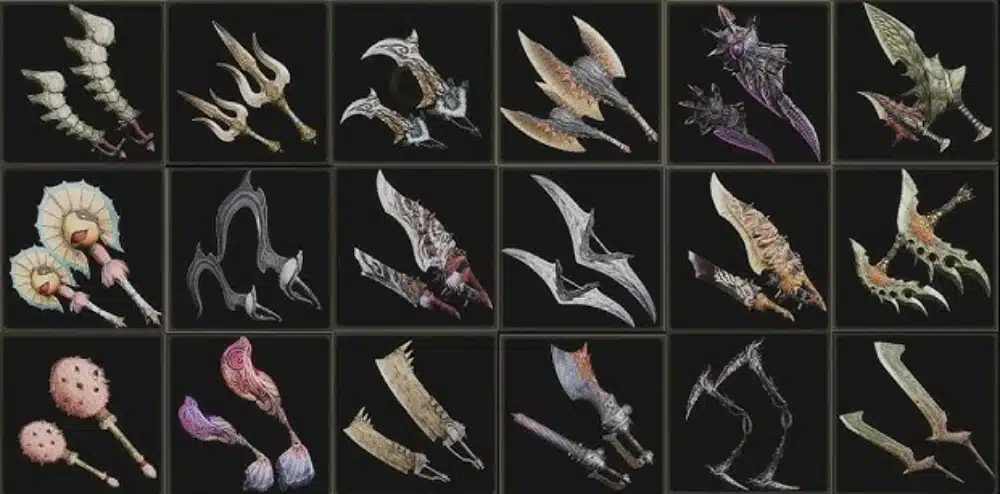
Once progression stops being the main concern, dual blades monster hunter wilds builds can become significantly more specialized.
Later updates expanded Wilds’ endgame equipment systems, giving experienced hunters additional reasons to reconsider builds instead of assuming launch-era recommendations remain permanently optimal.
Artian and Gogma Artian weapon progression
Artian weapons offer an important route for advanced customization. Later endgame content expanded this system further through Gogma Artian Weapons.
With the Title Update 4 endgame additions, Rarity 8 Artian Weapons can be upgraded using Gogmazios-related materials while retaining their existing reinforcement bonuses. Gogma Artian equipment can also receive additional skill customization.
For Dual Blades users, this matters because endgame optimization is increasingly about synergy.
Instead of evaluating only attack values, examine how the complete weapon contributes to:
- elemental specialization;
- affinity;
- sharpness;
- armor skills;
- decoration requirements;
- set and group skill interactions.
Therefore, a Gogma Artian option should be judged as part of the entire build rather than in isolation.
Transcendence and late-game armor optimization
Advanced hunters also gain access to additional armor-development possibilities through later endgame systems such as Transcendence.
This creates a clear separation between an HR progression build and a mature endgame setup.
The goal at this stage becomes eliminating inefficiencies. If a decoration slot or armor combination allows you to maintain your important offensive effects while adding stamina or comfort, that change can improve the complete hunt.
Do not assume “endgame” means removing every defensive skill. Consistency remains valuable against difficult monsters.
Monster Hunter Wilds Dual Blades Guide: How to Play the Build
Even the most optimized monster hunter wilds dual blades guide is incomplete without explaining execution.
Equipment improves your potential. Your decisions determine whether that potential becomes actual damage.
Managing Demon Mode efficiently
Avoid treating Demon Mode like a permanent switch.
Instead, think of stamina as an offensive resource. You need enough stamina to enter Demon Mode, but you also need enough to evade when the monster retaliates.
A reliable pattern is to attack aggressively during clear openings and transition toward Archdemon gameplay when conserving stamina becomes necessary.
Watch the monster rather than your combo animation.
If an opening is ending, disengaging early is often better than squeezing in one more attack and getting knocked down.
Positioning, wounds, and Focus Strikes
Focus Mode adds another layer to positioning because wounds become valuable targets.
Dual Blades have mobility that can help you move between vulnerable parts quickly. Use that advantage deliberately.
When a wound becomes accessible:
- identify whether the monster is about to attack;
- approach from a manageable angle;
- use Focus Mode for precision;
- exploit the wound when the opening is safe;
- reposition immediately if the monster changes direction.
This creates controlled aggression rather than random aggression.
How to Improve Your Dual Blades Monster Hunter Wilds Build
Improving a monster hunter wilds dual blade build is an ongoing process. A build should evolve alongside your equipment collection and your understanding of each matchup.
You can often gain more from fixing one weak component than from replacing the entire set.
Adapt your equipment to each monster
Elemental weaknesses make preparation valuable.
If a monster responds particularly well to an element you already have available, save a dedicated equipment loadout for that matchup.
Likewise, adjust comfort skills according to the fight. A difficult monster that constantly interrupts your attacks may justify a different setup from a target you already know perfectly.
Useful preparation includes:
- checking the monster’s weaknesses;
- selecting an appropriate weapon;
- reviewing sharpness;
- changing decorations when needed;
- bringing suitable consumables;
- saving successful configurations as loadouts.
Small adjustments add up across repeated hunts.
Upgrade priorities
If you are unsure what to improve first, use this progression:
- Build a reliable High Rank foundation.
- Upgrade your most frequently used Dual Blades.
- Improve affinity, elemental, and sharpness synergy.
- Create additional elemental loadouts.
- Optimize decorations and armor combinations.
- Progress into appropriate Artian and later endgame systems.
- Fine-tune the balance between maximum damage and comfort.
This prevents you from wasting materials on upgrades that barely affect your hunts.
Dual Blades Monster Hunter Wilds Builds: Common Mistakes to Avoid
Strong equipment cannot compensate for every gameplay mistake.
Many hunters searching for monster hunter wilds best dual blades focus entirely on equipment while ignoring decisions that determine whether those bonuses remain useful during combat.
Overcommitting to attacks
Dual Blades feel incredibly fast, which makes overcommitting tempting.
The problem is that rapid attacks can create the illusion that there is always time for another input. Against aggressive monsters, that extra attack may leave you vulnerable.
Instead, learn when an opening is ending.
A shorter combo followed by a successful evade keeps you close and ready for the next opportunity. Getting hit creates downtime and can force you to heal, sharpen, or reposition.
Ignoring stamina and hunt-specific adjustments
Another common mistake is copying a maximum-DPS build without understanding why it works.
If that setup assumes near-perfect weak-point uptime or extremely efficient stamina management, an average player may achieve better results with a more forgiving configuration.
Your build should match:
- your current equipment;
- your decorations;
- the monster;
- your familiarity with the fight;
- your stamina management;
- solo or multiplayer conditions.
The best dual blades monster hunter wilds configuration is ultimately the one that converts its potential into reliable hunt performance.
Monster Hunter Wilds Dual Blades Build and Online Performance
Monster Hunter Wilds supports multiplayer hunting, making connection quality another consideration when playing cooperatively.
Your monster hunter wilds dual blades build determines your in-game capabilities, but stable online performance helps ensure that multiplayer hunts feel responsive and consistent.
Multiplayer hunts and connection stability
Dual Blades encourage close-range aggression. In multiplayer hunts, maintaining a stable connection helps you react naturally as monsters switch targets and move between hunters.
This becomes particularly relevant during demanding endgame encounters where several players may be coordinating attacks simultaneously.
Before a serious multiplayer session, consider:
- closing unnecessary network-heavy applications;
- using a stable connection whenever possible;
- selecting appropriate matchmaking conditions;
- checking for downloads running in the background;
- monitoring recurring latency or routing problems.
A smooth connection will not replace good hunting fundamentals, but connectivity problems can make precise combat more frustrating.
Using ExitLag for Monster Hunter Wilds on PC
For PC hunters, ExitLag can complement the monster hunter wilds dual blades experience by optimizing how game traffic travels between your connection and online servers. Its proprietary technologies include Real-Time Optimization and Multipath Connection, which can help improve route stability and reduce network-related interruptions when conditions allow.
ExitLag is available for PC and Mobile, not consoles. Therefore, PlayStation 5 and Xbox Series X|S Monster Hunter Wilds players cannot use ExitLag directly for their console sessions, while Steam players can take advantage of the desktop application for supported online games.
FAQ
There are several recurring questions surrounding the monster hunter wilds dual blades playstyle. Here are concise answers to the most important ones.
The best setup depends on progression and matchup. In general, prioritize a combination of affinity, elemental damage, sharpness management, stamina efficiency, and skills you can activate consistently.
At endgame, equipment customization creates additional opportunities to specialize your setup.
There is no single pair that automatically wins every matchup.
The monster hunter wilds best dual blades choice depends on monster weaknesses, weapon element, sharpness, affinity, skills, and your available equipment. Maintaining several elemental options is valuable for players who want optimized matchup performance.
Yes. Dual Blades provide strong mobility, rapid attacks, and excellent offensive pressure when their stamina mechanics are managed correctly.
A monster hunter wilds dual blade hr build should prioritize reliable progression instead of requiring perfect endgame equipment.
Elemental setups can be extremely effective because Dual Blades attack rapidly, but the actual winner depends on the weapon, monster weakness, skills, and complete build.
For general progression, convenience can also matter. For optimized hunting, matchup-specific elemental loadouts become more attractive.
Look for skills that support affinity, critical damage, elemental output, sharpness, stamina, and sustained offensive uptime.
The exact combination changes according to your weapon and equipment.
They can be highly relevant for advanced endgame optimization because later systems provide additional customization opportunities.
However, evaluate the resulting weapon within your complete setup. A powerful endgame weapon is most valuable when its bonuses complement the armor, decorations, element, and skills you are actually using.
Best Monster Hunter Wilds Dual Blades Build for Your Playstyle
The ideal setup depends on where you are in the game and what you expect from Dual Blades. Progressing hunters should prioritize a balanced build that combines reliable damage, stamina support, manageable sharpness, and enough survivability to learn encounters without constantly returning to camp.
Best option for progressing hunters
For progression, avoid obsessing over a perfectly optimized spreadsheet setup.
Build around equipment you can reasonably obtain, prioritize weapons that suit your current monsters, and gradually establish elemental alternatives.
A practical progression setup should give you:
- dependable damage;
- manageable stamina;
- comfortable sharpness;
- useful affinity or elemental bonuses;
- enough defense to survive mistakes.
As your skill improves, you can replace comfort effects with additional offense when appropriate.
Best option for endgame hunters
Endgame players can push specialization further through optimized elemental loadouts, stronger armor combinations, Artian progression, later equipment systems, and carefully selected decorations.
At this stage, test changes rather than assuming higher displayed attack automatically means faster hunts.
The best dual blades monster hunter wilds builds combine equipment optimization with excellent positioning, Demon Mode management, monster knowledge, and consistent pressure.
Ultimately, the monster hunter wilds dual blades build you should use is the one that keeps you attacking effectively while matching the target in front of you. Whether you are progressing through High Rank or optimizing late-game equipment, monster hunter wilds dual blades build performance comes from combining smart equipment choices with disciplined execution—and PC hunters playing online can also use ExitLag to help optimize connection routing and maintain a more stable multiplayer experience.
All game images used in this blog belong to Capcom. They are used for informational/educational purposes only and do not imply endorsement or affiliation with the rights holders.
Got questions or want to connect with other players? Join the conversation at the ExitLag Forum!