The War Thunder Pro League has become the top stage for competitive War Thunder players who want to prove themselves against the best rosters in the world. Every season brings tighter formats, bigger prize pools, and fiercer rivalries. If you have ever watched a Major and wondered how teams get there, this guide breaks it all down.
The War Thunder Pro League sits at the top of the War Thunder Championships Series (WTCS), which is the official competitive structure run by Gaijin. It splits into a Pro League for top-ranked rosters and a Challenger League for teams still climbing. Understanding this split is the first step to following the scene properly.
In short, the War Thunder Pro League is an invite-and-qualify circuit where the highest-performing teams compete across several Majors throughout the year for cash prizes and season-long recognition. Teams earn their spot through Open Qualifiers, then fight through play-offs and finals. The format, vehicle tier, and battle type change from one Major to the next, which keeps the meta fresh for both players and spectators.
What Is The War Thunder Pro League?
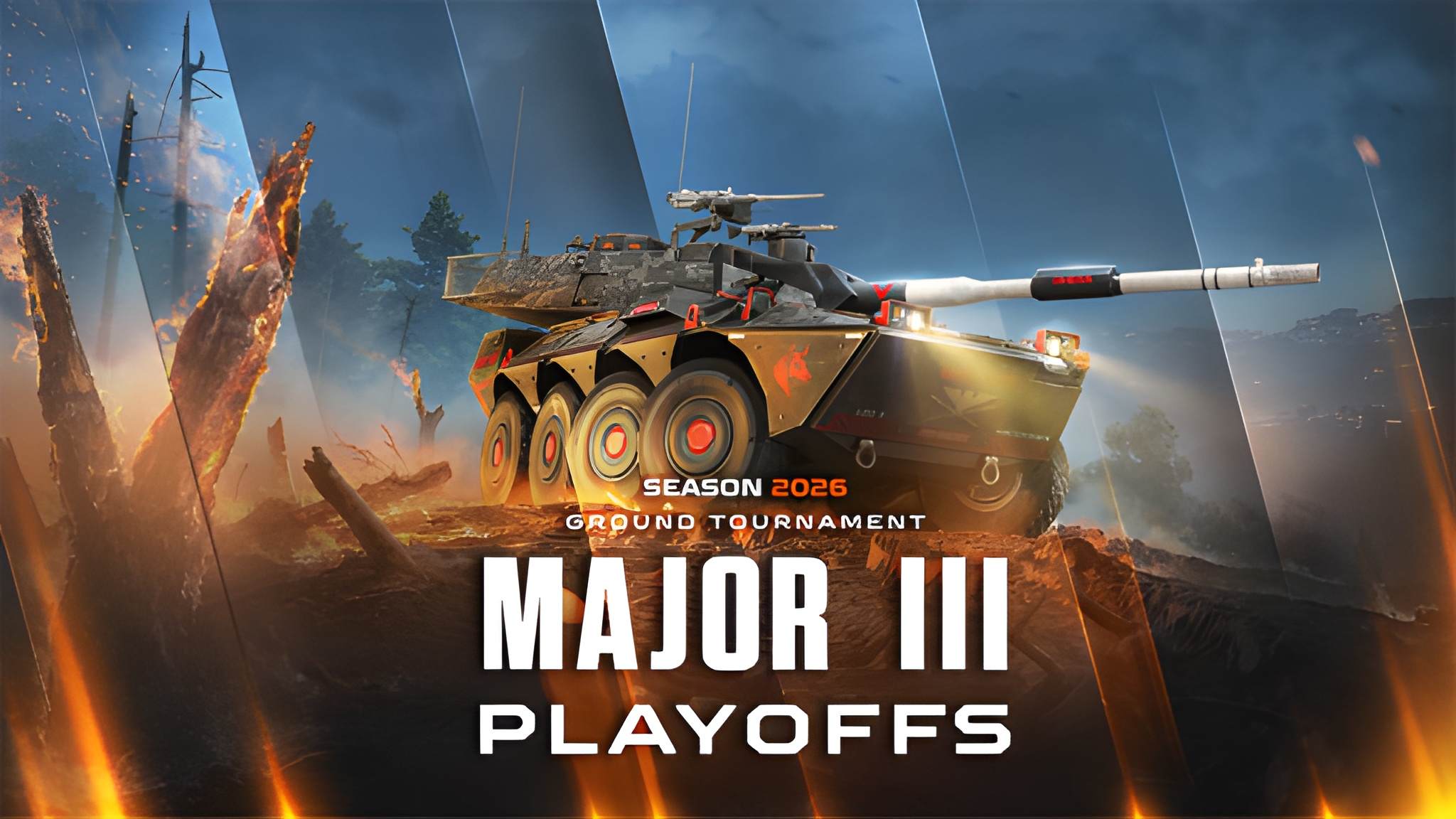
The War Thunder Pro League is the premier tier of the WTCS, Gaijin's official esports circuit for War Thunder. It brings together the strongest rosters from across Europe and beyond in a series of Major events spread across the year.
How The Pro League Fits Into WTCS
The competitive calendar is generally split into four quarters, each hosting its own Major. Every Major uses a different combat format, so a team that dominates one event might face a completely different challenge in the next.
- Pro League Majors reward the highest-ranked teams with cash prizes
- The War Thunder Competitive League also includes a parallel Challenger League for developing rosters
- Teams that score points in the Pro League cannot also compete in the Challenger League during the same period
- Formats rotate between mixed ground and air battles across the season
Why The Format Rotates Every Major
Gaijin rotates vehicle classes and battle types (mixed ground battles, air battles, and top-tier tank battles) between Majors. This forces teams to prove versatility rather than mastering a single niche.
- It keeps the War Thunder Esports League unpredictable for viewers
- It rewards rosters with deep vehicle knowledge across branches
- It prevents any single strategy from dominating an entire season
- It gives newer teams a chance to specialize and break through
Understanding The War Thunder Pro League Standings
Following the War Thunder Pro League Standings is the best way to track which organizations are peaking and which ones are fading. Standings typically reset or carry forward points depending on how each Major is structured that quarter.
Where To Check Live Standings
The official tournament platform tracks brackets, scores, and qualification results in real time. Community-run wikis and esports statistics sites also mirror the same data shortly after each match concludes.
- Check the official War Thunder esports news page for post-Major recaps
- Visit the official tournament platform for live bracket updates
- Follow the official Twitch and YouTube channels for match replays
- Cross-reference community wikis for historical Major results
- Join the official Discord for qualifier announcements
How Points Translate Into Season Rankings
Beyond individual Major placements, the season awards recognition to top performers, including MVP honors and season-long rankings. Consequently, a single bad Major does not eliminate a strong roster from long-term contention.
| Ranking Tier | Typical Path | Reward Focus |
|---|---|---|
| Top Pro League Teams | Direct Major qualification, high seed | Cash prizes, season MVP points |
| Mid-Table Pro League Teams | Open Qualifier survivors | Smaller prize shares, ranking points |
| Challenger League Teams | Separate qualifier track | Promotion path, developmental prizes |
| Open Qualifier Entrants | Public sign-up, no invite needed | Chance to reach play-offs |
Meeting The War Thunder Pro League Teams
The War Thunder Pro League Teams competing at the top level are organizations built around disciplined communication, deep vehicle pools, and consistent practice schedules. Rosters typically field seven to eight players to cover substitutions and format changes.
What Makes A Roster Competitive
Strong teams treat War Thunder like a strategy game first and a shooter second. Map control, spawn timing, and squad calling matter as much as individual aim.
- Shot-calling discipline: one player manages rotations so the squad does not split attention
- Vehicle pool depth: rosters practice multiple tiers since formats rotate each Major
- Scrim consistency: regular practice matches against other ranked teams
- Communication tools: stable voice comms reduce delayed calls during clutch moments
How Teams Qualify For A Major
Before every Major, Gaijin opens registration on the official tournament platform. Anyone can build a roster and attempt to qualify, which keeps the War Thunder Competitive League accessible to newer organizations.
- Registration opens roughly a week before the Open Qualifier begins
- Teams submit a roster of seven or eight named players
- Open Qualifiers run across two weekends, generally four total days
- Top qualifying teams advance to the play-off bracket
- Rosters lock once qualified, so no late substitutions are allowed
Tracking The War Thunder Pro League Schedule
The War Thunder Pro League Schedule follows a predictable rhythm once a season begins. Each Major has an announcement phase, a registration window, an Open Qualifier stage, play-offs, and then the finals broadcast.
When Do Majors Typically Happen
Majors are generally spread across the year in quarterly waves, giving teams enough downtime to adjust vehicle pools and recruit before the next event. Matches usually stream live with a fixed daily start time.
- Announcement and registration open first, often through official news posts
- Open Qualifiers run over two consecutive weekends
- Play-offs follow shortly after qualifiers close
- Grand Finals cap off the Major with the top remaining teams
How To Never Miss A Broadcast
Following official channels is the easiest way to stay on schedule. Streams typically run in multiple languages simultaneously, which helps international audiences follow without translation lag.
- Bookmark the official War Thunder Esports Twitch channel
- Subscribe to the official YouTube channel for VOD replays
- Turn on notifications for the official esports news page
- Watch for Twitch Drops campaigns tied to live broadcasts
Reviewing War Thunder Pro League Results
Looking back at War Thunder Pro League Results helps new viewers understand team rivalries and playstyle trends. Instead of memorizing every score, focus on which organizations consistently reach play-offs across multiple Majors.
Why Recent Results Matter More Than Old Ones
Because the format changes every Major, a team's result from an air battle event does not necessarily predict how it will perform in a ground battle Major. Therefore, always check which format a result belongs to before drawing conclusions.
Is The War Thunder Esports League Worth Following?
Yes, particularly if you already enjoy squad-based vehicle combat. The War Thunder Esports League offers a different experience than solo ranked play, since it emphasizes coordinated pushes, map control, and disciplined vehicle choices over individual scorelines.
Pro Tips: Following And Improving In The War Thunder Pro League
Pro Tips: Competitive War Thunder
- Watch VODs with a notepad: Track which map positions winning teams hold early. Patterns repeat across Majors more than casual viewers expect.
- Study format-specific loadouts: Since every Major uses a different vehicle tier, keep separate notes for ground, air, and mixed battle strategies.
- Scrim before you qualify: Teams that skip practice matches almost always underperform in Open Qualifiers compared to their solo-queue stats.
- Prioritize a stable connection: Desync and rubber-banding during a live qualifier can cost a match regardless of skill. A stable route to the server matters as much as aim.
- Learn the shot-calling role: Every strong roster has one player dedicated to calls. Practicing this role separately from mechanical skill accelerates team growth.
Common Mistakes Players Make Chasing The War Thunder Pro League
Common Mistakes War Thunder Competitive Players Make
- Ignoring the format rotation: Many teams over-specialize in one vehicle class and get caught off guard when a new Major announces a different battle type. Fix: maintain practice rotations across ground and air formats year-round.
- Registering without a full roster: Some squads scramble for substitutes right before an Open Qualifier deadline. Fix: lock in seven or eight committed players weeks before registration opens.
- Skipping VOD review: Losing teams often repeat the same rotation mistakes because nobody reviews replays. Fix: schedule a short review session after every scrim block.
- Underestimating connection quality during live matches: Packet loss or ping spikes during a qualifier can look like a skill issue when it is actually a network issue. Fix: test and optimize your connection before match day, not during it.
Boosting Your Connection Before Your Next Match
If you are grinding toward the War Thunder Pro League or just trying to climb the competitive ladder, connection stability is not optional. A single spike in ping during a play-off match can turn a clean flank into a wasted vehicle.
This is exactly where ExitLag comes in. ExitLag is a game connection optimizer, not a VPN, and it works by scanning multiple network routes in real time to find the fastest and most stable path to War Thunder's servers.
For competitive squads, that means fewer desync moments during coordinated pushes and steadier registration of hits at range. ExitLag supports thousands of titles across PC and Mobile, with a large global server network built for exactly this kind of low-latency demand.
Its Multipath Technology keeps your connection alive even if one route degrades mid-match, which matters a lot during a tense Open Qualifier round. The AI-powered routing picks the best path automatically, though manual server selection is also available if your team wants full control.
Before your next scrim block or Open Qualifier attempt, it is worth setting up a stable connection in advance rather than troubleshooting mid-match. You can grab the ExitLag Download and test your route to War Thunder's servers ahead of your next competitive session.
Final Thoughts On The War Thunder Pro League
Following the War Thunder Pro League rewards viewers who pay attention to format shifts, roster changes, and qualifier upsets. The scene rewards versatility, teamwork, and preparation over raw individual skill alone.
Whether you plan to watch from the sidelines or build your own roster for the next Open Qualifier, understanding how the War Thunder Pro League operates gives you a real head start. Combine that knowledge with solid scrim habits and a stable connection, and you are already ahead of most teams attempting to qualify.
All game images used in this blog post belong to Gaijin Entertainment. They are used for informational and educational purposes only and do not imply endorsement or affiliation with the rights holders.