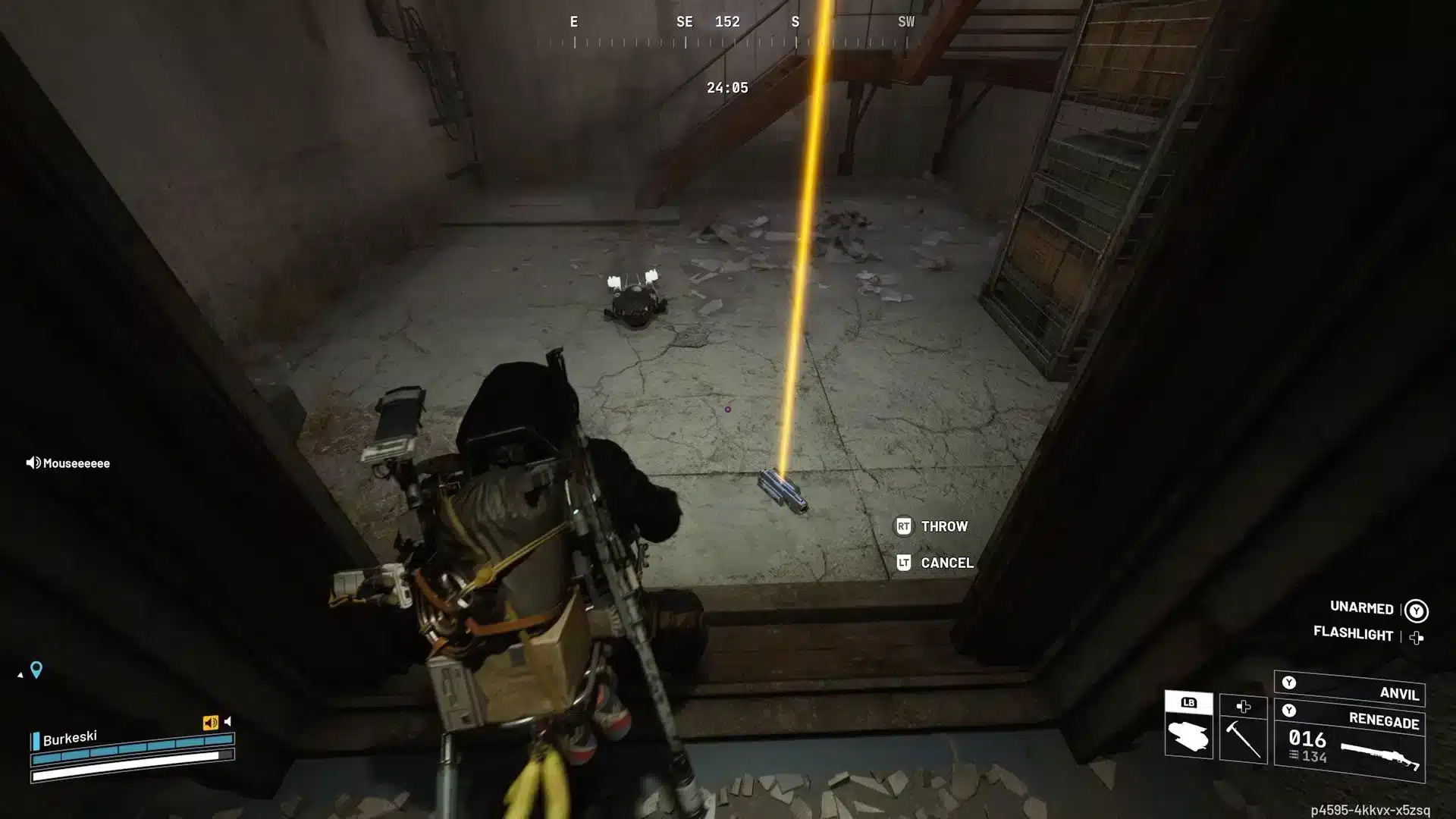

The arc raiders compensator vs muzzle brake debate is one of the most important weapon optimization decisions in Embark Studios’ PvPvE extraction shooter. In a game where recoil control, burst precision, and sustained tracking directly affect survival, choosing the right muzzle attachment can determine whether you win the fight-or lose your entire loadout.
When discussing arc raiders compensator vs muzzle brake, players are really asking one core question: which attachment gives the most consistent damage output in real combat scenarios? Because ARC Raiders blends PvE boss fights with high-pressure PvP ambushes, the answer depends heavily on playstyle, weapon type, and engagement range.
So what’s the difference between a compensator and a muzzle brake in ARC Raiders? In simple terms, a compensator reduces sustained vertical recoil during continuous fire, while a muzzle brake minimizes initial recoil kick and improves burst stability. That mechanical distinction becomes critical during boss weak-point windows and close-range PvP duels.
In this guide, we’ll break down recoil behavior, damage consistency, and PvPvE meta implications. Whether you’re tracking ARC machines across long sightlines or snapping onto rival Raiders during extraction pressure, understanding attachment mechanics gives you a measurable edge.
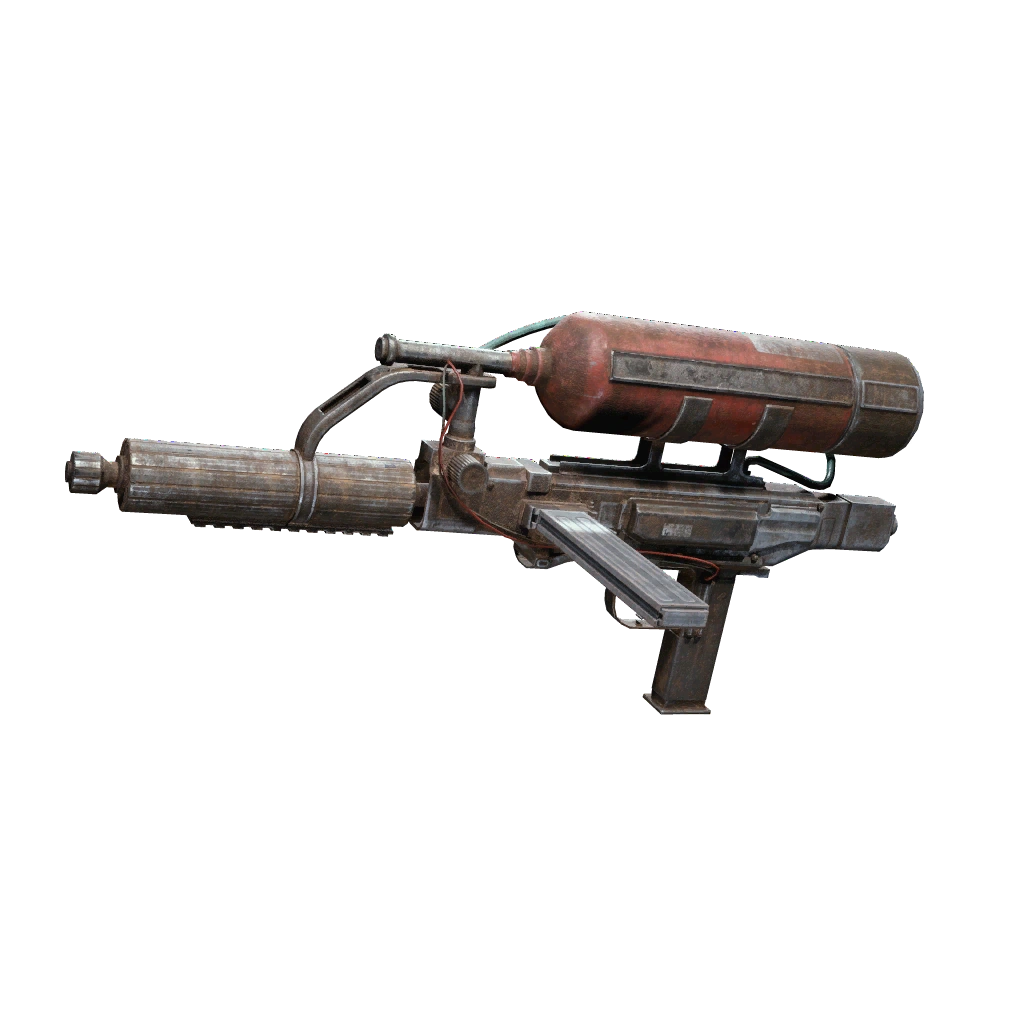
Arc Raiders Compensator vs Muzzle Brake: Core Mechanical Differences
Understanding arc raiders compensator vs muzzle brake starts with recoil behavior. ARC Raiders features physics-driven gunplay and projectile systems, meaning recoil patterns are not cosmetic-they directly impact shot placement.
What Does a Compensator Do in ARC Raiders?
A compensator is designed to stabilize sustained fire. It reduces vertical recoil climb during automatic spraying, making it easier to track targets over longer bursts.
In practical terms, a compensator helps you:
- Maintain control during extended spray
- Track moving ARC enemies
- Stay on target during weak-point exposure
- Control automatic rifles more effectively
This makes the compensator ideal for mid-range engagements and boss fights where armor must be broken through sustained damage.
When fighting large ARC machines, exposure windows can last several seconds. During those windows, recoil control becomes more important than first-shot precision. A compensator allows you to hold steady pressure without fighting upward weapon climb.
However, compensators primarily affect vertical recoil. Horizontal sway and first-shot kick are less impacted compared to a muzzle brake.
What Does a Muzzle Brake Do in ARC Raiders?
A muzzle brake reduces the intensity of initial recoil kick. It shines in burst-fire and tap-fire scenarios where first-shot accuracy determines success.
Players who prefer snap engagements benefit from:
- Improved first-shot stability
- Better burst grouping
- Reduced kick during rapid tap firing
- Stronger control in short engagements
In PvP encounters, where fights often end within seconds, first-shot advantage matters more than long spray consistency. A muzzle brake helps you land those opening shots cleanly.
That makes it particularly effective for aggressive Raiders who push angles, take flanks, or initiate fights at close to mid range.
Compensator vs Muzzle Brake ARC Raiders: Recoil Control Breakdown
When evaluating compensator vs muzzle brake arc raiders, recoil control must be analyzed in two dimensions: sustained tracking and burst precision.
Vertical Recoil vs Horizontal Stability
Vertical recoil affects long sprays. Horizontal movement affects precision.
In sustained engagements:
- Compensator = smoother vertical recoil control
- Muzzle brake = stronger initial kick reduction
- Compensator favors automatic builds
- Muzzle brake favors semi-auto or burst builds
If you are emptying a magazine into an ARC boss core, vertical stability matters more. If you are peeking corners against enemy players, burst control becomes more valuable.
DPS Impact in PvE and PvP
Attachment choice influences real DPS output-not through raw damage stats, but through hit consistency.
In PvE boss fights:
- Compensators improve long damage windows
- Tracking exposed weak points becomes easier
- Sustained armor break feels more controlled
In PvP ambush scenarios:
- Muzzle brakes enhance opening burst damage
- Faster recoil reset between shots
- Better snap-to-target control under pressure
Because ARC Raiders operates in a PvPvE environment, your attachment should reflect your role. Boss-focused damage dealers benefit from consistent spray control. PvP-focused flankers benefit from burst precision.
Arc Raiders Muzzle Brake vs Compensator in PvPvE Situations
Choosing between arc raiders muzzle brake vs compensator depends heavily on context.
Best for ARC Boss Fights
During boss fights, sustained damage output becomes the priority.
Large ARC machines expose weak points after armor break. These exposure windows reward consistent tracking rather than isolated bursts.
Compensator advantages in boss fights:
- Improved long spray stability
- Better core tracking during exposure
- Reduced recoil fatigue over extended engagements
However, if your build relies on precise burst damage during short exposure windows, a muzzle brake may still perform well.
Best for PvP Encounters
PvP fights in ARC Raiders are fast, chaotic, and often unexpected.
In these situations:
- Muzzle brake helps win first-shot trades
- Burst control improves corner peeks
- Reduced initial kick improves reaction fights
Aggressive players who push objectives or hunt squads typically benefit more from a muzzle brake.
Tactical overwatch players who anchor positions and maintain mid-range control may prefer the smoother tracking of a compensator.
Which Attachment Fits Your Playstyle?
Your attachment choice should reflect your role within the squad.
Aggressive Raiders
If you prefer fast pushes and high-tempo engagements, consider:
- Muzzle brake for snap precision
- Burst-focused weapon builds
- Mid-range duel dominance
- Flanking playstyles
You rely on speed and decisive engagements rather than prolonged spray control.
Tactical Control Players
If you hold angles and focus on sustained DPS:
- Compensator improves spray management
- Better for automatic rifles
- Stronger during boss damage cycles
- Ideal for anchor roles
Sustained control reduces mechanical strain and increases hit consistency across long engagements.
Ultimately, mastering arc raiders compensator vs muzzle brake is about aligning mechanics with role. The best attachment is the one that enhances your combat identity, not just your weapon stats.
Of course, attachment optimization only matters if your shots actually register. In high-intensity PvPvE scenarios, lag spikes or packet loss can ruin both burst precision and sustained tracking.
That’s where ExitLag becomes a competitive advantage. By using real-time route optimization and Multipath Connection technology, ExitLag stabilizes your connection and reduces packet loss.
Its Traffic Shaper prioritizes game data, ensuring smoother recoil tracking and more consistent hit registration during both boss fights and PvP ambushes.
When recoil control, attachment choice, and connection stability align, arc raiders compensator vs muzzle brake stops being a debate-and becomes a strategic decision tailored to your playstyle.
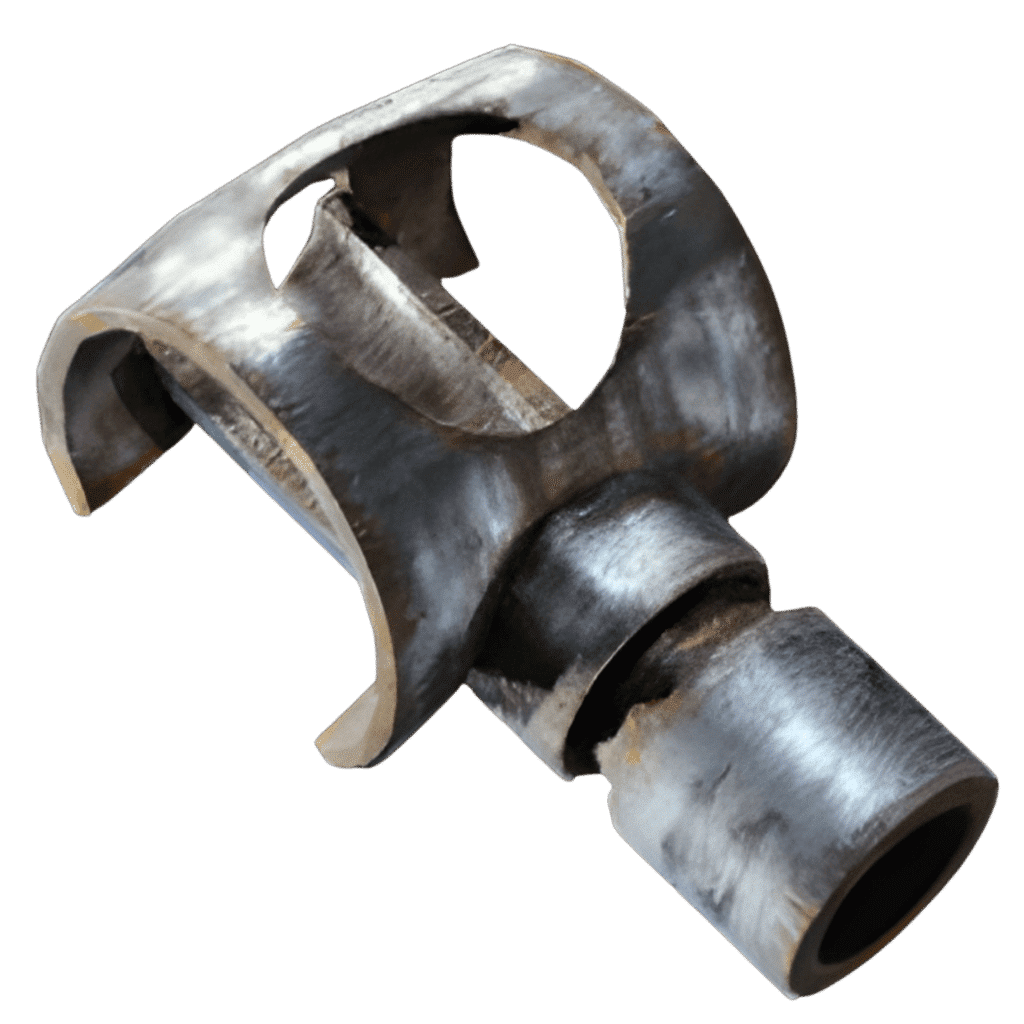
mpensator or Muzzle Brake Arc Raiders: Which Is Better for Your Weapon Type?
Deciding between compensator or muzzle brake arc raiders setups becomes much clearer when you analyze weapon class behavior. Not every gun benefits equally from recoil stabilization, and the base recoil pattern of your weapon should influence your final attachment choice.
Assault Rifles and Automatic Weapons
Automatic rifles are the most common primary weapons in ARC Raiders. These guns rely heavily on sustained spray control, especially during PvE encounters and boss weak-point windows.
When using automatic weapons:
- Compensators reduce vertical recoil climb over long sprays.
- Tracking moving ARC enemies becomes more stable.
- Armor-break phases feel more controllable.
- Spray transfers between multiple targets are smoother.
If your role involves sustained DPS against large ARC machines, a compensator usually provides more value. Over extended engagements, recoil consistency improves overall hit percentage, indirectly increasing effective DPS.
Semi-Automatic and Burst Weapons
Burst and semi-automatic weapons prioritize precision over sustained pressure. In these cases, first-shot recoil recovery is more important than long spray stabilization.
With these weapons:
- Muzzle brakes reduce initial kick.
- Follow-up burst accuracy improves.
- Corner-peek duels feel more stable.
- Reaction-based PvP fights become easier to control.
If your playstyle revolves around snapping onto targets quickly and disengaging just as fast, the muzzle brake often feels more responsive.
Arc Raiders Compensator or Muzzle Brake in Competitive PvPvE Meta
The arc raiders compensator or muzzle brake discussion becomes even more nuanced in competitive PvPvE scenarios where both PvE damage cycles and PvP ambushes occur in the same raid.
Extraction Pressure and Close-Range Fights
Extraction zones are high-risk areas. Fights here are fast and chaotic. Winning often depends on landing the first accurate burst.
In these situations:
- Muzzle brakes provide faster recoil reset.
- First-shot accuracy improves reaction trades.
- Close-quarters engagements favor burst stability.
Aggressive Raiders who hunt squads near extraction points typically gain more value from muzzle brakes.
Long Engagements and Open Terrain Control
In open terrain, sustained tracking matters more. When engaging ARC patrols or large mechanical units across mid-range sightlines, recoil management determines efficiency.
Compensator advantages include:
- Better vertical control during 20–30 round sprays.
- Improved boss weak-point tracking.
- Reduced mechanical fatigue during long fights.
Players anchoring positions or providing overwatch support benefit more from compensator setups.
Statistical Comparison: Control vs Burst Efficiency
To simplify the arc raiders compensator vs muzzle brake decision, here is a clear comparison of mechanical impact:
| Feature | Compensator | Muzzle Brake |
| Vertical Recoil Control | Strong during sustained spray | Moderate |
| First-Shot Kick Reduction | Low | High |
| Burst Fire Stability | Moderate | Strong |
| Long Spray Tracking | Excellent | Limited |
| PvP Duel Efficiency | Situational | High |
| Boss Weak-Point Tracking | Very Strong | Moderate |
| Ammo Efficiency | Higher over time | Slightly lower during bursts |
This breakdown shows that neither attachment is objectively superior. Each excels in specific scenarios.
Advanced Loadout Optimization: Attachment Synergy
Attachments do not function in isolation. Their performance depends on synergy with your perks, armor, and squad role.
Pairing Attachments with Perks and Mods
For compensator builds, consider pairing with:
- Recoil reduction perks
- Stability-enhancing weapon mods
- Ammo economy upgrades
- Sustained DPS builds
For muzzle brake builds, optimize with:
- Mobility-focused perks
- Burst damage amplifiers
- Fast reload modifiers
- Aggressive armor setups
Stacking recoil reduction on an already stable weapon may create diminishing returns. Instead, balance stability with mobility to maintain flexibility.
Squad Role Optimization
In coordinated squads, attachment diversity increases effectiveness.
- DPS anchor → Compensator
- Flanker → Muzzle brake
- Add-clear specialist → Compensator
- PvP hunter → Muzzle brake
Avoid stacking identical recoil roles across the entire team. A balanced squad adapts better to unpredictable PvPvE dynamics.
Common Mistakes Players Make When Choosing Attachments
Many players choose based on “feel” rather than combat role.
Common mistakes include:
- Using compensators in ultra-close PvP builds.
- Equipping muzzle brakes for long boss DPS cycles.
- Ignoring base weapon recoil patterns.
- Overcommitting to burst builds during sustained encounters.
Attachment optimization should reflect engagement distance, weapon archetype, and squad responsibility.
Performance Matters: Why Recoil Control Depends on Connection Stability
Even perfect recoil control fails if your connection is unstable. In PvPvE extraction shooters, milliseconds matter.
Packet loss can disrupt burst timing. Lag spikes can throw off sustained spray tracking. Desync during weak-point exposure windows wastes your highest damage opportunity.
ExitLag enhances your gameplay by optimizing routing paths in real time. Through Multipath Connection technology, it stabilizes packet delivery and reduces sudden ping spikes. Its Traffic Shaper prioritizes game data, ensuring smoother hit registration and more reliable recoil tracking.
Because ARC Raiders punishes mistakes severely, connection stability becomes as important as mechanical skill. When your shots register consistently, both compensator and muzzle brake builds perform at their intended potential.
Ultimately, mastering arc raiders compensator vs muzzle brake is not about picking a universally superior attachment. It’s about aligning your weapon mechanics, squad role, and connection stability with your preferred combat identity.
All game images used in this blog belong to Embark Studios. They are used for informational/educational purposes only and do not imply endorsement or affiliation with the rights holders.