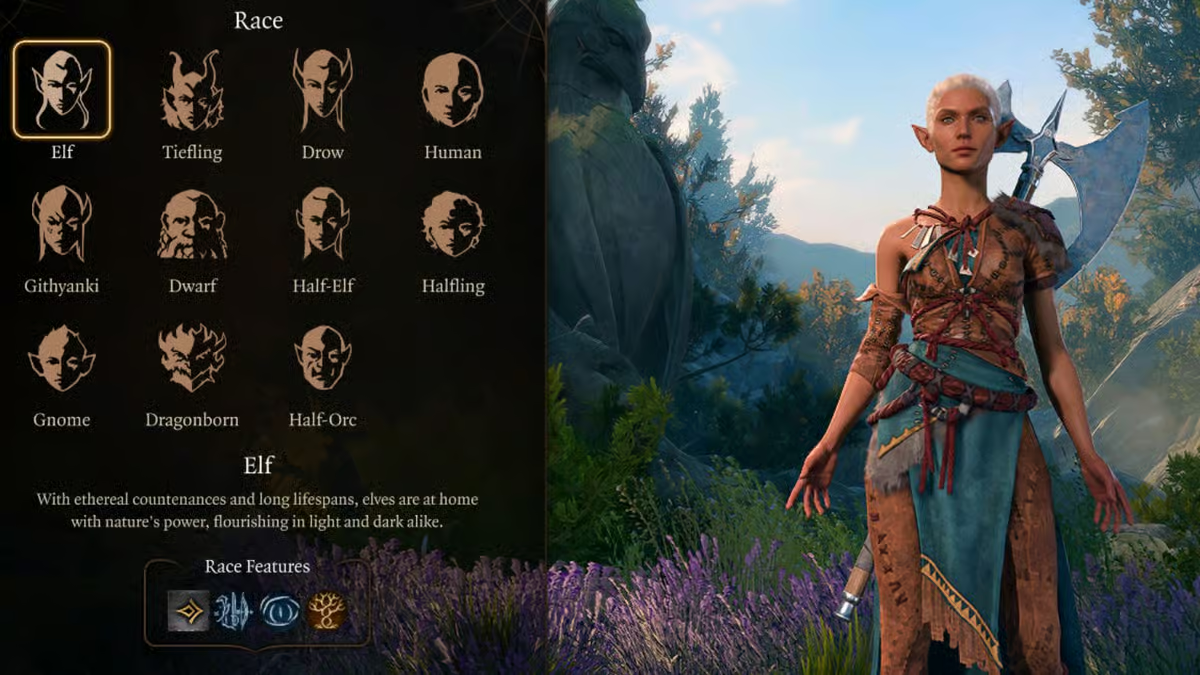
Choosing between the many baldur’s gate 3 races is one of the most important decisions you’ll make when starting your adventure in Faerûn. Your race affects far more than appearance-it directly influences combat efficiency, exploration options, dialogue choices, and overall survivability.
In Baldur’s Gate 3, races are deeply tied to the Dungeons & Dragons 5e ruleset, but with adaptations that make them feel impactful in both gameplay and narrative. Because of that, understanding how races work is essential before you lock in your character.
What are the races in Baldur’s Gate 3? They are playable fantasy species, each with unique racial traits, passive bonuses, resistances, proficiencies, and special abilities that shape how your character performs in combat, exploration, and story interactions.
Before worrying about classes or builds, it’s important to understand the foundation your race provides. The right choice can make the early game smoother and the late game far more rewarding.

What Are the Races in Baldur’s Gate 3?
The baldur’s gate 3 races system defines innate traits that stay with your character for the entire campaign. Unlike gear or spells, racial bonuses cannot be changed later, making this choice permanent.
How Races Work in Baldur’s Gate 3
Each race grants a combination of passive bonuses and special abilities. These can include Darkvision, movement speed bonuses, resistances to damage types, weapon proficiencies, or unique actions usable in combat.
Some racial traits are always active, while others are situational or limited-use abilities. Together, they shape how flexible, durable, or aggressive your character feels.
In addition, races unlock unique dialogue options throughout the game. These can alter quest outcomes, provide alternative solutions, or add depth to roleplay.
Races vs Classes: What Matters More?
Classes define what your character does, but races define how well they do it in certain situations. For example, mobility-focused races excel in exploration, while defensive races perform better on the frontline.
In optimized builds, race and class work together. A mismatch won’t ruin your run, but smart synergy can significantly improve performance-especially on higher difficulties.
All Baldur’s Gate 3 Races Explained
Below is an overview of the main races in Baldur’s Gate 3, each offering a distinct playstyle and thematic identity.
Core Playable Races
Human
Humans are flexible and beginner-friendly. They gain extra carrying capacity and weapon proficiencies, making them adaptable to almost any class without heavy optimization.
Elf
Elves are agile and perceptive, with Darkvision and immunity to magical sleep. Wood Elves excel at mobility, while High Elves lean toward magical utility.
Half-Elf
Combining human adaptability with elven traits, Half-Elves are among the most versatile races. They offer strong dialogue presence and balanced combat potential.
Dwarf
Dwarves are tough and resilient, often featuring poison resistance and increased durability. They shine as frontline fighters or sturdy support characters.
Halfling
Halflings are small but effective. Their luck-based abilities reduce critical failures, making them surprisingly consistent in skill checks and combat rolls.
Gnome
Gnomes specialize in mental defenses and utility. Their advantages against certain saving throws make them excellent casters or support-focused builds.
Tiefling
Tieflings bring fire resistance and innate spells. Their subraces offer different magical bonuses, making them popular for charisma and spell-based classes.
Half-Orc
Half-Orcs are brutal melee combatants. Their racial traits reward aggressive play and survivability when dealing or receiving heavy damage.
Dragonborn
Dragonborn stand out with elemental breath attacks and strong thematic presence. They’re ideal for players who enjoy flashy abilities and roleplay impact.
Githyanki
Githyanki are highly specialized, offering strong mobility and combat bonuses. They excel in aggressive, tactical playstyles and shine in martial builds.
Subraces and Their Impact
Many races feature subraces that significantly change their strengths. For example, Wood Elves gain extra movement speed, while High Elves receive additional cantrips.
Tiefling subraces determine which spells you unlock, affecting combat flow and utility. Choosing the right subrace can fine-tune your character without changing class.
Strengths and Weaknesses of Each Race
Understanding racial strengths helps you avoid common pitfalls when planning builds.
Mobility, Defense, and Utility
Some races excel at movement and positioning, which is crucial in Baldur’s Gate 3’s vertical combat design. Others focus on raw durability or resistances that reduce incoming damage.
Darkvision, jump distance, and carry weight all influence exploration. These bonuses often matter more than raw damage in long campaigns.
Roleplay and Dialogue Advantages
Race also affects how NPCs react to you. Certain races unlock exclusive dialogue options, intimidation checks, or alternative quest resolutions.
For players who value narrative depth, race choice can dramatically change how the story unfolds.
Baldur’s Gate 3 Best Race for Beginners
For new players, choosing the baldur’s gate 3 best race means prioritizing survivability and flexibility over niche bonuses.
Most Forgiving Races
- Human
- Half-Elf
- Dwarf
These races provide consistent value without requiring deep system knowledge.
Why These Races Are Easier
They offer straightforward bonuses, higher durability, and fewer situational mechanics. This allows beginners to focus on learning combat systems and exploration without punishment.
How Race Choice Affects Combat and Exploration
Race influences every aspect of gameplay, from positioning to problem-solving.
Combat Synergies
Some races naturally pair well with melee combat, while others shine as spellcasters or stealth specialists. On higher difficulties, racial resistances and mobility often determine success.
Exploration and Utility Skills
Jump distance, carry capacity, and environmental interaction matter constantly. Races with movement bonuses or utility skills explore maps faster and safer.
Is There a Best Race in Baldur’s Gate 3?
Many players search for the best race in Baldur’s Gate 3, but the truth is more nuanced. There is no universal answer.
Why “Best Race” Depends on Playstyle
Combat-focused players may value durability or damage, while roleplay-focused players prioritize dialogue and narrative impact.
General Meta Overview
Some races are more popular due to flexibility and power, but every race is viable. The best choice is the one that complements your preferred class and playstyle.
Playing Baldur’s Gate 3 Online Without Performance Issues
Baldur’s Gate 3 features online cooperative play, where connection stability is essential. Lag can disrupt turn order, delay actions, and desynchronize combat decisions.
ExitLag improves network stability by optimizing routing and reducing ping spikes. For co-op campaigns, this ensures smooth turns, responsive actions, and uninterrupted gameplay-letting your race and build shine without technical setbacks.
Best Race in Baldur’s Gate 3 for Each Playstyle
When players look for the best race in Baldur’s Gate 3, they are usually trying to optimize their experience for a specific playstyle. Unlike many RPGs, Baldur’s Gate 3 does not lock power behind a single dominant choice. Instead, each race excels in different scenarios.
Understanding how racial traits interact with combat roles, exploration, and party composition is the key to making a strong choice.
Best Races for Melee and Frontline Builds
Durable and High-Damage Frontliners
Melee-focused characters benefit the most from races that improve survivability, mobility, and burst damage.
Half-Orc is one of the strongest choices for frontline builds. Its racial traits reward aggressive play, allowing melee characters to stay alive longer and deal devastating damage when it matters most.
Dwarf races shine in prolonged fights. Their natural toughness and resistances make them ideal tanks and frontline clerics who need to absorb punishment while protecting the party.
Githyanki combine mobility with combat proficiencies. Their ability to reposition quickly makes them extremely effective Fighters and Paladins, especially in vertical combat encounters.
Why These Races Dominate Melee Combat
Frontline combat in Baldur’s Gate 3 often depends on positioning and endurance. Races that reduce incoming damage or improve movement naturally outperform others in difficult encounters.
Best Races for Magic and Spellcasters
Spellcasting Efficiency and Survivability
Casters benefit from races that enhance mental defenses, grant extra spells, or provide resistances that compensate for low armor.
High Elf is an excellent option for Wizards and Sorcerers due to its extra cantrip, which increases versatility early in the game.
Gnome races provide strong advantages against mental saving throws. This makes them particularly effective against enemy spellcasters and mind-control effects.
Tiefling races are extremely popular among spellcasters thanks to their innate spells and fire resistance, which improve both offense and defense.
Why Racial Utility Matters for Casters
Spellcasters rely heavily on action economy and positioning. Racial bonuses that provide free spells or defensive layers can determine whether a caster survives long enough to control the battlefield.
Baldur’s Gate 3 Best Race for Each Class
Martial Classes
Classes like Fighter, Barbarian, Paladin, and Ranger scale well with races that improve physical combat or movement.
Half-Orcs excel as Barbarians, while Githyanki Fighters dominate aggressive melee builds. Rangers benefit from races with mobility and perception bonuses.
Caster and Hybrid Classes
Bards and Sorcerers often perform best with races that enhance charisma or provide extra spells. Wizards prefer races that boost utility and survivability, while Clerics benefit from defensive racial traits.
Choosing the right race does not replace good build planning, but it amplifies class strengths significantly.
Races in Baldur’s Gate 3 and Multiplayer Co-op
Best Races for Party Synergy
In cooperative play, racial diversity matters more than individual optimization. Parties benefit from mixing mobility, durability, and utility.
Races that provide passive bonuses-such as resistances or movement boosts-add value without requiring constant attention, making them ideal for multiplayer environments.
Common Multiplayer Mistakes
One of the most common mistakes in co-op is stacking similar racial traits. While it may look powerful on paper, it often leaves the party weak in exploration or social encounters.
Balanced race selection leads to smoother progression and fewer bottlenecks.
Baldur’s Gate 3 Best Race for Honour Mode and High Difficulty
Survivability Over Raw Damage
In Honour Mode, consistency matters more than peak damage. Races with defensive traits and saving throw advantages outperform glass-cannon options.
Dwarves, Gnomes, and Half-Orcs are frequently chosen for high-difficulty runs due to their reliability in long encounters.
Races to Avoid on High Difficulty
Races that rely heavily on situational bonuses or luck-based mechanics can struggle when mistakes are heavily punished. While still viable, they require more precise play.
Best Baldur’s Gate 3 Races by Class
| Class | Best Race | Why It Works |
| Fighter | Githyanki | Mobility and weapon proficiencies |
| Barbarian | Half-Orc | High burst damage and survivability |
| Wizard | High Elf | Extra cantrip and utility |
| Sorcerer | Tiefling | Spell synergy and fire resistance |
| Rogue | Halfling | Consistency and reduced critical failures |
| Cleric | Dwarf | Durability and frontline presence |
| Bard | Half-Elf | Versatility and dialogue advantages |
| Paladin | Dragonborn | Strong presence and thematic synergy |
Is There Really a Best Race in Baldur’s Gate 3?
The baldur’s gate 3 races system is designed around choice, not restriction. While some races are statistically stronger in specific roles, none are mandatory.
Meta Choices vs Personal Preference
Optimized builds can make encounters easier, but Baldur’s Gate 3 heavily rewards creativity and roleplay. Many less popular races offer unique dialogue paths and story interactions that enrich the experience.
Final Recommendation
For new players, flexible races like Human, Half-Elf, and Dwarf offer the smoothest introduction. Veteran players should experiment with specialized races to fully explore the game’s depth.
Playing Baldur’s Gate 3 Co-op Without Lag
Online co-op adds another layer of complexity. Network instability can delay turns, desynchronize actions, and disrupt combat flow.
ExitLag improves connection stability by optimizing routing and reducing packet loss. For long co-op campaigns, this ensures smoother turns, faster responses, and uninterrupted gameplay-allowing your chosen race and build to perform at their best.
Mandatory Disclaimer
All game images used in this blog belong to Larian Studios. They are used for informational/educational purposes only and do not imply endorsement or affiliation with the rights holders.
Got questions or want to connect with other players? Join the conversation at the ExitLag Forum!