

Season 5 introduced new maps and a major round of Battlefield 6 vehicle balance changes. Update 2.1.1.0, released on October 13, 2026, adjusted combat between aircraft, armored vehicles, and anti-air systems.
Alongside Vegas Strip and Area 51, the patch brought changes that directly affect helicopter pilots and players fighting vehicles from the ground. According to EA, the goal is to make these encounters more balanced and create more opportunities for counterplay.
In practice, the Battlefield 6 vehicle balance changes strengthened mobile anti-air systems, reduced the effectiveness of recon helicopter rockets, and made health regeneration more restrictive for tanks and IFVs.
The update also adjusted .50-caliber machine guns, armor damage angles, and anti-vehicle mines. Here's a breakdown of the buffs, nerfs, and how to adapt to the new vehicle meta.
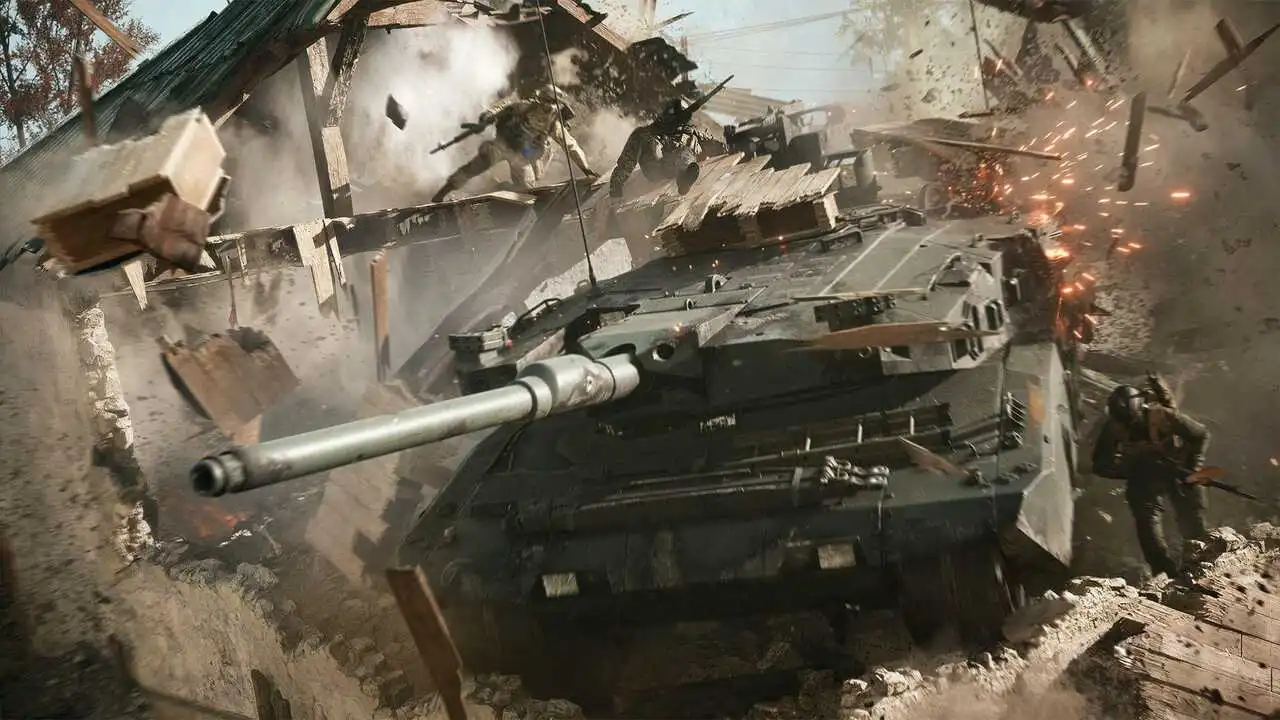 The table below summarizes the main vehicle buffs and nerfs. The patch primarily focuses on air-to-ground combat and the tools available to both sides.
According to EA, anti-air cannons struggled to punish aircraft making fast passes at medium and long range. Meanwhile, light helicopter rockets were too effective against infantry.
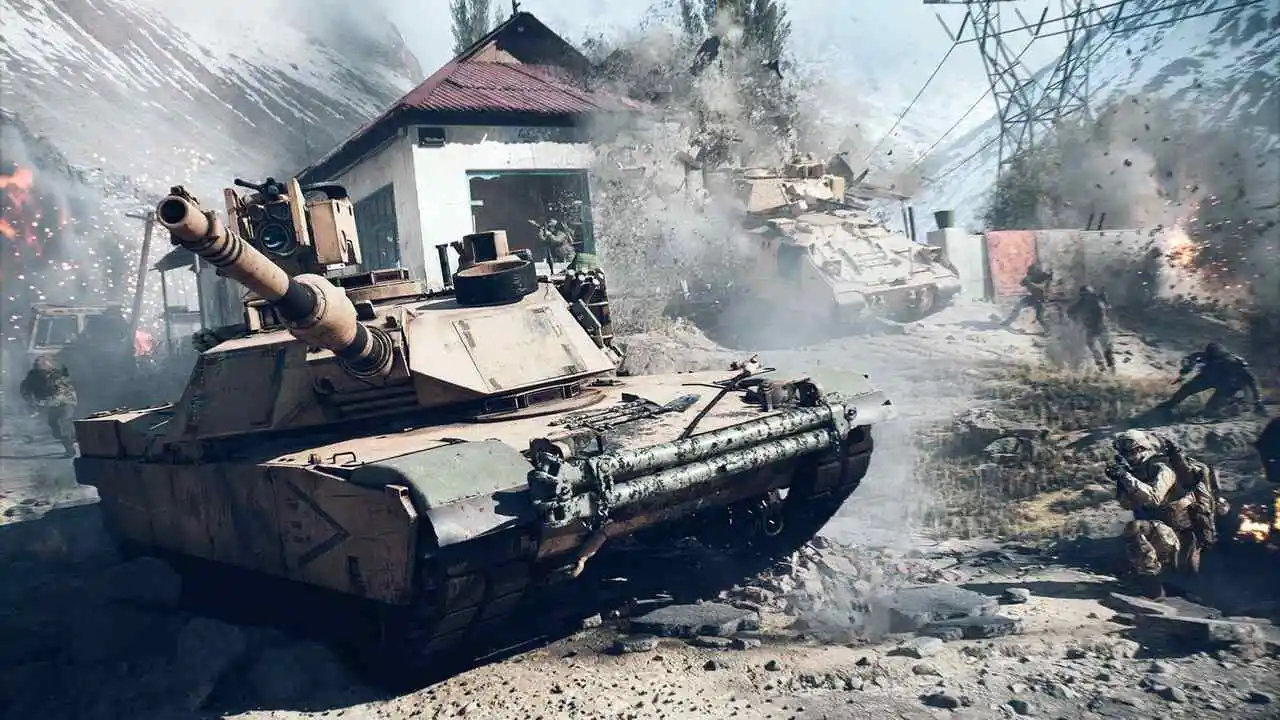 Among the Battlefield 6 ground vehicle changes, passive regeneration became less effective for main battle tanks (MBTs) and infantry fighting vehicles (IFVs).
Recovering from critical condition to full health now takes 8 seconds for both vehicle classes. Previously, the process took 6.66 seconds for MBTs and 7 seconds for IFVs.
There's another important restriction: firing an MBT or IFV weapon resets the 12-second delay before passive regeneration begins. This rule is not limited to the main cannon. Continuing to fire while damaged can delay recovery.
Armor damage angles were also adjusted. Rear hits between 86 and 94 degrees now deal 2.5x damage, while impacts on the turret or hull at angles greater than 50 degrees count as side damage.
For tank crews, positioning and knowing when to disengage have become more important. Players fighting armored vehicles now have a stronger incentive to flank instead of committing to head-on engagements.
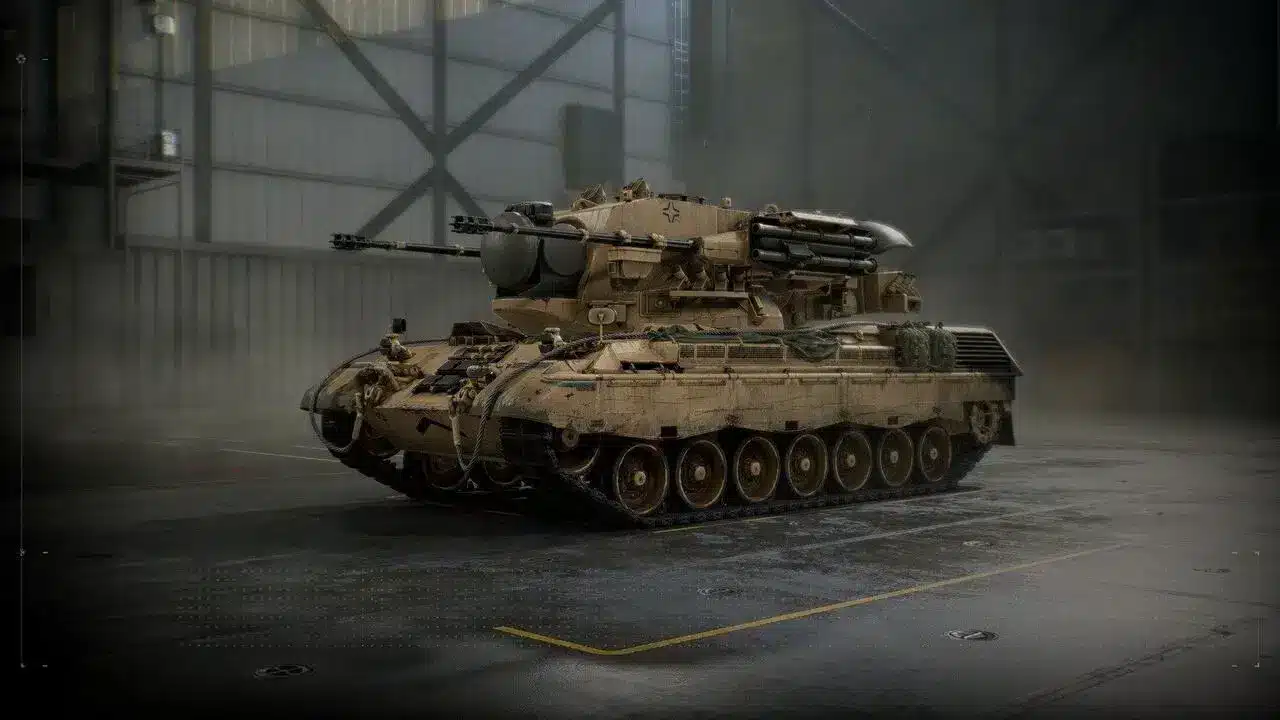 Mobile anti-air received some of the most significant adjustments in the Battlefield 6 vehicle balance changes for Season 5.
Base turret rotation speed increased by 50%, first-person zoom was improved, and projectile drag was reduced. EA also adjusted the maximum range of the ammunition types to approximately 800 meters.
A closer look at the three ammunition types shows why the overall result is a buff, but not an improvement across every stat.
Multipurpose and Anti-Armor ammunition both lost damage per hit against helicopters. Anti-Armor damage against armored vehicles also dropped from 12 to 10.
On the other hand, projectiles became significantly faster, while both ammunition types received reduced spread.
Anti-Armor ammunition also doubled its fire rate from 240 to 480 rounds per minute. Reload time was cut from 2.4 to 1.2 seconds, although magazine capacity dropped from 8 to 4 rounds.
High-Velocity ammunition now requires more attention to heat management. Heat generated per shot increased from 3.6% to 13%. While the changes favor anti-air combat, holding down the trigger without managing heat can make the weapon harder to use effectively.
What Changed for Vehicles in BF6?
The table below summarizes the main vehicle buffs and nerfs. The patch primarily focuses on air-to-ground combat and the tools available to both sides.
According to EA, anti-air cannons struggled to punish aircraft making fast passes at medium and long range. Meanwhile, light helicopter rockets were too effective against infantry.
| Vehicle or system | Type of change | Main adjustment |
| Mobile Anti-Air | Buff with trade-offs | 50% faster turret rotation, faster projectiles, and revised damage |
| Recon Helicopter | Nerf | FFAR rockets deal 30% less splash damage and take longer to reload |
| MBTs and IFVs | Minor nerf | Slower regeneration and a delay that resets when firing |
| RWS .50 Cal | Mixed adjustment | Higher fire rate, range, and penetration, but increased maximum spread |
| Stationary GDF-009 | Mixed adjustment | Higher rate of fire but lower damage per shot against aircraft |
| Mines and Laser Designator | Specific adjustments | Changes to transport vehicle detection and target marking |
Aircraft Changes: Recon Helicopter Nerfs
The most noticeable aircraft nerf in BF6 Season 5 targets the recon helicopter's 70mm FFAR rockets. Their splash damage was reduced by 30%, making it harder to eliminate infantry with a single rocket at common engagement ranges. Rocket pod reload time also increased from 28 to 38 seconds. Pilots now need to be more selective with their targets, since emptying an entire pod during one attack run means waiting longer before the next. FFAR rockets also became less effective against other helicopters. The number of hits required to destroy each helicopter class has increased:- Recon Helicopter: 7 hits, up from 4.
- Attack Helicopter: 9 hits, up from 5.
- Transport Helicopter: 15 hits, up from 11.
Ground Vehicle Changes: Tanks and IFVs Regenerate More Slowly
Among the Battlefield 6 ground vehicle changes, passive regeneration became less effective for main battle tanks (MBTs) and infantry fighting vehicles (IFVs).
Recovering from critical condition to full health now takes 8 seconds for both vehicle classes. Previously, the process took 6.66 seconds for MBTs and 7 seconds for IFVs.
There's another important restriction: firing an MBT or IFV weapon resets the 12-second delay before passive regeneration begins. This rule is not limited to the main cannon. Continuing to fire while damaged can delay recovery.
Armor damage angles were also adjusted. Rear hits between 86 and 94 degrees now deal 2.5x damage, while impacts on the turret or hull at angles greater than 50 degrees count as side damage.
For tank crews, positioning and knowing when to disengage have become more important. Players fighting armored vehicles now have a stronger incentive to flank instead of committing to head-on engagements.
.50-Caliber Machine Guns: RWS Gets More Firepower but Increased Spread
The RWS .50 Cal received a fire rate increase from 400 to 450 rounds per minute. Projectile lifetime rose from 1.5 to 4 seconds, alongside reduced drag and increased penetration damage. However, the package wasn't entirely made up of buffs. Both the RWS .50 Cal and Coaxial .50 Cal had their maximum spread increased from 0.4 to 0.5. The additional spread offsets some of the RWS's offensive improvements, particularly when players need sustained accuracy.Mobile Anti-Air Gets the Biggest Vehicle Balance Changes
Mobile anti-air received some of the most significant adjustments in the Battlefield 6 vehicle balance changes for Season 5.
Base turret rotation speed increased by 50%, first-person zoom was improved, and projectile drag was reduced. EA also adjusted the maximum range of the ammunition types to approximately 800 meters.
A closer look at the three ammunition types shows why the overall result is a buff, but not an improvement across every stat.
| Ammunition | Damage vs. jets | Damage vs. helicopters | Projectile speed |
| 35mm High-Velocity | 32.5 → 62.5 | 26 → 45 | 1,175 → 1,250 m/s |
| Multipurpose | 65 → 85 | 65 → 61.2 | 850 → 1,175 m/s |
| Anti-Armor | 100 → 125 | 100 → 90 | 560 → 900 m/s |
GDF-009: More Shots, Less Damage per Hit
The stationary GDF-009 anti-air cannon also received a mixed adjustment. Its rate of fire increased from 720 to 1,100 rounds per minute, but damage per shot against helicopters dropped from 110 to 61.2. Damage against jets decreased from 110 to 85. The update favors a higher volume of fire, but players still need to maintain accurate tracking. These adjustments do not automatically mean the weapon can destroy aircraft faster in every situation.Anti-Vehicle Mines and Laser Designator: What Changed?
Anti-vehicle equipment was also included in the Battlefield 6 vehicle balance changes. The M15 mine now detonates against transport vehicles only when their wheels make direct contact. Against armored vehicles, its activation rules based on proximity and speed remain in place. The PTKM-1R acoustic mine now targets ground transport vehicles with a small amount of spread. This gives drivers a better chance to evade the projectile after the mine activates. It also no longer activates against neutral vehicles. Another adjustment affects the LTLM II laser designator. Its target marking duration was reduced from 9 to 2 seconds, requiring more consistent tracking during engagements.How to Play After the Season 5 Vehicle Buffs and Nerfs
The patch notes suggest several tactical adjustments, although no single strategy will work perfectly on every map. To make better use of the updated vehicle stats, consider these four approaches:- Mobile Anti-Air: Use 35mm High-Velocity ammunition to pressure aircraft while managing weapon heat. Anti-Armor ammunition requires more careful magazine management.
- Tanks and IFVs: Avoid firing continuously when recovering health is your priority. Remember that using your weapons resets the 12-second regeneration delay.
- Against armored vehicles: Look for flanking opportunities and shots against the rear armor, where the damage multiplier can make a major difference.
- Recon Helicopter: Plan your attack runs more carefully. With a 38-second rocket reload, wasting ammunition is now more punishing.