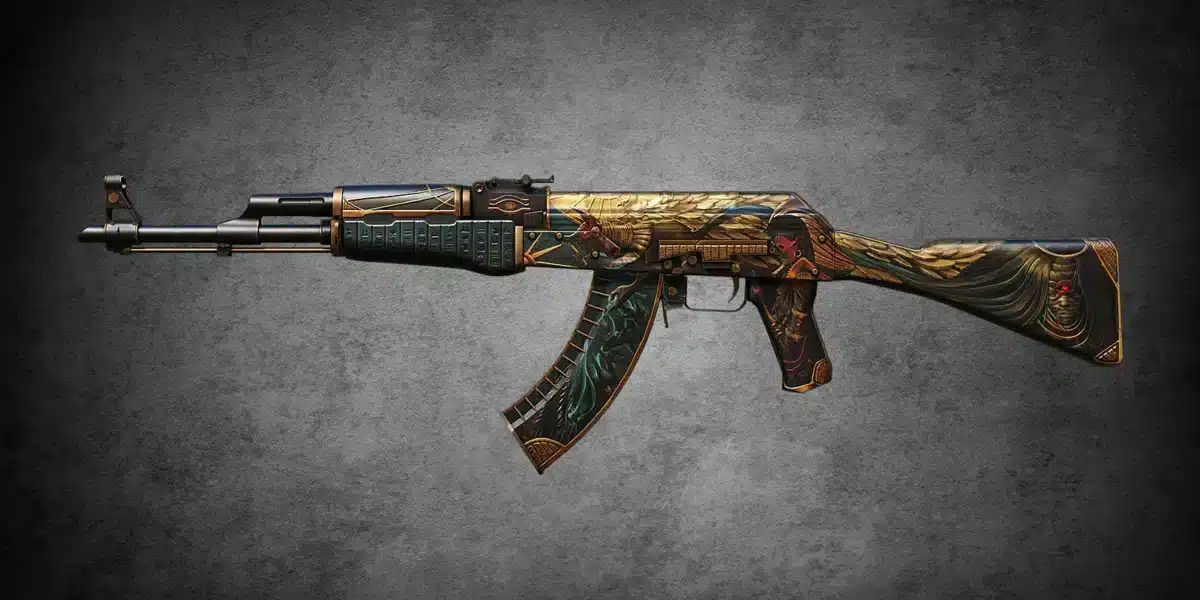
CSGO Knives remain some of the most recognizable cosmetic items in Counter-Strike history. Even after Counter-Strike 2 replaced CS:GO as the main live game, players still use the term CSGO Knives to describe rare knife skins, classic finishes, old case drops, and collectible melee cosmetics carried into the modern CS2 ecosystem.
Prices and availability can differ significantly across models, finishes, and wear levels. This guide to the CSGO marketplace explains how the broader skin economy works and what players should evaluate before buying or selling an item.
CSGO Knives are valuable because they combine rarity, visual identity, animation style, and market demand. They do not increase damage, movement speed, hit registration, or competitive power. However, they do change how your loadout looks and how your inventory feels, which is why they remain one of the strongest status symbols in Counter-Strike.
CSGO Knives also sit at the center of a complex skin economy. A knife’s value can change based on the model, finish, float, pattern, phase, StatTrak availability, case source, supply, demand, and broader market updates. That is why a cheap-looking knife can sometimes be rare, while a visually impressive knife may still be less expensive than expected.
Players searching for CSGO skins, CSGOstash, CS skins, and CS2 skins usually want the same thing: a clear explanation of what makes knives special, how to compare them, and how to avoid mistakes when buying, selling, trading, or simply collecting. This guide breaks down rarity, value, knife types, safe trading habits, and how ExitLag can support smoother Counter-Strike gameplay.
What are CSGO Knives?
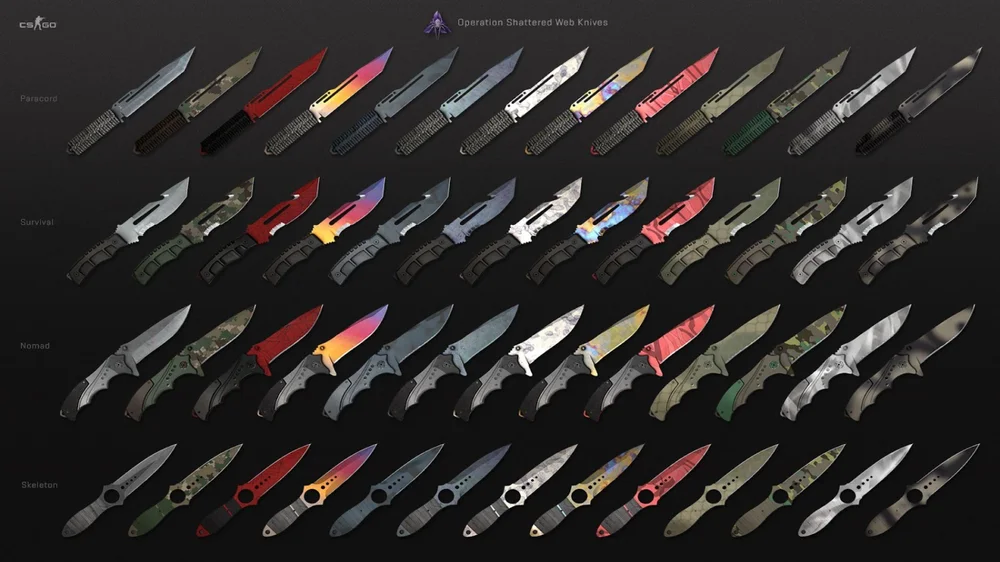
CSGO Knives are cosmetic melee weapon skins that replace the default knife appearance in Counter-Strike. They are part of the broader skin system that made CS:GO famous and continues inside Counter-Strike 2. These knives are visual items only, but they have become some of the most desirable collectibles in the entire FPS genre.
A knife can change the blade model, animation, color, finish, wear level, and overall style of your loadout. Because players see the knife frequently while moving around the map, inspecting weapons, and switching equipment, it has a stronger identity than many other skins.
Why knives became iconic in Counter-Strike
Knives became iconic because they are rare, visible, and highly personal. Rifle skins are important, but players often switch between several weapons during a match. A knife, on the other hand, stays with your loadout and appears constantly during movement.
This created a culture around knife ownership. Some players want a knife that matches their gloves. Others want a specific color theme. Some collectors chase rare patterns, while competitive players may prefer cleaner models with smoother animations.
Common reasons players want CSGO Knives include:
- Visual prestige in matches.
- Unique inspect and draw animations.
- Matching loadout themes.
- Long-term collection goals.
- Market demand and trade value.
- Nostalgia from the CS:GO era.
- Personal expression inside CS2.
The appeal is emotional as much as visual. A knife feels like a signature item, especially when it fits your favorite agent, gloves, rifle skins, and overall inventory theme.
Are CSGO Knives still relevant in CS2?
Yes. The term CSGO Knives is still widely used because many players, guides, traders, and marketplaces use “CSGO” as shorthand for Counter-Strike skins in general. However, the active game is now Counter-Strike 2, and most current gameplay, item inspection, trading discussion, and market activity happen in the CS2 environment.
This is why you will often see mixed terms such as CSGO skins, CS skins, and CS2 skins on the same website or marketplace. They usually refer to the same broader item economy, but the game context has shifted.
For practical purposes:
| Term | What players usually mean |
| CSGO Knives | Legacy term for Counter-Strike knife skins |
| CSGO skins | Older/common name for Counter-Strike cosmetic items |
| CS skins | Broad term for all Counter-Strike skins |
| CS2 skins | Current term for skins in Counter-Strike 2 |
| CSGOstash | Skin database used to compare items, prices, cases, and finishes |
So, if you are browsing CSGOstash or another skin database, you may see both CS:GO and CS2 terminology. That is normal because the economy carried forward while the active game changed.
Understanding the transition between the two games also helps explain why older cosmetic terminology remains common. This complete Counter-Strike 2 guide covers the current game and its main systems for players returning from the CS era.
How rare are CSGO Knives?
CSGO Knives are rare because they belong to the highest cosmetic category in the Counter-Strike skin system. Historically, knives were associated with rare case outcomes, making them far harder to obtain than normal weapon skins. This scarcity created the foundation for their high market value.
However, rarity is not one simple number. A knife can be rare because of its model, finish, float, pattern, case source, or specific visual combination. Some knives are common compared with other knives but still expensive compared with ordinary weapon skins.
Rarity tiers and special items
Counter-Strike skins use rarity tiers, including lower-grade weapon finishes and higher-grade items such as Covert skins. Knives and gloves are often treated as “special” or gold-tier items because they sit above normal weapon skin categories in desirability and visibility.
The usual skin rarity ladder includes:
- Consumer Grade.
- Industrial Grade.
- Mil-Spec.
- Restricted.
- Classified.
- Covert.
- Special items, including knives and gloves.
For collectors, the special category matters because it creates a strong psychological divide. A Covert rifle can be expensive, but a knife is usually perceived as a bigger inventory milestone.
This is why CSGO skins, CS skins, and CS2 skins discussions often separate knives from ordinary weapon skins. They function differently in the market and carry different prestige.
Case drops, trade-ups, and market supply
Historically, players obtained knives mainly by opening cases or buying/trading for them through the market. In CS2, trade-up changes introduced another way for players to obtain knives or gloves from Covert-quality inputs, depending on the system rules and item pool.
This matters because supply affects value. When a knife becomes easier to obtain, its price can fall. When a case becomes older, rarer, or less opened, the knives linked to that case can become more desirable.
A knife’s rarity can be affected by:
- How many cases contain that knife model.
- How often those cases are opened.
- Whether the finish is popular.
- Whether the pattern is rare.
- Whether the float is unusually low.
- Whether trade-up systems increase supply.
- Whether the broader market is rising or falling.
That is why checking CSGOstash, Steam Market listings, and other trusted price trackers is important before buying. The value of CSGO Knives changes over time, and old rankings can become inaccurate quickly.
What are the most popular CSGO knife types?
The most popular CSGO Knives usually combine strong animations, clean silhouettes, and long-standing community demand. Some knife models are expensive because they are rare. Others are expensive because players simply love how they look and feel in-game.
The “best” knife is subjective. A Butterfly Knife may be popular because of its animations, while a Karambit may be loved for its curved blade and inspect style. Meanwhile, a cheaper knife can still be perfect for a player building a specific color-themed loadout.
Top knife models players look for
Here are some of the most recognizable knife types:
| Knife model | Why players like it | General popularity |
| Karambit | Curved blade, iconic inspect style | Extremely high |
| Butterfly Knife | Flashy animations and high demand | Extremely high |
| M9 Bayonet | Large blade and classic military look | Very high |
| Bayonet | Clean, simple, traditional design | High |
| Skeleton Knife | Modern shape and stylish animations | High |
| Talon Knife | Karambit-like style with different feel | High |
| Stiletto Knife | Fast, elegant animation style | Medium-high |
| Flip Knife | Compact and classic | Medium |
| Huntsman Knife | Tactical look and strong blade shape | Medium |
| Falchion Knife | Unique inspect animation | Medium |
| Bowie Knife | Large blade and bold presence | Medium |
| Gut Knife | Often more affordable entry option | Low-medium |
| Navaja Knife | Compact and usually lower priced | Low-medium |
| Shadow Daggers | Dual-wield design, divisive style | Medium |
Popularity does not always equal value, but it strongly influences demand. Karambit and Butterfly models tend to stay highly desired because their animations are part of Counter-Strike culture.
Best finishes and visual styles
A knife’s finish can matter as much as the model. Some finishes are clean and colorful. Others are rare because of specific patterns. Some look better in Factory New, while others can still look good with more wear.
Popular finishes include:
- Doppler.
- Fade.
- Marble Fade.
- Tiger Tooth.
- Crimson Web.
- Slaughter.
- Case Hardened.
- Lore.
- Gamma Doppler.
- Autotronic.
- Damascus Steel.
- Black Laminate.
- Blue Steel.
- Night.
- Vanilla.
A Karambit Doppler and a Gut Knife Doppler may share a finish name, but demand can be very different because the model changes the total appeal. Likewise, a Case Hardened knife can vary dramatically depending on the amount and location of blue in the pattern.
When comparing CSGO skins, CSGOstash, CS skins, and CS2 skins, never look only at the finish name. Look at the model, float, pattern, wear, supply, and real market listings too.
Knife prestige also developed alongside Counter-Strike’s highly visible competitive culture. This overview of the Counter-Strike esports phenomenon explores how professional play and the wider community helped turn the game’s weapons and cosmetics into recognizable cultural symbols.
What makes CSGO Knives valuable?
CSGO Knives are valuable because the market combines scarcity, aesthetics, reputation, and player demand. A knife does not need to be the rarest item in the game to be expensive. It needs buyers who want that exact combination of model, finish, wear, and pattern.
This is why two knives with the same name can have different prices. A better float, rare pattern, cleaner corner, or more desirable phase can change value dramatically. Serious collectors often inspect individual items before buying instead of relying only on the item name.
Float, wear, and condition
Float is a numerical value that determines the wear condition of a skin. Lower float generally means a cleaner-looking item, while higher float means more visible wear. Wear categories usually include Factory New, Minimal Wear, Field-Tested, Well-Worn, and Battle-Scarred.
The most common wear categories are:
| Wear category | Typical appeal |
| Factory New | Cleanest look, usually highest value |
| Minimal Wear | Slight wear, often strong value balance |
| Field-Tested | More affordable, still visually solid on many finishes |
| Well-Worn | More visible damage, lower price on many skins |
| Battle-Scarred | Heavily worn, sometimes desirable for specific looks |
However, float is not always simple. Some Battle-Scarred finishes have a unique style. Some Minimal Wear knives look nearly Factory New. Some finishes hide wear better than others.
For CSGO Knives, always inspect the actual item when possible. The same float value can appear differently depending on the knife and finish.
Pattern, phase, and collector demand
Patterns can be even more important than wear for certain knives. Case Hardened, Doppler, Gamma Doppler, Fade, Crimson Web, and other finishes may have variations that collectors value differently.
Examples of value-changing details include:
- Blue Gem patterns on Case Hardened knives.
- Sapphire, Ruby, Black Pearl, or Emerald phases.
- Strong fade percentage on Fade knives.
- Clean web placement on Crimson Web.
- Centered or rare pattern templates.
- Low float combined with rare finish.
- Desirable corner condition on Karambits.
A basic market listing may not explain these details. That is why experienced buyers use databases, inspect links, screenshots, pattern checkers, and comparison tools.
This is also where CSGOstash can be useful as a starting point. It helps players browse item families, finishes, cases, and general market ranges. However, final value should still be checked against current listings and item-specific details.
How can you buy, sell, or compare CSGO Knives safely?
Buying CSGO Knives requires caution because expensive skins attract scams. The higher the value, the more careful you need to be. Do not rush trades, do not click suspicious links, and do not trust random users who pressure you to act quickly.
The safest mindset is simple: treat every high-value trade as a security-sensitive action. A knife may be cosmetic, but it can still represent significant money. Protect your account before you protect your deal.
Safe buying and trading checklist
Before buying or trading a knife, follow this checklist:
- Use trusted platforms with clear reputation systems.
- Check the exact float and pattern.
- Compare current listings, not outdated price screenshots.
- Confirm whether the item is tradable or marketable.
- Avoid deals that require logging into unknown websites.
- Never share Steam Guard codes.
- Watch for impersonators using copied profiles.
- Confirm the trade contents before accepting.
- Do not trust “middlemen” unless the platform officially provides one.
- Be suspicious of urgent offers that seem too good to be true.
The Steam Market is often the simplest route for many users, but prices may differ from external marketplaces. External sites can offer different liquidity, fees, or price levels, but they also require more caution.
If you are new to CSGO skins, CS skins, or CS2 skins, start small. Learn how floats, listings, and trade holds work before dealing with expensive CSGO Knives.
How to use CSGOstash and other databases
CSGOstash is useful because it lets you browse skin families, case sources, knife models, finishes, prices, and market availability. It is not the only tool, but it is one of the most familiar names in Counter-Strike skin research.
Use a database to check:
- Which cases contain the knife.
- Which finishes exist for the model.
- Whether StatTrak is available.
- General price ranges.
- Wear categories.
- Related marketplace listings.
- Similar skins and alternatives.
Still, a database is only a starting point. Before buying, compare live listings and inspect the specific item. Pattern-based knives especially need item-level review.
A smart buyer uses multiple signals: CSGOstash, Steam listings, recent sales, community discussion, float tools, and personal visual preference. The goal is not just to find the most expensive knife. The goal is to avoid overpaying for something you do not actually like.
Market values can react to updates that change item supply, acquisition methods, or the appearance of skins in-game. The official Counter-Strike website is a useful source for checking game announcements before making decisions based on outdated economy information.
Are CSGO Knives a good investment?
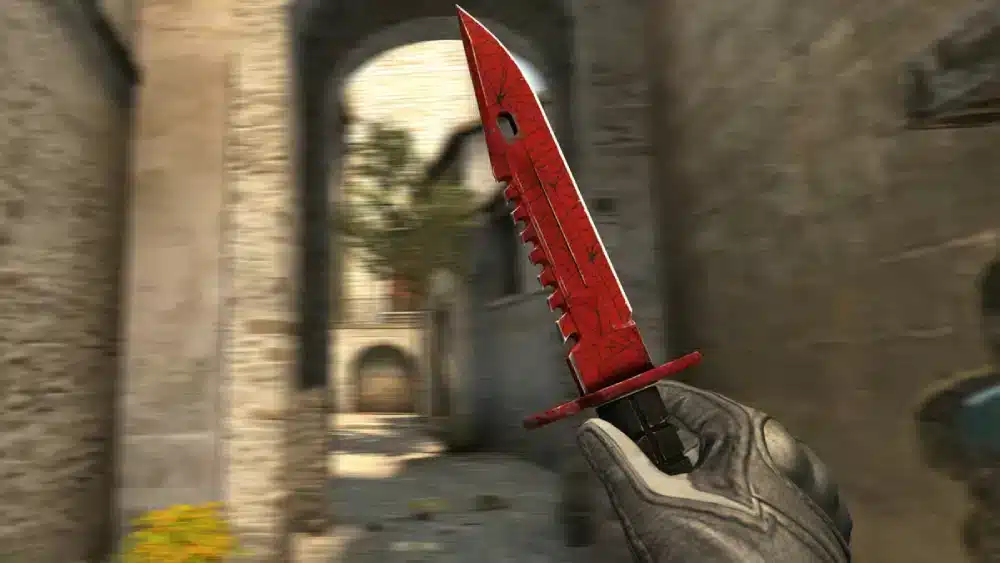
CSGO Knives are better understood as collectibles than guaranteed investments. Some knives have increased in value over time, but others have fallen due to market shifts, supply changes, game updates, or reduced demand. Treating skins as risk-free assets is a mistake.
The Counter-Strike market can move quickly. A Valve update, new trade-up rule, new case, market panic, or broader community trend can change values. If you buy a knife, buy it because you like it first. Any resale value should be considered uncertain.
Why knife prices can rise
Knife prices may rise when demand increases and supply stays limited. This can happen when a knife model becomes fashionable, a case becomes less opened, a finish becomes trendy, or collectors chase rare patterns.
Prices can increase due to:
- Popular streamers or pro players using a knife.
- Older cases becoming less common.
- Low supply of specific patterns.
- Strong demand for matching glove combos.
- New players entering the skin market.
- Improved visuals in CS2 lighting.
- Collector interest in rare floats or phases.
Some knives also benefit from cultural status. Karambits, Butterfly Knives, and M9 Bayonets have long histories in Counter-Strike, which can support demand even when the market changes.
Why knife prices can fall
Knife prices can also fall. This is especially important after major economy updates. If supply increases, trade-up systems change, or players lose confidence, knife prices can drop quickly.
Prices can fall due to:
- New acquisition methods.
- Increased supply.
- Market crashes or panic selling.
- Changes to how skins look in-game.
- Reduced demand for specific finishes.
- Newer knives becoming more popular.
- Players moving value into other items.
- Broader Steam or third-party market changes.
Because of this, CSGO Knives should not be treated like guaranteed financial products. They are digital cosmetic items controlled by game systems, platform policies, and player demand.
If you buy one, set a budget and assume the value may change. That mindset protects you from hype and helps you make better decisions.
Players should also confirm platform access and store information through an official source rather than an unfamiliar download page. The official Counter-Strike Steam listing provides the relevant store destination for the game.
How does ExitLag help Counter-Strike players with skins and gameplay?
ExitLag does not make CSGO Knives more valuable, unlock rare skins, improve case odds, or change how your inventory works. What it can do is help stabilize your route to game servers when connection instability, routing issues, high ping, or packet loss affect your Counter-Strike 2 matches.
That matters because skins are most enjoyable when the game feels smooth. A rare knife looks great in your inventory, but lag, rubberbanding, and packet loss can ruin the match where you want to use it. Competitive Counter-Strike depends on timing, movement, peeks, recoil control, and hit registration.
Why connection stability matters in CS2
Counter-Strike is extremely sensitive to connection quality. A small delay can change a duel. Packet loss can make enemies stutter. Routing problems can create inconsistent ping even when your local internet speed looks fine.
Connection issues can cause:
- Delayed peeks.
- Rubberbanding.
- Missed shots that feel accurate.
- Unstable movement.
- Stutters during fights.
- Disconnections.
- Inconsistent server response.
- Frustrating competitive losses.
CSGO Knives are cosmetic, but the match around them still needs responsive gameplay. Whether you are playing Premier, Faceit, community servers, casual matches, or private lobbies, stable routing helps the game feel more predictable.
How to use ExitLag before CS2 matches
Before using any routing tool, check your local setup first. Use wired internet if possible, close background downloads, pause cloud sync, restart your router if needed, and make sure your PC performance is stable.
Then test ExitLag:
- Open ExitLag before launching Counter-Strike 2.
- Search for Counter-Strike 2 in the app.
- Apply the recommended route.
- Launch the game.
- Play several matches on similar servers.
- Compare ping stability, packet loss, and responsiveness.
- Keep the route that gives you the most consistent results.
ExitLag is most useful when your issue is network route instability. It will not fix poor FPS, weak hardware, bad crosshair placement, or risky peeks. However, when packet loss or unstable routing is affecting your matches, it can help make gameplay feel smoother.
For players who care about CSGO skins, CSGOstash, CS skins, and CS2 skins, this matters because the best inventory experience happens when the game itself feels responsive.
FAQ
CSGO Knives can be confusing because the terminology mixes CS:GO history with the current CS2 economy. These answers cover the most common questions players ask before buying, trading, collecting, or comparing knives.
Use this section as a quick reference before spending money or making a trade.
CSGO Knives are rare cosmetic knife skins from the Counter-Strike item ecosystem. They replace the default knife model or finish but do not improve gameplay stats.
Today, most players use these knives inside Counter-Strike 2, even though the term CSGO Knives remains popular because of the item economy’s CS:GO history.
Yes. Counter-Strike inventories carried into the CS2 ecosystem, and players continue to use many legacy CS:GO skins in the current game.
That is why terms such as CSGO Knives, CSGO skins, CS skins, and CS2 skins often appear together in guides and marketplaces.
There is no single permanent answer. Some of the rarest and most valuable knives are rare Case Hardened Blue Gem patterns, Doppler gems such as Sapphire or Ruby, and extremely low-float versions of high-demand models.
Rarity depends on the exact model, finish, pattern, float, supply, and collector demand.
The most expensive CSGO Knives are usually rare pattern or low-float collector items, especially on popular models like Karambit, Butterfly Knife, and M9 Bayonet.
Prices change constantly, so always check current market data before trusting an old ranking.
No. Knives are cosmetic. They do not increase damage, speed, accuracy, or hit registration.
They only change appearance, animations, and loadout style. Your performance still depends on aim, movement, strategy, teamwork, and connection quality.
CSGOstash is useful for browsing items, finishes, cases, and general price ranges. However, live prices can change quickly.
Before buying or selling, compare multiple sources and inspect the specific item’s float, pattern, wear, and current listings.
Only buy a knife if you understand the risk. Skin prices can rise or fall due to updates, market behavior, supply, demand, and player confidence.
A knife should be treated as a collectible cosmetic first, not a guaranteed investment.
ExitLag does not affect skin value, case odds, trade outcomes, or inventory rarity. It helps with connection optimization.
Use ExitLag if your CS2 matches suffer from routing problems, ping spikes, packet loss, or unstable latency.
Final thoughts: why CSGO Knives still matter
CSGO Knives remain iconic because they connect Counter-Strike history, personal style, and digital collecting. They are rare, visible, expressive, and deeply tied to the culture of CS:GO and CS2. Whether you prefer a Karambit, Butterfly Knife, M9 Bayonet, Skeleton Knife, or a more affordable entry model, the right knife can make your inventory feel complete.
Still, smart collecting requires caution. Learn how models, finishes, floats, patterns, phases, and market updates affect value. Use tools like CSGOstash to compare CSGO skins, check live listings for CS skins, and remember that CS2 skins prices can change quickly. Do not rush trades, avoid suspicious links, and buy only within a budget you are comfortable with.
CSGO Knives are at their best when you enjoy both the item and the match. If lag, packet loss, or unstable ping keeps ruining your Counter-Strike sessions, try ExitLag before your next game. Optimize your route, stabilize your connection, and let your knife shine in smoother CS2 matches. Download ExitLag today and play Counter-Strike with more confidence, consistency, and control.
Got questions or want to connect with other players? Join the conversation at the ExitLag Forum!