
Deadlock Valve is one of Valve's most closely watched current projects, combining third-person shooting with lane-based MOBA systems, hero abilities, an item economy, and large team fights. Despite being playable by a substantial test community, Deadlock is still officially considered an early-development game rather than a fully released Valve title.
Access to Deadlock Valve also remains restricted instead of being available as a normal public Steam download. Players who want to understand how invitations currently work can use this Deadlock beta access guide before trying to join the playtest, especially because Valve Deadlock is still distributed through invitations from existing testers.
Deadlock Valve has changed considerably since its earliest leaked builds, and information from 2024 or 2025 can now be misleading. The game currently features six-player teams, three lanes, an evolving hero roster, experimental systems, and frequent balance updates, while Valve still lists the release date as “to be announced.”

Does Deadlock have a release date?
No official release date has been announced for Valve Deadlock. Valve's current Steam listing still identifies Deadlock as a multiplayer game in early development and gives its planned release date simply as “to be announced.”
That makes older predictions about a 2025 launch obsolete. Deadlock remained in active testing throughout 2026, receiving major gameplay changes, matchmaking revisions, balance patches, heroes, and new modes without transitioning into a standard public release.
What has Valve officially confirmed?
The most reliable information comes from Valve's current Steam listing and the game's own update channels.
At the moment, the confirmed status is:
| Detail | Current status |
| Developer | Valve |
| Publisher | Valve |
| Release date | To be announced |
| Development status | Early development |
| Access | Limited playtest invitations |
| Main mode | Team-based multiplayer |
| Main team size | 6v6 |
| Current main map structure | Three lanes |
| Final system requirements | Not yet announced |
This means there is no confirmed month, quarter, or year for the full Deadlock Valve release.
Valve could eventually announce a public beta, Early Access period, or direct full launch, but none of those options should be presented as confirmed until the company publishes them.
The fact that the game has been available to testers for a long time does not change that status. A playable build can still undergo extensive development before a commercial or public launch.
Why were older Deadlock release predictions wrong?
Early coverage frequently tried to estimate a release date from leaks, Steam backend activity, trademarks, player counts, or the apparent maturity of the game.
Some articles even suggested that Valve Deadlock would launch in late 2025. That did not happen.
The mistake was treating development activity as a launch schedule.
Valve has continued changing fundamental systems while the playtest remains active. The map structure has changed, heroes have been added, items have been redesigned, matchmaking has evolved, and entire modes have appeared.
That level of iteration is consistent with a game still being actively shaped.
It is therefore safer to separate three concepts:
- the game exists and is playable;
- the game has a large active testing community;
- the game has officially launched.
Only the first two currently apply.
Players preparing their setup for competitive online games can also review how ExitLag technology works. Network-routing tools may be relevant once you are actually playing online, but they do not provide earlier access or reveal Valve's launch schedule for Valve Deadlock.
What is Deadlock by Valve?
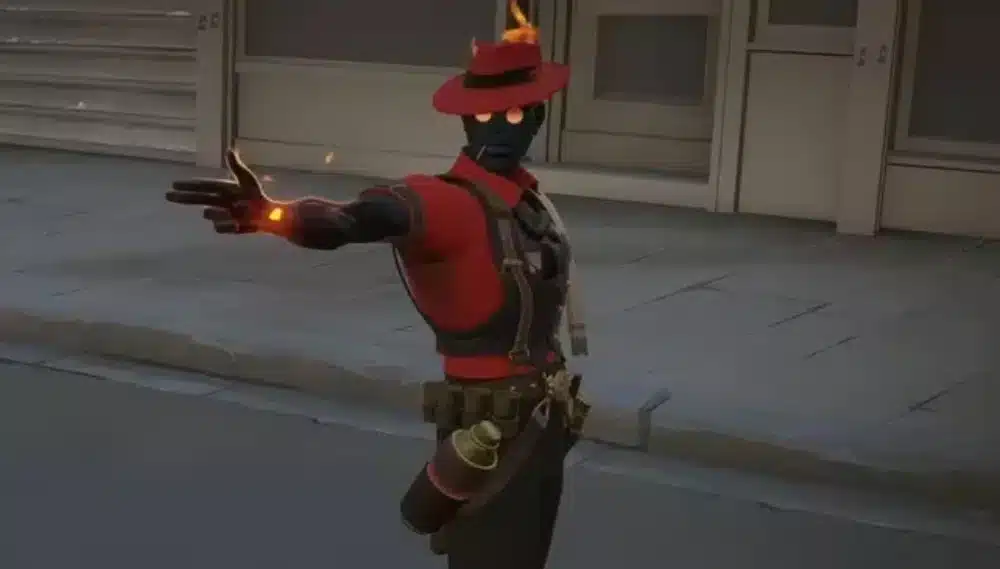
Deadlock is a multiplayer third-person action game that combines shooter mechanics with systems commonly associated with MOBAs. Two teams of six heroes compete across a large urban map, pushing lanes, earning Souls, buying items, fighting enemy heroes, and gradually breaking through defensive objectives.
Calling Valve Deadlock only a “hero shooter” leaves out much of the game. Mechanical aiming matters, but economy, lane pressure, objective control, team composition, farming, rotations, movement, and item builds are equally important.
How does the 6v6 gameplay work?
The main Deadlock format places six players on each team.
Each player controls a hero with:
- a primary weapon;
- unique abilities;
- movement options;
- different strengths and weaknesses;
- access to an item build during the match.
Players fight alongside NPC units called Troopers. These units advance through lanes and help attack enemy defenses.
The objective is not simply to collect more eliminations than the other team. Teams must advance through the map, destroy defensive structures, enter the enemy base, and eventually defeat the opposing Patron.
That structure gives Deadlock Valve a very different rhythm from a traditional arena shooter.
A player can win an individual duel but still lose strategic ground elsewhere. Likewise, someone with fewer eliminations can contribute significantly through farming, objectives, lane pressure, support, or coordinated team fights.
The main mode now uses three lanes rather than the four-lane arrangement seen in earlier versions of the playtest.
That is another reason old Valve Deadlock guides can become outdated quickly.
How do Souls and items affect matches?
Souls function as a central progression resource during matches.
Players earn them through activities such as defeating Troopers, participating in fights, and completing map objectives. Souls can then be invested into items and character progression.
Item builds affect areas such as:
- weapon damage;
- health and defenses;
- Spirit-based abilities;
- movement;
- healing;
- cooldowns;
- utility;
- active abilities.
This creates the build flexibility expected from a MOBA while retaining the direct control and aiming of a third-person shooter.
A character is therefore not defined only by their base abilities. Two players using the same hero may approach a match differently depending on their purchases, team strategy, and opponents.
Movement is equally important. Deadlock includes mechanics such as dashing, sliding, jumping, vertical traversal, and lane transportation systems.
Learning how to move efficiently is part of learning Valve Deadlock itself, not merely an advanced trick for experienced players.
How do you get access to Deadlock?
Access to Deadlock is still limited through the playtest system. The Steam store page does not currently offer a normal public installation button for everyone.
Instead, access is tied to invitations distributed through people who already participate in the test.
This makes Deadlock Valve unusual because it has been publicly known and widely played for years while still remaining technically restricted.
How do friend invitations work?
An existing playtester can invite eligible Steam friends through the Deadlock playtest system.
After Valve processes the invitation, the invited account may receive access through Steam. The timing is not necessarily immediate, and an invitation should not be interpreted as a purchased game key.
The general process is:
- Become Steam friends with someone who has Deadlock access.
- Have that player submit an invitation through the available playtest system.
- Wait for Steam or Valve to process the invite.
- Accept access when it appears on the Steam account.
- Install the playtest through Steam.
Because Valve Deadlock remains an active test, availability and invitation behavior can change.
Avoid paying strangers for invitations or buying accounts specifically for Deadlock. Playtest access is tied to Valve's systems, and third-party sellers introduce obvious account-security risks.
Players interested in other titles supported by network optimization can also browse the supported games on ExitLag. Deadlock access itself, however, is controlled by Valve and cannot be unlocked by ExitLag or another network service.
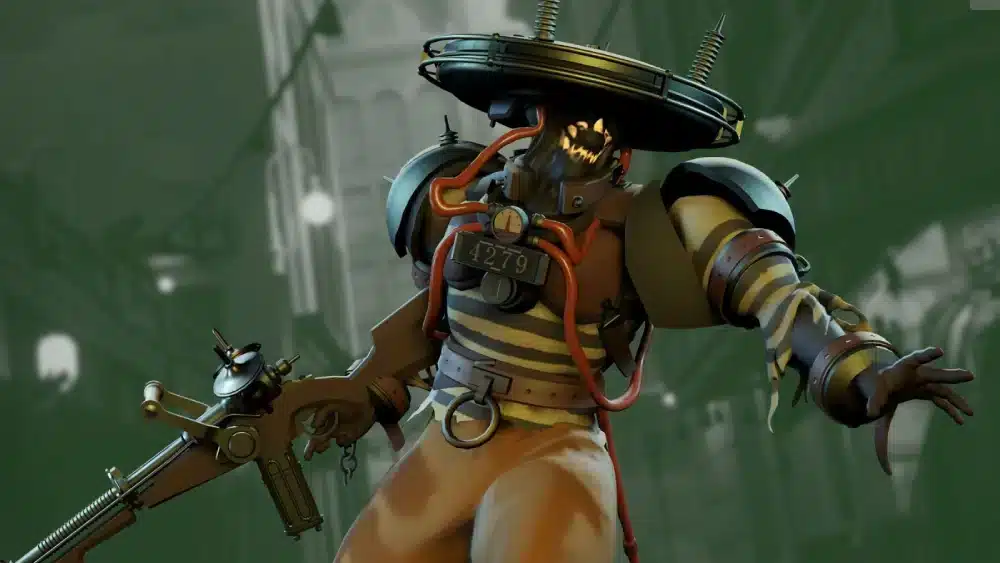
Is Deadlock in an open beta?
No. It should not currently be described as an open beta.
The key difference is accessibility.
An open beta normally means anyone who meets the basic platform requirements can download and participate during the test period. Valve Deadlock still requires invitation-based access.
The test is much larger and more public than a traditional private internal alpha, but the official Steam page continues to describe access as limited.
This terminology matters when writing about the game.
Calling it “released,” “open beta,” or “available to everyone” would give players the wrong expectation when they visit Steam and discover they cannot simply install it.
Is Deadlock free to play?
Valve has not yet announced a finalized commercial model for Deadlock.
Steam's community tags may include “Free to Play,” and Valve operates major free-to-play titles such as Dota 2 and Counter-Strike 2. However, those facts are not the same as an official pricing announcement for Valve Deadlock.
Until Valve confirms how Deadlock will be distributed at launch, the safest description is that its final price and monetization model remain unconfirmed.
Will Valve make Deadlock free?
A free-to-play model would be plausible, but it should remain a possibility rather than a stated fact.
Valve has extensive experience supporting free online games through optional cosmetic economies and other systems. Deadlock's team-based competitive structure could fit that model naturally.
However, there are several unanswered questions:
- Will the full game be free?
- Will any edition or founder package be sold?
- How will cosmetics work?
- Will there be a Battle Pass or seasonal system?
- Will heroes all remain freely playable?
- Will Valve introduce a premium matchmaking system?
None of these should be invented from other Valve games.
A Valve Deadlock monetization model only becomes confirmed when Valve publishes it.
What platforms will Deadlock support?
The current playable version is associated with PC through Steam.
Valve has not announced completed console versions or a console release schedule.
Likewise, final PC system requirements remain unfinished on the Steam listing. Valve currently indicates a 64-bit processor and operating system requirement but leaves detailed minimum hardware specifications as TBD.
That means articles listing exact minimum GPUs, RAM requirements, or CPUs for the final Deadlock Valve release should be treated cautiously unless Valve later publishes those specifications.
Players can already run the current test on many PC configurations, but playtest performance does not establish final launch requirements.
Optimization can also change significantly before release.
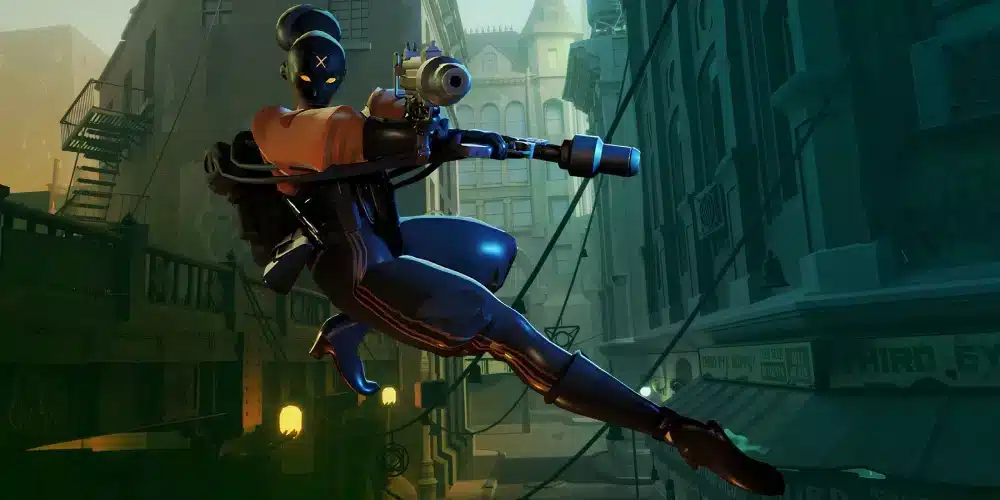
How can ExitLag help with Deadlock Valve?
Deadlock Valve is an online competitive game, so network conditions can affect how responsive a match feels. Your movement, shots, abilities, enemy positions, and other actions depend on data traveling between your PC and the game server.
ExitLag focuses on optimizing that route rather than changing Deadlock's mechanics.
It cannot provide playtest access, increase hero damage, modify matchmaking, or predict the release date.
When network routing can matter
Online connection quality is influenced by more than the speed advertised by an internet provider.
Possible problems include:
- inefficient routing;
- high latency;
- packet loss;
- unstable routes;
- jitter;
- congestion;
- sudden ping spikes.
In a fast competitive game like Valve Deadlock, inconsistent connectivity can become noticeable during aiming, movement, ability timing, or large fights.
ExitLag can optimize the path between a player's network and supported game servers. When the normal ISP route is inefficient, another route may provide more consistent connectivity or lower latency.
Results depend on:
- your ISP;
- physical distance from the server;
- local network quality;
- current internet routing;
- server location;
- available routes.
There is no guarantee that every player will experience a lower ping.
What ExitLag cannot fix
Not every performance problem in Deadlock is related to the network.
ExitLag cannot:
- increase GPU performance;
- solve insufficient RAM;
- repair game files;
- eliminate server-side outages;
- change Valve's matchmaking;
- provide a Deadlock invitation;
- fix a game bug;
- unlock heroes;
- change balance;
- guarantee zero packet loss;
- guarantee lower latency.
If your FPS drops during visually intensive battles, investigate local graphics and system performance first.
If the frame rate remains smooth but your connection fluctuates, network troubleshooting becomes more relevant.
The distinction is particularly useful during an early-development game because Valve Deadlock itself is still being optimized. A technical issue may originate from your PC, your network, the test server, or the current game build.
What has changed since the first Deadlock playtests?
Deadlock has evolved significantly since it became widely known in 2024.
Valve has repeatedly changed fundamental systems rather than limiting updates to small balance adjustments. This reinforces the company's description of the game as an early-development build with experimental gameplay.
Anyone following Deadlock Valve through old videos should expect substantial differences when launching the current version.
The map and modes have evolved
One of the clearest changes is lane structure.
Early versions used four lanes. Valve later moved the main game to three lanes, changing rotations, lane assignments, map pressure, and team movement.
The main game remains 6v6, but Valve has also experimented with additional modes.
Street Brawl, for example, offers a more compact format built around smaller teams and a more concentrated combat structure than the full main match.
This experimentation helps explain why Valve has not treated the current game as finished.
The studio continues to test how different forms of Deadlock should feel before establishing a final launch package.
For current official information rather than old leak-era descriptions, players can check the official Deadlock website. The site reflects Valve's own presentation of Valve Deadlock and its evolving world.
Valve is still making major balance changes
Deadlock received active balance and matchmaking updates throughout 2026.
These changes include adjustments to:
- heroes;
- items;
- movement;
- objectives;
- matchmaking systems;
- Souls and progression;
- defensive structures;
- map flow;
- alternative modes.
A build recommendation that works one month may become less effective after a patch.
That makes Deadlock different from a finished competitive title where the foundational rules are relatively stable and patches mainly refine balance.
With Valve Deadlock, even established players need to keep learning.
Valve's willingness to modify central systems is also a reason not to make confident predictions about launch-day mechanics.
The final version may retain most current ideas, but the playtest itself demonstrates that major revisions remain possible.
Is Deadlock a MOBA or a hero shooter?
Deadlock is best understood as a hybrid rather than forcing it into only one category.
Its direct third-person aiming, mobility, character abilities, and real-time combat resemble hero shooters. Its lanes, NPC waves, item economy, farming, structures, team objectives, and scaling are much closer to MOBAs.
That combination is central to Valve Deadlock rather than an incidental feature.
What comes from MOBAs?
Deadlock uses several systems familiar to players of games like Dota 2 or League of Legends.
These include:
- lanes;
- NPC waves;
- an in-match economy;
- item builds;
- scaling;
- map objectives;
- structure destruction;
- team composition;
- farming;
- strategic rotations.
Eliminations matter, but they exist within a larger economic and objective framework.
A player who only searches for fights can fall behind in Souls, lose lane control, or ignore objectives that matter more than individual kills.
That is one of the biggest adjustments for traditional shooter players learning Deadlock Valve.
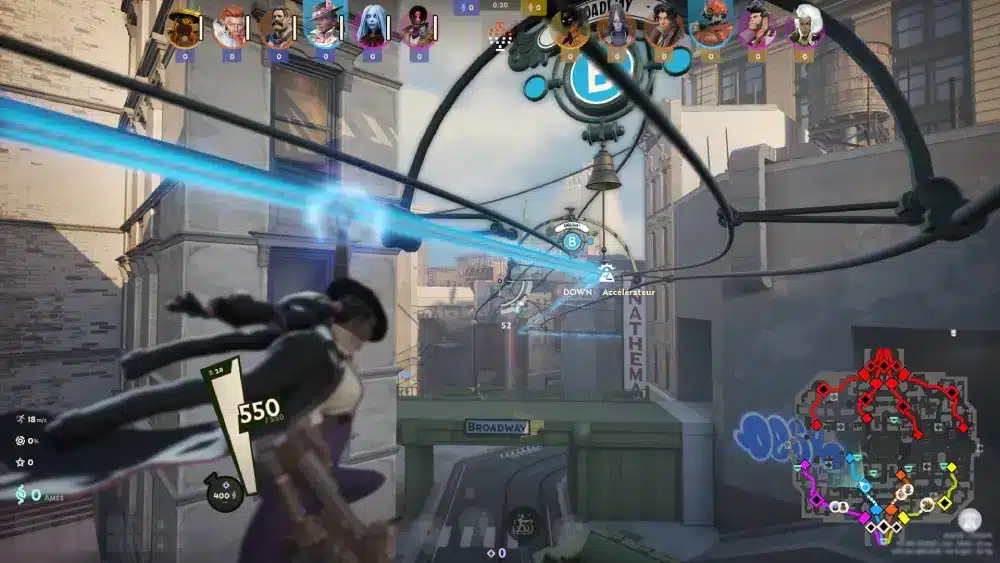
What comes from shooters?
At the same time, players directly control their heroes from a third-person perspective.
You aim weapons, move through three-dimensional environments, use cover, manage movement, and activate abilities in real time.
Mechanical execution therefore matters far more directly than in many traditional MOBAs.
The combination creates a high learning ceiling.
Players must develop:
- aim;
- movement;
- map awareness;
- farming efficiency;
- item knowledge;
- ability timing;
- lane management;
- team coordination.
For additional historical context about the project's development from Neon Prime and Citadel into the current game, the Deadlock video game overview provides a broader timeline. That background can also help explain why older Valve Deadlock discussions sometimes describe a very different visual style or structure.
FAQ
Deadlock's unusual development process creates understandable confusion because players can watch streams, receive invitations, and follow major updates even though the game still has no formal release date.
The questions below summarize the current situation.
Does Deadlock Valve have a release date?
No.
Deadlock Valve currently has no official full release date. Valve lists the planned launch as “to be announced.”
Any exact date or release window not directly announced by Valve should be treated as speculation.
Is Valve Deadlock released?
No.
Valve Deadlock remains an early-development title with limited playtest access.
It is playable, but being playable through an invitation system is not the same as being officially released to the public.
How many players are on a Deadlock team?
The main mode uses teams of six players, producing 6v6 matches.
Older claims that Deadlock's main format is 4v4 are outdated or incorrect.
Some alternate modes can use a different team structure.
How many lanes does Deadlock have?
The current main map uses three lanes.
Earlier playtest versions used four lanes, which is why old screenshots, guides, and videos may show a different map arrangement.
Can anyone download Deadlock from Steam?
Not currently.
The Steam page exists, but Valve Deadlock access is still limited through invitations connected to current playtesters.
Players without access can wishlist the game and follow future announcements.
Is Deadlock free?
Valve has not finalized or publicly confirmed Deadlock's launch pricing model.
Free-to-play is commonly discussed and appears among Steam community tags, but that should not be presented as a confirmed commercial plan until Valve makes an official announcement.
Is Deadlock coming to consoles?
Valve has not announced a confirmed PlayStation or Xbox release.
The current playtest is focused on PC through Steam.
Any console release date circulating without a Valve announcement is speculation.
What are the Deadlock system requirements?
Final requirements have not been published.
The Steam page currently requires a 64-bit processor and operating system but leaves detailed minimum specifications such as processor and graphics hardware as TBD.
Is Deadlock more like Dota 2 or a shooter?
It contains significant elements of both.
The lane structure, Souls economy, NPC waves, item builds, objectives, and scaling are strongly MOBA-inspired, while combat uses direct third-person aiming, movement, weapons, and hero abilities.
That hybrid structure is a defining feature of Valve Deadlock.
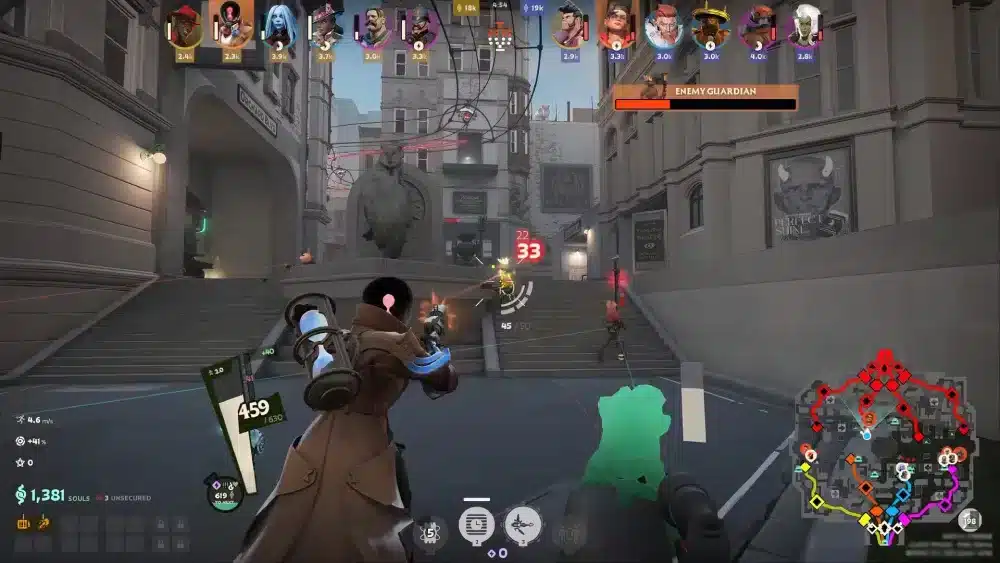
Can ExitLag get me access to Deadlock?
No.
ExitLag can only address network routing for supported online connections. It cannot issue Valve playtest invitations, bypass access restrictions, change matchmaking, or unlock the game.
When should I expect the full release?
There is no confirmed timetable.
The safest approach is to follow Valve's official channels and avoid assuming that the length of the existing playtest means launch is imminent.
Valve was still releasing meaningful Deadlock updates in 2026, showing that development remains active.
Deadlock has already grown far beyond the mysterious leaked project first discussed under names such as Citadel and Neon Prime, but the final release is still ahead. Until Valve announces a launch date, treat specific release windows, final pricing, console plans, and hardware requirements as unconfirmed. For now, Deadlock Valve remains an evolving invite-only multiplayer project, while players who already have access can test their connection and use ExitLag where network route optimization may help their specific online experience.
All game images used in this article belong to their respective owners. They are used for informational and educational purposes only and do not imply endorsement or affiliation with the rights holders.