

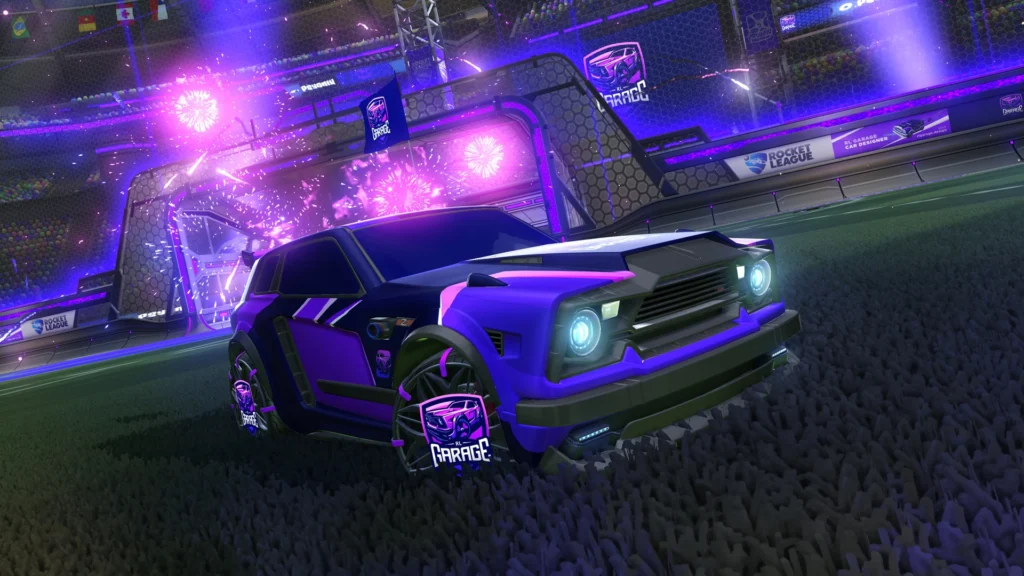
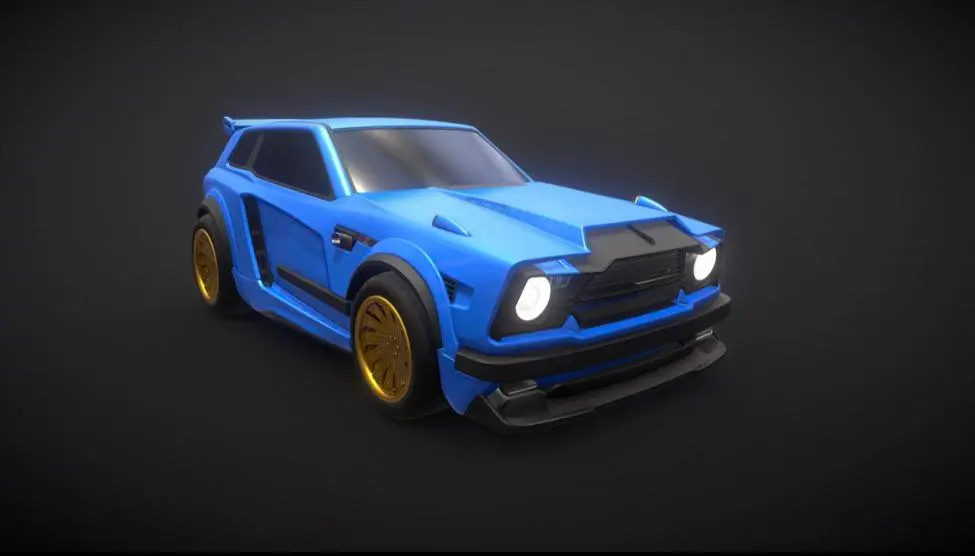
The Fennec Rocket League car has become one of the most recognizable choices in competitive Rocket League. Its compact, boxy appearance, clear visual profile, and familiar Octane hitbox have made it a favorite among players who want predictable contact with the ball without changing the fundamental physics they already understand.
For players moving into ranked matches, improving their dribbling, or simply looking for a more comfortable alternative to the Octane, the Fennec Rocket League offers a compelling combination of familiarity and visual clarity. It is especially popular among players who value consistency in flicks, challenges, aerial touches, recoveries, and ball control.
What Is Fennec Rocket League?
The Fennec Rocket League car is an Import Battle-Car introduced in 2019. It uses the Octane hitbox and has a noticeably more rectangular design than the Octane itself. The combination of this competitive hitbox and its distinctive body has made it one of the most recognizable cars in the game.
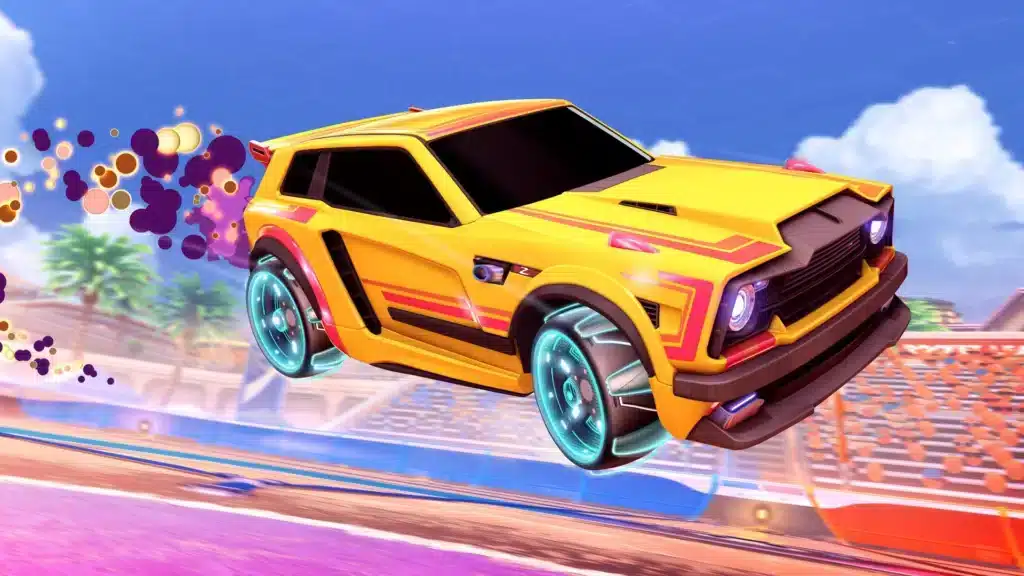
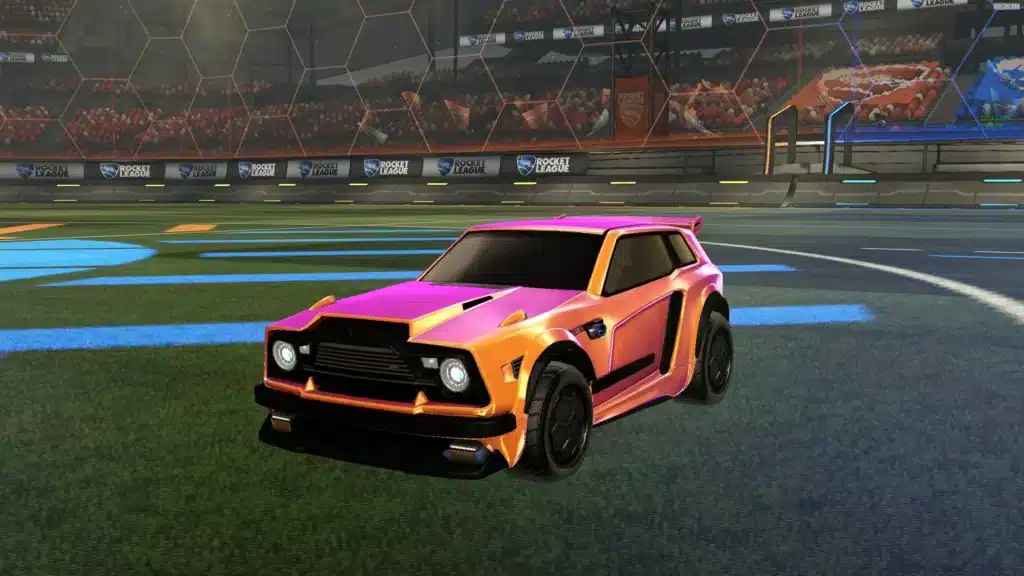
The Fennec can be customized with decals, paint finishes, wheels, boosts, trails, toppers, and other cosmetic items. However, these customization options do not fundamentally change its underlying hitbox.
Fennec Quick Facts
| Feature | Fennec Details |
| Car body | Fennec |
| Hitbox | Octane |
| Introduction | 2019 |
| Item quality | Import |
| Main strength | Visual alignment |
| Common use | Competitive and ranked play |
| Customization | Decals, paints, wheels, boosts, toppers |
| Similar competitive option | Octane |
The most important fact is the Octane hitbox. Players researching the car should understand this before focusing on cosmetics or specific configurations because the hitbox determines how the vehicle interacts with the ball.
Fennec Is Not a Separate Hitbox
One common misunderstanding is that the Fennec has a completely independent mechanical profile. It does not. It belongs to the Octane hitbox category.
This means that changing from Octane to Fennec does not fundamentally change the dimensions of the collision system used for the vehicle. What changes most noticeably is how the player visually interprets those dimensions.
That difference can be surprisingly meaningful. Rocket League is played at high speed, and players often make decisions in fractions of a second. Clear visual feedback can therefore influence confidence and timing.
Why the Model Matters Despite the Shared Hitbox
The fact that two cars share a hitbox does not mean they necessarily feel identical to every player. The visual model remains different, and players naturally use the model as a reference point.
For example, when preparing a flick, a player needs to understand where the ball is positioned relative to the vehicle. The Fennec’s squared body can make that relationship easier to interpret.
Similarly, when challenging another player, the visible front of the Fennec can provide a strong reference for judging the intended point of contact. Over time, this can contribute to more consistent execution.
Why the Fennec Remains a Top Rocket League Car
The popularity of the Fennec is not based only on its appearance. Its biggest advantage is the relationship between its body design and its underlying hitbox. The Fennec uses the Octane hitbox, meaning players can access the same general mechanical behavior associated with one of Rocket League’s most established competitive car families.
That combination matters because visual perception plays an important role in high-speed games. Players are constantly estimating distances, angles, contact points, and momentum. A car that visually communicates its proportions clearly can feel more intuitive, particularly during close-control situations.
The Boxy Design Creates Clear Visual Feedback
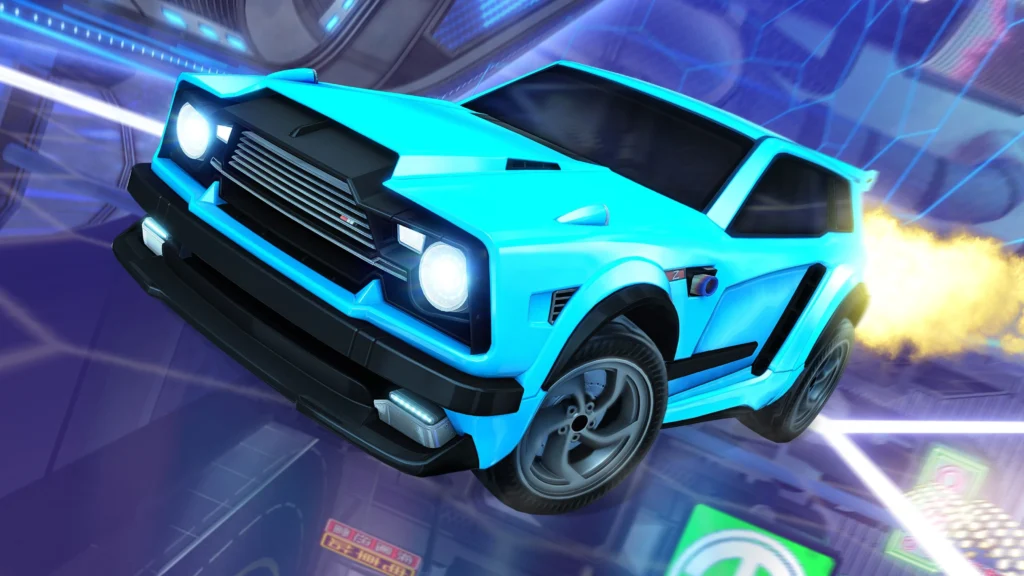
The Fennec has a squared-off silhouette that makes the front, sides, and roof easier to identify during gameplay. This can be particularly useful when the ball is close to the vehicle and the player has very little time to react.
With a rounded body, players may sometimes rely more heavily on learned muscle memory to estimate where the hitbox will make contact. The Fennec provides a more direct visual reference. As a result, many players find it easier to understand why a particular touch occurred where it did.
This does not mean the car automatically improves mechanics. Instead, the body can make existing mechanics easier to visualize. The distinction is important because Rocket League rewards positioning, timing, speed control, and repetition regardless of the chosen car.
The Octane Hitbox Gives It Competitive Familiarity
The Fennec shares the Octane hitbox. That means switching between the two does not require learning an entirely new hitbox category.
For an experienced player, this can make experimentation easier. Someone who has already spent hundreds of hours using the Octane can test the Fennec without having to rebuild every aspect of their mechanical understanding.
The shared hitbox is also one reason the Rocket League Fennec has become so strongly associated with competitive play. Players can choose the body based largely on visual preference while retaining a familiar mechanical foundation.
Why Players Notice the Difference
A hitbox is invisible during normal gameplay, while the car model is always visible. Therefore, the model influences how players interpret their own actions.
The Fennec can feel especially natural during:
- Ground dribbles
- Flick setups
- First touches
- 50/50 challenges
- Aerial alignment
- Wall touches
- Recoveries
- Close-range defensive challenges
The important point is that these advantages are primarily about perception and consistency rather than raw statistics. The Fennec does not suddenly give a player stronger mechanics. Instead, its design can provide a clearer visual reference for mechanics the player already needs to perform.
How to Get the Fennec in Rocket League
Obtaining the Fennec depends on which acquisition methods are currently available in the game. The original material identifies several routes players may encounter, including the Item Shop, blueprints, trade-related systems, and limited-time rewards.
Because item availability can change, players should always check the options currently presented in their own game client rather than assuming a specific item is permanently available through one method.
Item Shop Availability
The Item Shop is one of the most direct ways for players to obtain a Fennec when it appears.
Players should check featured and daily items because availability rotates. A specific paint variant can also affect the overall appeal and price of an item when it becomes available.
The advantage of the Item Shop is simplicity. Players do not need to locate another player or depend on a particular external marketplace. However, the main limitation is that availability is not guaranteed at any given moment.
Blueprints and Crafting
Blueprints can provide another route to obtaining the vehicle or a particular variant.
If a player owns a relevant blueprint, the required credits and final item should be reviewed carefully before crafting. Painted variants may have different costs or perceived value, so comparing the options first is useful.
Blueprints can also be helpful for players who already have accumulated items and want to work toward a specific cosmetic configuration.
Trade-Related Options
The original approach also identifies player trading as a possible route. Where trading systems or approved trading functionality are available, players can compare offers and determine whether acquiring a Fennec directly is more attractive than waiting for an Item Shop appearance.
However, caution is important. Players should avoid suspicious websites, unofficial transactions, account-sharing requests, and offers that require credentials. Cosmetic items are never worth compromising an account.
Events and Reward Systems
Limited-time events and reward systems can introduce additional opportunities for players to obtain items or related cosmetic content.
These opportunities are less predictable, but they can be worth monitoring. Players who are not in a hurry can sometimes benefit from checking event rewards before spending credits.
A practical acquisition strategy is therefore:
- Check the current Item Shop and available blueprints.
- Review legitimate in-game acquisition options.
- Compare the cost of the desired version rather than only the base body.
- Avoid risky third-party transactions or requests for account information.
- Choose the simplest legitimate route that fits your goal.
The key is patience. If the goal is simply to play with the Fennec, there is usually little reason to rush into an expensive cosmetic purchase.
Fennec vs. Octane: Which Car Is Better?
The Fennec versus Octane debate is one of the most common discussions among Rocket League players. Mechanically, the two share the same hitbox. Therefore, the question is not really which vehicle has inherently better physics.
Instead, the more useful question is which visual model helps you play more consistently.
When the Fennec May Feel Better
The Fennec can be a strong choice if you prefer a defined, squared visual profile. Its shape can make the relationship between the vehicle and ball easier to interpret during close-control situations.
Players who spend a lot of time in 1v1 and 2v2 may especially appreciate this clarity because those modes frequently create situations where a single touch can determine possession.
The Fennec may also appeal to players who:
- Prefer a compact-looking car
- Want clearer visual references
- Focus heavily on ground control
- Practice flicks frequently
- Like the competitive aesthetic
- Feel distracted by rounded car models
When the Octane May Still Be the Better Choice
The Octane remains an excellent option. Players who have developed strong muscle memory with it have little reason to change simply because another car is popular.
If the Octane feels natural, switching may temporarily reduce confidence while the player adapts to the new visual model.
There is also an aesthetic element. Some players simply prefer the Octane’s appearance. Since both vehicles use the same hitbox, personal comfort should remain a major factor.
The Best Choice Depends on Consistency
The strongest car is usually the one that allows you to execute your mechanics without hesitation.
A player who performs better with Octane should not switch to Fennec simply because professional players use it. Likewise, someone who finds the Fennec easier to read should feel comfortable using it even if they previously played Octane.
The goal is not to choose the car with the best reputation. The goal is to choose the body that supports reliable execution.
Best Controller Settings for the Fennec
The Fennec does not require unique controller settings. Since its hitbox is the same as the Octane, most standard Rocket League controller configurations can be used.
However, the settings in the original guide provide a practical starting point for players who want responsive controls.
Recommended Controller Configuration
| Setting | Starting Point |
| Steering Sensitivity | 1.40 |
| Aerial Sensitivity | 1.40 |
| Deadzone | 0.04 |
| Dodge Deadzone | 0.75 |
| Powerslide | LB / L1 |
| Air Roll Left/Right | LB or RB |
| Boost | B / Circle |
| Jump | A / Cross |
These values should be treated as a starting configuration rather than universal rules.
A player with a low mechanical baseline may initially benefit from slightly more conservative sensitivity. Conversely, an experienced player may prefer greater responsiveness.
Why Deadzone Matters
Deadzone determines how much stick movement is required before the game recognizes an input. A lower deadzone can make controls feel more responsive, but it can also expose controller drift.
If your controller has noticeable stick drift, an extremely low deadzone may create inconsistent inputs. In that situation, increasing the value slightly can be more useful than blindly copying a professional configuration.
Air Roll and Powerslide
Powerslide is important for efficient recoveries and directional adjustments. Mapping it somewhere easily accessible can help players transition between movements without taking their thumb away from other important controls.
Air Roll Left and Air Roll Right can also be assigned according to personal preference. There is no single configuration that guarantees better mechanics.
The most important principle is accessibility. Your most frequently used mechanics should be easy to execute without awkward hand movement.
Best Camera Settings for Fennec
Camera settings can have a greater practical impact on consistency than cosmetic customization. Since Rocket League involves tracking a ball that moves rapidly through three dimensions, the camera needs to provide enough information without making the vehicle difficult to control.
The original guide suggests the following starting values:
| Camera Setting | Suggested Range |
| Field of View | 110 |
| Distance | 270–280 |
| Height | 100–110 |
| Angle | -3.0 |
| Stiffness | 0.45 |
| Swivel Speed | 5.5–7.0 |
| Transition Speed | 1.2 |
These values should be tested in Free Play before being used in important ranked matches.
FOV and Distance
A higher FOV can provide more awareness around the vehicle. This can be valuable when preparing challenges, checking opponents, or tracking the ball during aerial situations.
Distance also affects how much of the field is visible. Too much distance can make precise touches harder to judge, while too little can reduce situational awareness.
Camera Angle and Height
The camera angle affects how the field appears relative to the car. A slightly downward perspective can provide a useful balance between seeing the ball and maintaining awareness of the vehicle.
Height also influences how clearly you can see the space immediately around the Fennec. Small changes can produce surprisingly different sensations, so testing several values is worthwhile.
Why Free Play Testing Matters
Settings should not be judged after only a few minutes. Your brain needs time to adapt.
Try a configuration in Free Play, then use it in casual matches. If it still feels natural, take it into ranked play.
Avoid changing several settings immediately after a bad match. Poor performance can come from positioning, decision-making, fatigue, or opponents rather than camera settings.
How the Fennec Performs in Competitive Play
The Fennec RL reputation is closely connected to competitive Rocket League. Its presence in high-level matches has reinforced its image as a serious competitive vehicle.
Professional players have used the Fennec alongside other established choices, particularly the Octane. The vehicle’s competitive appeal comes from its combination of a familiar hitbox and a visually distinct model.
Why Competitive Players Like the Fennec
At high levels, players already understand the game mechanics deeply. Therefore, small differences in visual perception can become meaningful.
A clearer body shape may help players judge:
- Challenge timing
- Ball-car alignment
- Flick preparation
- Aerial positioning
- Wall contact
- Recoveries
- Ground dribbling
These advantages are subtle. They do not replace practice, but they can contribute to a player’s sense of control.
Learning From Professional Gameplay
Watching professional gameplay can help explain why the Fennec is so popular.
Rather than copying a player’s entire setup, focus on how they use space. Observe their first touches, defensive positioning, recovery choices, and challenges.
The car is only one part of the equation. A player using a Fennec still needs strong fundamentals.
Customizing the Fennec for Style and Clarity
Customization is a major part of Rocket League’s appeal. The Fennec’s clean body shape works with a wide range of decals, wheels, boosts, and finishes.
However, players should remember that cosmetic choices are primarily visual. They do not transform the underlying hitbox.
Popular Fennec Decals
Several decal styles work particularly well with the Fennec:
- RLCS-style designs for a competitive appearance
- Huntress for a clean and understated look
- Interstellar for a more dramatic animated design
- Dissolver for a distinctive visual effect
- Minimal designs for players who prefer maximum visual clarity
The best decal is ultimately the one that does not interfere with your ability to read the vehicle and ball.
Wheels and Boost Choices
Common wheel choices include Zomba, Cristiano, and Apex. For boosts, players may prefer simple designs that do not create excessive visual clutter.
A minimalist configuration can be especially useful for competitive players. The goal is not necessarily to make the car look plain, but to ensure that cosmetic effects do not become distracting during fast plays.
Why Visual Clarity Matters
In a game where the ball can move across the field in seconds, unnecessary visual noise can make it harder to focus.
A clean Fennec design can therefore serve a practical purpose. Players may find it easier to track the vehicle’s orientation when the body is visually distinct and the surrounding effects are not overwhelming.
Fennec Hitbox Compared With Other Rocket League Cars
The Fennec belongs to the Octane hitbox category, but Rocket League contains several other hitbox families.
Understanding the differences helps explain why the Fennec appeals to particular players.
Common Hitbox Comparison
| Car | Hitbox | Typical Strength |
| Fennec | Octane | Visual clarity and balanced mechanics |
| Octane | Octane | Familiarity and versatility |
| Dominus | Dominus | Long profile and flick-oriented play |
| Breakout | Breakout | Ground control and precise contact |
| Merc | Merc | Distinctive body profile and physical presence |
The table highlights why players should avoid judging cars only by their appearance. Two vehicles can look different while sharing the same hitbox, while visually similar cars can belong to different hitbox categories.
The Fennec and Octane Relationship
The Fennec’s biggest mechanical reference point is the Octane. Players familiar with Octane mechanics can generally transfer their knowledge to the Fennec without learning an entirely different hitbox.
That makes it an attractive experimental choice.
Fennec Compared With Dominus
Dominus offers a different feel because it belongs to its own hitbox family. Its longer profile can be attractive to players who prefer certain flicks and ground mechanics.
However, switching from Fennec to Dominus involves a more substantial adjustment than switching between Fennec and Octane.
Fennec Compared With Breakout and Merc
Breakout and Merc offer additional alternatives for players who prefer different visual and mechanical relationships.
The important lesson is that no single hitbox is automatically superior in every situation. Player preference, mechanics, and familiarity remain decisive.
Training Packs for Fennec Mastery
A strong Fennec player should spend time practicing the mechanics that the vehicle is commonly associated with. Training packs can help build repetition, but Free Play remains equally valuable because it encourages players to create unpredictable situations.
The original guide highlights several training packs:
- Flick Mastery — 2930-9822-B671-EEA5
- Shadow Defense — 1F38-66B7-2087-92AD
- Ceiling Shots — 4A4F-884A-1123-CC29
- Corner Reads — 8936-1B0C-C629-9A47
Training pack availability and codes can change, so players should verify that a code remains active in their current game version.
Practicing Flicks
Flicks are one of the clearest examples of where visual alignment matters.
Start by learning consistent dribble control. Once you can keep the ball balanced, practice small adjustments before attempting stronger flicks.
Do not focus only on power. A controlled flick into an open area can be more valuable than a powerful touch directly toward an opponent.
Practicing Shadow Defense
Shadow defense teaches players to stay between the attacker and goal without committing too early.
This skill is especially valuable in 1v1 situations, where one failed challenge can immediately produce a scoring opportunity.
Use the Fennec’s visual profile to understand your distance from the ball, but remember that positioning remains more important than the car body itself.
Practicing Ceiling Shots and Corner Reads
Ceiling shots require strong aerial control and confidence. Corner reads, meanwhile, require an understanding of how the ball rebounds from walls.
Both mechanics benefit from repetition.
Combine training packs with Free Play sessions where you intentionally recreate the same situations from different angles.
Building Better Fennec Mechanics
A good practice routine should combine mechanical repetition with real-match decision-making.
A Simple Practice Routine
Start with ten minutes of Free Play. Focus on basic touches rather than flashy mechanics.
Then spend time on one specific mechanic, such as flicks or aerial control. Avoid switching objectives every few minutes.
After that, play several matches while focusing on applying the mechanic naturally.
Finally, review mistakes and identify whether the problem was mechanical execution, positioning, or decision-making.
Why Consistency Beats Complexity
Players sometimes assume that advanced mechanics are the fastest path to improvement. However, consistent fundamentals often create larger gains.
A reliable first touch, controlled dribble, efficient recovery, and accurate challenge can be more valuable than attempting difficult mechanics without consistency.
The Fennec can support these fundamentals because its visual design provides a clear reference point, but practice remains the foundation.
Pros and Cons of the Fennec
The Fennec has several advantages, but it is not perfect for every player.
Main Advantages
- Identical Octane hitbox
- Clear visual reference
- Strong competitive reputation
- Comfortable for dribbling
- Useful for flick practice
- Popular among high-level players
- Large customization potential
- Easy transition for Octane users
The combination of visual clarity and familiar mechanics is the main reason the car has maintained such a strong reputation.
Potential Disadvantages
- Can feel stiff to players accustomed to curved models
- Availability can vary
- Painted versions can be expensive
- Popularity can encourage players to switch without a real need
- Cosmetic prices can fluctuate
- A new body does not automatically improve mechanics
The last point is particularly important. A player should not expect the Fennec to solve inconsistent gameplay.
Common Fennec Mistakes to Avoid
Switching to the Fennec can be useful, but players should avoid treating the car as a shortcut.
Mistake One: Assuming the Car Makes You Better
The Fennec does not increase a player’s mechanical skill automatically.
If your positioning is poor with Octane, it will probably remain poor with Fennec. If your aerial control is inconsistent, changing the body will not immediately solve it.
Use the Fennec as a tool for visual comfort rather than a substitute for practice.
Mistake Two: Copying Professional Settings Blindly
Professional players have different controllers, habits, reaction patterns, and mechanical histories.
Their settings can provide useful references, but they should not be treated as mandatory.
Test changes gradually and keep the settings that improve your own consistency.
Mistake Three: Overpaying for Cosmetics
Painted versions can be attractive, but they are not mechanically superior.
If the goal is simply to use the Fennec, prioritize obtaining the body before spending heavily on rare cosmetic variants.
Is Fennec Right for You?
The Fennec is a strong option for players who value consistency, visual clarity, and the Octane hitbox. It is especially appealing if you enjoy dribbling, flicks, 50/50s, and competitive play.
However, you do not need to use it simply because it is popular.
If you already perform well with Octane, there is no mechanical requirement to change. If you frequently lose track of your car’s relationship to the ball, however, the Fennec may be worth testing.
The same principle applies to players searching for terms such as Makwzy Fennec car, Fenic RL, or other variations of Fennec-related queries: the important information remains the same. The Fennec is primarily valued for the combination of its recognizable body and Octane hitbox.
A Practical Test
Use the Fennec in Free Play for several sessions.
Practice basic touches, dribbling, flicks, aerial control, and recoveries. Then compare your comfort level with the car you normally use.
Do not judge the switch after one match.
Give yourself enough time to adapt to the model. Your first few games may feel strange simply because your visual references have changed.
When You Should Stay With Your Current Car
If your current car already feels natural and your mechanics are consistent, changing vehicles may offer little practical benefit.
There is nothing wrong with staying with Octane, Dominus, Breakout, or another body that suits your playstyle.
Rocket League rewards execution, awareness, and decision-making more than cosmetic trends.
Final Verdict: Fennec Rocket League for Competitive Players
The Fennec Rocket League car remains one of the strongest choices for players who want a competitive vehicle with a distinctive visual identity. Its Octane hitbox gives it familiar mechanical behavior, while its boxy design provides a clear reference for ball positioning, dribbling, flicks, aerial touches, and challenges.
The Fennec is not a magic solution, and it does not provide hidden statistical advantages. Its real strength is the way its visual model complements a well-established hitbox. For players who feel more comfortable seeing the boundaries of their vehicle clearly, that difference can be valuable.
Whether you are a beginner learning basic ball control or an experienced player refining competitive mechanics, the best approach is to test the car for yourself. Use Free Play, adjust your camera gradually, practice fundamental mechanics, and focus on consistency before chasing advanced techniques.
Ultimately, the Fennec succeeds because it combines familiarity with clarity. Players can access the Octane hitbox they already understand while using a body that feels more deliberate and structured on screen. That balance explains why the car continues to attract competitive players and why it remains one of the most recognizable choices in Rocket League.
For players searching for Fennec RL, Rocket League Fennec, Fenic RL, or simply looking for a reliable competitive car, the answer is straightforward: the Fennec is worth testing if its visual profile matches the way you read the game. If it improves your confidence and consistency, keep using it. If another car feels better, there is no reason to switch merely because the Fennec is popular.
Mastering Fennec Rocket League Mechanics
Choosing the right car is only the beginning. The real value of the Fennec becomes apparent when its visual clarity is combined with disciplined mechanics, controlled movement, and better decision-making. The Fennec Rocket League experience is strongest when players use the vehicle as a consistent visual reference rather than expecting the car itself to compensate for weaknesses.
A useful way to develop consistency is to separate mechanical training into several categories. Ground control, aerial control, defensive challenges, recoveries, and shooting all require different forms of repetition. By practicing them independently before combining them in matches, players can build more reliable muscle memory.
Improving Ground Control
Ground control is one of the areas where the Fennec’s squared profile can feel particularly comfortable. The body provides an easy visual reference while the player learns how the ball reacts to different speeds, angles, and contact points.
Start with simple carries. Move slowly and concentrate on keeping the ball close to the vehicle. Avoid accelerating unnecessarily. The objective is to understand how small steering adjustments affect the ball.
Once basic control feels comfortable, begin changing direction. Move from one side of the field to another while maintaining possession. Then introduce small cuts and controlled turns.
This process is more valuable than immediately attempting difficult freestyle mechanics because it develops the foundation needed for more advanced plays.
Developing Reliable Flicks
Flicks are another reason many players enjoy the Fennec. Because the car’s model provides a clear visual shape, some players find it easier to judge the ball’s position before initiating the dodge.
However, power should not be the only objective.
A useful flick should create a meaningful advantage. Sometimes that means sending the ball over an opponent. In other situations, a softer flick toward open space is enough to maintain possession.
Practice different directions rather than repeating the same flick every time. Learn to recognize when an opponent is challenging from the front, side, or at an angle.
Practicing First Touches
First touches determine what happens after receiving the ball. A strong player does not simply make contact; they intentionally decide where the next touch should occur.
With the Fennec, practice receiving passes from different angles. Try controlling the ball toward the side of the field instead of stopping it directly in front of the car.
Then practice receiving the ball while moving at different speeds.
The objective is to make the first touch predictable for you and unpredictable for your opponent.
Fennec Rocket League Camera and Control Optimization
A competitive setup should support the player’s mechanics rather than distract from them. The Fennec itself does not require a unique camera configuration, but its shape can make certain settings feel different because the body is visually more pronounced.
Players should therefore treat recommended values as starting points.
Finding the Right Camera Distance
Camera distance changes how large the Fennec appears relative to the field. A closer camera can make the vehicle feel more substantial, while a more distant camera can provide additional awareness.
Neither option is automatically better.
If you frequently lose sight of opponents during challenges, increasing awareness may be useful. If you struggle to judge precise touches, experimenting with distance can help.
The goal is to create a camera that lets you see the ball, opponents, and your own car without constantly making large camera adjustments.
Balancing Field of View
A 110 FOV is a common starting point for competitive players, but comfort remains more important than copying a specific value.
Higher FOV can improve peripheral awareness. However, it can also make distant objects appear smaller.
Spend time in Free Play testing different values. Perform aerials, wall touches, dribbles, and recoveries before deciding whether a setting feels natural.
Sensitivity Should Support Precision
Steering and aerial sensitivity affect how quickly the car responds to controller inputs. Higher values can feel faster, but faster does not necessarily mean more accurate.
If your car constantly moves beyond the angle you intended, lowering sensitivity may make control easier. If movement feels sluggish, a gradual increase can be tested.
Change one setting at a time. Otherwise, it becomes difficult to determine which adjustment actually helped.
Competitive Fennec RL Strategies
The Fennec RL choice becomes more valuable when it is paired with strong positioning. Competitive Rocket League is not simply a test of mechanics. Players must constantly decide whether to challenge, retreat, rotate, pass, shoot, or maintain possession.
The Fennec can support this process, but the decision itself remains the player’s responsibility.
Use Controlled Challenges
A common mistake is challenging the ball simply because it is available.
Instead, ask three questions before committing:
- Can I reach the ball before the opponent?
- What happens if I miss?
- Where will the ball go after contact?
These questions help reduce unnecessary challenges.
In 1v1, an aggressive challenge can expose the entire goal. In 2v2, a poor challenge can leave a teammate defending alone. In 3v3, it can disrupt the rotation of multiple players.
Protect Possession
Possession is particularly valuable when you have space.
Instead of immediately shooting the ball toward the opponent’s goal, consider controlling it first. A strong first touch can force the defender to react and create a better opportunity.
The Fennec’s visual profile can be useful here because it makes the vehicle’s relationship with the ball easy to observe.
Use the Fennec’s Shape as a Reference
When dribbling, use the visible body to estimate where the ball sits relative to your vehicle.
During challenges, pay attention to the front and side of the model.
During aerials, use the body orientation to develop a more reliable understanding of how your inputs translate into movement.
Over time, these visual references become part of your muscle memory.
Fennec in 1v1, 2v2, and 3v3
Different competitive modes demand different approaches. A car that feels excellent in 1v1 can also work in team modes, but the player’s decision-making must change.
Fennec in 1v1
One-on-one matches place a premium on possession, patience, and recovery.
There is no teammate available to cover an aggressive challenge. Therefore, every commitment needs to be evaluated carefully.
The Fennec can work particularly well for players who enjoy controlled dribbling and flick-based offense. Keeping the ball close can force the opponent to make the first mistake.
Defensively, avoid rushing toward every ball. Shadow the attacker and wait for a touch that creates a genuine opportunity.
Fennec in 2v2
Two-player teams create more opportunities for passing and coordinated challenges.
A Fennec player can use controlled first touches to draw the defender forward before passing to a teammate.
Rotation is equally important. After challenging the ball, leave enough space for your teammate to move into the play.
The most dangerous mistake in 2v2 is often overcommitting while assuming the teammate will recover the situation.
Fennec in 3v3
Three-player matches require even greater awareness.
Players must understand their position relative to both teammates and opponents. A strong mechanical player can still hurt the team by occupying space that another teammate needs.
In 3v3, prioritize rotation discipline, communication, and controlled challenges.
The Fennec’s popularity does not change these fundamentals.
Fennec Customization Without Losing Visual Clarity
Customization is one of the easiest ways to make the Fennec feel personal. However, players who prioritize competitive performance should consider how each cosmetic element affects visual clarity.
Choosing Decals
A decal should complement the Fennec’s shape rather than obscure it.
Clean patterns can make the body easier to read during fast movements. High-contrast designs can also help players distinguish the vehicle from the field.
Huntress is a popular example of a relatively clean competitive style, while Interstellar and Dissolver offer more dramatic animated appearances.
There is no universally best decal. Choose one that looks good without making the car difficult to track.
Choosing Wheels
Wheels have no reason to be selected based on mechanical performance. They are cosmetic.
Zomba, Cristiano, and Apex are among the recognizable options associated with Fennec builds, but the most useful wheel is simply the one that fits your preferred visual style.
Minimal wheels can create a cleaner appearance, while larger or more distinctive designs can give the vehicle a more personalized identity.
Choosing Boosts
Boost effects can become visually intense during aerial play. If you find yourself losing track of the car, experiment with a simpler boost.
A clean boost trail can make it easier to follow the Fennec during rotations and aerial adjustments.
Competitive players often prefer visual simplicity because the field already contains a large amount of movement.
Understanding Fennec Hitbox Behavior
The Fennec uses the Octane hitbox, which is the foundation for understanding its mechanical behavior.
This means players should not assume that the visible boundaries of the Fennec perfectly represent the collision system. The body model is a visual representation, while the hitbox determines the actual interaction.
Why Contact Can Sometimes Feel Unexpected
Even with a boxy body, players can occasionally make contact that feels different from what they expected.
This is normal.
Rocket League calculates the interaction according to its physics and hitbox system rather than simply checking whether the ball appears to touch the visible body.
Learning this distinction can prevent frustration.
Building Better Hitbox Awareness
The best way to understand the Fennec is through repetition.
Practice stationary touches first. Then add movement.
After that, practice the same touch from multiple angles.
Eventually, your brain stops consciously calculating the interaction and begins predicting it automatically.
That process is the foundation of muscle memory.
Advanced Training for Fennec Players
Once basic mechanics become consistent, players can begin combining multiple skills.
Combining Dribbles and Flicks
Instead of practicing flicks in isolation, start with a real dribble.
Carry the ball toward the opponent. Observe their movement. Then choose whether to flick, cut, or continue carrying the ball.
This creates a more realistic training environment.
The objective is not simply to perform the mechanic. It is to know when the mechanic is appropriate.
Combining Aerial Control and Recovery
After practicing aerial touches, immediately practice landing efficiently.
Aerial control without recovery creates a hidden weakness. A player may make a successful touch but then lose several seconds returning to the play.
Practice landing on your wheels whenever possible. Use air roll and powerslide to transition smoothly into the next movement.
Combining Defense and Counterattacks
Defense should not end when you touch the ball.
Try to turn defensive saves into controlled possessions.
Instead of clearing the ball directly across the field, look for open space or a teammate.
This is particularly important in higher ranks, where uncontrolled clears can simply return possession to the opponent.
Common Fennec Myths
The Fennec’s popularity has created several misconceptions.
Myth: Fennec Has Better Statistics
The car’s popularity does not mean it has universally superior statistics.
Its primary appeal is its combination of appearance and hitbox.
Players should not expect increased speed, stronger shots, or automatic advantages simply because they equip the Fennec.
Myth: Everyone Should Use Fennec
Popularity does not equal necessity.
A player who performs consistently with Octane has no obligation to switch.
Likewise, a Dominus player who prefers a longer visual profile may gain nothing from changing.
The right car is the one that supports your own mechanics and confidence.
Myth: Cosmetic Items Improve Performance
Paint colors, decals, wheels, and toppers are cosmetic choices.
They can affect how comfortable a player feels visually, but they do not transform the fundamental physics of the vehicle.
Choose cosmetics because you enjoy them, not because you expect them to increase your rank.
Fennec Versus Other Competitive Choices
The Rocket League Fennec remains particularly popular because it occupies a useful middle ground. It combines the familiarity of the Octane hitbox with a body that looks more structured.
Fennec Versus Dominus
Dominus players often enjoy its longer shape and the way that shape communicates certain ground interactions.
Fennec players, by comparison, may prefer a more compact and balanced appearance.
Neither is objectively superior.
Fennec Versus Breakout
Breakout offers another distinct visual and mechanical experience.
Players who enjoy precise ground play may prefer it, while players who have developed Octane-based muscle memory may find Fennec easier to understand.
Fennec Versus Merc
Merc provides a very different visual identity.
Its large and distinctive body can appeal to players who enjoy unusual car designs, but it does not provide the same visual experience as the Fennec.
The comparison demonstrates why car choice is ultimately personal.
How to Improve Faster With Fennec
Improvement requires a structured process. Simply playing more matches can help, but deliberate practice usually makes individual sessions more productive.
Focus on One Weakness
Identify the mechanic that causes the largest number of mistakes.
If your first touches are poor, practice first touches.
If you miss aerials, practice aerial control.
If you lose possession during dribbles, work on close control.
Do not attempt to fix every weakness simultaneously.
Review Your Matches
After a difficult match, ask why the mistake happened.
Was the problem mechanical?
Was the challenge mistimed?
Were you positioned too far forward?
Did you commit when your teammate was already challenging?
These questions are more useful than simply blaming the car.
Build Consistent Sessions
A short, focused training routine is often more useful than an extremely long session without a clear objective.
A practical session can include:
- Free Play warm-up.
- Ground-control practice.
- One focused mechanical exercise.
- Several competitive matches.
- Short review of recurring mistakes.
The routine can then be repeated while gradually increasing the difficulty of the mechanics.
Fennec for Beginners
Although the Fennec has a strong competitive reputation, it is not exclusively for advanced players.
Beginners can use it while learning basic movement, ball contact, shooting, and positioning.
Learning the Basics
New players should focus on:
- Driving accurately
- Understanding boost management
- Learning basic rotations
- Controlling first touches
- Shooting toward open areas
- Recovering after challenges
Advanced mechanics can wait.
The Fennec’s visual shape can actually be helpful for beginners because its proportions are easy to recognize.
Avoiding Early Overtraining
Beginners sometimes spend too much time attempting air dribbles or ceiling shots before developing reliable fundamentals.
Start with simple mechanics.
Once basic control becomes automatic, introduce more difficult techniques.
This produces a stronger foundation and reduces frustration.
Fennec for Experienced Players
Experienced players can use the Fennec differently.
At higher ranks, the emphasis shifts from learning individual mechanics to combining them under pressure.
A player might use a first touch to create space, transition into a dribble, force a defensive challenge, and then choose between a flick and pass based on the opponent’s position.
The Fennec does not make this decision for you.
Its value comes from providing a familiar and visually clear platform for executing the decision.
Maintaining Consistency in Ranked Matches
Ranked performance is influenced by much more than mechanics.
Mental discipline matters.
If a player changes camera settings after every loss, switches cars after every bad session, or constantly changes controller bindings, improvement becomes difficult to measure.
Keep Your Setup Stable
Once you find a comfortable Fennec configuration, keep it for a reasonable period.
Avoid changing your camera because of one bad match.
Avoid changing sensitivity because you missed one aerial.
Allow your brain to adapt.
Focus on Decision Quality
Ask yourself whether your decisions created good opportunities.
A missed shot is not always a bad decision. Sometimes the correct play simply fails.
Conversely, a successful goal can come from a poor decision that happened to work.
Evaluate the process, not only the result.
Is the Fennec Worth Using?
The Fennec is worth testing for almost any player who is curious about its visual profile and Octane hitbox.
Its competitive reputation is justified by its widespread use and comfortable relationship between body model and hitbox.
However, its popularity should not become pressure.
If you enjoy the car, use it.
If you prefer another vehicle, keep using that one.
Rocket League gives players significant freedom to choose their visual identity without forcing them into a specific competitive body.
Final Thoughts on Fennec Rocket League
TheFennec Rocket League car has earned its place among Rocket League’s most recognizable competitive vehicles because it combines a familiar Octane hitbox with a distinctive, boxy body. That combination can make ball alignment, dribbling, flick preparation, aerial positioning, and challenges feel more intuitive for many players. To improve your experience even further you can count on tools such as ExitLag, which help you reduce lag and optimize your connection.
Frequently Asked Questions About Fennec Rocket League
What Is the Fennec Rocket League Car?
The Fennec Rocket League car is an Import Battle-Car that uses the Octane hitbox. Its defining feature is its boxy body design, which provides a clear visual reference for ball alignment and mechanical play.
Is Fennec Better Than Octane?
Neither car is universally better because both use the same Octane hitbox. The main difference is their visual appearance. Players who prefer the Fennec often find its squared body easier to read during dribbles, flicks, challenges, and aerial plays.
Why Do Pros Use the Fennec?
Professional players use the Fennec because its Octane hitbox provides familiar competitive behavior while its visual model offers a distinctive and predictable reference point. Its popularity among high-level players has also made it a common competitive choice.
Is Fennec Good for Beginners?
Yes. The Fennec can be used effectively by beginners because its visual shape is easy to recognize. However, new players should focus on movement, positioning, shooting, boost management, and basic ball control before concentrating on advanced mechanics.
Does Fennec Have a Unique Hitbox?
No. The Fennec uses the Octane hitbox. Its body looks different from the Octane, but the underlying hitbox category remains the same.
How Do You Get Fennec in Rocket League?
Availability can vary depending on the game’s current item systems. Players may encounter the Fennec through the Item Shop, eligible blueprints, trading-related options where supported, or limited-time rewards. Always check the current in-game options before spending credits.
Can Fennec Improve Your Mechanics?
The Fennec cannot directly increase mechanical skill. However, its boxy visual design may make it easier for some players to judge ball positioning and vehicle orientation. Improvement still depends on practice and decision-making.
What Are the Best Fennec Settings?
A useful starting configuration includes 1.40 steering sensitivity, 1.40 aerial sensitivity, a 0.04 deadzone, a 0.75 dodge deadzone, 110 FOV, and approximately 270–280 camera distance. These are starting points rather than universal requirements.
What Is the Best Fennec Decal?
There is no objectively best decal. Huntress, Interstellar, Dissolver, and clean competitive designs are popular choices. Players who prioritize visual clarity should select a design that does not obscure the car or create distracting effects.
What Is the Makwzy Fennec Car?
The term Makwzy Fennec car is a keyword variation associated with searches for the Fennec. It does not change the fundamental identity or mechanics of the vehicle. The relevant characteristics remain its Fennec body model and Octane hitbox.
What Does Fennec RL Mean?
Fennec RL is a shortened way of referring to the Fennec in Rocket League. Players may also encounter variations such as Fenic RL when searching for information about the same vehicle.
Is Fennec Used in RLCS?
Yes. The Fennec has been used extensively in professional Rocket League competition. Its combination of the Octane hitbox and distinctive visual model makes it a common choice among high-level players.
Is Fennec Good for 1v1?
Yes. The Fennec can work especially well for players who enjoy close control, dribbling, flicks, and controlled challenges. However, success in 1v1 depends primarily on possession, positioning, recovery, and decision-making.
Is Fennec Good for 2v2?
Yes. The Fennec is equally viable in 2v2. Its competitive characteristics do not change based on the game mode. Players should focus on rotation, passing, possession, and avoiding unnecessary double commits.
Should You Switch From Octane to Fennec?
Switch if you prefer the Fennec’s visual model or believe it gives you better visual feedback. If the Octane already feels comfortable and your mechanics are consistent, there is no mechanical requirement to change.
Got questions or want to connect with other players? Join the conversation at the ExitLag Forum!