

Fortnite Middle East servers have faced significant connectivity challenges in 2026. Raising questions among players in Saudi Arabia, the United Arab Emirates, Bahrain, and other parts of the MENA region. Infrastructure disruptions and changes to matchmaking have made server locations and latency particularly important topics.
Epic Games currently documents three Middle East ping testing locations: Bahrain, Mumbai, and Israel. However, these endpoints do not necessarily represent every server available for live matches. The company has also acknowledged regional connectivity disruptions and efforts to reroute traffic.
Understanding how Fortnite Middle East servers operate can help players identify whether high ping comes from regional infrastructure, matchmaking decisions, or their internet provider.
Here's what is confirmed about server locations, the events of 2026, and the options available to players.
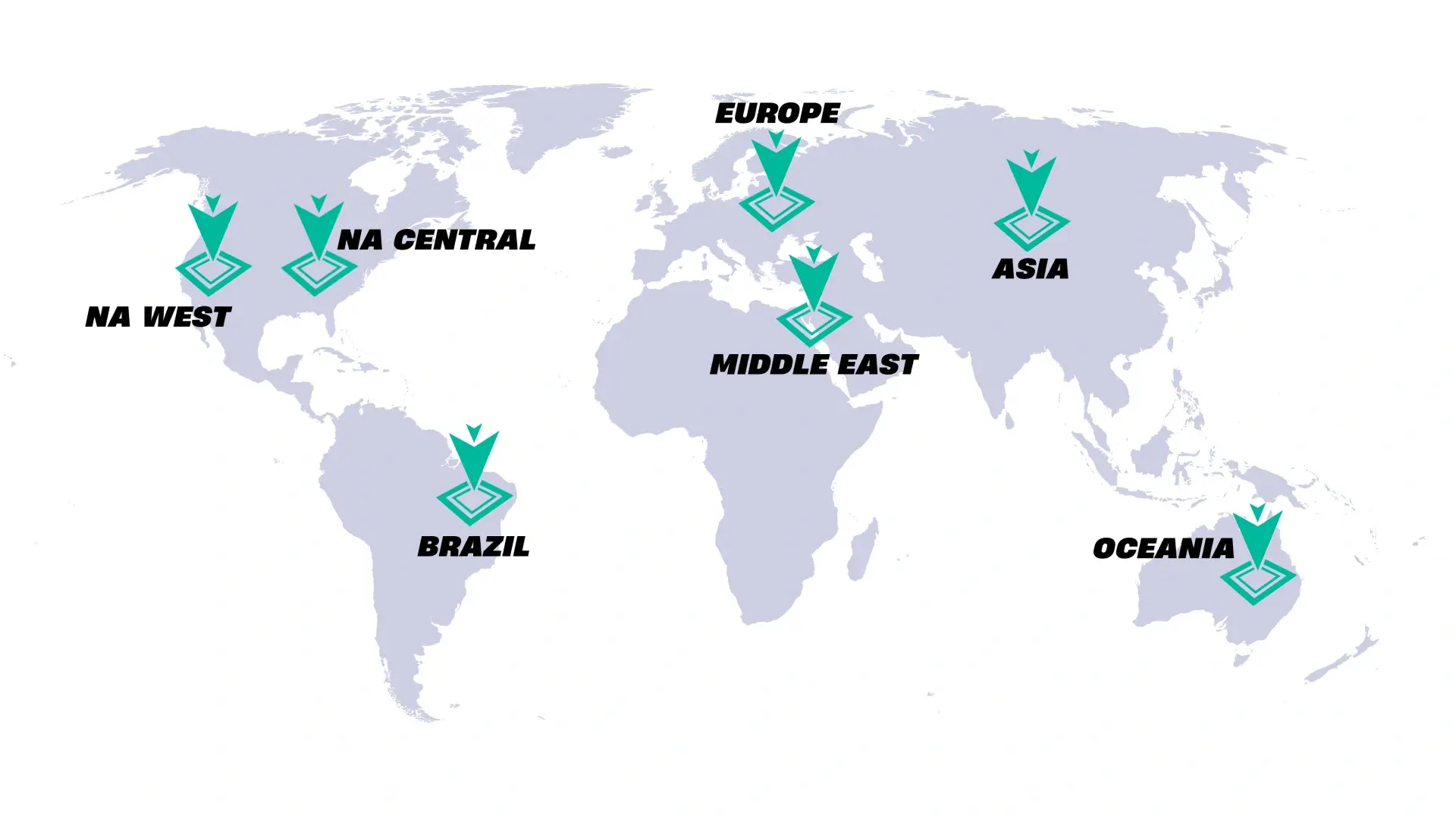 According to Epic Games' official latency troubleshooting documentation, the Middle East matchmaking region includes three documented ping testing endpoints:
 Not necessarily. A regional latency problem does not automatically mean Fortnite's matchmaking services are completely unavailable.
As of October 15, 2026, the Epic Games Public Status dashboard listed Fortnite game services and matchmaking as operational.
However, that overall operational status does not guarantee stable connections for every player in the Middle East.
Players can still experience high ping, packet loss, or inconsistent latency because of regional infrastructure disruptions, ISP routing, or the specific datacenter assigned to their match.
To check the Fortnite Middle East server status, players should consult both Epic's official status dashboard and its regional connectivity support notices.
If matchmaking is operational but ping remains unusually high, the issue may be related to the network path or server location rather than a complete Fortnite outage.
 If Fortnite Middle East ping remains high, the first step is identifying where the problem originates.
Start by checking Epic's service status and comparing your in-game latency with the official testing endpoints.
Using a wired Ethernet connection, avoiding background downloads and uploads, and checking local network congestion can help rule out problems inside your home network.
Players can also compare Auto matchmaking with available subregion preferences across several matches. If one option consistently delivers better latency without excessive queue times, it may be worth keeping.
If the problem persists, contact your ISP with the relevant endpoint, ping results, and details about when the issue occurs.
Where Are Fortnite Middle East Servers Located in 2026?
According to Epic Games' official latency troubleshooting documentation, the Middle East matchmaking region includes three documented ping testing endpoints:
- Bahrain: ping-bah.ds.on.epicgames.com
- Mumbai, India: ping-mum.ds.on.epicgames.com
- Israel: ping-il.ds.on.epicgames.com
What Happened to Fortnite Middle East Servers?
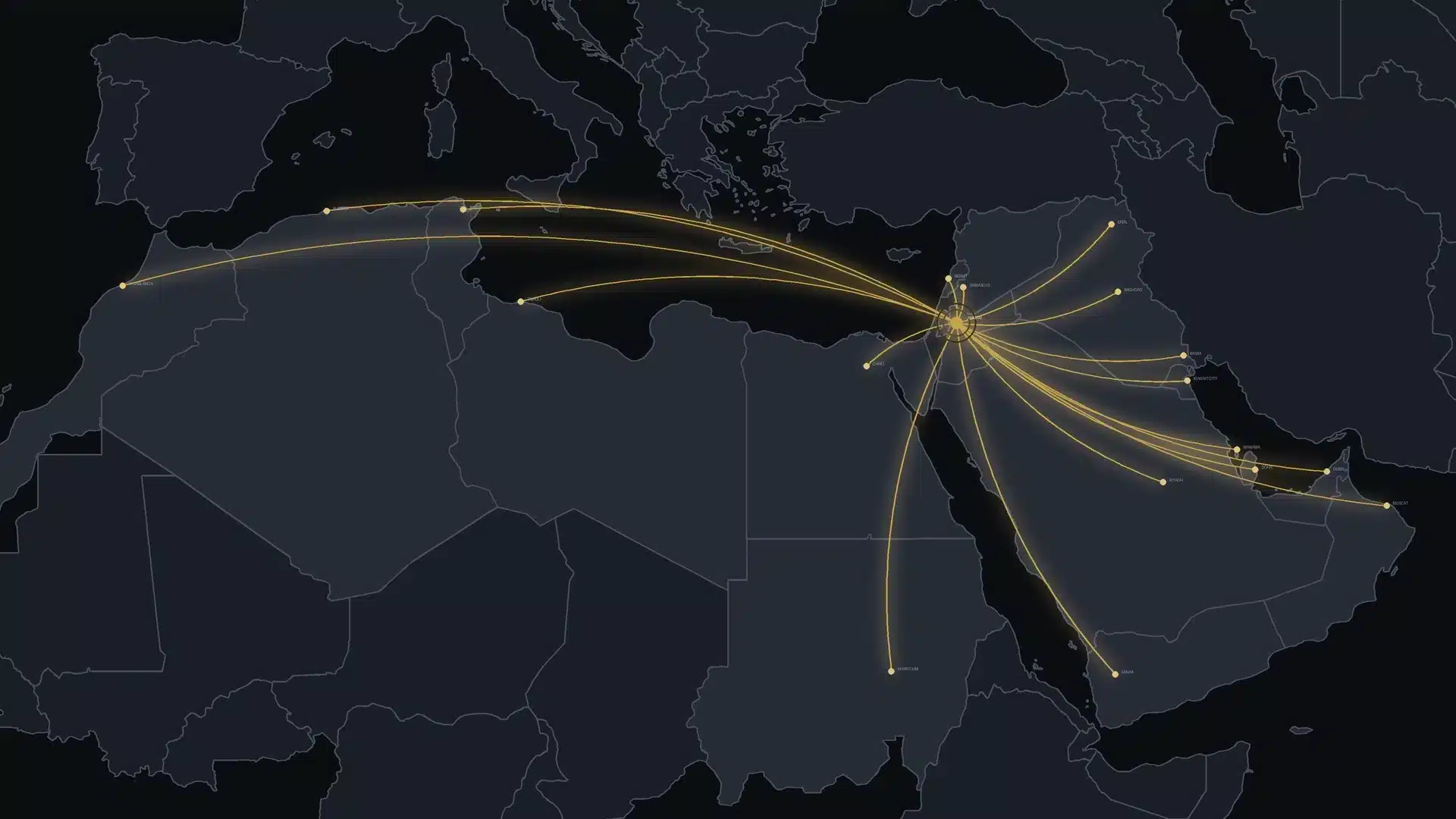
The regional connectivity problems became especially significant in March 2026, when Amazon Web Services (AWS) reported disruptions affecting its Middle East infrastructure. The incidents involved physical damage to facilities in Bahrain and the United Arab Emirates, affecting cloud services and regional connectivity. On March 24, Amazon publicly confirmed that its Bahrain cloud region had been disrupted and that affected customers were being supported in migrating workloads to alternative regions.The situation worsened in April
According to subsequent AWS updates, damage initially affected one Availability Zone in Bahrain during March. A second disruption in April left the entire Bahrain AWS region unavailable. On September 15, 2026, AWS reported that the damage had exceeded its regional recovery capabilities. The company confirmed that it could not restore access to resources and data hosted exclusively in the affected Bahrain region. AWS also reported that resources in one affected Availability Zone in the UAE could not be recovered, although recovery efforts continued elsewhere in that region. For Fortnite players, these developments help explain why regional server infrastructure has remained a concern. Epic Games has officially acknowledged increased latency in the Middle East, citing ongoing internet service disruptions. The company stated that it was rerouting connections to nearby local servers to improve the situation. However, Epic has not publicly confirmed that every Middle East Fortnite match was permanently moved to Mumbai. AWS infrastructure disruptions and Fortnite's specific matchmaking decisions are related issues, but they should not be treated as identical. For broader context on how the disruptions affected different games, read our MENA server crisis coverage.Are Fortnite Middle East Servers Down?
Not necessarily. A regional latency problem does not automatically mean Fortnite's matchmaking services are completely unavailable.
As of October 15, 2026, the Epic Games Public Status dashboard listed Fortnite game services and matchmaking as operational.
However, that overall operational status does not guarantee stable connections for every player in the Middle East.
Players can still experience high ping, packet loss, or inconsistent latency because of regional infrastructure disruptions, ISP routing, or the specific datacenter assigned to their match.
To check the Fortnite Middle East server status, players should consult both Epic's official status dashboard and its regional connectivity support notices.
If matchmaking is operational but ping remains unusually high, the issue may be related to the network path or server location rather than a complete Fortnite outage.
How Do Fortnite Middle East Subregions Affect Ping?
Fortnite's matchmaking system changed with Update 42.20, which introduced a new Subregion Preference setting. Instead of relying entirely on a broad matchmaking region, players can express a preference for a location within that region. According to Epic Games' Update 42.20 notes, Fortnite searches for a match in the preferred subregion first. If there are not enough players available, matchmaking can expand its search to other locations. This system considers several factors:- Latency: The connection quality between the player and the available datacenters.
- Player population: The number of players currently searching for a match.
- Queue times: How long matchmaking would take in the preferred location.
- Match quality: Maintaining reasonable matchmaking conditions.
How to Check Your Ping to Fortnite Middle East Servers
Players can measure their connection to Epic's documented endpoints without entering a Fortnite match. On Windows, open Command Prompt and enter the following command to test Bahrain:- ping ping-bah.ds.on.epicgames.com -n 50
- ping -c 50 ping-bah.ds.on.epicgames.com
These results are diagnostic, not a guarantee of in-game performance
Epic explains that ping tests use ICMP traffic, while Fortnite gameplay uses UDP. Different routing and traffic handling can produce different results. Performance can also vary depending on the player's country, ISP, network congestion, time of day, and the actual server hosting the match.What Can Players Do About Middle East Connection Issues?
If Fortnite Middle East ping remains high, the first step is identifying where the problem originates.
Start by checking Epic's service status and comparing your in-game latency with the official testing endpoints.
Using a wired Ethernet connection, avoiding background downloads and uploads, and checking local network congestion can help rule out problems inside your home network.
Players can also compare Auto matchmaking with available subregion preferences across several matches. If one option consistently delivers better latency without excessive queue times, it may be worth keeping.
If the problem persists, contact your ISP with the relevant endpoint, ping results, and details about when the issue occurs.