
Ghost from Call of Duty is one of the most iconic characters in the franchise, instantly recognized by his skull-patterned mask, tactical gear, and cold battlefield presence. Known as Simon Riley, he became a fan favorite through Modern Warfare 2 and later returned as a major figure in the rebooted Modern Warfare timeline.
Ghost from Call of Duty stands out because he combines mystery, military precision, and emotional weight. The character is officially described in modern Call of Duty materials as Simon “Ghost” Riley, a British Special Forces Operator and leading member of Task Force 141.
Ghost from Call of Duty also has two important versions to understand: the original 2009 continuity and the rebooted Modern Warfare continuity. Both versions share the same core identity, but their roles, story details, and presentation differ across games. That is why Simon Ghost Riley, Ghost Modern Warfare character, Ghost operator backstory, Ghost task force 141, and Ghost Call of Duty lore are still searched by fans today.
Who is Ghost from Call of Duty?
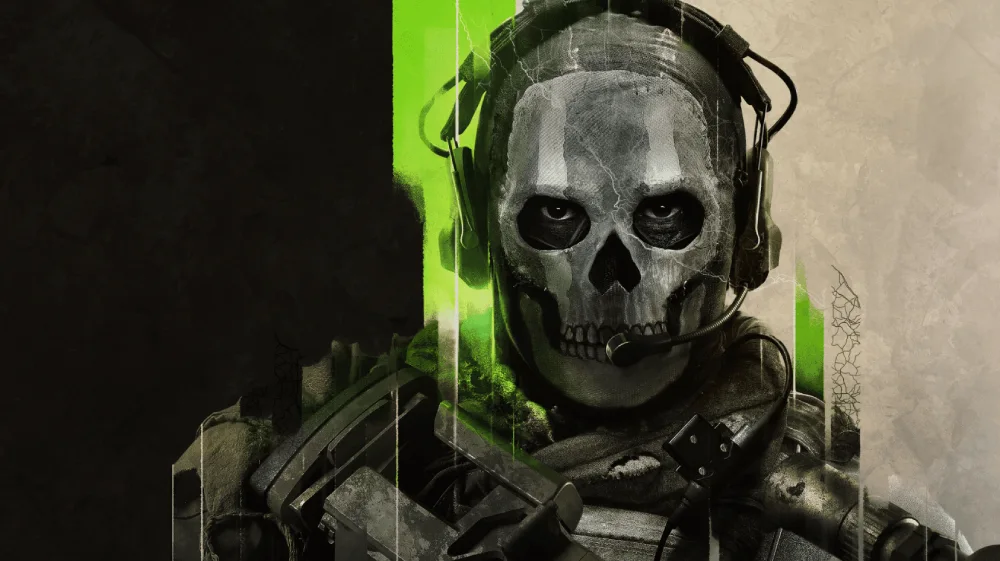
Ghost from Call of Duty is the codename of Simon Riley, a British special operations soldier best known for serving with Task Force 141. In the original Modern Warfare 2, he became famous for his skull balaclava, dark tactical presence, and role alongside Soap, Price, and Roach. In the rebooted Modern Warfare games, Ghost returns with a more developed role inside the modern Task Force 141 storyline.
Ghost is not just popular because of his mask. He became memorable because his design tells a story before he says a word. He looks like someone built for covert missions, psychological pressure, and high-risk operations.
Simon Ghost Riley identity explained
Simon Ghost Riley is usually presented as a British operator with a concealed identity and a redacted past. In the reboot timeline, he is associated with clandestine work, sabotage, infiltration, and anonymity in the field.
His identity is built around contrast. He is clearly human, but he presents himself like a symbol. The skull mask makes him feel almost mythic, while his tactical behavior keeps him grounded as a soldier.
Ghost task force 141 role
Ghost task force 141 connections are central to his identity. Task Force 141 is the elite multinational unit associated with characters like Captain Price, Soap, Gaz, and Ghost. In official Modern Warfare II marketing, Ghost was heavily used as a visual symbol of the team’s return.
Within the squad, Ghost often represents the darker edge of the team: controlled, blunt, disciplined, and emotionally guarded.
Why is Simon Riley called Ghost?
Simon Riley is called Ghost because the name fits his appearance, tactics, and emotional distance. The skull mask creates the visual identity, but the codename also suggests someone who operates in silence, disappears into combat zones, and keeps his past hidden.
In the original extended lore, Ghost’s background is tied to trauma, betrayal, and survival. In the rebooted continuity, his history remains more redacted, which keeps the mystery alive.
Ghost operator backstory
The Ghost operator backstory differs depending on which continuity you are discussing. The original version is strongly associated with the Modern Warfare 2 era and expanded materials, while the rebooted version is more restrained and keeps many personal details hidden.
What remains consistent is the core fantasy:
- A British special forces operative.
- A skull-patterned mask.
- A connection to Task Force 141.
- A reputation for stealth and precision.
- A past that is intentionally difficult to access.
This mystery is part of why Ghost Call of Duty lore continues to attract fans.
Ghost Call of Duty lore and symbolism
Ghost Call of Duty lore works because it uses absence as storytelling. The mask hides his face. His past is limited. His emotions are controlled. His dialogue is direct.
That gives players room to interpret him. Some see Ghost as a traumatized survivor. Others see him as a symbol of tactical discipline. Others simply connect with the visual identity of a soldier who looks impossible to intimidate.
What game did Ghost first appear in?
Ghost first became widely known through Call of Duty: Modern Warfare 2 from 2009. In that game, he appears as a key member of Task Force 141 and quickly became one of the most recognizable characters in the campaign.
The rebooted version appears in the newer Modern Warfare continuity, including Modern Warfare, Modern Warfare II, Modern Warfare III, and Warzone-related content.
Original Modern Warfare 2 Ghost
The original Ghost is remembered for his role in the 2009 campaign and one of the most shocking betrayal moments in Call of Duty history. His death scene with Roach became one of the franchise’s most discussed story moments.
This version helped create the legend. Even with limited screen time compared to other characters, Ghost became unforgettable.
Rebooted Ghost Modern Warfare character
The Ghost Modern Warfare character in the reboot is more present and more developed. He appears as part of the modern Task Force 141 storyline and is featured across campaign, multiplayer, Warzone, and operator content. In Modern Warfare II, Ghost is one of the major playable campaign characters in the reboot timeline.
This version gives fans more time with Ghost while still preserving the mystery around his face and past.
What does Ghost look like in Call of Duty?
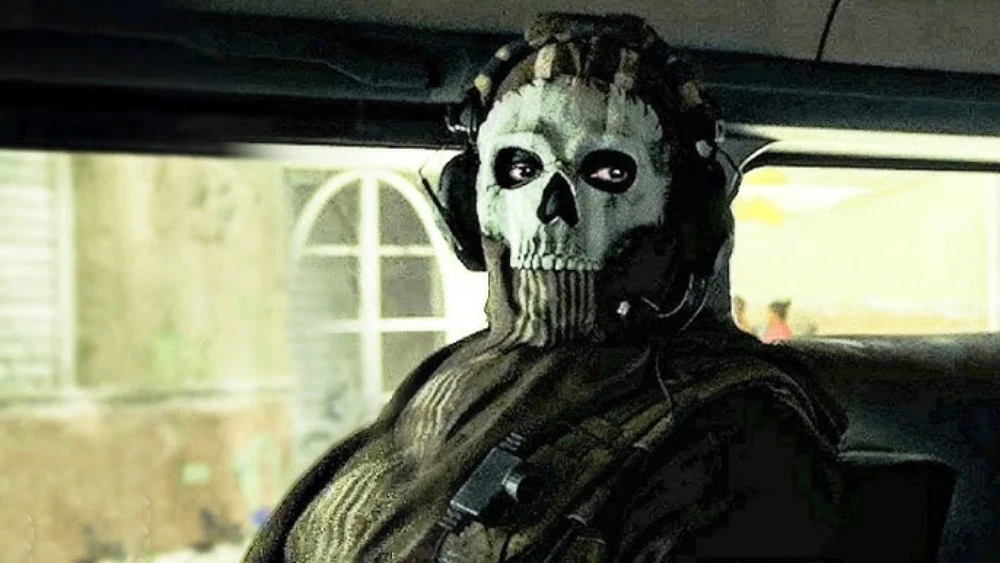
Ghost’s design is built around his skull mask, headset, tactical vest, and military gear. His look has changed across games, but the mask remains the center of the character.
That visual consistency is important. Even when his outfit changes, fans can identify him immediately.
Ghost mask and visual identity
Ghost’s skull mask is one of the most famous pieces of visual design in Call of Duty. It communicates intimidation, anonymity, and survival.
Common Ghost design elements include:
| Element | Meaning |
| Skull mask | Death, fear, anonymity |
| Tactical headset | Team communication |
| Dark gear | Stealth and covert identity |
| Military vest | Combat readiness |
| Covered face | Mystery and protection |
This is why Ghost works so well as an operator skin. His silhouette is strong, simple, and instantly readable.
Ghost skins and operator versions
Ghost has appeared in several operator forms, including classic-inspired designs and newer Warzone-era skins. The Red Team 141 Operator version was tied to Modern Warfare II Vault Edition content and included Ghost alongside other Task Force 141 characters.
Popular Ghost skin directions include:
- Classic skull balaclava.
- Red Team 141.
- Dark tactical variants.
- Warzone bundle skins.
- Campaign-inspired gear.
- Modern Warfare II reboot designs.
These skins are cosmetic, but they strengthen player identity in multiplayer and Warzone.
Why is Ghost so popular in Call of Duty?
Ghost is popular because he has a rare mix of simplicity and depth. His look is easy to remember, but his silence leaves space for interpretation. He does not need long speeches to feel important.
He also benefits from nostalgia. Players who remember the original MW2 still connect with his 2009 role, while newer fans discovered him through Modern Warfare II, Warzone, and social media edits.
The appeal of mystery
Ghost’s mystery is one of his strongest traits. Fans want to know what he looks like, what shaped him, and how much of Simon Riley still exists behind the mask.
That unanswered space keeps the character alive between games.
The mystery also supports different kinds of fan engagement:
- Lore videos.
- Fan art.
- Cosplay.
- Operator skin discussions.
- Campaign theory threads.
- Character edits.
- Mask recreations.
Tactical personality and fan impact
Ghost’s personality is direct, controlled, and intense. He is not comedic in the same way as some squadmates, but he still has strong chemistry with characters like Soap.
Fans often describe him as:
- Quiet.
- Loyal.
- Tactical.
- Emotionally guarded.
- Intimidating.
- Protective.
- Mission-focused.
That combination makes him feel dependable without making him feel simple.
How does ExitLag improve Ghost from Call of Duty gameplay?
ExitLag does not change Ghost’s lore, unlock skins, or affect Call of Duty story missions. However, it can improve the online gameplay experience when you play Modern Warfare, Warzone, or other Call of Duty multiplayer modes where connection stability matters.
This is important because playing as Ghost in multiplayer depends on reaction time, hit registration, movement, and server response.
Why connection stability matters in Call of Duty
Call of Duty is fast. Even small delays can affect gunfights, peeking, aiming, and positioning.
Connection problems can cause:
- High ping.
- Packet loss.
- Rubber-banding.
- Delayed shots.
- Hit registration issues.
- Match disconnects.
- Sudden lag spikes.
- Poor Warzone performance.
For Ghost-themed loadouts, stealth play, sniper support, or aggressive tactical pushes, lag can break the experience.
Using ExitLag with Call of Duty
ExitLag helps optimize the route between your connection and game servers. Instead of relying only on your default internet path, it searches for better routes that can reduce instability and improve responsiveness.
ExitLag can help players who:
- Play on distant servers.
- Experience packet loss.
- Get random ping spikes.
- Play Warzone during peak hours.
- Struggle with unstable ISP routing.
- Want smoother ranked or casual sessions.
It does not replace skill, loadout knowledge, or map awareness. But it can help your Call of Duty sessions feel more stable.
FAQ
Ghost from Call of Duty is Simon “Ghost” Riley, a British special forces operator and leading member of Task Force 141. He is best known for his skull-patterned mask, tactical role, and mysterious personality.
Ghost’s real name is Simon Riley. Fans usually refer to him as Simon Ghost Riley, although the standard format is Simon “Ghost” Riley.
Yes. Ghost is strongly associated with Task Force 141 in both the original Modern Warfare 2 era and the rebooted Modern Warfare timeline.
No. Ghost from Call of Duty is Simon Riley from the Modern Warfare storyline. Call of Duty: Ghosts is a separate game with a different story and characters.
Ghost’s face is intentionally kept hidden in most official appearances. Modern Warfare II includes moments that tease or partially show more of him, but his full public-facing identity remains built around the mask and mystery.
Why Ghost still defines Call of Duty legacy
Ghost from Call of Duty remains one of the franchise’s most powerful character designs because he is instantly recognizable and still mysterious. His skull mask, British special forces background, Task Force 141 role, and controlled personality make him stand out in a series filled with soldiers, operators, and cinematic action heroes.
He works in both timelines. The original Ghost became legendary through impact and tragedy. The rebooted Ghost became popular by giving fans more time with the character while keeping the mystery intact.
To recap, Ghost matters because he has:
- A clear visual identity.
- A memorable codename.
- Strong ties to Task Force 141.
- A mysterious backstory.
- Major fan recognition.
- Popular operator skins.
- A lasting role in Modern Warfare lore.
Ghost from Call of Duty gives players one of the franchise’s most iconic operator identities. If you want smoother matches while using Ghost in Modern Warfare or Warzone, try ExitLag to reduce lag, improve connection stability, and make every tactical move feel sharper.
Got questions or want to connect with other players? Join the conversation at the ExitLag Forum!