
The world of Ghost of Tsushima is defined by its immersive open-world structure, and the Ghost of Tsushima map is the core element that connects exploration, combat, and storytelling. Players are introduced to a beautifully crafted environment that blends realism with artistic direction, making navigation both functional and cinematic.
At its core, the Ghost of Tsushima map represents more than just terrain—it is a living ecosystem of quests, Mongol invasions, villages, and sacred landmarks spread across Tsushima Island and the expanded Iki Island region. Each area is designed to encourage exploration without overwhelming the player.
From the very beginning, the Ghost of Tsushima map guides progression through natural visual cues such as wind direction, animal movement, and environmental storytelling. This design choice reduces reliance on UI markers and enhances immersion.
The map is also essential for understanding strategic movement, as it connects stealth mechanics, combat encounters, and narrative progression in a seamless flow.
What is the Ghost of Tsushima Map?
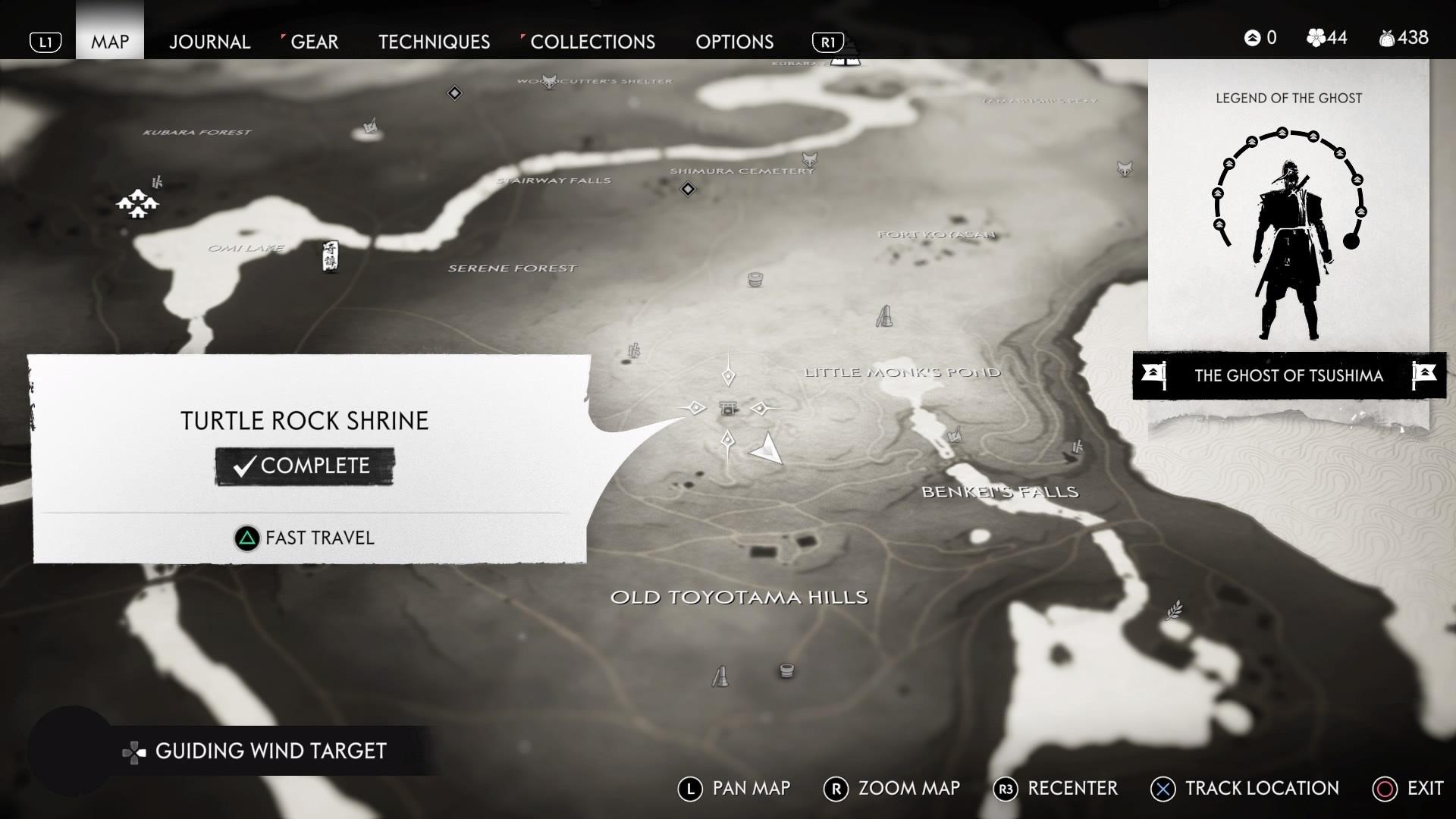
The Ghost of Tsushima map is an interactive open-world representation of Tsushima Island and Iki Island used for exploration, mission tracking, and environmental navigation.
It is designed to replace traditional minimap-heavy systems with a more immersive guidance mechanic based on wind direction and landmark discovery.
Core Map Purpose
- Guide exploration across multiple regions
- Mark quests, shrines, and enemy camps
- Support stealth and combat planning
- Enhance immersion through environmental navigation
ExitLag Optimization Insight
Although not part of the game itself, optimizing connection stability while navigating large open-world maps like the Ghost of Tsushima map can improve responsiveness during fast travel, combat transitions, and multiplayer-related features in similar titles.
Full Breakdown of Tsushima Island Regions
The Ghost of Tsushima map is divided into major regions, each offering distinct environments, enemies, and story progression paths.
Izuhara Region (Southern Area)
The starting zone introduces players to core mechanics.
- Dense forests and open fields
- Early Mongol invasions
- Tutorial quests and side missions
Toyotama Region (Central Area)
A more balanced region with wetlands and villages.
- River systems and marshlands
- Heavier enemy resistance
- Expanded side quests and armor upgrades
Kamiagata Region (Northern Area)
A harsh and snowy battlefield.
- Mountain terrain and frozen paths
- Strong Mongol fortifications
- Late-game difficulty spike
Iki Island Expansion
The Iki Island section adds a separate storyline with unique enemies and environmental storytelling, enriching the overall Ghost of Tsushima map experience.
Ghost of Tsushima Map Interactive Features
The modern Ghost of Tsushima map experience is enhanced by interactive tools that allow players to track progress and collectibles.
Key Features
- Location tracking for shrines and artifacts
- Enemy camp identification
- Fast travel optimization
- Side quest organization
External Resource
Players often use community maps such as guides on Ghost of Tsushima Wiki Map Guide to maximize exploration efficiency.
Gameplay Impact
Using interactive tools alongside the Ghost of Tsushima map reduces backtracking and helps complete 100% exploration runs more efficiently.
Combat Strategy Using the Ghost of Tsushima Map
The Ghost of Tsushima map is not just for exploration—it directly influences combat strategy.
Tactical Advantages
- Identifying Mongol strongholds
- Planning stealth infiltration routes
- Locating high ground for scouting
- Using terrain for ambush setups
Stealth Optimization
- Tall grass zones for hiding
- Cliff edges for aerial attacks
- Forest density for movement concealment
Combat Flow
Players who understand terrain layouts on the Ghost of Tsushima map can switch between samurai combat and stealth “Ghost” tactics more effectively.
Ghost of Tsushima Armor, Flags, and World Elements
The environment interacts deeply with progression systems such as gear and collectibles.
Ghost of Tsushima Armor
The Ghost of Tsushima armor system enhances gameplay by improving stealth, defense, or combat efficiency depending on the set equipped. Armor sets are often tied to exploration milestones across the map.
Ghost of Tsushika Flags
Collecting Ghost of Tsushika flags (commonly referred to as banners in-game) helps track completion progress in specific regions and encourages full-map exploration.
Houses in Ghost of Tsushima
Houses in Ghost of Tsushima often serve as narrative spaces, quest hubs, or liberated settlements that evolve as players progress through the map.
These structures reflect the impact of player decisions on the world state.
Exploring Tsushima Island and Iki Island in Depth
Tsushima Island Identity
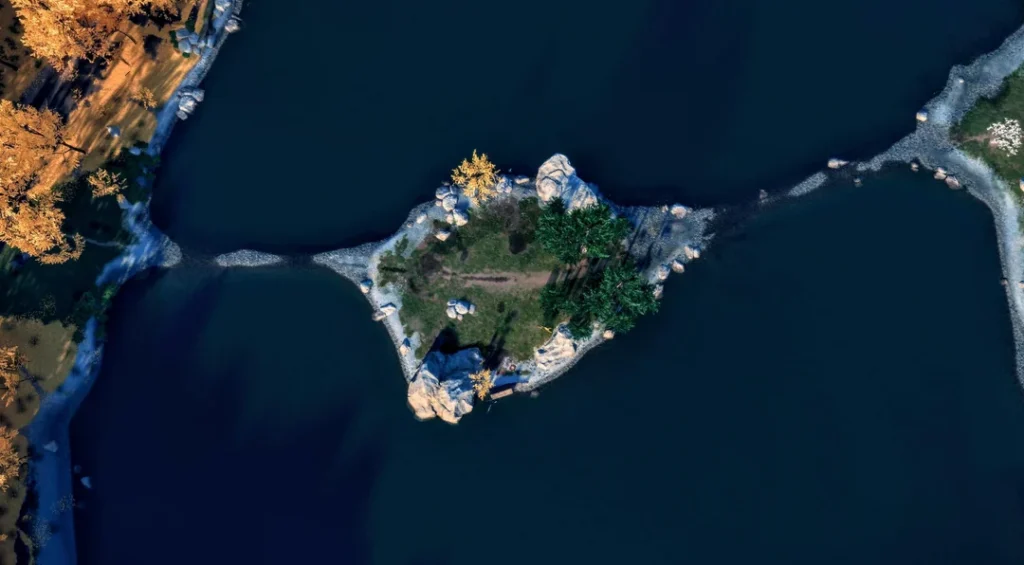
Tsushima Island serves as the main battleground and narrative center of the game.
Iki Island Expansion
Iki Island introduces:
- New enemy archetypes
- Spiritual storytelling arcs
- Dense environmental design
Together, these regions form the complete Ghost of Tsushima map experience.
Region Comparison Across the Map
| Region | Environment Type | Difficulty | Key Features |
| Izuhara | Forest/Plains | Easy | Early quests, tutorials |
| Toyotama | Wetlands | Medium | Balanced combat, villages |
| Kamiagata | Snow/Mountains | Hard | End-game enemies |
| Iki Island | Mixed Biomes | Hard | Expansion story content |
Exploration Systems and Navigation Mechanics
The Ghost of Tsushima map uses unique systems that replace traditional navigation.
Wind Guidance System
- Directs players toward objectives
- Eliminates UI clutter
- Encourages immersion
Animal Indicators
- Birds lead to points of interest
- Foxes guide to shrines
Landmark Recognition
Players memorize terrain features rather than relying solely on icons, reinforcing engagement with the Ghost of Tsushima map.
Hidden Areas and Secret Exploration Zones
The Ghost of Tsushima map includes numerous hidden areas that reward curiosity.
Secret Caves and Grottos
- Contain rare loot
- Often unmarked
- Require environmental observation
Legendary Locations
- Weapon upgrades
- Mythic quests
- Challenge-based rewards
Exploration Depth
These areas ensure that the Ghost of Tsushima map feels alive and constantly rewarding.
Advanced Navigation Tips for Mastery
Core Efficiency Tips
- Follow wind direction instead of markers
- Unlock fast travel points early
- Clear Mongol camps for safe zones
- Upgrade traversal speed using horse paths
Strategic Exploration Habits
- Prioritize shrine discovery early
- Sync exploration with story missions
- Avoid unnecessary fast travel to learn geography
Resource Optimization
Efficient use of the Ghost of Tsushima map reduces time spent backtracking and improves overall gameplay flow.
Combat and Environmental Synergy
The Ghost of Tsushima map directly affects combat outcomes.
Terrain Usage
- Elevation advantages for archery
- Forest cover for stealth kills
- Open fields for duels
Enemy Positioning
- Camps are strategically placed
- Patrol routes follow terrain logic
- Strongholds require multi-angle attacks
Important Gameplay Features Across the Map
Liberation System
- Free occupied territories
- Unlock safe zones
- Gain resources and allies
Story Integration
Each region of the Ghost of Tsushima map contributes to Jin Sakai’s transformation into the Ghost.
Conclusion About Ghost of Tsushima Map
Mastering the Ghost of Tsushima map is essential for fully experiencing the depth of exploration, combat, and storytelling in the game. Whether navigating Tsushima Island, collecting Ghost of Tsushika flags, upgrading Ghost of Tsushima armor, or exploring houses in Ghost of Tsushima, every element connects back to the mastery of the map itself. And to improve your gaming experience even further, you can rely on tools such as ExitLag to optimize connection and reduce lag.
FAQ
How big is the Ghost of Tsushima map?
It spans multiple regions across Tsushima Island and Iki Island, offering a large open-world experience.
What is the best way to explore the map efficiently?
Use wind navigation, unlock fast travel points, and clear Mongol camps early.
Does Iki Island change the main map experience?
Yes, it adds new enemies, quests, and environmental storytelling.
Are there hidden areas in the game world?
Yes, caves, shrines, and legendary locations are spread throughout the map.
Is armor important for exploration?
Yes, different armor sets improve stealth, combat, and mobility across regions.