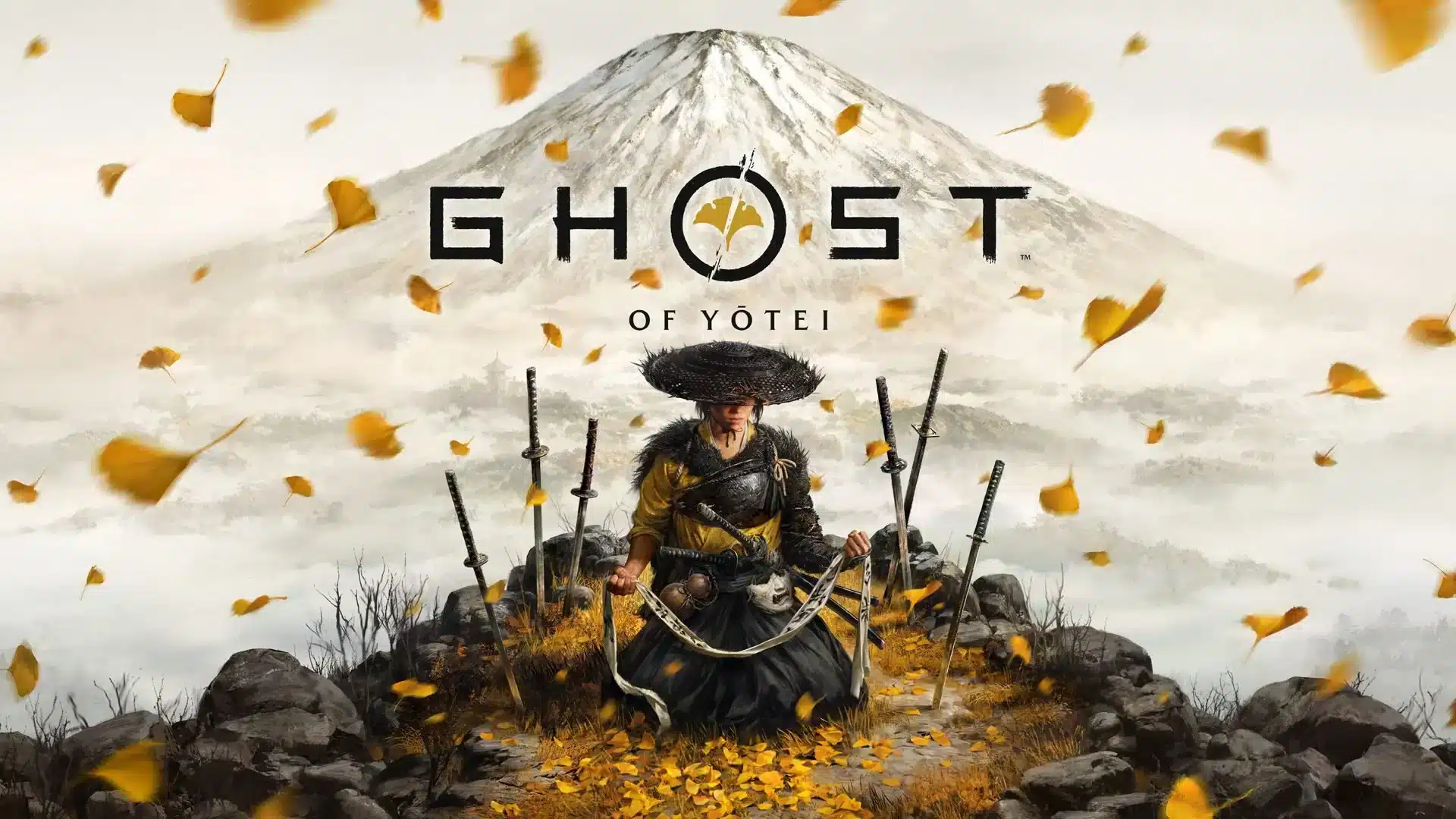
Ghost of Yōtei is one of the most anticipated PlayStation 5 exclusives of the decade, bringing a fresh vision of open-world samurai action to a new generation of players. As the spiritual successor to iconic Japanese‑inspired adventures, the game redefines combat fluidity, cinematic storytelling, and atmospheric exploration. From the very first moments, ghost of yōtei sets the tone with emotional depth, breathtaking landscapes, and a protagonist driven by vengeance.
In the following sections, you’ll discover everything about Ghost of Yōtei’s release date, key gameplay systems, world design, and the unique features that make this PS5 exclusive stand out. Most importantly, this guide helps you understand what to expect from the game the moment you begin your journey across Mount Yōtei.
To answer the first major question players ask - what is Ghost of Yōtei, and where does its story take place? - this epic unfolds in 1603 within Ezo, the region now known as Hokkaido. The main character, Atsu, embarks on a path of vengeance after a shadowy group called the Yōtei Six destroys her family. This setting establishes a powerful narrative foundation supported by chilling lore, masterful environmental design, and deep emotional stakes.
Ghost of Yōtei Release Date & Platforms
Ghost of Yōtei officially launched on October 2, 2025, introducing PS5 players to an atmospheric world filled with danger, mystery, and memorable characters. The game is exclusive to PlayStation 5, taking full advantage of fast loading speeds, DualSense haptics, fluid 60 FPS modes, and Sony’s cutting‑edge rendering technology.
For fans who follow PlayStation’s release cycles, this exclusivity shouldn’t come as a surprise - advanced weather effects, expansive open environments, and seamless transitions all rely on PS5 hardware capabilities. That means players can expect smooth exploration, fast travel without interruptions, and responsive combat mechanics, especially during intense boss fights.
Boldly standing as a PS5‑only release, Ghost of Yōtei joins a growing list of cinematic adventure titles designed to maximize immersion through next‑gen features. Whether you explore snowy peaks or dark forests, the hardware ensures a consistent and visually stunning performance.
Ghost of Yōtei Gameplay Deep Dive
Ghost of Yōtei delivers a refined combat structure that blends precision, timing, and versatility. Instead of relying solely on predefined stances, the game introduces a weapon‑based counter system, allowing players to switch between tools to exploit enemy weaknesses dynamically. This evolution makes encounters more tactical and engaging.
Combat System: Counters, Weapons, and Stealth
At the core of Ghost of Yōtei's combat are three pillars:
- Reactive counters that reward timing and awareness.
- Multi‑weapon combat, letting players unlock and cycle through deadly blades.
- Stealth mechanics that encourage strategic positioning and silent eliminations.
The game includes visceral finishers, flawless parries, and precise dodges. Players can disarm enemies, pick up fallen weapons, and turn the tide of a battle in seconds. Each weapon category - from katana to spear - feels distinct and meaningful.
Meanwhile, stealth lovers will appreciate silent takedowns, foliage camouflage, and nighttime infiltration opportunities. Shadows and weather elements such as mist or snowstorms also influence visibility and detection.
Open World: Exploration, Biomes, and Side Activities
Mount Yōtei’s surrounding landscape offers a massive, interconnected world characterized by diverse biomes - frosted plains, bamboo groves, volcanic caverns, and ancient settlements. The open‑world structure encourages discovery and rewards exploration.
Players can:
- Track wildlife across snow‑covered paths.
- Discover hidden shrines and lore fragments.
- Join village events and resolve local conflicts.
- Follow foxes to sacred charm locations.
- Participate in traditional Japanese activities like painting and playing shamisen.
Every region presents unique enemies, environmental challenges, and narrative threads. This design keeps progression fresh, ensuring players always find something new.
Characters in Ghost of Yōtei
The emotional weight of Ghost of Yōtei rests heavily on its unforgettable cast. The story revolves around Atsu, a mercenary whose life is shattered when the Yōtei Six - an elite group of brutal warlords - destroys her home.
Atsu: The Protagonist
Atsu is a complex figure defined by loyalty, grief, and unwavering determination. Her transformation into the Ghost carries both symbolic and literal meaning - she moves silently, strikes decisively, and adapts to every threat she encounters. Her journey highlights themes of vengeance, honor, and identity.
The Yōtei Six: Antagonists With Purpose
Each member of the Yōtei Six represents a deadly ideology:
- The Snake – stealth and betrayal.
- The Oni – brute strength.
- The Kitsune – trickery and illusion.
- The Spider – traps and manipulation.
- The Dragon – domination through fear.
- Lord Saito – the mastermind behind Atsu’s tragedy.
These villains shape the world’s atmosphere and fuel the player’s motivation to uncover their secrets and bring justice to Ezo.
Ghost of Yōtei Weapons & Combat Styles
One of the game’s most exciting aspects is its arsenal. Combat depth expands significantly as you unlock weapons, each offering different advantages and special abilities.
Melee Arsenal: Katana, Yari, Kusarigama, and Ōdachi
The katana serves as the player’s primary tool, delivering balanced speed and power. As the journey progresses, Atsu gains access to:
- Yari (spear) for long‑reach thrust attacks.
- Kusarigama (chain‑sickle) for unpredictable combos.
- Ōdachi (greatsword) for devastating wide swings.
Each weapon changes your counter patterns, combo flows, and crowd control potential, enhancing replayability.
Ranged Tools and Firearms
Players also wield:
- Traditional yumi bows.
- Strategic matchlock rifles.
- Quick‑draw tanzutsu pistols.
These tools allow silent eliminations, long‑range precision, and last‑second tactical responses during chaotic encounters.
Ghost of Yōtei Story, Setting & Lore
Set in 1603, Ghost of Yōtei takes players to the rugged lands around Mount Yōtei. The region blends historical Japanese culture with myth‑inspired undertones, creating an immersive and emotionally gripping world.
Atsu’s quest for vengeance intertwines with local folklore, ancient shrines, and mysterious forces. Every area is shaped by history, loss, and the presence of the Yōtei Six.
Ghost of Yōtei Reviews & Community Reception
Upon release, Ghost of Yōtei received generally favorable reviews, praised for its combat improvements, stunning environments, and emotionally resonant storytelling.
Players admire:
- The refined counter‑based combat system.
- The diversity of biomes and activities.
- The memorable antagonist encounters.
However, some reviews note that certain side quests feel familiar, calling for more creative mission variety.
Performance Tips: ExitLag for a Smoother Ghost of Yōtei Experience
While Ghost of Yōtei runs natively on PS5, players using remote play or cloud‑based setups can greatly benefit from ExitLag. The tool:
- Reduces latency during remote sessions.
- Stabilizes routing paths.
- Eliminates packet loss and stutter.
Smooth responsiveness is crucial in a counter‑focused combat game, making ExitLag a valuable upgrade for players seeking the best possible performance.
Ghost of Yōtei Updates & Post-Launch Content
Ghost of Yōtei continues to evolve after launch, receiving quality-of-life improvements, performance refinements, and new content that enhances player immersion. While the core adventure remains the heart of the game, updates have added options for replayability and technical stability. Players can expect smoother visuals, gameplay tweaks, and long-term support as the game matures.
Free Updates and New Game+ Improvements
Shortly after release, Ghost of Yōtei received updates that addressed minor visual inconsistencies, added performance improvements, and extended the game's replay value. Enhancements such as more responsive controls, better lighting transitions, and stability patches contribute to a polished experience. These updates help reinforce the game's cinematic presentation while maintaining fluid exploration across the world of Mount Yōtei.
New Game+ adjustments provide incentives for returning players, offering opportunities to revisit key moments with upgraded abilities and enhanced enemy encounters. While new story elements or modes have not been officially confirmed, the updates demonstrate a commitment to refining the overall experience.
Technical Enhancements and Player Experience
Updates also improve technical performance, supporting higher framerates in demanding environments and reducing minor stuttering in densely populated areas. These refinements help ensure consistent visual quality, especially during fast-paced combat or dynamic weather changes.
Memory management optimizations have reduced loading interruptions and improved responsiveness on the PlayStation 5 hardware. This ensures that players can enjoy uninterrupted progression while traveling through forests, snowy mountains, and village hubs.
Reception & Sales Performance
Since launch, Ghost of Yōtei has achieved strong commercial success, resonating with both fans and critics. The game has been recognized for its atmospheric storytelling, visually rich environments, and emotionally charged character development.
Critical Reviews and Player Impressions
Reviews highlight the game's cinematic approach, tight combat, and compelling worldbuilding. Critics often praise its strong direction, emotional depth, and attention to aesthetic detail. While some note areas for improvement, such as pacing and side quest variety, the overall consensus remains positive.
Players appreciate the balance between narrative moments and exploration, allowing for both structured progression and open-world freedom. The community frequently discusses the game's artistic achievements and the emotional impact of key story beats.
Sales Milestones and Commercial Success
Ghost of Yōtei has performed strongly in global sales charts, earning attention as a standout PlayStation exclusive of its release year. It ranks among the best-selling PS5 titles of its period, driven by strong marketing, word of mouth, and anticipation from fans of action-adventure games.
The combination of rich environments and a captivating protagonist solidifies its appeal across diverse player groups, contributing to impressive early sales figures and sustained interest.
What’s Confirmed vs. What’s Rumored: Separating Facts from Speculation
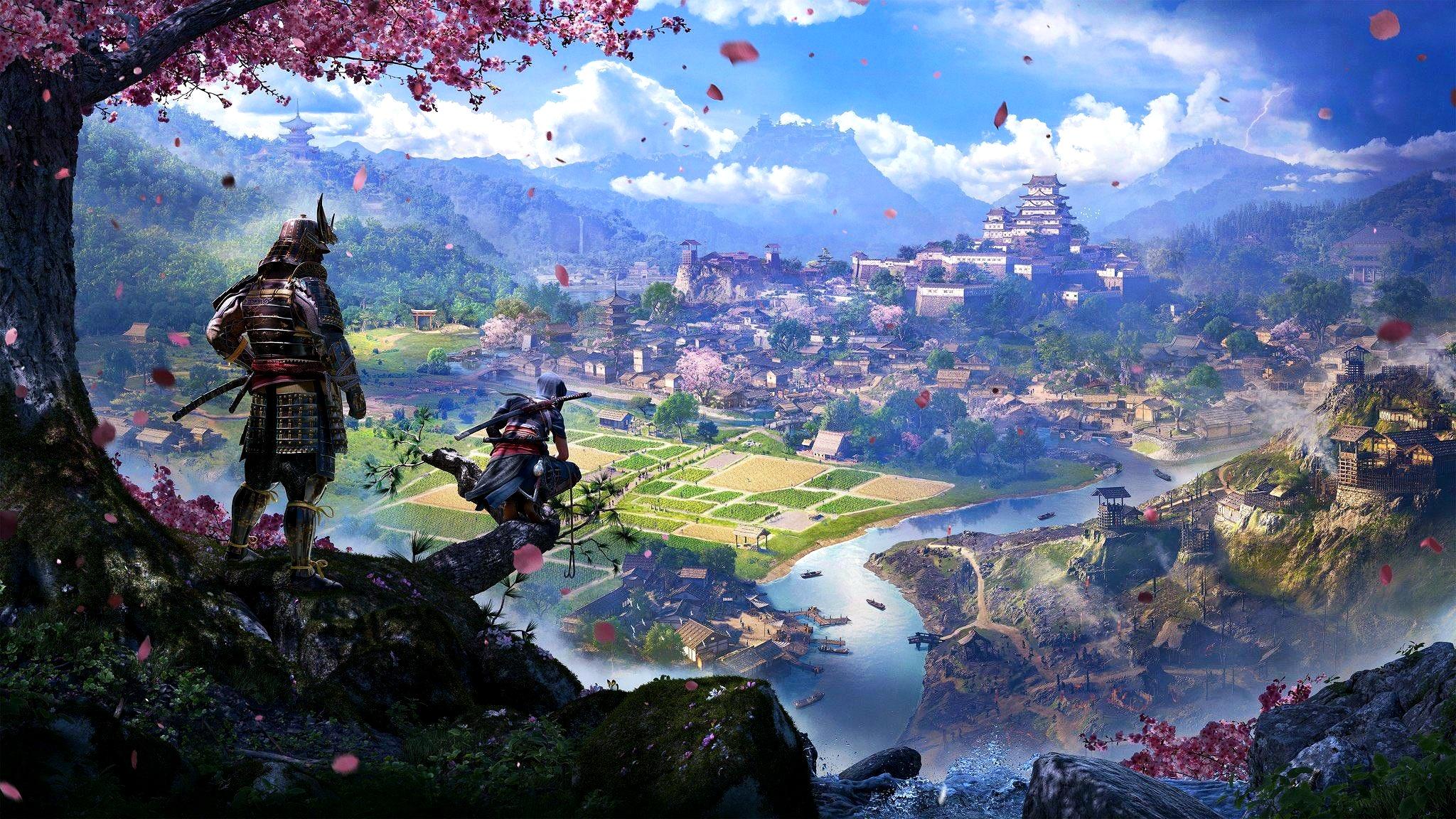
Given its high-profile release, much discussion surrounds Ghost of Yōtei’s mechanics, lore, and long-term content. However, it’s vital to distinguish confirmed information from speculation. The game blends elements of history and fiction, creating a world inspired by real Japanese settings while maintaining a fictional narrative.
Confirmed Facts: Setting, Protagonist, and Core Themes
Ghost of Yōtei takes place in 1603 in the region surrounding Mount Yōtei. The confirmed protagonist, Atsu, leads players through a journey shaped by loss, perseverance, and self-discovery. Officially published materials emphasize cultural inspiration without asserting strict historical accuracy.
Themes of survival, identity, and personal conflict play significant roles throughout the story. Environmental storytelling further deepens immersion, giving players a layered narrative that encourages exploration.
Unconfirmed Mechanics and Rumored Features
Some features discussed in early community speculation - including extensive weapon categories, named antagonist factions, or complex ranged systems - have not been confirmed by official sources. Until formal announcements detail these gameplay elements, they remain speculative.
It’s important to rely on verified information when evaluating game features. While fan theories fuel excitement, the final product may differ from initial expectations.
Why Verification Matters
Understanding what is officially confirmed helps players set realistic expectations. It also ensures that community discussions remain grounded and respectful of the information developers have released. As new updates or expansions become available, more concrete details will likely emerge.
How ExitLag Can Benefit Ghost of Yōtei Players
Ghost of Yōtei is primarily a single-player experience, yet players who use Remote Play or cloud-based game streaming can still benefit significantly from a stable and optimized connection. ExitLag helps ensure smooth, consistent gameplay during off-device sessions.
Reducing Latency and Packet Loss
ExitLag’s network optimization reduces latency and packet loss, both critical for players streaming Ghost of Yōtei over Remote Play. This leads to clearer image stability, more responsive controls, and fewer interruptions.
Improving Remote Play Quality
Players who travel or rely on shared networks often encounter inconsistencies in their connection. ExitLag enhances routing paths, improving Remote Play quality for those accessing their PS5 library from a distance.
Why Smooth Performance Matters in an Action Game
Ghost of Yōtei emphasizes precise timing and reactive combat. Even outside direct PS5 gameplay, a stable connection maintains input reliability and visual clarity. This ensures that cinematics, exploration, and combat moments are experienced as intended.
Final Thoughts: Is Ghost of Yōtei Worth Playing?
Ghost of Yōtei stands out as a visually stunning, emotionally engaging, and mechanically refined title. Its strong narrative foundation, atmospheric worldbuilding, and ongoing performance updates create a compelling package for fans of action-adventure games.
Players who appreciate immersive storytelling and richly detailed environments will find Ghost of Yōtei a gripping and memorable experience. With continued support and optimization tools such as ExitLag improving access for remote play users, the game remains a strong recommendation for 2025 and beyond.
All game images used in this blog belong to their respective developer. They are used for informational/educational purposes only and do not imply endorsement or affiliation with the rights holders.