

Goose Goose Duck is one of the most engaging social deduction games available today, combining deception, teamwork, and psychological warfare in fast-paced multiplayer matches. At first glance it may look lighthearted and colorful, yet every session quickly turns into a strategic battlefield where observation and manipulation determine the winner.
In Goose Goose Duck, success depends far more on awareness and adaptability than raw mechanics. Players who consistently win understand player behavior, master map flow, and adjust their decisions according to lobby dynamics. Whether you are a Goose completing tasks or a Duck orchestrating sabotage, refining your decision-making is what separates casual players from dominant ones.
What is Goose Goose Duck?
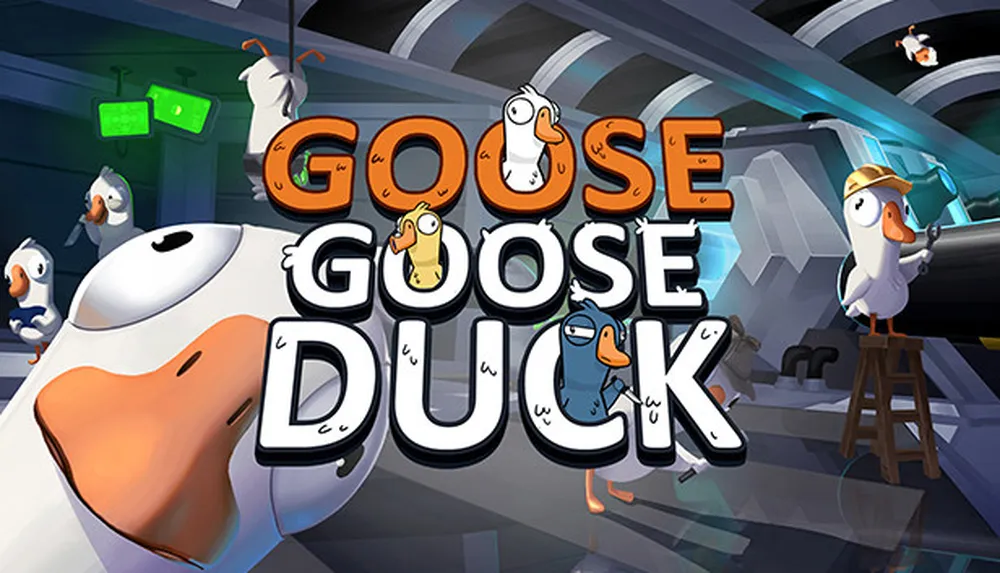
Goose Goose Duck is a multiplayer social deduction game where players are divided into opposing teams — primarily Geese and Ducks — each with unique objectives. Geese aim to complete tasks or identify and eliminate Ducks through discussion and voting, while Ducks attempt to sabotage, eliminate Geese, and manipulate conversations without being exposed.
Although the core loop resembles other social deduction titles, Goose Goose Duck introduces layered role mechanics, advanced sabotage options, and dynamic lobby settings that dramatically alter each match. Therefore, understanding both the fundamentals and advanced strategies is essential if you want consistent victories.
Goose Goose Duck Core Mechanics and Match Flow
Understanding the match structure is the first step toward mastering Goose Goose Duck strategy. Every round follows a rhythm: exploration, task execution or sabotage, discovery, discussion, and voting. Players who recognize this pattern can manipulate its pacing to their advantage.
Match Phases Explained
The opening phase focuses on movement and task distribution. Geese scatter across the map to progress objectives, while Ducks look for isolation opportunities. Early-game observation is critical because patterns formed here often expose impostors later.
Mid-game typically involves the first eliminations and emergency meetings. This is when information becomes fragmented and psychological pressure increases. Ducks often attempt bold plays here, while Geese must consolidate evidence logically.
The late game is where discipline matters most. With fewer players alive, each vote carries weight. Misjudging one interaction can instantly decide the outcome.
Win Conditions and Objectives
Geese can win by:
- Completing all assigned tasks
- Successfully identifying and voting out all Ducks
- Leveraging certain enabled role abilities
Ducks win by:
- Eliminating enough Geese to reach parity
- Causing chaos through sabotage that leads to voting mistakes
- Manipulating trust networks
Because each lobby may enable custom roles, reviewing objectives at the start of every round is a key Goose Goose Duck winning tip.
Mastering Goose Roles in Goose Goose Duck
Playing on the Goose side requires discipline and structured thinking. While many players focus only on task completion, experienced competitors understand that positioning and information control are equally important in Goose Goose Duck.
Task Efficiency and Map Awareness
Completing tasks quickly strengthens team progress, but blindly rushing can isolate you. Instead:
- Prioritize high-traffic areas early
- Rotate through central map sections
- Avoid dead-end rooms without confirmation of safety
Visible tasks can act as proof of innocence in some modes. If animations are enabled, use them strategically when other players are nearby.
Reading Behavioral Patterns
Observation is the strongest Goose tool. Watch for:
- Players hovering without task interaction
- Sudden direction changes after lights sabotage
- Individuals avoiding group rotations
Strong social deduction skills come from comparing movement timelines with reported events.
Advanced Goose Role Guide
In custom lobbies, Goose roles may include:
- Detective: Gains investigative insights on players
- Vigilante: Can eliminate a suspect under specific conditions
- Medium: Communicates with recently eliminated players
- Bodyguard: Protects allies from attacks
Each ability should be used with calculated timing. Wasting a power early often shifts momentum in favor of Ducks.
Playing as Duck: Advanced Goose Goose Duck Strategy
Winning as a Duck requires patience and emotional control. Unlike Geese, Ducks must simulate authenticity while secretly dismantling the team from within.
Blending In Naturally
Effective Ducks:
- Mirror group movement patterns
- Fake tasks in believable locations
- Speak with measured confidence during meetings
Overacting is one of the most common mistakes in Goose Goose Duck. Subtlety always outperforms aggression.
Sabotage Timing and Control
Strategic sabotage separates strong Ducks from reckless ones.
- Disable lights before approaching isolated targets.
- Trigger location-based sabotage to draw players away from bodies.
- Avoid stacking sabotages unless confusion is guaranteed.
Cooldown awareness is vital. Launching a sabotage immediately after a meeting often draws suspicion.
Specialized Duck Roles
Custom modes may include:
- Morphling: Copies another player’s appearance
- Silencer: Prevents a player from speaking during meetings
- Spy: Gains subtle information advantages
- Cannibal: Removes bodies to erase evidence
Each role requires adaptation. For example, Morphlings benefit from high-traffic transformations, while Silencers should target influential voices.
Map Knowledge and Positioning in Goose Goose Duck
Map control is an underestimated pillar of Goose Goose Duck strategy. Players who memorize layouts gain a decisive advantage in both offense and defense.
Learning Task Locations
Knowing exact task placements allows you to:
- Detect false alibis instantly
- Plan safe task rotations
- Identify inefficient movement patterns
Certain maps include visual confirmation mechanics. Learn which tasks provide animation cues.
Escape Routes and Dead Zones
Ducks should memorize vent paths and low-traffic corridors. Geese should mark high-risk corners mentally and avoid isolated pathways unless accompanied.
Below is a simplified comparison of strategic map elements:
| Map Element | Goose Advantage | Duck Advantage |
| Central Hubs | Strong alibi building | Harder to eliminate unnoticed |
| Isolated Rooms | Risky positioning | Ideal ambush zones |
| Vent Networks | Limited access | Fast escape and reposition |
| High-Traffic Tasks | Visual confirmation opportunities | Fake task blending potential |
Understanding these elements elevates your Goose Goose Duck performance dramatically.
Communication and Social Deduction Mastery
Meetings are where matches are truly decided. Mechanical skill matters less than clarity and persuasion.
Effective Meeting Behavior
- Speak concisely and factually
- Reference timestamps and movement paths
- Avoid emotional overreactions
Players who over-explain often attract suspicion.
Tactical Silence
Remaining quiet can be more powerful than leading accusations. Let others contradict themselves. In many Goose Goose Duck lobbies, silence creates credibility.
Reading Vocal and Text Cues
In voice-enabled matches, tone shifts and hesitation provide subtle tells. In text-based sessions, delayed responses and inconsistent phrasing may signal panic.
Common Mistakes in Goose Goose Duck and How to Avoid Them
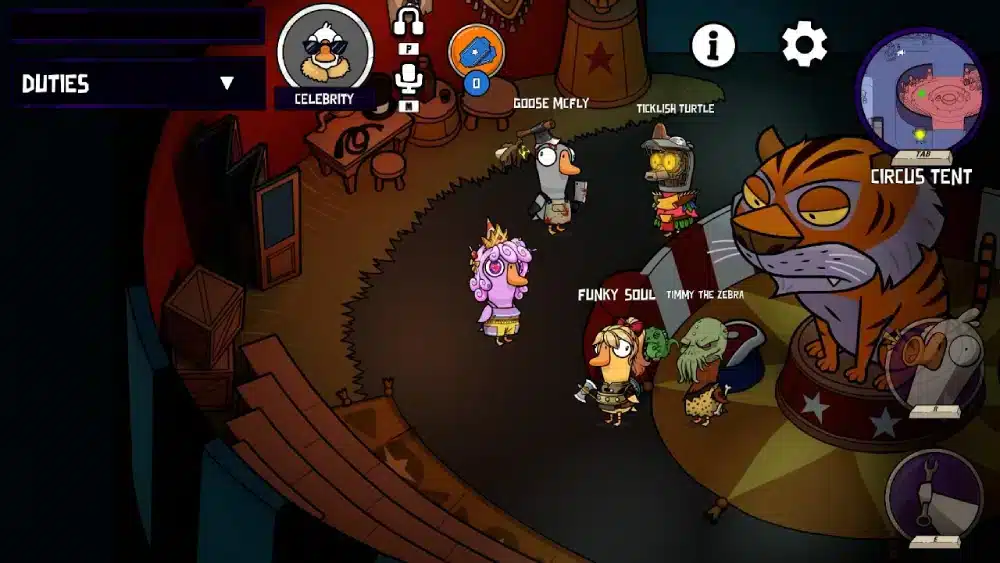
Even experienced players make predictable errors.
Over-Talking
Dominating discussions without evidence often leads to early elimination.
Blind Voting
Following majority votes without analysis makes you manipulable.
Ignoring Role Objectives
Each match begins with role clarification. Skipping that information leads to wasted opportunities.
Improving in Goose Goose Duck means reviewing mistakes after each round rather than blaming luck.
Advanced Competitive Goose Goose Duck Winning Tips
High-level lobbies demand refined awareness.
Movement Tracking
Memorize who passed key corridors and when. This timeline reconstruction frequently exposes lies.
Microculture Adaptation
Every lobby develops its own rhythm. Some are aggressive voters; others demand hard proof. Adapt your tone accordingly.
Pressure Testing
Subtly challenge suspicious players with location-specific questions. Inconsistent answers often reveal hidden roles.
These techniques enhance long-term Goose Goose Duck consistency.
Optimizing Performance and Reducing Lag
Connection issues can sabotage even the best strategy.
Why Stability Matters
- Delayed sabotage activation can expose Ducks
- Lag spikes may look like suspicious movement
- Missed meeting inputs disrupt defense
How ExitLag Improves Matches
ExitLag optimizes multi-route connections and dynamically selects the best server path, reducing ping fluctuations. Stable routing ensures smoother gameplay and sharper reactions during crucial Goose Goose Duck moments.
Players serious about competitive performance should treat network optimization as part of their preparation.
Developing a Personal Goose Goose Duck Strategy
Improvement requires structured practice.
Practice Framework
- Start in smaller lobbies
- Focus on one role archetype at a time
- Review match flow mentally afterward
Building Trust Intentionally
Trust is currency in Goose Goose Duck. Build it gradually through consistent behavior rather than flashy plays.
Strategic Risk Assessment
Ask yourself before every action: Does this move create more confusion than clarity? High-level players calculate outcomes before acting.
Goose Goose Duck Meta Evolution and Role Depth
As updates introduce new mechanics, the meta shifts. Social deduction remains central, but role interactions continue to expand strategic depth.
Adapting to evolving lobby compositions ensures longevity and competitive advantage.
Conclusion About Goose Goose Duck
Because timing, positioning, and communication are crucial in Goose Goose Duck, connection stability plays an important role in competitive matches. Tools like ExitLag help stabilize routing and reduce latency spikes, ensuring your movement, sabotage actions, and meeting participation occur without delay during critical moments.
FAQ
Focus on observation, logical voting, task timing, and adapting to lobby behavior. Avoid emotional decisions and track movement carefully.
Blend in naturally, sabotage strategically, isolate targets intelligently, and avoid overacting during meetings.
Yes. Memorizing task locations and escape routes significantly improves both defensive and offensive plays.
Absolutely. Text-based deduction relies more heavily on movement tracking and written communication patterns.
It reduces latency spikes and stabilizes routing, preventing delays during sabotage, meetings, and critical movement moments.
Got questions or want to connect with other players? Join the conversation at the ExitLag Forum!