
Tarisland was a fantasy MMORPG built around dungeon runs, class roles, raids, open-world exploration, and cross-platform play between PC and mobile. Once promoted as a modern free-to-play MMO for players who wanted cooperative PvE without traditional pay-to-win pressure, the game later became known for another reason: its short life cycle and official service termination.
Before discussing Tarisland gameplay, it is important to separate current availability from historical guides. Older tutorials may still explain classes, lag fixes, and dungeon basics, but the live-service context changed after the shutdown announcement. If you are reviewing past setup advice, this complete Tarisland overview from ExitLag helps connect Tarisland performance, lag issues, and gameplay expectations from the period when the game was still active.
Tarisland is also known as Tarisland: Mystery of the Hollows, a name often used in early promotional material, community discussions, and gameplay searches. The title focused on classic MMORPG ideas: tank, healer, and damage roles; group dungeons; boss mechanics; gear progression; and PvP activities. However, any current guide must now address the question players keep searching for: is Tarisland shutting down, or has it already shut down?
The short answer is that Tarisland’s global service was scheduled to end on November 4, 2025. Because of that, this article does not treat the game as a normal active MMO guide. Instead, it explains what the game was, how Tarisland gameplay worked, what players should know about the shutdown, how the Steam community pages can still help preserve information, and how ExitLag supported players who dealt with lag while the servers were live.
What is Tarisland?
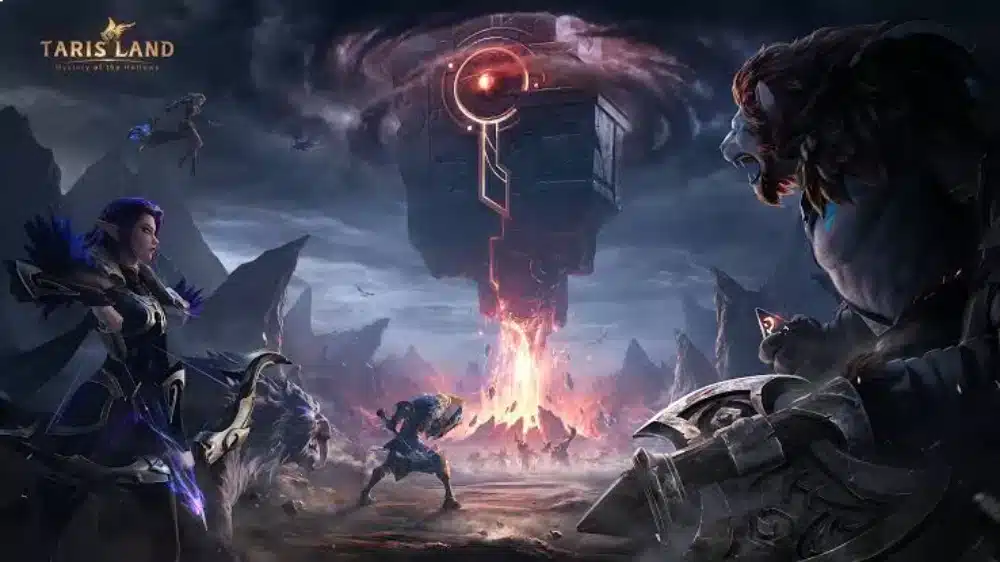
Tarisland was a free-to-play fantasy MMORPG developed by Locojoy and published globally by Level Infinite/Tencent. It launched with versions for PC and mobile, aiming to give players a shared MMO experience across platforms. Its core design focused on group content, class roles, dungeon mechanics, raids, PvP, and seasonal progression.
The game attracted attention because many players compared it to classic theme-park MMOs. It featured structured classes, ability rotations, boss encounters, equipment progression, and content designed for parties. Instead of being a purely casual mobile RPG, it tried to offer a more traditional MMORPG structure with mobile accessibility.
Tarisland: Mystery of the Hollows was the broader fantasy setting behind that experience. Players explored magical regions, fought creatures, joined dungeons, and progressed through a world shaped by class identity and party cooperation. The game’s strongest appeal came from players who wanted group-based MMO combat without needing a high-end PC.
Why did Tarisland attract MMO players?
Tarisland attracted MMO players because it promised accessible raiding, cross-platform play, and familiar role-based combat. Many players were curious about whether a PC-and-mobile MMO could deliver meaningful dungeons and raids without losing too much depth.
The game’s appeal came from several features:
- classic tank, healer, and DPS party roles;
- dungeon and raid-style encounters;
- multiple playable classes;
- PC and mobile availability;
- free-to-play access;
- PvP modes;
- seasonal progression;
- a fantasy world with traditional MMO structure.
For players who missed old-school MMO coordination but wanted a newer platform, Tarisland looked promising at launch.
What made Tarisland different from casual mobile RPGs?
Tarisland tried to be more structured than many mobile RPGs. It included group mechanics, boss telegraphs, class responsibilities, and dungeon coordination. This made it feel closer to a traditional MMORPG than a simple auto-play-focused mobile title.
That said, the game still had mobile-first accessibility in some areas. Its interface, cross-platform design, progression pacing, and matchmaking systems were built to reach a broad audience. This mix created both interest and criticism, because some players wanted more depth while others wanted faster casual access.
Is Tarisland shutting down?
Tarisland is no longer a normal active live-service MMO. The global version was officially scheduled to shut down on November 4, 2025, at 00:00 GMT. Before that date, the team disabled new registrations and payment options, while allowing existing players to continue using available in-game items until service ended.
This is the most important update for any modern article about the game. Older guides that describe how to start, download, or progress in Tarisland may be historically useful, but they should not be presented as if the global game is still fully active.
The phrase Tarisland shutting down became a major search term because many players discovered the news after seeing old tutorials, Steam pages, community posts, or videos. Some wanted refunds. Others wanted to revisit the game before closure. Some simply wanted to understand why the MMO disappeared so quickly after launch.
What happened to the global service?
The global service was retired after a relatively short period. Tarisland launched globally in June 2024 and later expanded to Steam, but the game did not maintain enough momentum to continue long-term. By September 2025, the shutdown notice confirmed the end of service plan.
The shutdown affected the live MMO experience. Once servers are closed, players can no longer treat Tarisland as a standard playable online game. Since it depended on online systems, server access was central to the experience.
Can new players still start Tarisland?
New players should not expect to start Tarisland normally through the old global service. Since registrations and payments were disabled before termination, and the game was scheduled to retire in November 2025, old “how to start” guides need context.
If you find a download page, Steam listing, community hub, or mirror, verify whether it offers real playable access before spending time installing anything. Community pages may still exist, but that does not mean the live service is available.
How did Tarisland gameplay work?
Tarisland gameplay followed a classic MMORPG loop. Players created characters, selected classes, completed quests, unlocked abilities, entered dungeons, earned gear, joined group content, and improved their combat performance over time. The game was designed around both solo progression and team-based encounters.
The strongest part of Tarisland gameplay was its group structure. Tanks controlled enemy attention. Healers kept the party alive. Damage dealers focused on mechanics and boss phases. This familiar setup made the game readable for MMO veterans and approachable for new players.
Connection quality was also important when the game was live, especially in dungeons and PvP. Delays could affect dodging, healing, tank positioning, and boss mechanics. For players reviewing historical performance fixes, this guide to fixing Tarisland lag remains useful as a reference for how MMO routing problems were handled when Tarisland gameplay depended on stable online access.
Main gameplay loop
The basic gameplay loop looked like this:
- Choose a class.
- Complete early quests.
- Unlock skills and specializations.
- Enter dungeons and group content.
- Improve gear and stats.
- Learn boss mechanics.
- Join PvP or raid content.
- Repeat seasonal progression.
This structure was familiar to players coming from other MMOs. The main difference was that Tarisland tried to make the loop accessible across PC and mobile.
PvE and PvP content
PvE content focused on dungeons, bosses, exploration, and progression. Players needed to understand mechanics, positioning, and class responsibilities. PvP content added competitive pressure through player-versus-player modes, where reaction time, class matchup knowledge, and connection stability mattered.
The game had potential because it supported both styles. However, as with many live-service MMOs, long-term success depended on content updates, player retention, balance, and community activity.
What classes were available in Tarisland?
Tarisland launched with multiple classes built around traditional MMO roles. Community and Steam descriptions commonly referenced nine unique classes, with each one offering different combat responsibilities and fantasy themes.
The exact class balance changed over time, but the main idea stayed consistent: players needed to choose a role that matched their preferred gameplay. Some classes were better for frontline defense. Others focused on ranged damage, support, healing, or burst windows.
A general class overview looked like this:
| Role type | Gameplay focus | Best for |
| Tank | Holding enemy attention and surviving damage | Players who like leadership and positioning |
| Healer | Restoring allies and managing party survival | Support-focused players |
| Melee DPS | Close-range pressure and boss uptime | Aggressive players |
| Ranged DPS | Safer positioning and sustained damage | Players who prefer distance |
| Magic DPS | Spell rotations and burst damage | Strategic damage players |
| Support utility | Buffs, control, and group help | Team-oriented players |
How should players have chosen a class?
The best class depended on comfort, role preference, and group needs. New players often benefited from choosing a simple damage class first, because it allowed them to learn movement and mechanics without taking full responsibility for tanking or healing.
However, tanks and healers were valuable in group content. Players who enjoyed responsibility, communication, and party coordination often found those roles more rewarding. In MMO design, support roles tend to shape dungeon success even when damage dealers get more attention.
Why class guides may now be outdated
Class guides may still be useful for historical understanding, but they are not current progression tools if the live service is unavailable. Balance patches, shutdown timing, and server access all affect whether class advice matters.
A guide saying “play this class for endgame” may have been accurate during an active season, but it no longer helps a new player if the global servers cannot be accessed. Current articles should frame class information as historical or archival unless an active regional version is confirmed.
What was Tarisland: Mystery of the Hollows?
Tarisland: Mystery of the Hollows was the full fantasy identity associated with the game. The subtitle appeared in promotional materials and searches, especially when players were looking for trailers, early gameplay, or launch information.
The phrase helped define the setting as a mysterious world of magical conflict, ancient powers, dungeon exploration, and heroic classes. It also gave the game a more distinctive name than simply “Tarisland,” although most players shortened it to the base title.
In search behavior, Tarisland: Mystery of the Hollows is useful because it captures early interest around the game’s story and presentation. Many players discovered it through launch trailers, gameplay previews, Steam discussions, and MMO news coverage.
Was Mystery of the Hollows a separate game?
No. Tarisland: Mystery of the Hollows was not a separate sequel or expansion in the usual sense. It was a title/subtitle associated with the main Tarisland experience.
Players searching that phrase are usually looking for:
- early trailers;
- launch gameplay;
- mobile footage;
- PC footage;
- class previews;
- dungeon showcases;
- story context;
- Steam community pages.
The game itself remained the same MMO experience.
Why the subtitle still matters
The subtitle still matters for SEO and player searches. Some users may not remember the exact official page title, but they remember Mystery of the Hollows from videos, listings, or early coverage.
Using both terms helps the article serve players who are looking for historical information, gameplay footage, or shutdown context.
Can you still use Steam community pages for Tarisland?
Yes, Steam community pages can still be useful for research, screenshots, guides, discussions, and historical context, even when a live-service game is no longer normally playable. A Steam Community hub can preserve player posts, reviews, screenshots, artwork, guides, and discussions long after a game’s peak activity has passed.
That does not mean the game is active. It means the community archive still exists. For a shutdown MMO, these pages can help players understand what the game looked like, what people enjoyed, what problems they reported, and which guides were popular during its active period.
The Tarisland Steam Community hub is useful for checking community posts, screenshots, discussions, and older reactions. It helps preserve Tarisland history even after the live-service context changed.
What can players learn from the Steam hub?
Players can use the Steam hub to find:
- screenshots;
- old community reactions;
- guides;
- discussion posts;
- artwork;
- gameplay videos;
- player complaints;
- praise from active-period users;
- signs of how the community changed over time.
This is useful if you are writing about the game, researching its shutdown, or comparing it with other short-lived MMOs.
What should players be careful about?
Players should avoid assuming that old Steam posts reflect current access. A community discussion from 2024 may talk about active dungeons or launch problems. A guide from 2025 may mention codes, mounts, or progression. That does not mean those systems still work today.
Always check dates before following old advice.
What went wrong with Tarisland?
Tarisland had a promising concept, but several factors likely hurt its long-term retention. The game entered a crowded MMO market, faced high expectations from players comparing it to larger titles, and needed consistent updates to keep both PC and mobile audiences engaged.
Some players praised its dungeons and boss fights. Others criticized combat feel, class restrictions, content depth, monetization concerns, or lack of long-term identity. These mixed reactions are common for new MMOs, but they become more serious when player numbers decline quickly.
The shutdown does not mean every part of Tarisland failed. It means the live-service model did not sustain itself globally. For an online MMO, community size, update cadence, monetization, retention, and server costs all matter.
Common player criticisms
Common criticisms included:
- combat feeling too simple for some MMO veterans;
- comparisons to World of Warcraft;
- gender-locked class concerns;
- limited long-term content perception;
- mobile-first design concerns;
- uneven community momentum;
- difficulty keeping players after launch hype;
- concerns about monetization and progression.
Not every player agreed with these points, but they shaped discussion around the game.
What did players enjoy?
Players who enjoyed Tarisland often pointed to:
- accessible dungeons;
- cross-platform convenience;
- fast matchmaking;
- boss mechanics;
- class variety;
- clean fantasy visuals;
- free-to-play entry;
- easy access for casual groups.
That is why the shutdown disappointed some players. The game had strengths, but strengths alone do not guarantee live-service survival.
How did lag affect Tarisland gameplay?
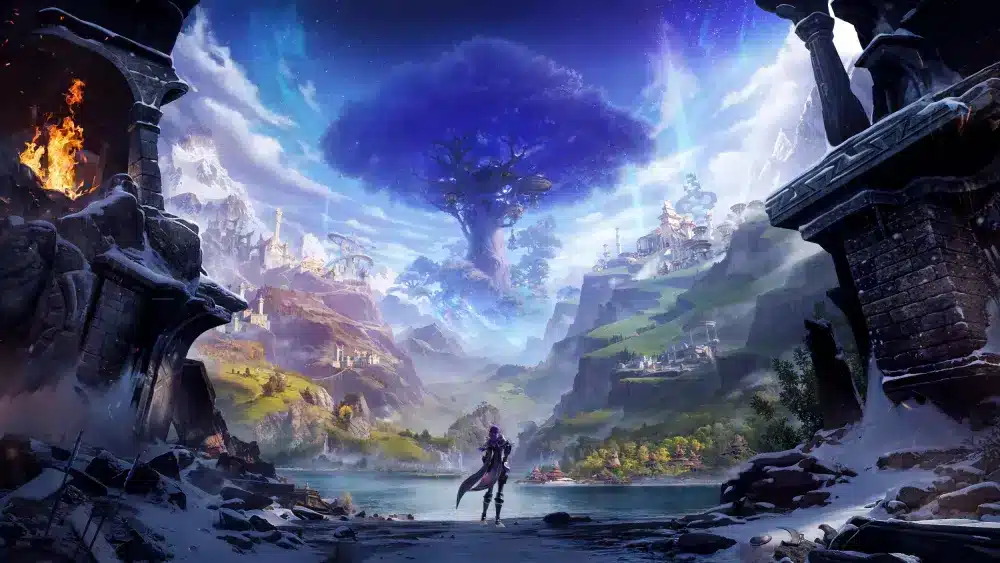
Lag affected Tarisland because MMO combat depends on timing. In dungeons, players needed to avoid boss attacks, heal at the right moment, maintain positioning, and respond to mechanics. In PvP, unstable latency could make reaction-based decisions harder.
Lag problems in MMOs can come from several sources. Sometimes the issue is local Wi-Fi. Sometimes it is routing between the player and server. Sometimes it is server load. Sometimes it is hardware performance. Because Tarisland was cross-platform, players also had different experiences depending on device, region, and network type.
For players researching technical issues from the active era, this Tarisland latency and lag problems guide explains how lag, ping, and connection instability affected Tarisland gameplay. It remains useful as a historical technical reference, even though the global live-service status has changed.
Why ping mattered in dungeons
Ping mattered because dungeon mechanics often required quick movement. A delayed dodge could cause unnecessary damage. A late heal could wipe a party. A tank with unstable connection could lose positioning during boss mechanics.
In group content, one player’s lag could affect everyone. That made connection stability more than a personal comfort issue. It could influence party success.
Why ping mattered in PvP
PvP made latency even more noticeable. Player-versus-player combat depends on reactions, interrupts, movement, and cooldown timing. A small delay could change the outcome of a duel or team fight.
That is why players looked for lag fixes, routing tools, and performance adjustments while the game was active.
How ExitLag helped Tarisland players
ExitLag helped Tarisland players by optimizing connection routes between their devices and game servers. When a player’s normal route to a server was unstable, route optimization could sometimes reduce ping spikes, packet loss, or inconsistent latency.
ExitLag does not guarantee perfect ping, automatic improvement, or a lag-free experience in every game. Results depend on region, ISP, server location, local network quality, device performance, and routing conditions. However, during Tarisland’s active period, it could help players test more stable routes for dungeons, raids, and PvP.
This kind of tool was especially relevant for an MMO because players often joined scheduled group content. A raid night could become frustrating if lag appeared only during peak hours or specific server routes.
When would ExitLag have been useful?
ExitLag would have been useful when players noticed:
- ping spikes;
- packet loss;
- rubberbanding;
- delayed skill activation;
- inconsistent dungeon performance;
- lag during peak hours;
- unstable PvP matches;
- routing problems between regions.
The best approach was to test several sessions and compare stability, not only the lowest ping number.
Why route stability matters in MMOs
A stable route can feel better than a route with low ping that spikes often. MMOs are long-session games. Players may spend hours in dungeons, raids, events, and PvP queues. Consistency matters because one lag spike at the wrong time can ruin a boss attempt.
ExitLag’s value came from reducing route-related instability when that was the source of the problem.
Where can players find Tarisland guides now?
Players can still find Tarisland guides through Steam Community, archived blog posts, YouTube videos, Reddit discussions, and community pages. However, these guides should be read as historical resources unless they clearly refer to an active region or preserved version.
Steam Community guides are especially useful because they show what players were actually looking for during the active period. Some focus on promo codes, installation, class tips, or gameplay basics. Others preserve screenshots and player commentary.
The Tarisland Steam Community guides page is a good place to review archived community tips and player-made resources. Just remember that old guide content may no longer apply after Tarisland shutting down became the defining update.
What guide topics are still useful?
Some topics remain useful for research:
- class design;
- dungeon structure;
- launch reception;
- Steam release history;
- community sentiment;
- lag troubleshooting history;
- cross-platform MMO design;
- shutdown case studies.
These topics help writers, MMO fans, and players understand what Tarisland tried to do.
What guide topics may no longer work?
Some topics may no longer work in practice:
- how to download and start today;
- current promo codes;
- active builds;
- live endgame progression;
- best current class;
- active PvP meta;
- current shop items;
- server recommendations.
Those topics depend on live service access, so they should be handled carefully.
Should you play Tarisland now?
For the global service, players should not approach Tarisland as a normal game to start fresh in 2026. The shutdown timeline means the original global live-service experience is no longer something new players can rely on.
However, Tarisland may still be worth studying if you are interested in MMO design, cross-platform MMORPGs, short-lived live-service games, or Tencent/Level Infinite’s approach to mobile-PC releases. It is also useful as a case study in why launch hype does not always become long-term retention.
If another region, private archive, or future relaunch ever appears, players should verify it through official channels before downloading anything.
Who should still research Tarisland?
Tarisland is still worth researching for:
- MMO writers;
- game design students;
- players comparing shutdown MMOs;
- fans of mobile-PC cross-platform games;
- people studying live-service failures;
- former players looking for nostalgia;
- technical writers covering lag and latency.
It is no longer just a “how to play” topic. It is also a live-service history topic.
What should new players do instead?
New players looking for an active MMO should compare current alternatives with live servers, active updates, and strong communities. Check official websites, Steam player activity, recent patch notes, and community health before investing time.
This is especially important for MMOs because progress takes time. You want to know whether a game has a stable future before committing to a main character.
Lessons from Tarisland for MMO players
Tarisland teaches an important lesson about modern MMOs: launch hype is not enough. A game needs consistent updates, strong community trust, clear identity, satisfying progression, stable servers, and long-term reasons to return.
It also shows how fast SEO content can become outdated. A guide written before shutdown may say “download now,” “choose your class,” or “prepare for raids.” After termination, that same guide needs a very different framing.
For players, the lesson is simple: always check current service status before starting any live-service game. For writers, the lesson is even clearer: any MMO article should include availability, shutdown status, and update context.
What players can learn
Players can learn to verify:
- server status;
- official announcements;
- recent patch notes;
- payment availability;
- account registration status;
- community activity;
- Steam reviews and discussions;
- developer communication.
These checks prevent wasted time and disappointment.
What publishers can learn
Publishers can learn that MMO players need confidence. They want to know that their time investment matters. If communication slows, updates stall, or monetization feels unclear, player trust can fade quickly.
A strong launch is only the beginning. MMO success depends on retention.
FAQ
Tarisland was a free-to-play fantasy MMORPG for PC and mobile. It focused on classes, dungeons, raids, gear progression, PvP, and cross-platform play.
Tarisland: Mystery of the Hollows is the fuller title or subtitle associated with the game’s fantasy setting and early promotional identity. It refers to the same main MMORPG, not a separate game.
Yes. The global version of Tarisland was scheduled to shut down on November 4, 2025, at 00:00 GMT. Because of that, current guides should not treat it as a normal active MMO.
You may still find old pages, Steam community hubs, or archived references, but new players should not assume the global service is playable. Always verify live access through official sources before downloading anything.
Tarisland gameplay followed classic MMORPG structure: choose a class, complete quests, enter dungeons, improve gear, learn boss mechanics, and participate in PvE or PvP content.
Community and Steam descriptions commonly referenced nine unique classes. Each class fit into MMO roles such as tank, healer, melee damage, ranged damage, or support-style gameplay.
Yes, but mostly as historical resources. Guides can help explain gameplay, classes, lag issues, and community reactions, but active progression advice may no longer apply after the shutdown.
ExitLag could help optimize routes and may have improved connection stability for some players while Tarisland servers were live. It did not guarantee perfect results, but it was useful for testing route-related lag issues.
Tarisland is now best understood as both an MMORPG and a live-service case study. It offered cross-platform dungeon-focused gameplay, attracted MMO players with classic class roles, and later became a reminder to always verify server status before investing time. If you are researching old Tarisland lag issues, MMO routing, or similar games, try ExitLag with your current active titles to help optimize connection routes and improve stability where supported.
All game images used in this article belong to their respective owners. They are used for informational and educational purposes only and do not imply endorsement or affiliation with the rights holders.
Got questions or want to connect with other players? Join the conversation at the ExitLag Forum!