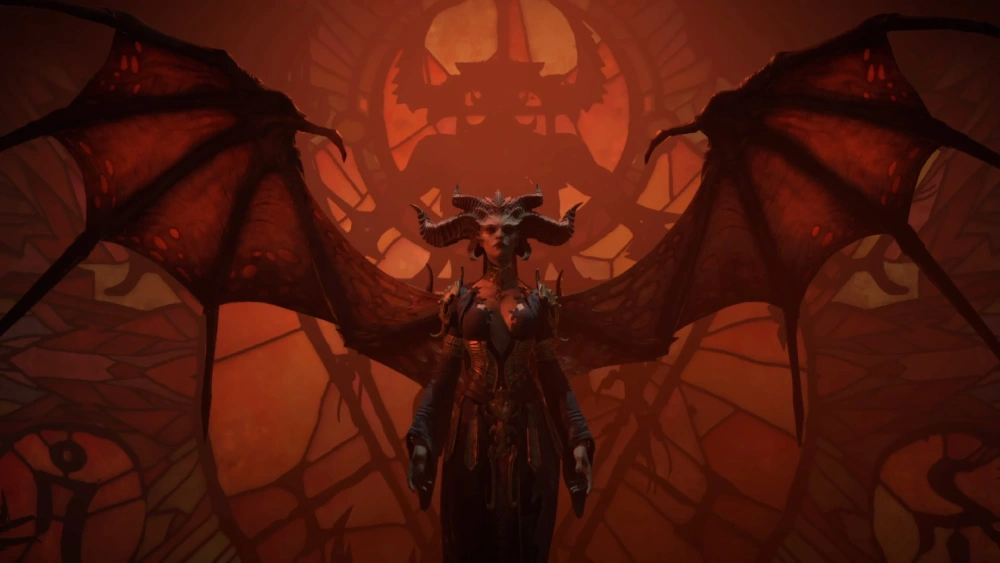
Lilith Diablo 4 is one of the most important figures in Blizzard’s dark fantasy RPG, shaping the campaign, the lore of Sanctuary, the Altars of Lilith collectible system, and one of the game’s most recognizable endgame boss challenges.
Before exploring Lilith Diablo 4 in detail, it helps to understand how character power, boss farming, and item progression connect across Diablo IV. Lilith is not only a story villain; her influence touches exploration, permanent stat bonuses, endgame preparation, and seasonal goals. If you are already building toward harder content, this Ugly Bastard Helm Diablo 4 guide can help connect Lilith Diablo 4 progression with item-focused planning.
Lilith Diablo 4 matters because she is both a narrative force and a gameplay symbol. She is the Daughter of Hatred, the mother of Sanctuary, the central antagonist of the base campaign, and the reason many players begin hunting every hidden statue across the world map.
Players often search for Diablo 4 Lilith, Diablo 4 Altar of Lilith locations, Diablo 4 Altars of Lilith, and Diablo 4 Altars of Lilith map because the topic has several layers. Some want the lore. Others want permanent stats. Others want the Echo of Lilith boss fight. Many simply want to know whether collecting every Altar is still worth the time.
This guide explains who Lilith is, how the Altars of Lilith work, where to find them, how to approach the boss fight, and how ExitLag can help improve connection stability while you explore Sanctuary, farm bosses, and push endgame content.
Who is Lilith in Diablo 4?
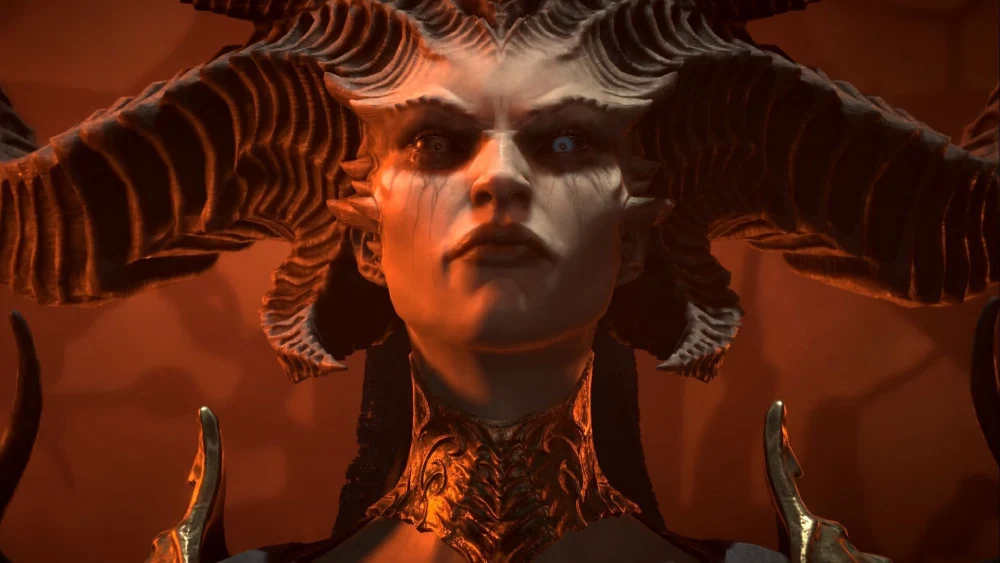
Lilith is the Daughter of Hatred and one of the most influential beings in Diablo IV. She is the daughter of Mephisto, one of the Prime Evils, and she helped create Sanctuary alongside the angel Inarius. This makes her more complicated than a simple demon boss.
In Diablo 4, Lilith returns to Sanctuary after being summoned by cultists. Her goal is not presented as ordinary destruction. Instead, she uses fear, temptation, manipulation, and the promise of survival to pull humanity toward her vision. That makes Lilith Diablo 4 one of the most memorable villains in the series.
She is dangerous because she understands people. She does not only command demons. She offers power to the desperate, purpose to the lost, and rebellion to those who feel abandoned by Heaven and Hell.
Why Lilith is called the Mother of Sanctuary
Lilith is called the Mother of Sanctuary because she and Inarius helped create the world of Sanctuary as a refuge from the Eternal Conflict between angels and demons. Their union eventually led to the birth of the Nephalem, beings with both angelic and demonic heritage.
That history gives Diablo 4 Lilith a personal connection to humanity. She sees mortals not as random victims, but as descendants of a world she helped create. This is why her speeches often sound seductive, protective, and threatening at the same time.
She wants humanity to become strong enough to resist the forces of Heaven and Hell, but her methods are brutal. She uses suffering, violence, and manipulation to force evolution.
Is Lilith evil in Diablo 4?
Lilith is evil in the practical sense that her actions cause destruction, corruption, murder, and suffering. However, Diablo IV presents her with more nuance than many villains. She believes Sanctuary must become stronger, and she sees compassion as weakness.
This does not make her heroic. It makes her persuasive. The best part of Lilith Diablo 4 lore is that players can understand why some people follow her, even while seeing the horror of what she does.
What are the Altars of Lilith?
Altars of Lilith are hidden statues scattered across the base Diablo IV world. When you interact with one for the first time, you receive a permanent bonus such as a stat increase, extra Murmuring Obol capacity, or a Paragon Point reward depending on the specific Altar.
The Diablo 4 Altars of Lilith system is important because these bonuses apply account-wide within the relevant mode. That means collecting them strengthens future characters, seasonal alts, and new builds. For players who enjoy making multiple classes, the Altars are one of the best long-term investments in the game.
Unlike gear, these bonuses do not depend on random drops. Every Altar has a fixed reward. Once you collect them, the power becomes part of your account progression.
What rewards do Altars of Lilith give?
Altars can grant several types of rewards:
| Reward type | Why it matters |
| +2 Strength | Helps classes and builds that benefit from Strength scaling |
| +2 Dexterity | Supports Dexterity-based scaling and defensive value |
| +2 Intelligence | Useful for Intelligence-based classes and resistances |
| +2 Willpower | Helps resource generation, healing, and class scaling |
| +5 Murmuring Obol capacity | Lets you hold more Obols for gambling |
| +1 Paragon Point | Supports endgame board progression |
| Renown | Contributes to regional account rewards |
The exact reward is predetermined for each statue. This means a complete Diablo 4 Altars of Lilith map route will always produce the same final result.
Do Altars reset every season?
The permanent stat bonuses from Altars of Lilith carry forward and do not need to be collected again every season for the same mode. However, players may still choose to interact with Altars on new characters for Renown or completion purposes when relevant.
This is why the system is so valuable. It respects long-term exploration and makes your future characters stronger from the beginning.
How many Altars of Lilith are in Diablo 4?
There are 160 Altars of Lilith across the five original base-game regions of Sanctuary. Older articles sometimes say “over 160,” but the established base-world total is 160. These are spread across Fractured Peaks, Scosglen, Dry Steppes, Kehjistan, and Hawezar.
Knowing the exact number matters because players often use a checklist or Diablo 4 Altars of Lilith map while clearing regions. If your tracker says you are missing one, it is usually because an Altar is hidden behind terrain, tucked into a corner, connected to a Stronghold area, or easy to miss during normal exploration.
Boss progression can also become part of your long-term route planning. If you are farming materials and preparing for harder encounters while collecting Altars, this Exquisite Blood Diablo 4 guide can help you understand another key endgame resource. Combining Diablo 4 Altar of Lilith locations with boss-material farming makes your time in Sanctuary more efficient.
Altars by region
Here is the base-game regional breakdown:
| Region | Number of Altars |
| Fractured Peaks | 28 |
| Scosglen | 34 |
| Dry Steppes | 33 |
| Hawezar | 34 |
| Kehjistan | 31 |
| Total | 160 |
This distribution makes Scosglen and Hawezar the densest regions, while Fractured Peaks is often the easiest place to start because many players begin the campaign there.
Are there Altars of Lilith in Nahantu?
Nahantu, introduced through the Vessel of Hatred expansion, uses a different collectible system called Tenets of Akarat. These are similar in spirit because they reward exploration, but they are not the same as the original Altars of Lilith.
That distinction matters when writing about Lilith Diablo 4. The Altars belong to the base Sanctuary regions, while expansion zones may use separate progression systems.
Where to find Diablo 4 Altar of Lilith locations
Diablo 4 Altar of Lilith locations are hidden throughout the open world. Some are visible near paths, ruins, cliffs, or towns. Others are placed deep inside corners, behind terrain, near Strongholds, or in areas you may not naturally explore during the campaign.
The best way to find them is to clear one region at a time. Do not jump randomly across the map unless you are following a precise checklist. Regional clearing helps you avoid missing one statue and wasting time later.
Use a mount, unlock waypoints, clear Strongholds when necessary, and mark completed statues as you go. The process is much faster when you treat it like a route rather than casual wandering.
Best route strategy
A strong Altar route looks like this:
- Unlock nearby waypoints.
- Choose one region.
- Open an interactive map or checklist.
- Start from a town or waypoint.
- Follow a circular route.
- Clear Strongholds when needed.
- Mark each Altar after collecting it.
- Finish the region before moving on.
This method reduces backtracking. It also helps you combine exploration with Renown, side quests, dungeons, and map discovery.
Common places players miss Altars
Players often miss Altars in:
- Stronghold areas;
- narrow cliff edges;
- dead-end paths;
- ruined buildings;
- swamp corners;
- desert ridges;
- snowy side paths;
- areas hidden behind visual clutter.
If your Diablo 4 Altars of Lilith count is stuck, zoom in and compare your map carefully with a trusted interactive route.
Best Diablo 4 Altars of Lilith map strategy
The best Diablo 4 Altars of Lilith map strategy is to use an interactive map and filter only the Altars. Diablo IV’s world is full of dungeons, cellars, events, waypoints, side quests, and bosses, so too many icons can make the process harder than necessary.
A clean Diablo 4 Altars of Lilith map should let you check off statues, zoom into terrain, and separate collected locations from missing ones. This prevents the biggest problem with Altar hunting: thinking you collected one when you actually skipped it.
You should also decide whether your goal is speed or full region completion. If you want only Altars, follow the shortest route. If you also want Renown, combine Altars with dungeons, side quests, and Strongholds.
Should you collect Altars during the campaign?
You can collect Altars during the campaign, but it is often more efficient to do a full route after you unlock more waypoints and mount access. Early exploration can be slow, especially before your character has movement tools or a horse.
That said, if you see an Altar while questing, collect it immediately. There is no reason to leave obvious statues behind.
Should new players rush every Altar?
New players do not need to rush all 160 immediately, but they should not ignore them forever. The permanent stats and Paragon rewards make a real difference across multiple characters.
A good compromise is to collect Altars region by region. Finish Fractured Peaks first, then move to other regions when your campaign or endgame route takes you there.
How to defeat Lilith in Diablo 4
There are two main Lilith encounters players talk about. The first is the campaign version, which appears near the end of the base story. The second is Echo of Lilith, also called Uber Lilith, a much harder endgame challenge found in Echo of Hatred.
The campaign fight is designed to complete the story. Echo of Lilith is designed to test your build, movement, damage, and mechanical awareness. When players search Diablo 4 Lilith, they may mean either version, so a good guide should explain the difference.
If you are progressing through Hatred-related storylines after the base campaign, this Diablo 4 Harbinger of Hatred guide can help connect Lilith Diablo 4 lore with later quest and expansion context. Lilith may be defeated in the base story, but Hatred remains central to Diablo IV’s ongoing narrative.
Campaign Lilith fight
The campaign Lilith fight focuses on reading attacks, avoiding ground effects, managing healing, and dealing consistent damage. It is dramatic, but it is not meant to be the hardest version of the character.
Tips for the campaign fight:
- keep moving during wide attacks;
- avoid standing in dangerous ground effects;
- save defensive cooldowns for burst windows;
- keep potion charges ready;
- do not panic when the arena changes;
- focus on survival before damage.
Most campaign builds can finish this encounter if they are reasonably leveled and geared.
Echo of Lilith / Uber Lilith
Echo of Lilith is the endgame version and is much more punishing. The fight includes lethal mechanics, movement checks, blood orbs, wave patterns, phase transitions, and heavy punishment for mistakes. Even strong builds can fail if the player ignores mechanics.
General tips for Echo of Lilith:
- prioritize movement speed;
- learn wave patterns before chasing damage;
- use defensive or immunity tools when available;
- avoid blood orbs and dangerous ground effects;
- enter on an appropriate difficulty for your goal;
- do not rely only on raw damage;
- practice the fight as a pattern-based encounter.
Uber Lilith is famous because she punishes greed. If you chase damage at the wrong time, you die.
Is Lilith still important after Vessel of Hatred?
Lilith remains important after Vessel of Hatred because her actions shaped the base game and pushed Sanctuary deeper into the Age of Hatred. However, the narrative focus after the base campaign shifts more heavily toward Mephisto and the consequences of Hatred spreading through the world.
This is important for updated SEO content. Do not write as if Lilith is still the main active villain of every current Diablo IV expansion. She remains central to the origin of the story, the Altars system, and the Echo of Lilith boss challenge, but the ongoing expansion arc expands beyond her.
The official Diablo IV site is the safest place to check current expansion messaging, seasonal updates, and availability. Use the official Diablo IV website when confirming what content is live, which expansion is current, and how Diablo 4 Lilith fits into the broader story.
Lilith and Mephisto
Lilith is the daughter of Mephisto, the Lord of Hatred. That family connection is essential to Diablo IV’s story. The base game centers on Lilith’s return, but the larger Age of Hatred storyline continues through Mephisto’s influence.
This makes the lore more layered. Lilith is not disconnected from the newer expansions. Her role helps set up the broader conflict, even when she is no longer the main face of the current chapter.
Should guides still focus on Lilith?
Yes, guides should still focus on Lilith Diablo 4 because she remains one of the most searched and important topics in the game. However, updated guides should clarify whether they are discussing lore, Altars, campaign boss fights, Echo of Lilith, or current expansion story.
That clarity prevents outdated information and helps players find the right answer faster.
Diablo 4 Lilith and the current expansion arc
The Diablo IV expansion arc continues the Age of Hatred storyline that began with Lilith’s return. Vessel of Hatred expanded the story through Neyrelle, Mephisto, and Nahantu, while later expansion messaging points toward an even more direct confrontation with the Lord of Hatred.
This means Diablo 4 Lilith is still thematically important, even if the active spotlight moves toward Mephisto. Her story opened the door. The consequences continue through later content.
For players returning after the base campaign, expansion pages can help clarify what content is current. The official expansion page at Diablo IV expansion details is the best place to check Blizzard’s current messaging around new chapters, expansion availability, and the next stage of the Hatred storyline.
How Vessel of Hatred connects to Lilith
Vessel of Hatred does not simply repeat Lilith’s base-game role. Instead, it follows the consequences of what happened after the campaign and moves deeper into Mephisto’s influence. Lilith’s presence remains part of the foundation, but the expansion develops the Prime Evil side of the story.
This is why players should not expect “Lilith 2” as the exact expansion premise. Diablo IV uses her return as the catalyst, then expands the conflict through other powers.
Why Hatred remains the central theme
Hatred is the emotional and supernatural force tying these storylines together. Lilith is the Daughter of Hatred. Mephisto is the Lord of Hatred. Sanctuary is caught between inherited corruption, demonic influence, and human survival.
That makes Lilith Diablo 4 more than a boss name. She is part of the central theme of the entire modern Diablo IV arc.
How ExitLag can help with Lilith Diablo 4 gameplay
Lilith Diablo 4 content can involve long exploration routes, endgame boss fights, dungeon farming, and seasonal progression. Connection instability can make all of that more frustrating, especially during Echo of Lilith, where movement and reaction timing matter.
ExitLag can help optimize connection routes between your device and Diablo IV servers. It does not guarantee wins, perfect ping, or a lag-free experience in every session. However, it can help reduce route instability, packet loss issues, and connection spikes in some situations.
This matters when you are dodging boss mechanics, farming materials, clearing dungeons, collecting Altars, or playing during peak hours. Diablo IV is an online ARPG, so stable routing can improve how consistent the game feels.
Why connection stability matters
Connection stability matters because Diablo IV often asks for fast reactions. You may need to dodge a lethal mechanic, activate a defensive skill, reposition during a boss phase, or survive enemy burst during high-density content.
Lag can affect:
- dodge timing;
- skill activation;
- potion usage;
- boss mechanics;
- mount movement;
- dungeon farming;
- world events;
- Helltide routes;
- Echo of Lilith attempts.
A stable connection will not replace build quality or mechanical practice, but it can help your inputs feel more reliable.
When should you test ExitLag?
Test ExitLag if you notice rubberbanding, delayed skills, disconnects, packet loss, high ping, or inconsistent performance during specific times of day. Compare several sessions with and without optimized routing.
Look for consistency, not only the lowest ping number. A stable route with fewer spikes can feel better than a route that occasionally looks fast but becomes unreliable during boss mechanics.
Best tips for new players hunting Lilith content
New players should not try to do everything at once. Lilith-related content includes story progression, collectible hunting, Renown, Altars, endgame boss attempts, and expansion lore. Treat these as separate goals.
Start with the campaign. Then unlock waypoints and mount access. After that, begin collecting Altars region by region. Later, once your build is strong enough, attempt Echo of Lilith as an endgame challenge.
Recommended progression path
Use this path:
- Complete the campaign or skip it if your account allows.
- Unlock waypoints across Sanctuary.
- Get mount access if needed.
- Collect Altars region by region.
- Finish Renown goals.
- Improve your build and gear.
- Learn endgame boss systems.
- Attempt Echo of Lilith when ready.
- Move into expansion and seasonal content.
This makes Lilith Diablo 4 content feel manageable instead of overwhelming.
What to avoid
Avoid these mistakes:
- trying Echo of Lilith too early;
- collecting Altars without a checklist;
- ignoring Strongholds that block routes;
- confusing Tenets of Akarat with Altars of Lilith;
- treating old expansion speculation as current fact;
- assuming every Lilith guide means the same encounter;
- ignoring movement speed for Uber Lilith.
The best Diablo IV players save time by separating exploration, build planning, and boss practice.
FAQ
Who is Lilith in Diablo 4?
Lilith is the Daughter of Hatred, the daughter of Mephisto, and one of the creators of Sanctuary. She is the central antagonist of Diablo IV’s base campaign.
Is Lilith the final boss in Diablo 4?
Lilith is the final major boss of the base campaign. Echo of Lilith, also known as Uber Lilith, is a harder endgame version found through Echo of Hatred.
How many Altars of Lilith are in Diablo 4?
There are 160 Altars of Lilith across the five original base-game regions: Fractured Peaks, Scosglen, Dry Steppes, Kehjistan, and Hawezar.
What do Diablo 4 Altars of Lilith give?
Altars of Lilith grant permanent bonuses such as core stat increases, Murmuring Obol capacity, Paragon Points, and Renown. These rewards help strengthen current and future characters.
Do Altars of Lilith reset every season?
The permanent stat bonuses do not need to be collected again every season for the same mode. Players may still collect Altars again for Renown when relevant.
Where can I find Diablo 4 Altar of Lilith locations?
You can find them across the five original regions of Sanctuary. The most efficient method is to use a Diablo 4 Altars of Lilith map and clear one region at a time.
Is there a Diablo 4 Altars of Lilith map?
Yes. Many community interactive maps show every Altar location and let you track completion. Use one with filters so you can focus only on missing Altars.
Is Lilith still important after Vessel of Hatred?
Yes. Lilith remains central to the base story and the Age of Hatred theme, but later expansion content shifts more attention toward Mephisto and the broader consequences of Hatred.
Can ExitLag help with Diablo 4?
ExitLag can help optimize routes and may improve connection stability depending on your network, ISP, region, and server path. It does not guarantee perfect results, but it can reduce some route-related issues.
Lilith Diablo 4 remains one of the most important topics in the game because it connects campaign lore, permanent account progression, Altars of Lilith, Echo of Lilith, and the wider Age of Hatred storyline. Collect every Altar with a reliable map, prepare carefully for Uber Lilith, follow official expansion updates, and test ExitLag before your next session to help optimize your route and play Diablo IV with more stable performance.
All game images used in this article belong to their respective owners. They are used for informational and educational purposes only and do not imply endorsement or affiliation with the rights holders.