Understanding the Smite 2 tier list is essential for players who want to improve their performance and climb through ranked matches. Whether you are a new player learning the basics or a returning veteran adapting to the current meta, knowing which gods are strongest can completely change the way you approach every match.
The competitive environment in Smite 2 changes constantly. Balance updates, item adjustments, and player strategies can quickly transform which characters dominate each role. Because of this, following the Smite 2 tier list helps players make better decisions before entering the battlefield and choose gods that provide the highest impact during matches.
What Is a Smite 2 Tier List?

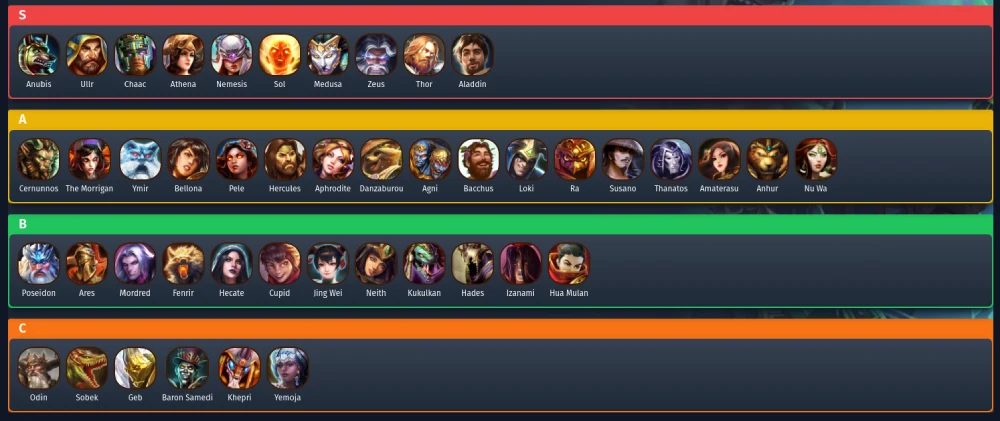
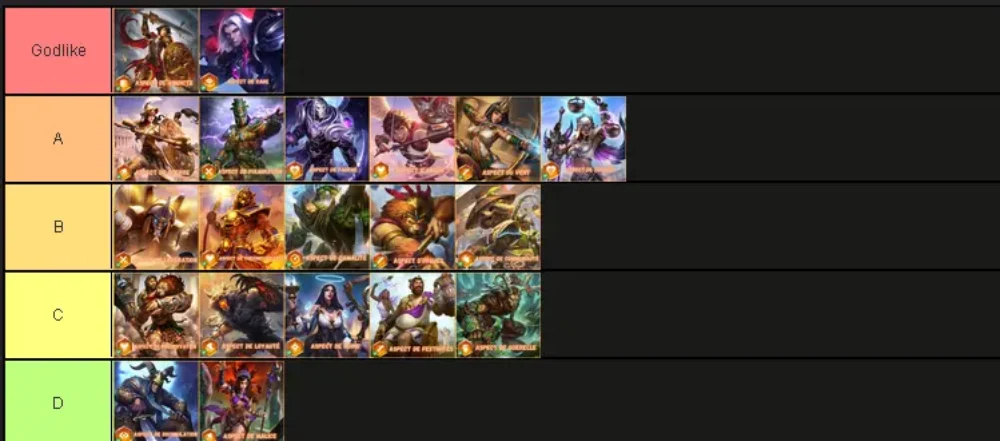
A Smite 2 tier list is a ranking system that evaluates gods based on their overall effectiveness in the current game environment. These rankings consider multiple factors, including win rate, pick rate, ban frequency, professional gameplay trends, and how well each god performs in different team compositions.
The purpose of a tier list is not to say that lower-ranked gods are impossible to play. Instead, it helps players understand which characters currently have the strongest advantages in competitive situations.
The ranking system usually follows categories such as:
- S+ Tier: The strongest meta picks with exceptional performance and high priority in ranked matches.
- S Tier: Powerful gods that perform consistently across different matchups.
- A Tier: Reliable choices that can dominate when played correctly.
- B Tier: Situational picks that require specific strategies or team compositions.
- C Tier: Less effective choices that struggle against stronger meta options.
A god placed in the highest tiers usually has strong abilities, excellent team utility, powerful scaling, or a combination of these advantages. Meanwhile, lower-tier characters may still be enjoyable but often require more experience and better execution to compete.
The Smite 2 tier list is especially valuable because Smite 2 focuses heavily on teamwork, positioning, and objective control. Selecting a strong god can create advantages before the match even begins.
How Does the Smite 2 Tier List Work?
The ranking process behind a Smite 2 tier list is based on several competitive factors. Unlike simple popularity rankings, professional and community tier lists analyze actual gameplay performance.
The most important elements include:
Win Rate and Competitive Performance
Win rate is one of the biggest indicators when evaluating gods. A character that consistently wins matches at higher skill levels usually has strong tools for controlling fights and supporting team strategies.
However, win rate alone does not define a god’s value. Some characters may have lower statistics because they require advanced mechanics, while easier gods may naturally perform better among casual players.
Pick and Ban Priority
Another important factor is how often gods appear in ranked drafts.
Characters with high pick and ban rates usually have abilities that can influence the entire match. These gods often provide:
- Strong early-game pressure
- Reliable crowd control
- High damage output
- Excellent team utility
A high priority pick can force opponents to change their strategy before the match even starts.
Player Feedback and Meta Trends
Community discussions, professional matches, and high-level gameplay also influence the rankings. Experienced players often identify strengths and weaknesses before statistics fully reflect changes in the meta.
This is why keeping track of updates is important. A god that dominates one patch may become less effective after balance adjustments.
Best Smite 2 Gods for Competitive Matches
When players search for the Smite 2 tier list, they usually want to know which gods provide the highest chance of success. Competitive players prioritize characters that are consistent, versatile, and capable of influencing the outcome of a match.
The current meta highlights several powerful choices across different roles.
| God | Role | Main Strength | Recommended Focus |
| Ra | Mid | Healing and area control | Ability power and team support |
| Ymir | Support | Crowd control and protection | Defensive utility |
| Arachne | Jungle | Early pressure and burst damage | Aggressive rotations |
| Neith | ADC | Range and global impact | Consistent damage scaling |
| Hercules | Solo | Sustain and disruption | Frontline durability |
These gods are popular because they offer reliable performance in multiple situations. They can adapt to different team compositions while maintaining strong individual impact.
Ra: A Powerful Mid Lane Choice
Ra remains one of the strongest mage options because of his combination of damage, healing, and map control. His abilities allow players to pressure opponents while providing valuable support during team fights.
A skilled Ra player can control objectives, protect teammates, and create opportunities through long-range attacks.
Ymir: The Ultimate Support Controller
Ymir is one of the most effective support gods because of his ability to control enemy movement. His crowd-control abilities make him valuable during early fights and late-game team battles.
Good positioning with Ymir can completely change the result of important engagements.
Arachne: Dominating the Jungle
Arachne is known for aggressive gameplay and strong early pressure. Players who enjoy creating advantages through constant ganks often choose her because she can punish enemies who overextend.
Her effectiveness makes her a frequent appearance in competitive discussions about the Smite gods meta.
Neith: A Reliable Carry Option
Neith provides flexibility, mobility, and long-range utility. She is a strong option for players who want consistent damage while maintaining safer positioning.
Her global abilities also allow her to influence fights happening across the map.
Hercules: A Strong Solo Lane Presence
Hercules excels at surviving difficult fights and disrupting enemy formations. His durability makes him valuable when teams need a reliable frontline presence.
Players who understand timing and positioning can use Hercules to create major advantages during team fights.
Smite 2 Tier List by Role: What Should You Pick?
Each role in Smite 2 requires a different approach. A god that dominates one position may struggle in another because every lane demands specific abilities and strategies.
The Smite 2 tier list by role helps players understand which gods are best suited for each position.
Choosing based on role improves team balance and increases the chance of creating effective compositions.
Carry and ADC Tier List
The ADC role focuses on consistent damage output, positioning, and late-game scaling. Hunters need strong basic attacks, mobility, and the ability to survive against enemy pressure.
Top choices include:
- S+ Tier: Neith, Cernunnos
- S Tier: Rama, Hou Yi
Neith Builds and Playstyle
Neith is one of the most accessible and effective hunters because she combines safety with strong offensive potential.
Popular Smite 2 builds for Neith focus on:
- Physical damage scaling
- Attack speed improvements
- Lifesteal sustainability
Her ability to contribute from a distance makes her valuable in both casual and competitive matches.
Cernunnos Strengths
Cernunnos provides strong lane pressure and flexible damage options. Players who understand positioning can use him to control fights and secure objectives.
Jungle Tier List
The jungle role determines the pace of the match. Good junglers create pressure, secure objectives, and punish mistakes.
The strongest jungle options include:
- S+ Tier: Arachne, Thor
- S Tier: Serqet, Ratatoskr
Arachne Builds and Strategy
Arachne’s strength comes from early aggression. Players should focus on creating pressure before opponents can reach their strongest stages.
Common strategies include:
- Clear jungle camps efficiently.
- Look for opportunities to gank vulnerable lanes.
- Secure important objectives with your team.
- Maintain pressure through smart rotations.
Using the right Smite 2 builds can maximize jungle effectiveness and improve overall consistency.
Mid Lane Tier List
Mid lane controls much of the map because it connects multiple areas and influences team fights.
Top mid choices include:
- S+ Tier: Ra, Agni
- S Tier: Kukulkan, Scylla
Ra Builds and Ability Focus
Ra benefits from builds focused on magical power, cooldown reduction, and sustained damage.
Players should prioritize:
- Controlling enemy movement
- Protecting teammates
- Managing ability timing
A strong mid player can determine the pace of the entire match.
Support Tier List: Which Gods Anchor the Team?
Support is one of the most strategic roles in Smite 2 because it determines how effectively a team can engage, protect allies, and control important areas of the map. The Smite 2 tier list for support prioritizes gods with strong defensive abilities, reliable crowd control, and tools that can create opportunities during team fights.
The strongest support choices currently include:
- S+ Tier: Ymir, Geb
- S Tier: Bacchus, Fafnir
Ymir Builds and Team Utility
Ymir remains one of the strongest guardians because of his ability to control enemy movement and create openings for his team.
His main advantages include:
- Strong crowd control abilities
- Excellent lane pressure
- Powerful defensive presence
- High impact during objective fights
Recommended Smite 2 builds for Ymir usually focus on defensive items, cooldown management, and team protection.
A good Ymir player should focus on:
- Blocking enemy escapes
- Protecting the ADC during fights
- Creating opportunities for teammates to secure kills
Geb and Defensive Control
Geb provides a different approach to support gameplay. Instead of focusing only on aggressive engagement, he excels at protecting teammates through shields and disruption.
His strengths include:
- Damage prevention
- Knock-up abilities
- Strong team fight protection
Because of this, Geb is often considered one of the safest support picks for coordinated teams.
Solo Lane Tier List: Who Controls the Front Line?
The solo lane requires gods that can survive extended fights, maintain pressure, and contribute during team battles. The Smite 2 tier list places durable warriors highly because they can absorb damage while creating space for their team.
Top solo lane choices include:
- S+ Tier: Hercules, Osiris
- S Tier: Bellona, Sun Wukong
Hercules Build and Playstyle
Hercules is one of the strongest solo lane choices because of his combination of sustain, crowd control, and durability.
Recommended build priorities include:
- Defensive scaling
- Cooldown reduction
- Survivability during long fights
Hercules players should focus on controlling enemy positioning and creating advantages through smart engagements.
Osiris Strengths
Osiris offers excellent mobility and anti-healing capabilities. His ability to remain active during fights makes him valuable against compositions that depend on recovery and sustain.
A strong Osiris player understands when to pressure opponents and when to rotate toward objectives.
How to Improve Your Performance Using the Smite 2 Tier List
Following a tier list is only one part of improving in Smite 2. Even the strongest gods require proper mechanics, game knowledge, and communication.
Players who want consistent improvement should combine strong picks with effective habits.
Important areas to focus on include:
- Learning multiple gods in your preferred role
- Understanding item combinations
- Tracking enemy cooldowns
- Improving map awareness
- Communicating with teammates
A player who understands the meta can adapt faster than someone who only relies on mechanical skill.
The Smite 2 tier list should be used as a guide rather than a strict rule. A lower-ranked god played with confidence and experience can still outperform a stronger character used incorrectly.
The Importance of Smite 2 Builds for Meta Success
Choosing the correct god is only the beginning. Proper itemization is equally important because builds determine how effectively a character performs throughout different stages of the match.
Strong Smite 2 builds should adapt to:
- Enemy team composition
- Match duration
- Personal playstyle
- Current balance changes
For example, a defensive build may be more valuable against a high-damage enemy team, while an aggressive setup may help create early advantages.
Players should avoid copying builds without understanding their purpose. The best players adjust their items depending on the situation.
How the Smite 2 Tracker Helps Players Analyze Performance
A Smite 2 tracker can be useful for players who want to monitor their progress and understand their strengths and weaknesses.
Tracking performance allows players to analyze:
- Win rate by god
- Match history
- Role performance
- Personal improvement over time
Instead of relying only on feelings after matches, players can use statistics to identify patterns.
For example, a player may discover that they perform better with specific gods or struggle against certain matchups.
Using a Smite tracker can also help competitive players understand how they compare with other players and where they need improvement.
How Is the Smite 2 Tier List Determined?
The ranking system behind a tier list is constantly evolving. Developers release balance changes that affect gods, abilities, and items, which means rankings can shift quickly.
Several elements influence the current meta:
Ranked Match Statistics
High-level ranked games provide valuable information about which gods are performing consistently.
Important statistics include:
- Win percentage
- Pick frequency
- Ban priority
- Average match impact
Professional Gameplay
Competitive matches often reveal strategies that later become popular among the wider community.
Professional players test:
- New builds
- Team compositions
- Counter picks
- Advanced strategies
Their choices often influence future rankings.
Balance Updates
Whenever gods receive buffs or nerfs, the competitive environment changes.
A small adjustment to damage, cooldowns, or defensive abilities can completely change a character’s position in the Smite 2 tier list.
How Often Does the Smite 2 Tier List Change?
The Smite 2 tier list changes whenever the game receives balance updates, new characters, or item adjustments.
Players should regularly review changes because outdated information can negatively impact ranked performance.
Common reasons for tier shifts include:
- God buffs and nerfs
- New item releases
- Changes to game mechanics
- Discoveries from competitive players
A character that dominates one patch may become less effective after adjustments.
Likewise, a previously overlooked god can become a powerful option after receiving improvements.
Common Mistakes Players Make When Following Tier Lists
Although tier lists are useful, many players misunderstand how they should be used.
Some common mistakes include:
Choosing a God Without Practice
A top-tier god will not automatically guarantee victory. Every character requires understanding of abilities, positioning, and matchups.
Ignoring Team Composition
A strong individual pick may not fit the team strategy.
Players should consider:
- Damage balance
- Crowd control availability
- Frontline protection
- Objective control
Following Outdated Information
The meta changes frequently. Using old rankings can lead to poor decisions in competitive matches.
External Resources for Smite 2 Players
Players who want to stay updated should follow official game information and community discussions.
The official Smite 2 website and developer updates provide information about changes, announcements, and game improvements.
Keeping track of official patch notes helps players understand why certain gods rise or fall in popularity.
Optimizing Your Ranked Experience With Better Network Performance
A strong god selection and effective strategy are important, but technical performance also affects competitive results.
Connection problems can impact:
- Ability timing
- Movement accuracy
- Reaction speed
- Team fight performance
Even small delays can make the difference between winning and losing an important engagement.
ExitLag helps players optimize their connection by reducing instability and improving consistency during gameplay.
Players looking to maximize their ranked performance should focus on both gameplay improvement and technical reliability.
Using the right combination of:
- Strong god choices
- Effective builds
- Performance tracking
- Stable connection
creates a stronger foundation for climbing the competitive ladder.
Conclusion: Why the Smite 2 Tier List Matters
Following the Smite 2 tier list is one of the most effective ways to understand the current competitive environment and improve ranked performance. Knowing which gods dominate each role allows players to create stronger strategies, prepare better builds, and make smarter choices before every match.
Now that you understand the current Smite 2 tier list, you are ready to make better picks, improve your ranked strategy, and take control of the battlefield. If you are struggling with unstable connections, sudden ping increases, or inconsistent performance while competing, ExitLag can help optimize your network experience.
Frequently Asked Questions
The best god depends on the current patch, role preference, and team composition. However, several characters consistently appear among the strongest options.
Ra is considered one of the strongest mid-lane choices because of his healing, damage, and area control.
Other powerful picks include:
Arachne for jungle pressure
Ymir for support control
Hercules for solo lane durability
Neith for ADC flexibility
The best choice is usually the god that matches your playstyle and role experience.
Yes. A complete Smite 2 tier list can be separated by role to help players choose stronger options for each position.
Examples include:
Jungle: Arachne, Thor, Serqet
Mid: Ra, Agni, Kukulkan
Solo: Hercules, Osiris, Bellona
Support: Ymir, Geb, Fafnir
ADC: Neith, Cernunnos, Rama
Each role requires different strengths, so a god’s ranking may change depending on where they are played.
The strongest gods usually combine high impact abilities with strong performance in competitive matches.
Popular top-tier choices include:
Ra for mid control
Arachne for jungle pressure
Ymir for support dominance
Hercules for frontline durability
Neith for ranged utility
However, player skill and teamwork remain major factors.
The tier list changes whenever balance updates affect gods, items, or gameplay systems.
Players should review updates regularly because:
New strategies appear
Balance changes modify power levels
Competitive players discover new options
Using updated information helps players make better ranked decisions.
A Smite 2 tracker helps players analyze their performance and identify improvement opportunities.
Players can use tracking tools to review:
Match history
Win rates
Favorite gods
Role performance
Combining statistics with knowledge from the Smite 2 tier list allows players to make smarter decisions and improve more efficiently.