Smite 2 builds are one of the biggest factors behind consistent performance in Conquest, ranked matches, and casual games. A good build helps your god hit power spikes faster, survive key fights, and perform the role your team needs. A bad build can leave you behind even when your mechanics are strong.
Builds also become easier to judge when you understand which gods are currently stronger, safer, or harder to use. A current Smite 2 tier list can help you compare picks before deciding which item paths are worth practicing first.
The most important thing to understand is that Smite 2 builds are not fixed recipes. Smite 2 builds should change based on your god, lane, enemy composition, and match state. A jungle assassin does not build like a solo warrior. A support guardian does not build like a carry. That is why a real Smite 2 build guide needs to explain roles first, not just list items.
In this guide, you will learn how to think about Smite 2 best builds, how to create better Smite 2 god builds, and how to approach each core role: jungle, solo, support, and carry. You will also see why Smite 2 jungle build, Smite 2 solo build, Smite 2 support build, and Smite 2 carry build logic changes depending on the match. Smite 2’s role system still centers on Solo, Jungle, Mid, Support, and Carry, with each role having a clear job in Conquest.
New players may also need broader context before thinking deeply about item choices. A guide covering Smite 2 and what to know can help connect builds with modes, roles, progression, and the game’s overall structure.
What are the best builds in Smite 2?

The Smite 2 best builds are the ones that match your role and solve the problem in front of you. In other words, the best build is not always the highest-damage build. Sometimes, the best item is anti-heal. Sometimes, it is protection. Sometimes, it is cooldown. Sometimes, it is penetration.
That is why beginners should avoid copying builds blindly. Copying can help you learn, but adapting is what wins games. Smite 2 continues to evolve through patches, and even community meta discussions change often as gods and item paths shift.
Core build principles
A strong build usually covers:
- Your role’s main job
- Your god’s scaling
- Your early power spike
- Enemy damage type
- Enemy healing
- Objective pressure
- Late-game teamfight needs
For example, a Smite 2 jungle build should help you clear camps and burst targets. A Smite 2 support build should help you protect allies, start fights, and survive pressure.
Why meta builds change
Builds change because patches change items, gods, damage numbers, and role strength. Even small changes can affect what feels strong. For that reason, treat this guide as a framework, not a permanent item list.
A good player asks:
- Do I need damage or defense?
- Am I ahead or behind?
- Who is the biggest enemy threat?
- Does my team need engage?
- Do we need anti-heal?
- Can I safely build greedier?
That mindset makes your Smite 2 builds much stronger.
How do you build gods in Smite 2?
To create better Smite 2 god builds, start with the god’s role and damage pattern. Some gods rely on abilities. Others rely on basic attacks. Some need tank stats. Others need burst, cooldown, or mobility.
The easiest way to build correctly is to answer three questions:
- What is my role?
- What does my god do best?
- What does this match require?
Ability-based vs basic attack builds
Ability-based gods usually want:
- Power
- Cooldown
- Penetration
- Burst effects
- Mana or sustain when needed
Basic attack gods usually want:
- Attack speed
- Power
- Critical chance or on-hit damage
- Lifesteal
- Penetration
This matters for every Smite 2 build guide because building the wrong stat type weakens your god’s natural strengths.
Those strengths start with the god you choose, not the item shop. The official Smite 2 gods page is useful for checking kits, roles, and playstyle differences before deciding whether a build should focus on burst, sustain, utility, or basic attacks.
Defensive and situational items
Situational items are what separate average builds from good builds. If the enemy team has strong healing, anti-heal matters. If they have heavy crowd control, survivability matters. If tanks are blocking your damage, penetration matters.
Common situational needs include:
| Match problem | Build response |
| Enemy healing | Anti-heal |
| Heavy crowd control | CC protection or defensive utility |
| Tanky frontline | Penetration or percent damage |
| Burst assassins | Armor, health, or survivability |
| Long fights | Sustain and cooldown |
Good Smite 2 builds adapt instead of repeating the same path every match.
Smite 2 jungle build: burst, speed, and pressure
A Smite 2 jungle build should help you clear camps quickly, rotate efficiently, and threaten kills during ganks. Jungle is one of the most tempo-heavy roles because you influence multiple lanes instead of staying in one place.
The jungle role is often associated with gods that deal damage quickly, roam, and gank lanes. That means your build should support fast decision-making and strong burst windows.
What a jungle build needs
A strong Smite 2 jungle build usually wants:
- Early clear speed
- Burst damage
- Cooldown
- Penetration
- Mobility or survivability
- Late-game kill pressure
Your job is not only farming. You need to create pressure, punish overextended enemies, and help secure objectives.
Jungle build example framework
Use this structure:
- Jungle starter or early clear item
- Power item
- Cooldown or burst item
- Penetration item
- Situational defense or utility
- Late-game damage finisher
For assassins, this usually means building around high burst. For bruiser junglers, you may need a hybrid route.
Smite 2 solo build: sustain and frontline pressure
A Smite 2 solo build is usually about surviving lane, trading well, and becoming a disruptive frontline threat. Solo laners are often bruisers or off-tanks whose job is to pressure enemies and disrupt fights.
This role is not just about winning lane. It is about becoming useful in mid-game rotations and late-game teamfights.
What a solo build needs
A strong Smite 2 solo build usually includes:
- Sustain
- Health
- Protections
- Cooldown
- Hybrid damage
- Anti-heal or utility when needed
Solo players need enough damage to matter and enough defense to stay in the fight.
Solo build example framework
Use this structure:
- Solo starter or sustain item
- First defensive item based on lane opponent
- Cooldown or hybrid damage item
- Teamfight defense item
- Situational counter item
- Late-game utility or damage option
If the enemy solo is physical, prioritize physical defense earlier. If they are magical, adjust accordingly.
Smite 2 support build: protection, utility, and team control
A Smite 2 support build should make your team harder to kill and your enemies easier to punish. Support is not about personal damage. It is about creating space, peeling for teammates, starting fights, and protecting objectives.
The support role focuses on tanks or supportive gods with buffing, debuffing, healing, and disruption tools. Your build should reflect that identity.
What a support build needs
A strong Smite 2 support build usually wants:
- Health
- Protections
- Aura effects
- Cooldown
- Crowd-control utility
- Relic support
- Anti-heal or anti-burst tools
Supports should constantly ask: “What does my team need to survive the next fight?”
Support build example framework
Use this structure:
- Support starter
- Team aura item
- Protection item against the strongest damage type
- Cooldown or utility item
- Counter item
- Late-game teamfight item
A good support build makes carries feel safer and enemies feel uncomfortable.
Smite 2 carry build: scaling and consistent damage
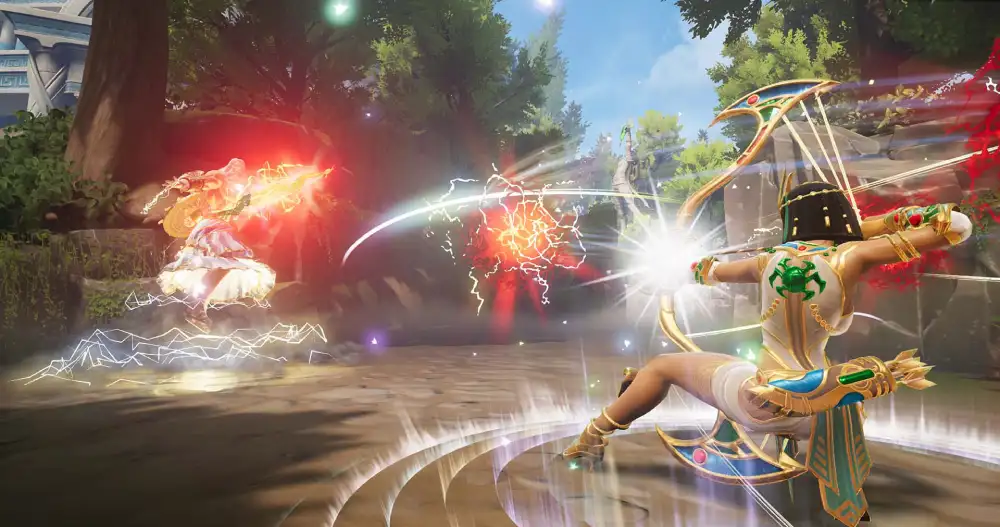
A Smite 2 carry build focuses on sustained damage. Carries usually need time and items before they become terrifying, but once they scale, they are essential for objectives, towers, and late-game teamfights.
Carry builds often depend on whether your god uses basic attacks, crit, on-hit effects, or ability pressure. The goal is consistent damage, not just one burst combo.
What a carry build needs
A strong Smite 2 carry build usually includes:
- Attack speed
- Power
- Lifesteal or sustain
- Penetration
- Critical strike or on-hit damage
- Late-game objective damage
Carries should avoid building too defensively unless absolutely necessary. Your job is to deal damage safely.
Carry build example framework
Use this structure:
- Carry starter or sustain item
- Early power or stacking item
- Attack speed item
- Penetration item
- Crit or on-hit item
- Late-game damage finisher
If the enemy team has multiple tanks, penetration and percent damage become more important.
Smite 2 god builds by role
The best Smite 2 god builds depend on each god’s strengths. A mage with strong poke needs different items from a burst assassin. A guardian support needs different priorities from a warrior solo.
Use this table as a strategic overview:
| Role | Build focus | Main goal |
| Jungle | Burst, cooldown, penetration | Gank and secure kills |
| Solo | Sustain, hybrid defense, utility | Disrupt and survive |
| Support | Auras, health, protections | Peel and engage |
| Carry | Attack speed, damage, pen | Scale and shred objectives |
| Mid | Power, cooldown, burst | Control fights and poke |
Beginner-friendly build logic
For beginners, the best approach is to use a stable core build first. Then, adjust one or two items based on the enemy team.
Start simple:
- Build your role’s core stats.
- Add penetration before late game.
- Buy anti-heal when needed.
- Do not ignore defense in solo or support.
- Do not build full defense on carry unless desperate.
Advanced build logic
Advanced players adapt faster. They change builds based on:
- Enemy composition
- Lane matchup
- Objective timing
- Gold lead or deficit
- Teamfight pattern
- Enemy relics and protections
This is where Smite 2 builds become strategic instead of automatic.
As the roster grows, build decisions become even more dependent on matchup knowledge and role identity. A deeper look at Smite 2 gods can help you understand how different characters shape item priorities before you lock in a role.
Why ExitLag helps Smite 2 builds perform better
Even the best Smite 2 builds cannot compensate for lag, packet loss, or unstable routing. If your abilities fire late, your relics delay, or your movement feels inconsistent, your build cannot perform at its full value.
ExitLag helps optimize your connection route and reduce instability during online matches. That matters in Smite 2 because ability timing, positioning, and reaction speed are central to winning fights.
Why low latency matters
Low latency helps with:
- Jungle ganks
- Skill shots
- Relic timing
- Support peel
- Carry positioning
- Escaping burst damage
- Objective fights
A perfect Smite 2 jungle build still fails if your combo comes out late. A strong Smite 2 support build still struggles if your peel is delayed. Stability matters.
When to use ExitLag for Smite 2
ExitLag is useful if you:
- Play ranked
- Notice ping spikes
- Use unstable Wi-Fi
- Play on distant servers
- Experience packet loss
- Want more consistent matches
Better builds improve your god. ExitLag helps your connection keep up with your decisions.
Official updates, events, and gameplay information can also affect which builds feel strongest over time. The main Smite 2 website is the safest place to confirm current game information before treating any build path as permanent.
FAQ
The Smite 2 best builds depend on role, god, and match conditions. Jungle builds need burst, solo builds need sustain, support builds need utility, and carry builds need scaling damage.
Smite 2 god builds work by matching items to a god’s role, damage type, scaling, and matchup. You should build around what your god does best.
A good Smite 2 jungle build focuses on clear speed, burst damage, cooldown, penetration, and mobility.
A strong Smite 2 solo build uses sustain, protections, cooldown, health, and hybrid damage to win trades and disrupt fights.
A good Smite 2 support build focuses on auras, health, protections, cooldown, and team utility.
A strong Smite 2 carry build focuses on attack speed, power, penetration, lifesteal, and late-game damage.
Yes. This Smite 2 build guide is beginner-friendly, but it also explains the role-based logic needed to adapt builds as you improve.
Smite 2 builds are not just item lists. They are decisions that connect your god, role, matchup, and win condition. Smite 2 builds become stronger when you understand why each item matters instead of copying the same setup every match. Use this Smite 2 build guide to create smarter Smite 2 god builds, adapt your Smite 2 jungle build, refine your Smite 2 solo build, strengthen your Smite 2 support build, and optimize your Smite 2 carry build. Then, use ExitLag to reduce lag, stabilize your connection, and make every fight feel more responsive. Try ExitLag today and play Smite 2 with smoother performance.
Got questions or want to connect with other players? Join the conversation at the ExitLag Forum!