
Overwatch 2 skins are one of the most talked‑about features in Blizzard’s hero shooter. From legendary redesigns to massive crossover events, cosmetics have become a central part of how players express identity, status, and personal taste inside the game.
Unlike gameplay systems, skins don’t change damage, abilities, or hitboxes. Even so, they remain one of the strongest drivers of engagement in Overwatch 2. Players log in every season to see what’s new, what’s rare, and what might never return.
In this complete guide to overwatch 2 skins, you’ll understand how the system works, what types of skins exist, and why cosmetics have become such an important part of the modern Overwatch experience.
How Overwatch 2 Skins Work
Understanding how skins function helps players avoid wasted currency and frustration.
Skin Rarity Tiers Explained
Overwatch 2 skins are divided into rarity tiers, each reflecting complexity and exclusivity:
- Common – Simple recolors with minimal changes
- Rare – Color variations with slightly more detail
- Epic – Noticeable design changes, effects, or textures
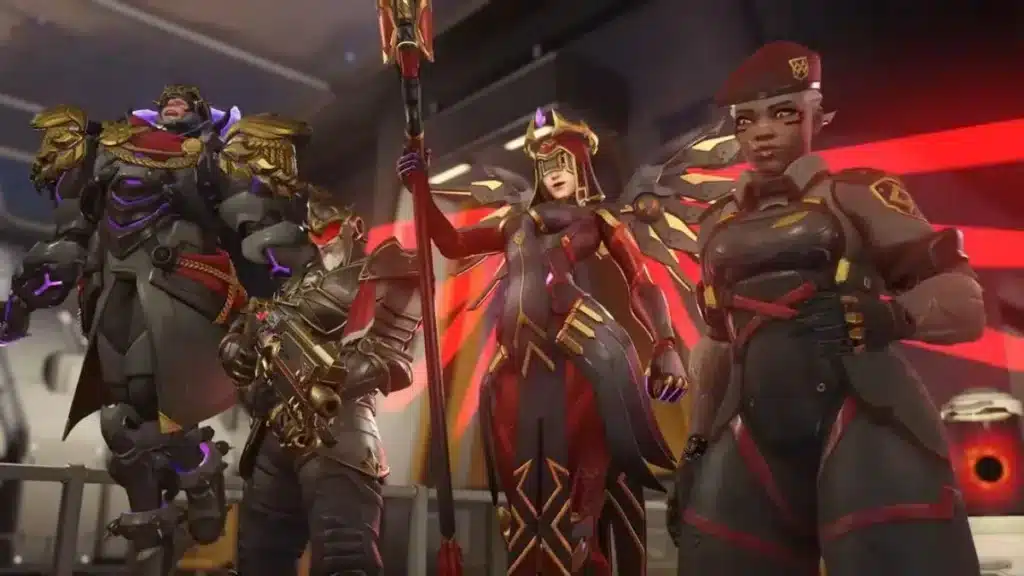
- Legendary – Full hero redesigns with unique models
- Mythic – Fully customizable skins with unlockable variants
Mythic skins are the highest tier and are usually tied to seasonal Battle Pass progression. They often include multiple styles, colors, and visual effects that can be unlocked step by step.
How Players Get Skins in Overwatch 2
There are several official ways to obtain overwatch 2 skins, and each method has its own advantages and limitations:
- In‑game shop purchases using Overwatch Coins
- Seasonal Battle Pass rewards (free and premium tracks)
- Limited‑time events and challenges
- Promotional rewards such as Twitch Drops
- Esports and community event incentives
Because not all skins are permanently available, players often need to decide quickly whether a cosmetic is worth buying when it appears.
New Overwatch 2 Skins and Seasonal Content
Every new season introduces a wave of fresh cosmetics. These usually follow a specific theme, such as cyberpunk, mythology, mecha, or pop culture crossovers.
Seasonal skins typically fall into two categories:
- Battle Pass skins, earned by leveling up
- Shop skins, available for a limited time
Some of the most sought‑after cosmetics come from Battle Pass mythic releases, while shop skins often feature premium collaborations and unique hero concepts.
Seasonal events also introduce exclusive skins that may not return for long periods, if ever. This creates urgency and adds perceived value to limited cosmetics.
Major Collaborations and Crossover Skins
One of the biggest evolutions in Overwatch 2 cosmetics is the rise of large‑scale collaborations.
These events introduce skins inspired by well‑known franchises, music groups, and pop culture icons. Instead of simple recolors, collaboration skins usually feature detailed redesigns that match the crossover theme.
Recent collaboration trends include:
- Pop and K‑pop inspired outfits
- Sci‑fi and mech crossovers
- Anime‑influenced armor and silhouettes
Because these skins are licensed, they are almost always time‑limited. Once the event ends, there is no guarantee the cosmetics will return.
Community Reactions to Skins and Exclusivity
The Overwatch community is deeply invested in cosmetics. New skin announcements often generate as much discussion as balance changes or hero releases.
Common community topics include:
- Whether premium skins are priced fairly
- Concerns about limited availability
- Debate over returning “exclusive” cosmetics
Some players value rarity above all else, while others prefer accessibility. Blizzard has experimented with both approaches, occasionally re‑releasing skins that were once considered exclusive.
This has made understanding skin rotations and policies more important than ever.
Smart Cosmetic Planning for Overwatch 2 Players
To make the most of overwatch 2 skins, players should plan ahead rather than buying impulsively.
Best practices include:
- Reviewing seasonal roadmaps before spending currency
- Prioritizing Battle Pass mythic skins for long‑term value
- Watching for event announcements tied to Twitch or esports
- Saving coins for collaborations instead of standard recolors
A little planning goes a long way in building a strong cosmetic collection without overspending.
Overwatch 2 skins are no longer just visual extras. They are part of the game’s identity, economy, and long‑term engagement strategy. Understanding how they work is the first step toward making smarter choices as a player.
Overwatch 2 New Skins: What’s Coming and What Just Released
Overwatch 2 new skins arrive constantly, and keeping up with them has become part of the core experience. Each season introduces a mix of Battle Pass rewards, premium shop cosmetics, and limited-time event skins that may never return in the same form.
For collectors, understanding how new skins are released is crucial. Blizzard typically aligns new cosmetic drops with seasonal themes, hero reworks, collaborations, or special events. This means that timing often matters just as much as currency.
Recently Released Overwatch 2 New Skins
Recent seasons have leaned heavily into high-detail Legendary and Mythic cosmetics. These skins often feature custom models, special visual effects, and unique animations that clearly separate them from older designs.
Players have seen:
- Seasonal Mythic skins tied to Battle Pass progression
- Premium shop bundles with exclusive recolors and effects
- Event-only skins available for a short window
Because shop rotations are limited, missing a release window can mean waiting months-or longer-for another chance.
How Blizzard Decides Which Heroes Get New Skins
Not every hero receives new cosmetics at the same pace. Blizzard usually prioritizes heroes based on:
- Overall popularity and pick rate
- Narrative relevance within a season
- Synergy with collaboration themes
As a result, some heroes consistently receive more skins, while others see longer gaps between releases.
Overwatch 2 Le Sserafim Skins Explained
The Overwatch 2 Le Sserafim skins marked one of the game’s most high-profile music collaborations. Inspired by K-pop fashion and performance aesthetics, these skins brought a fresh visual identity that stood out immediately.
What Are the Overwatch 2 Le Sserafim Skins?
These cosmetics reimagined selected heroes with modern streetwear influences, stage-inspired outfits, and bold color palettes. Unlike standard skins, Le Sserafim cosmetics were designed to feel like a crossover between music culture and hero shooter identity.
They became popular not only because of their visuals, but because they represented Overwatch 2’s growing interest in pop-culture partnerships.
Are Le Sserafim Skins Returning?
Because of licensing agreements, collaboration skins like these are usually limited-time offers. While Blizzard has re-released some collab cosmetics in the past, there is never a guarantee.
For players interested in rare cosmetics, this uncertainty increases the perceived value of Le Sserafim skins.
Overwatch 2 Transformers Skins: Full Breakdown
The Overwatch 2 Transformers skins are a perfect example of premium crossover design. These cosmetics didn’t just borrow colors-they fully transformed heroes into iconic characters from the franchise.
All Transformers Skins in Overwatch 2
The collaboration introduced several standout skins, including:
- Reinhardt styled as Optimus Prime
- Bastion themed around Bumblebee
- Ramattra inspired by Megatron
- Illari redesigned as Arcee
Each skin featured heavy armor details, mechanical elements, and distinctive silhouettes that made them instantly recognizable in matches.
Why Transformers Skins Became Premium Cosmetics
Transformers skins were priced higher than standard cosmetics for a reason. Licensing costs, custom animations, and detailed visual effects all contributed to their premium status.
For collectors, these skins represent long-term cosmetic value rather than simple visual upgrades.

Overwatch 2 Avatar Skins and Crossover Concepts
Overwatch 2 Avatar skins, inspired by Avatar: The Last Airbender, blended elemental themes with hero abilities. This crossover appealed to both casual fans and long-time competitive players.
Official Overwatch 2 Avatar Skins
Avatar-inspired skins typically reflect elemental identities such as fire, water, earth, and air. These concepts fit naturally within Overwatch’s hero design, making them some of the most visually cohesive crossover cosmetics.
Why Avatar Skins Attract Players
Avatar skins resonate because they combine nostalgia with clarity. Elemental designs are easy to read in combat while still feeling expressive and thematic.
Overwatch 2 Super Mega Ultrawatch Skins: What Players Mean
The term “Overwatch 2 super mega ultrawatch skins” is not an official category. Instead, it’s a community phrase used to describe extremely flashy, high-tier cosmetics.
Is Super Mega Ultrawatch an Official Skin Line?
No. Players typically use this phrase to refer to:
- Mythic skins with multiple visual layers
- Collaboration skins packed with effects
- Cosmetics that dramatically change hero appearance
Examples of Skins Players Call Ultrawatch
Mythic skins with evolving armor, glowing effects, and customization options are often labeled this way by the community. The term reflects excitement rather than classification.
Overwatch 2 Furry Skins and Anthropomorphic Designs
Searches for Overwatch 2 furry skins are common, even though Blizzard does not officially label any cosmetics this way.
Are There Furry Skins in Overwatch 2?
There is no official furry category. However, players often associate animal-inspired heroes and skins with this term. Heroes like Winston, Wrecking Ball, and Orisa naturally fall into this search interest.
Why Players Search for Overwatch 2 Furry Skins
The stylized art direction of Overwatch encourages creative interpretations. Fan culture, concept art, and community discussions all contribute to this keyword’s popularity.
Bounty Hunter Skin Overwatch 2: Theme Explained
The bounty hunter skin Overwatch 2 players often search for refers to a specific aesthetic rather than a single cosmetic.
What Is a Bounty Hunter Skin in Overwatch 2?
These skins usually feature:
- Tactical armor
- Sci-fi or western influences
- Mercenary or outlaw themes
Heroes like Cassidy, Ashe, and Reaper frequently receive skins that fit this style.
Why Bounty Hunter Skins Are Popular
This aesthetic aligns perfectly with a competitive shooter environment. Bounty hunter skins project intimidation and precision, making them favorites in ranked play.

Overwatch 2 Skin Refund: Rules, Limits, and Real Cases
Understanding the Overwatch 2 skin refund process can save players frustration.
How Overwatch 2 Skin Refunds Work
Refund eligibility is limited. In most cases, once a skin is equipped or used, refunds are no longer available. Timing and purchase awareness are critical.
Famous Overwatch 2 Skin Refund Controversies
Past incidents, where paid skins became free shortly after release, caused backlash and forced Blizzard to issue refunds. These cases highlight why caution is advised before buying premium cosmetics.
Overwatch 2 Skin Categories and Examples
| Skin Category | Examples | Availability | Rarity |
| Mythic | Seasonal hero skins | Battle Pass | Mythic |
| Transformers | Optimus Prime Reinhardt | Limited Event | Legendary |
| Le Sserafim | Music collaboration skins | Limited Event | Legendary |
| Avatar | Element-themed skins | Event | Legendary |
| Bounty Hunter | Tactical hero variants | Shop/Event | Epic–Legendary |
Why Stable Connection Matters When Unlocking Skins
Cosmetic events generate massive traffic. Lag, packet loss, or unstable routing can prevent purchases, delay unlocks, or disrupt matches right after equipping a new skin.
ExitLag helps Overwatch 2 players by stabilizing connections during high-demand periods. With optimized routing and reduced latency, players can safely unlock cosmetics, browse the shop, and enjoy matches without interruptions.
This is especially important during limited-time events, where a missed purchase window can mean losing access to a desired skin permanently.
All game images used in this blog belong to Blizzard Entertainment. They are used for informational/educational purposes only and do not imply endorsement or affiliation with the rights holders.
Got questions or want to connect with other players? Join the conversation at the ExitLag Forum!