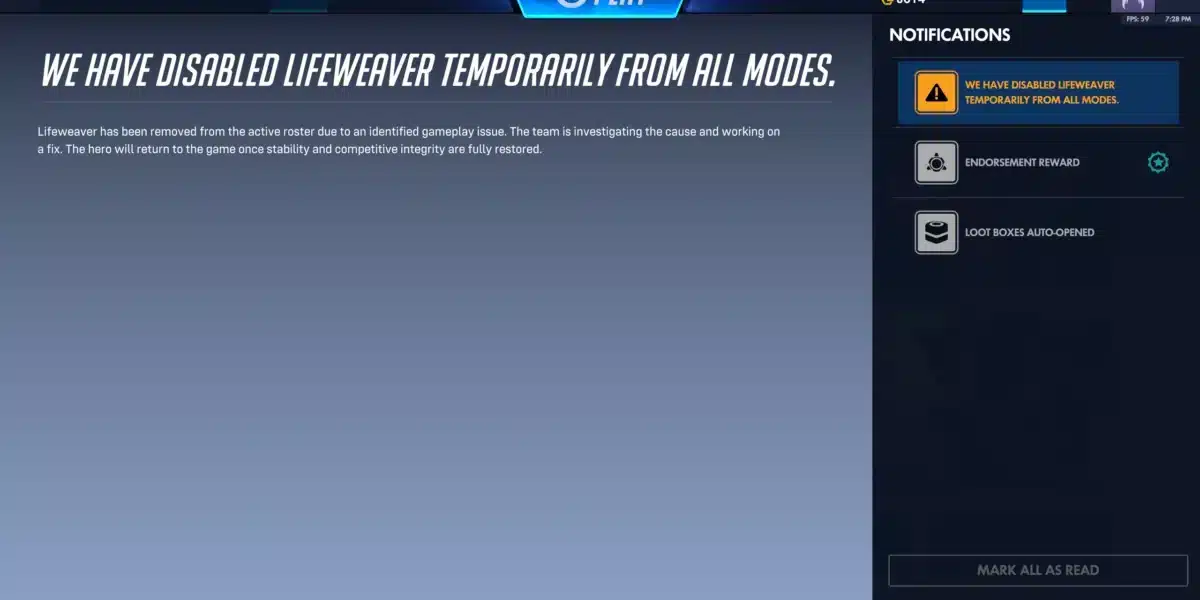
The arrival of Overwatch Season 3: Into the Tiger’s Den marks a significant chapter for players seeking fresh content, competitive challenges, and deeper strategic gameplay. Blizzard continues to evolve the experience with new themes, cosmetics, progression systems, and gameplay adjustments that keep the battlefield engaging for veterans and newcomers alike.
Moreover, this season introduces a stronger narrative identity that blends action, lore, and competitive progression. Players can expect exciting rewards, updated balancing decisions, and new opportunities to master their favorite heroes while exploring the latest content additions in Overwatch Season 3: Into the Tiger’s Den.
In addition, Overwatch Season 3: Into the Tiger’s Den brings renewed attention to teamwork, positioning, and mechanical execution. Whether competing in ranked matches or enjoying casual modes, players will encounter fresh challenges that encourage adaptation and skill development throughout the season.

What makes this season different?
Every new season introduces changes, but some updates have a greater impact than others. This release stands out because it combines thematic storytelling with meaningful gameplay refinements, creating a more immersive experience across multiple game modes.
Furthermore, Blizzard has focused on improving overall player engagement through seasonal progression and event-driven activities. These additions provide more reasons to return regularly and unlock exclusive rewards.
New thematic direction and seasonal identity
The tiger-inspired theme creates a unique atmosphere that influences cosmetics, visual effects, and seasonal events. Rather than simply introducing a collection of skins, the season establishes a cohesive identity that extends across the entire game experience.
Consequently, players can enjoy a stronger sense of progression and immersion while participating in seasonal content.
Gameplay adjustments and balancing updates
Balance changes remain one of the most important aspects of every season. Hero tuning affects team compositions, competitive strategies, and individual performance.
As a result, players may need to revisit their preferred heroes and adapt their playstyles to remain effective in both ranked and casual matches.
New heroes, maps, and seasonal content
Blizzard consistently expands Overwatch by introducing fresh experiences that challenge existing strategies. This season follows that tradition by offering new content designed to keep gameplay dynamic.
Meanwhile, community discussions continue to grow as players analyze the latest additions and speculate about future developments.
Hero updates and evolving strategies
Several heroes have received adjustments intended to improve game balance and encourage greater diversity in team compositions.
Players should focus on:
- Understanding updated hero strengths and weaknesses.
- Learning new positioning opportunities.
- Adjusting team strategies based on balance changes.
These considerations can significantly impact match outcomes, especially in competitive environments.
New battleground opportunities
Maps influence every aspect of gameplay, from engagement timing to ultimate economy management. Therefore, learning map layouts quickly provides a substantial advantage.
Teams that understand sightlines, flanking routes, and objective control areas often achieve more consistent results over time.
How to adapt quickly to meta changes in Overwatch Season 3
Every season introduces balance adjustments that can significantly impact hero viability and team compositions. Therefore, players who adapt quickly to meta shifts in Overwatch season 3 often gain a competitive advantage and climb the ranks more efficiently.
Additionally, understanding emerging strategies early allows players to improve decision-making and stay ahead of opponents who continue relying on outdated tactics.
Identifying the strongest team compositions
Learning which hero combinations perform best after balance updates can help players maximize their effectiveness in both ranked and casual matches.
Practicing new heroes and playstyles
Flexibility is essential during seasonal transitions. Expanding your hero pool makes it easier to adjust when the competitive environment evolves.
Best ways to maximize rewards during the season
Seasonal rewards provide players with additional motivation to stay active and complete challenges. As a result, having a progression strategy can help unlock valuable content more efficiently.
Furthermore, consistent participation ensures that players take full advantage of limited-time opportunities available throughout the season.
Completing weekly and seasonal challenges
Challenges offer one of the fastest methods for earning battle pass progress and unlocking exclusive cosmetic rewards.
Managing playtime for efficient progression
Creating a structured schedule allows players to complete objectives without feeling overwhelmed, making seasonal progression more enjoyable and sustainable.
Understanding progression and rewards
Seasonal progression remains a core component of player engagement. Through battle pass advancement and event participation, players can unlock exclusive cosmetics and customization options.
Additionally, rewards help create long-term objectives beyond competitive ranking.
Battle pass highlights
The battle pass includes numerous unlockables designed to reward active participation throughout the season.
Key reward categories include:
- Character skins.
- Voice lines and emotes.
- Player icons and profile customization.
Because many rewards are limited-time offerings, players are encouraged to progress steadily throughout the season.
Event-exclusive unlockables
Special events provide additional incentives for participation.
For example, event rewards may include:
- Seasonal cosmetics.
- Unique challenges.
- Exclusive themed content.
Consequently, players who participate regularly gain access to a wider variety of customization options.
Overwatch new season name has been revealed: what it means
The announcement that the Overwatch new season name has been revealed generated considerable excitement throughout the community. Seasonal themes often provide clues about narrative direction, cosmetic collections, and event structures.
Furthermore, thematic consistency helps create memorable experiences that distinguish one season from another.
Community reactions and expectations
Players quickly began discussing potential lore connections and gameplay implications after the reveal.
Several recurring expectations emerged:
- More story-driven content.
- Unique seasonal cosmetics.
- Expanded event participation opportunities.
These discussions demonstrate the community’s continued enthusiasm for seasonal updates.
Long-term impact on the game’s ecosystem
Seasonal themes do more than provide cosmetic variety. They influence player engagement, community discussions, and content creation across streaming and social platforms.
Therefore, a successful theme can positively affect player retention and overall activity levels.
Overwatch season 3 competitive environment
Competitive play remains one of the most popular aspects of Overwatch. As balance updates reshape the meta, players continuously adapt to new strategies and hero priorities.
Moreover, success often depends on preparation, communication, and consistency.
How ranked strategies evolve
The competitive meta changes whenever hero adjustments alter effectiveness across different team compositions.
Players seeking improvement should:
- Monitor balance updates.
- Practice multiple heroes.
- Analyze successful team compositions.
This flexible approach helps maintain performance despite changing conditions.
Common challenges for competitive players
Even skilled players encounter obstacles during seasonal transitions.
Common issues include:
| Challenge | Impact on Matches | Recommended Solution |
| Meta shifts | Reduced effectiveness of old strategies | Learn alternative heroes |
| Team coordination | Communication breakdowns | Use clear callouts |
| Performance instability | Delayed reactions | Optimize connection quality |
| Map unfamiliarity | Positioning mistakes | Study layouts and routes |
By addressing these factors, players can improve consistency and increase their chances of ranking up.
Overwatch Shion and emerging community discussions
The mention of Overwatch Shion has generated curiosity among players interested in lore developments, character speculation, and future content possibilities.
Meanwhile, community forums and content creators continue exploring potential connections between seasonal themes and broader narrative elements.
Why community speculation matters
Community engagement plays a major role in keeping the game active between major updates.
Discussion topics frequently include:
- Hero predictions.
- Story theories.
- Future seasonal themes.
These conversations strengthen the connection between players and the evolving Overwatch universe.
Content creators and seasonal visibility
Streamers, analysts, and professional players contribute significantly to seasonal awareness.
As they showcase strategies, review updates, and discuss balance changes, they help players adapt more quickly to new content and competitive environments.
How ExitLag improves your experience in Overwatch

Regardless of mechanical skill, network quality plays a major role in competitive success. A stable connection can be the difference between a perfectly timed ability and a missed opportunity.
Therefore, players looking to maximize their performance should pay close attention to connection stability and routing efficiency.
Reducing latency during intense matches
High latency creates delays between player input and server response. These delays can negatively impact aiming, movement precision, and reaction speed.
ExitLag helps optimize traffic routing by identifying more efficient network paths between players and game servers. Consequently, gameplay becomes smoother and more responsive.
Minimizing packet loss and connection instability
Packet loss can lead to stuttering, delayed actions, and frustrating gameplay experiences.
By improving route stability, ExitLag helps reduce connection interruptions and provides a more reliable competitive environment. This is particularly valuable during ranked matches where consistency is essential.
Tips to prepare for the season
Preparation often determines how quickly players adapt to seasonal changes. Instead of waiting until challenges arise, proactive planning can provide a significant advantage.
Furthermore, developing strong habits early creates a foundation for long-term improvement.
Optimize settings and hardware
Players should review system settings before beginning their competitive journey.
Recommended actions include:
- Updating graphics drivers.
- Optimizing in-game settings.
- Testing network performance.
These adjustments can improve both responsiveness and overall gameplay stability.
Build a flexible hero pool
Relying on a single hero can become problematic when balance changes affect viability.
Instead, players should learn multiple heroes across different roles to remain adaptable throughout the season.
Final thoughts on the season ahead
The latest seasonal update introduces new opportunities for competition, progression, and exploration. From thematic content to gameplay refinements, players have numerous reasons to dive into the action and discover what this release has to offer.
Additionally, the combination of balance updates, seasonal rewards, and community engagement creates an environment where both casual and competitive players can find meaningful goals. Whether pursuing higher ranks or simply enjoying new content, there is something valuable for every type of player.
Ultimately, success throughout Overwatch Season 3: Into the Tiger’s Den depends on preparation, adaptability, and performance consistency. By staying informed, mastering evolving strategies, and leveraging tools such as ExitLag to maintain a stable connection, players can fully enjoy everything that Overwatch Season 3: Into the Tiger’s Den has to offer.
Got questions or want to connect with other players? Join the conversation at the ExitLag Forum!