If you are a fan of PUBG, understanding the PUBG release date history across different platforms is essential for following how the battle royale evolved. From its first PC launch to its expansion into mobile gaming and lighter hardware requirements, each release milestone helped shape the experience players know today.
The PUBG release date timeline is more than a list of launch days. It shows how PUBG expanded from a PC-focused battle royale into a broader gaming ecosystem. The arrival of PUBG Mobile, PUBG Lite, and continued speculation around a possible sequel demonstrates how the franchise adapted to different audiences, devices, and expectations.
What is the PUBG release date?
PUBG release date refers to the launch milestones associated with PUBG across its major versions and platforms. The original PC version entered Steam Early Access on March 23, 2017, before receiving its full release on December 20, 2017. PUBG Mobile followed on March 19, 2018, while PUBG M Lite arrived on July 4, 2019.
For players who want a smoother experience while following the PUBG universe, connection quality can also influence how enjoyable matches feel. Stable latency is particularly important in a competitive battle royale because movement, shooting, positioning, and reactions all depend on responsive communication between the player and the game server.
The PUBG Release Date History Starts With PC
PUBG’s Early Access Beginning
The story of the PUBG release date begins on PC, where PUBG first appeared as an Early Access title on Steam on March 23, 2017. This launch established the foundation for a battle royale experience centered on survival, exploration, resource management, and combat against a large group of opponents.
At the time, the concept stood out because the match structure created a strong combination of unpredictability and strategy. Players entered a large environment, searched for weapons and equipment, and attempted to survive as the playable area gradually became smaller.
The original PC release was especially important because it demonstrated that a battle royale could attract a massive audience while maintaining a competitive identity. The formula was simple enough to understand but complex enough to generate different situations in every match.
The PUBG release date for Early Access therefore represents an important point in modern multiplayer gaming history. It was the moment when PUBG began building the player base and community that would eventually support multiple versions of the game.
The Full PC Launch
PUBG's full PC release arrived on December 20, 2017. This date represents another major milestone because the game moved beyond its Early Access phase and became a complete commercial release.
The difference between the two dates is important when discussing the PUBG release date. March 23, 2017, marks the beginning of Early Access, while December 20, 2017, marks the full PC launch.
This distinction also explains why different sources can sometimes provide different answers when players ask when PUBG was released. Both dates are valid, but they describe different stages of the game's launch.
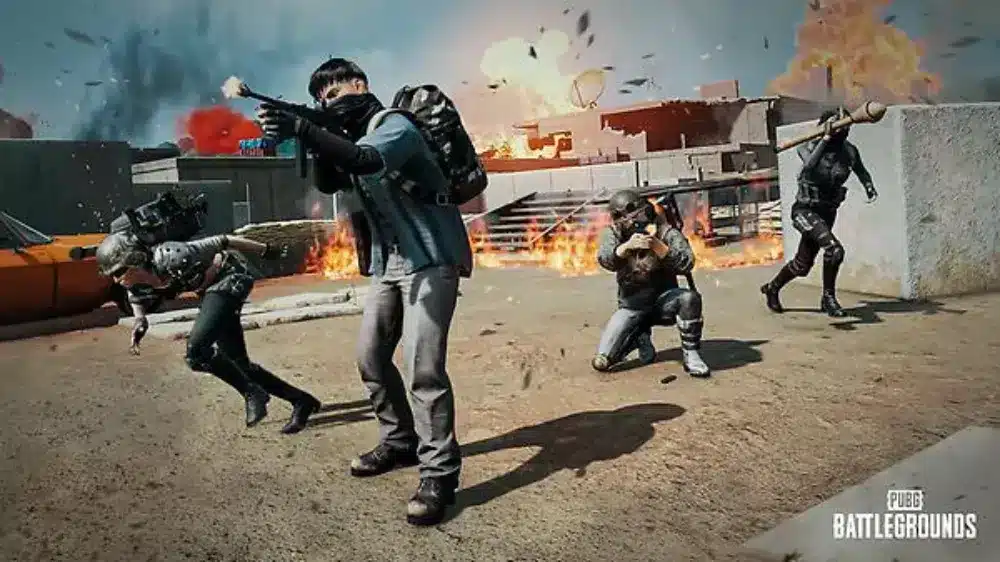
The PC version became known for its large-scale battles, realistic presentation, vehicles, weapons, and shrinking play zone. These elements combined to create tense encounters where players had to balance aggression with survival.
The full launch also established the foundation for future expansions. Once PUBG had proven that the core formula could attract a large audience, bringing the experience to other platforms became a natural next step.
Why the PC Release Changed PUBG
The original PC launch did more than introduce a new game. It created a framework that could be adapted to different types of players.
The PUBG release date on PC is therefore closely connected to the game's later development. The mechanics established in the original version provided the foundation for mobile controls, alternative hardware requirements, new maps, additional modes, and continued updates.
Several characteristics helped define the original experience:
- Large multiplayer matches with a strong survival focus.
- A shrinking play zone that forces players into increasingly smaller areas.
- Loot-based progression during individual matches.
- Weapons and equipment with different tactical uses.
- Vehicles that change how players move across the map.
- A combination of planned strategy and unpredictable encounters.
Together, these elements created a distinctive identity. PUBG was not simply about eliminating opponents. Players also needed to decide when to fight, when to move, when to hide, and when to take a calculated risk.
PUBG Mobile Release Date and the Expansion to Mobile Gaming
When PUBG Mobile Arrived
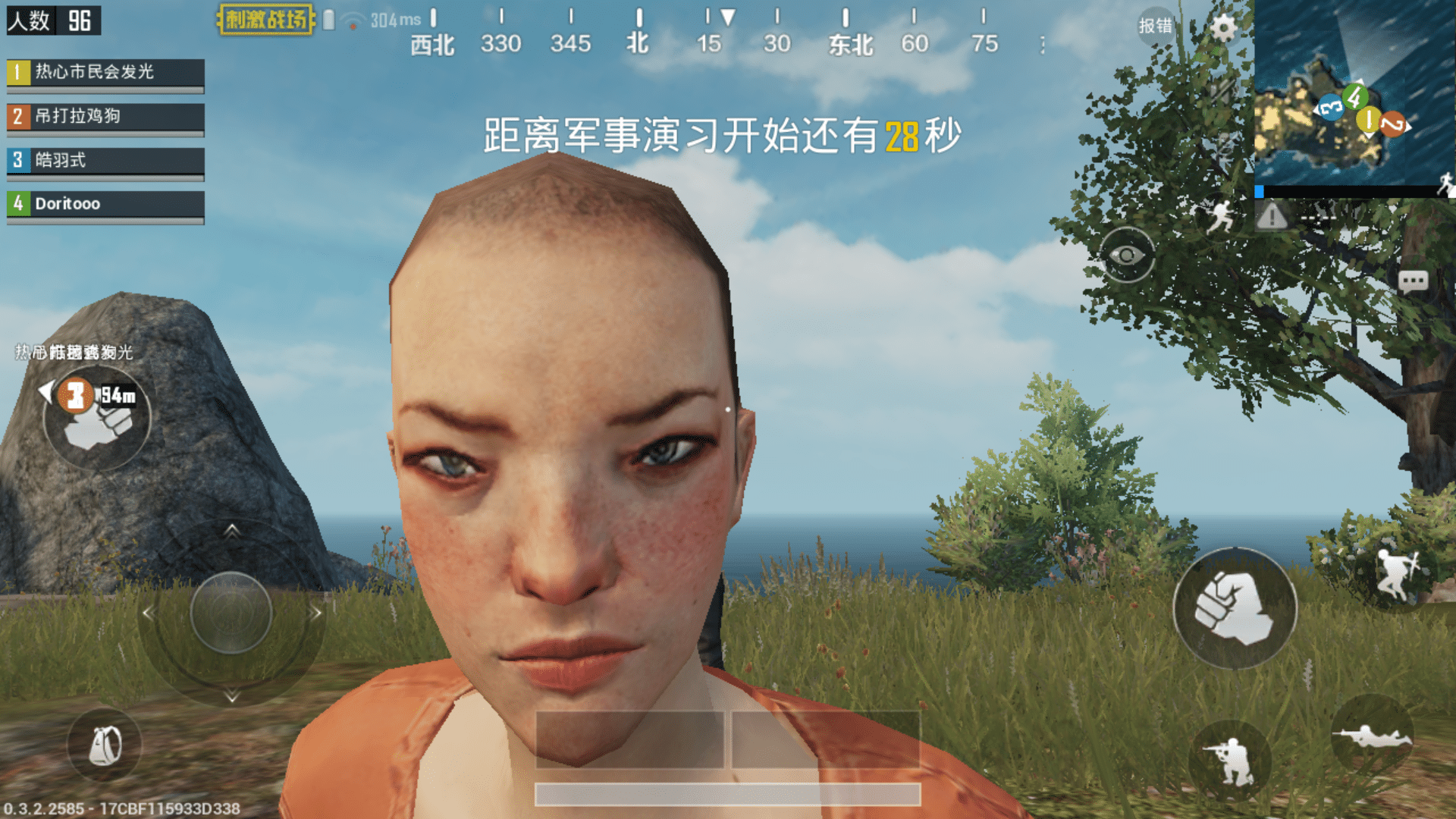
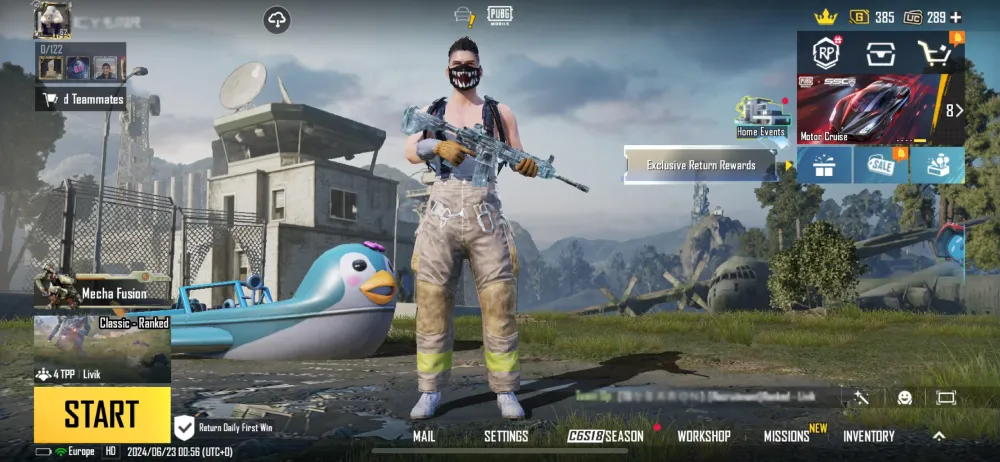
The PUBG Mobile release date was March 19, 2018. This launch represented one of the biggest steps in the franchise's expansion because it brought the core battle royale concept to smartphones and tablets.
PUBG Mobile was designed around the limitations and possibilities of mobile hardware. Instead of simply reproducing the PC interface, the mobile experience adapted controls, menus, aiming, movement, and interaction for touchscreen devices.
The PUBG release date for mobile therefore represents more than a new platform launch. It demonstrates how the franchise adjusted its gameplay presentation to make the battle royale format accessible to a much broader audience.
Players could now participate in matches without requiring a gaming PC. This accessibility helped the PUBG brand reach people who had never experienced the original PC version.
How PUBG Mobile Adapted the Formula
The success of PUBG mobile can be understood by looking at how its controls and presentation were adapted.
Touchscreen controls require different interactions from a mouse and keyboard. As a result, PUBG Mobile incorporated virtual controls for movement, aiming, shooting, inventory management, and other actions.
This adaptation was particularly significant for competitive play. Players had to learn how to manage movement and aiming through a touchscreen while also monitoring the map, inventory, health, ammunition, and surrounding threats.
The PUBG Mobile release date also marked the beginning of a new style of accessibility for the franchise. Instead of requiring players to remain at a desk, PUBG could be played in more locations and situations.
That flexibility helped make the mobile version attractive to both existing PUBG fans and newcomers.
PUBG Mobile Updates and Ongoing Evolution
A release date is only the beginning of a game's lifecycle. PUBG Mobile continued to evolve through updates, new content, gameplay adjustments, events, cosmetics, and technical improvements.
This ongoing development is important when looking at the PUBG release date because it shows that the launch should not be viewed as an isolated event.
Players who started with PUBG Mobile could encounter an experience that changed significantly over time. Maps, weapons, modes, features, and visual elements could be adjusted as the developers continued to support the game.
The PUB Ji mobile search term is sometimes used by players looking for information about the mobile version, although PUBG Mobile is the standard name associated with the game.
Regardless of the wording used in searches, the central milestone remains March 19, 2018, when the mobile version was released.
Why Mobile Became So Important
Mobile gaming changed the potential reach of PUBG. A PC title naturally depends on players having access to compatible computer hardware. A mobile game can reach a much wider audience when smartphones and tablets are already part of everyday life.
That difference helps explain why the PUBG Mobile release date became such an important milestone in the franchise's history.
The mobile launch also demonstrated that battle royale gameplay could work beyond traditional PC and console environments. Players could experience short sessions, complete matches with friends, and participate in a competitive multiplayer ecosystem from a mobile device.
This expansion strengthened PUBG's position within the battle royale genre and created new opportunities for the franchise to evolve.
PUBG Lite Release Date and Lower Hardware Requirements
The Arrival of PUBG Lite
The PUBG Lite release date was July 4, 2019. This version was designed as a lighter alternative for players who could not run the full PC experience comfortably on higher-specification hardware.
The idea behind PUBG Lite was accessibility. By reducing system requirements and making technical adjustments, the game could reach players with less powerful computers.
This approach expanded the potential audience for the PUBG formula.
The PUBG release date timeline therefore includes another important transition. The franchise was no longer limited to players with relatively powerful gaming PCs or mobile devices capable of handling the mobile version.
Instead, PUBG Lite attempted to make the experience available to players using lower-end computer hardware.
What Made PUBG Lite Different?
PUBG Lite retained the fundamental battle royale structure. Players still entered matches, searched for weapons and equipment, fought opponents, used vehicles, and attempted to survive as the playable area contracted.
However, the lighter version made compromises to accommodate less powerful systems.
The goal was not necessarily to provide every feature or visual detail available in the full PC version. Instead, the priority was to preserve the essential gameplay loop while reducing the hardware burden.
This is an important distinction when considering the PUBG Lite release date.
PUBG Lite demonstrated that a game's identity can remain recognizable even when its technical presentation is adjusted. The core battle royale mechanics remained central to the experience.
Why Lower System Requirements Matter
Hardware requirements can determine whether a player can participate in a multiplayer game at all.
A demanding game may require a capable processor, graphics card, sufficient memory, and adequate storage. Players without those components can face performance problems or may be unable to run the game effectively.
PUBG Lite addressed that barrier by creating a version designed around lower system requirements.
The PUBG release date for Lite consequently represents an accessibility-focused stage in the franchise's evolution.
It also shows how PUBG responded to the reality that its global audience would have different hardware capabilities.
PUBG Versions Compared Across Major Release Milestones
Understanding the Main Differences
The different PUBG versions were built around different technical environments and audiences. Comparing them makes the PUBG release date timeline easier to understand.
The original PC release established the main formula. PUBG Mobile adapted it for touchscreen devices. PUBG Lite focused on making the PC experience accessible to lower-end hardware.
The following table summarizes the key milestones:
| PUBG Version | Release Milestone | Platform | Main Focus |
| PUBG PC Early Access | March 23, 2017 | PC | Initial battle royale launch |
| PUBG PC Full Release | December 20, 2017 | PC | Full commercial release |
| PUBG Mobile | March 19, 2018 | Mobile | Touchscreen battle royale |
| PUBG Lite | July 4, 2019 | PC | Lower hardware requirements |
| PUBG 2 | No confirmed date in the provided material | Not confirmed | Speculative future sequel |
These dates make it easier to see how quickly the PUBG ecosystem expanded after the original PC launch.
From PC to Mobile
The transition from PC to mobile was one of the most significant changes in the PUBG release date timeline.
PC players generally have access to physical keyboards, mice, larger screens, and more powerful hardware. Mobile players interact through touchscreen controls and smaller displays.
Consequently, adapting PUBG for mobile required more than simply transferring the game to another device.
The mobile version had to make movement, aiming, looting, and inventory management practical on a touchscreen. At the same time, it needed to preserve the competitive tension that defined the original experience.
This balance was central to PUBG Mobile's appeal.
From Full PC to Lite
The move from the full PC game to PUBG Lite followed a different logic.
Instead of changing the primary input method, the Lite version focused on reducing technical demands. The objective was to allow players with less powerful computers to access a recognizable PUBG experience.
This means that the PUBG release date timeline reflects two different forms of accessibility.
PUBG Mobile expanded accessibility through platform flexibility. PUBG Lite expanded accessibility through hardware requirements.
Both approaches helped the franchise reach players who might otherwise have been excluded from the original PC experience.
How the PUBG Release Date Timeline Shaped the Battle Royale Genre
The Importance of the Original Launch
The original PUBG release date is closely associated with the rise of the modern battle royale phenomenon.
The format became popular because it combines several mechanics that naturally create tension. Players begin with limited resources, search for equipment, encounter opponents, and must respond to a shrinking safe area.
Every decision has consequences.
Choosing a landing position can affect the quality of available loot. Moving too early can expose a player to enemies. Moving too late can result in damage from the shrinking zone.
These decisions make each match different.
Why Every Match Feels Different
One of PUBG's defining characteristics is unpredictability.
Even when players understand the map and have experience with the weapons, they cannot completely control where opponents will appear or how encounters will unfold.
The PUBG release date marked the beginning of a gameplay structure built around this uncertainty.
Players can develop strategies, but the environment constantly forces adaptation.
For example, a player may plan to avoid combat during the early stages of a match. However, an unexpected opponent, an unfavorable zone location, or limited resources can force that player into a confrontation.
That tension helps explain the lasting appeal of PUBG's formula.
The Role of Strategy
PUBG also distinguishes itself through the relationship between mechanical skill and strategic decision-making.
Accuracy matters, but so do positioning, timing, awareness, resource management, and movement.
A player who consistently survives may not always have the highest number of eliminations. Instead, that player may understand when combat is advantageous and when avoiding a fight is the better option.
The original PUBG release date therefore introduced a format where success could be measured through more than raw aggression.
Major Milestones After the PUBG Release Date
Maps and Gameplay Development
Following the initial launch, PUBG continued to develop through new maps, gameplay mechanics, patches, and other content.
These updates helped prevent the experience from becoming static.
A battle royale depends heavily on replayability. Players return because matches are different, but long-term engagement also benefits from changes to the environment and available gameplay systems.
The PUBG release date was only the starting point for that process.
As the game developed, players had additional reasons to return, learn new environments, adapt strategies, and explore different approaches.
Technical Improvements
Technical improvements are equally important for an online competitive game.
Performance problems can affect aiming, movement, visibility, and overall responsiveness. Therefore, patches and optimizations can influence the quality of the experience even when they do not introduce obvious new content.
The evolution of PUBG demonstrates how a multiplayer game must continually balance content development with technical stability.
For players, this means that the historical PUBG release date is best understood as the first entry in a much longer development timeline.
Community Expectations
As PUBG grew, player expectations also changed.
Players who joined during Early Access could expect the game to evolve. Later players encountered a more established ecosystem with years of accumulated updates and community knowledge.
This creates an interesting relationship between launch history and player perception.
Someone discovering PUBG after the mobile release may have a different understanding of the game than someone who experienced the original PC Early Access period.
Nevertheless, the same core battle royale identity connects these experiences.
A Simple PUBG Release Date Timeline
The Key Dates at a Glance
For players who want a quick reference, the main PUBG release date milestones are straightforward.
The original PC version entered Steam Early Access on March 23, 2017. Its full release followed on December 20, 2017.
PUBG Mobile launched on March 19, 2018.
PUBG Lite launched on July 4, 2019.
These milestones show that PUBG expanded across major platforms relatively quickly.
What Each Date Represents
The dates should not be treated as interchangeable.
The March 23, 2017 date represents the beginning of PUBG's Early Access period on PC. December 20, 2017 represents the full PC release.
March 19, 2018 marks the launch of PUBG Mobile.
July 4, 2019 marks the launch of PUBG Lite.
Understanding those distinctions prevents confusion when searching for the PUBG release date.
It also explains why different players may remember different dates when discussing when PUBG first launched.
The Timeline in Three Steps
The history can be remembered through three major stages:
- PUBG establishes its identity on PC through Early Access and its full release.
- PUBG expands to mobile devices through PUBG Mobile.
- PUBG increases PC accessibility through PUBG Lite.
This progression captures the central story of PUBG's expansion without losing the differences between its versions.
PUBG 2 Release Date: What We Know From the Provided Material
Is There a Confirmed PUBG 2 Release Date?
The provided material does not identify a confirmed PUBG 2 release date.
Instead, it describes the possibility of a sequel as speculative. Various rumors have circulated around a potential follow-up, but the material does not provide an official launch date.
That distinction is essential.
A rumored release window should not be presented as a confirmed PUBG release date. Without an official announcement, players should treat predictions about PUBG 2 as speculation rather than established information.
Why Players Expect a Sequel
The continued popularity of PUBG naturally creates interest in what could come next.
A sequel could potentially introduce new technology, gameplay systems, environments, or other improvements. However, the existence of interest from the community does not itself confirm that a sequel has a specific launch schedule.
The original PUBG has continued to evolve through updates and new content, which means that the franchise does not necessarily depend on a numbered sequel to remain active.
For now, the safest conclusion based on the supplied material is that there is no confirmed PUBG 2 release date.
What Players Can Expect Instead
While waiting for official information, players can continue exploring the existing PUBG ecosystem.
The franchise's development history demonstrates that substantial changes can occur through updates without requiring a new numbered game.
The original PC version, PUBG Mobile, and PUBG Lite each represent different approaches to the same core concept.
That history suggests that future PUBG developments could also take different forms.
PUBG, PUBG Mobile, and PUBG Lite: Choosing the Right Experience
PUBG on PC
The original PC version remains the reference point for understanding the franchise's history.
Its PUBG release date in Early Access on March 23, 2017 established the foundation, while the December 20, 2017 full release marked the completion of its initial launch period.
PC gaming can provide advantages such as a larger display, keyboard and mouse controls, and access to hardware configurations designed for gaming.
For players who prefer precise mouse aiming and traditional PC controls, this version represents the classic PUBG experience described in the original material.
PUBG Mobile
PUBG Mobile offers a different way to experience the same battle royale concept.
Its PUBG Mobile release date of March 19, 2018 made the game accessible to players using mobile devices.
Touchscreen controls change how players approach aiming, movement, looting, and combat. However, the essential survival structure remains recognizable.
For players who value portability, PUBG Mobile provides the flexibility to play without being tied to a gaming computer.
PUBG Lite
PUBG Lite was designed for players with lower-end PCs.
Its PUBG Lite release date of July 4, 2019 marked another accessibility-focused milestone.
The version reduced technical demands while preserving important elements of the battle royale formula.
Although it did not necessarily provide every feature or visual detail of the full PC version, its purpose was clear: make the PUBG experience more accessible to players whose hardware could not comfortably handle the standard PC version.
Why Understanding the PUBG Release Date Matters
Following the Franchise's Evolution
Knowing the PUBG release date history helps players understand how the franchise developed.
The game did not appear simultaneously on every platform. Instead, it expanded through a series of launches that introduced PUBG to increasingly diverse audiences.
The sequence matters because each release addressed a different player need.
PC established the original experience.
Mobile introduced portability.
Lite reduced hardware barriers.
Together, these milestones tell the story of PUBG's expansion.
Understanding Different Player Experiences
Players often use the same franchise name while referring to different versions.
Someone may say PUBG while discussing the PC experience. Another player may mean PUBG Mobile. A third player may remember PUBG Lite.
Knowing the PUBG release date timeline provides context for these differences.
It also helps explain why players may have encountered different interfaces, performance requirements, controls, and content depending on when and where they played.
Putting Current Discussions Into Context
Release dates also provide context for conversations about updates, sequels, and the future of the franchise.
When players discuss a potential new version, the history of previous releases offers a useful reference point.
The franchise has already demonstrated that it can expand through multiple platforms and technical approaches.
That makes the PUBG release date timeline useful not only as historical information but also as a framework for understanding how PUBG has reached different gaming communities.
The Broader Legacy of PUBG's Launch Strategy
A Game That Expanded Beyond Its Original Audience
The original PC launch created a strong foundation, but the franchise's long-term reach depended on expansion.
The PUBG release date on PC introduced the game to the audience that helped establish its identity. The later mobile launch opened the door to an entirely different category of players.
PUBG Lite followed with a hardware-focused approach.
This sequence demonstrates how a successful multiplayer game can broaden its audience without abandoning its central gameplay identity.
Accessibility as a Growth Strategy
The history of PUBG also shows that accessibility can mean different things.
For PUBG Mobile, accessibility meant bringing the game to portable devices.
For PUBG Lite, accessibility meant reducing the hardware barrier.
For the original PC version, accessibility was tied more directly to the traditional gaming computer environment.
Each version therefore responded to a different limitation.
This makes the PUBG release date timeline particularly useful for understanding the franchise as a product ecosystem rather than a single game.
The Importance of a Strong Core Formula
Despite the differences between platforms, the central battle royale formula remained recognizable.
Players enter a match, acquire equipment, navigate an increasingly restricted battlefield, encounter opponents, and attempt to survive.
That consistency is one reason PUBG could move across platforms while maintaining a recognizable identity.
The PUBG release date history ultimately tells a story about adaptation. The game changed its technical presentation and accessibility while retaining the mechanics that made its original concept compelling.
What the PUBG Release Date Timeline Tells Us About the Future
Continued Evolution Is Part of PUBG's Identity
The history of PUBG suggests that evolution is not unusual for the franchise.
From Early Access to the full PC launch, then from PC to mobile and Lite, the game repeatedly changed to accommodate new audiences.
That pattern means players should distinguish between confirmed information and speculation when discussing future releases.
A possible sequel may attract attention, but the provided material does not establish a confirmed launch date.
Why Official Announcements Matter
Release dates have a direct impact on expectations.
An official date gives players a reliable point of reference. A rumor does not provide the same certainty.
Therefore, when discussing a possible future PUBG release date, it is important to separate established milestones from predictions.
The confirmed history is clear:
- March 23, 2017: PUBG PC entered Early Access.
- December 20, 2017: PUBG received its full PC release.
- March 19, 2018: PUBG Mobile launched.
- July 4, 2019: PUBG Lite launched.
- PUBG 2: no confirmed release date is provided in the source material.
This chronology provides a reliable framework for understanding the franchise.
The Franchise's Platform Expansion
The most important pattern in the PUBG release date history is platform expansion.
PUBG began with PC, then reached mobile users and lower-end PC users through different versions.
This progression illustrates how a game's audience can grow when developers adapt the experience to different technical environments.
It also reinforces the importance of the original launch. Without the PC foundation, the later versions would not have had the same established gameplay identity to build upon.
PUBG Release Date: The Complete Timeline in Context
From Early Access to Full Release
The original PUBG release date story begins with Early Access on March 23, 2017.
That period allowed PUBG to establish its gameplay identity and attract a community around the battle royale format.
The full PC launch on December 20, 2017 then marked the next major milestone.
Together, those dates represent the first stage of PUBG's history.
From PC to Mobile
The next major transition occurred on March 19, 2018, when PUBG Mobile launched.
This was a significant moment because it demonstrated that the PUBG formula could be adapted for mobile devices.
The PUBG Mobile release date therefore represents a turning point in the franchise's accessibility.
Players no longer needed to experience PUBG exclusively through the original PC environment.
From Full PC to Lite
The July 4, 2019 launch of PUBG Lite continued this expansion.
By offering a lighter version designed around lower hardware requirements, PUBG reached another group of potential players.
The PUBG Lite release date completes the major confirmed platform milestones described in the supplied material.
Together, these launches show how PUBG developed from a PC Early Access title into a broader ecosystem.
A Timeline Worth Remembering
For a quick final reference, the confirmed milestones are:
| Date | Version | Significance |
| March 23, 2017 | PUBG PC Early Access | Beginning of the original PC experience |
| December 20, 2017 | PUBG PC Full Release | Full PC launch |
| March 19, 2018 | PUBG Mobile | Mobile expansion |
| July 4, 2019 | PUBG Lite | Lower-spec PC expansion |
| No confirmed date | PUBG 2 | Speculative future sequel |
This timeline makes the PUBG release date history easier to remember and provides context for how the franchise expanded.
PUBG Release Date and the Evolution of the Franchise
The Original Milestone
The original PUBG release date on PC represents the foundation of everything that followed.
March 23, 2017 introduced PUBG through Steam Early Access, while December 20, 2017 marked the full release.
Those dates established the core experience and created the foundation for later adaptations.
The Mobile Milestone
The PUBG Mobile release date of March 19, 2018 expanded the franchise beyond traditional PC gaming.
Mobile controls and hardware requirements created a different environment, but the battle royale concept remained recognizable.
That combination of familiarity and adaptation helped connect PUBG with a much broader audience.
The Lite Milestone
The PUBG Lite release date of July 4, 2019 represented another approach to accessibility.
Rather than focusing on portability, Lite focused on lower hardware requirements.
This made the version relevant to players who wanted the PUBG experience without needing the same level of PC hardware associated with the full version.
The Future
The future of PUBG remains a subject of player interest, especially when discussing a possible sequel.
However, the supplied material does not confirm a PUBG 2 release date.
For that reason, the most reliable way to understand the franchise is to focus on its confirmed history while treating future release predictions as speculation.
The PUBG release date timeline ultimately shows a franchise that grew through adaptation, platform expansion, and continued development. From the original PC Early Access launch to the full release, followed by PUBG Mobile and PUBG Lite, each milestone represents a different stage in PUBG's evolution.
For players researching PUBG history, the key dates remain straightforward: March 23, 2017 for PC Early Access, December 20, 2017 for the full PC release, March 19, 2018 for PUBG Mobile, and July 4, 2019 for PUBG Lite. These milestones explain how PUBG moved from its original PC audience toward a much broader gaming community while preserving its defining battle royale structure.
Understanding PUBG Release Date Milestones for New Players
Why the Launch Timeline Still Matters
For newer players, the PUBG release date timeline can seem confusing because PUBG exists across different versions and platforms. However, understanding the order of those launches makes it much easier to see how the game developed.
The original PC version came first. PUBG then expanded to mobile devices, followed by a lighter PC version designed for lower hardware requirements. Each release addressed a different part of the gaming audience while preserving the central battle royale concept.
This history is also useful when comparing older discussions, guides, videos, and community references. A player reading about PUBG from 2017 may be looking at a very different stage of the game's development than someone who discovered PUBG through its mobile version in 2018.
The launch timeline therefore provides context. It explains why some players describe the game through PC controls and others associate it primarily with touchscreen gameplay.
The Importance of Knowing Which Version Is Being Discussed
When researching PUBG, the platform should always be considered.
A guide about the PC version may discuss keyboard and mouse controls, computer hardware, Steam, and graphical settings. A guide about PUBG mobile may instead focus on touchscreen controls, mobile optimization, and portable gameplay.
Likewise, discussions about PUBG Lite often center on lower system requirements and accessibility for less powerful computers.
These differences matter because the same basic PUBG concept can produce different experiences depending on the version.
For anyone researching the PUBG release date, identifying the version first is one of the easiest ways to avoid confusion.
PUBG PC Release and the Beginning of the Battle Royale Experience
Early Access as a Major Turning Point
The March 23, 2017 Early Access launch was a defining moment for PUBG.
Instead of arriving as a completely established product, the game entered a period in which the community could experience its central mechanics while the developers continued to improve the title.
This approach allowed the player base to grow alongside the game.
The PUBG release date associated with Early Access is particularly important because it represents the moment when the original PUBG concept became available to a broad PC audience through Steam.
The game was built around a straightforward but highly replayable premise. Players entered a large environment, searched for resources, encountered other players, and attempted to remain alive until the end.
That structure created a match where every decision could affect the outcome.
The Full Release Completed the First Stage
December 20, 2017 marked the full PC release.
The difference between Early Access and the full launch is essential when discussing PUBG's history. Early Access introduced the game to players, while the full release represented the completion of its initial development stage.
The two dates are therefore complementary rather than contradictory.
A player asking for the original PUBG release date may encounter either March 23 or December 20 depending on whether the source is referring to Early Access or the full PC release.
That distinction should remain clear in any discussion of PUBG's history.
The Core Gameplay Loop
The original PC version established the gameplay structure that would later be adapted for other platforms.
A typical match revolves around several interconnected decisions:
- Where to begin the match.
- Which equipment to collect.
- When to move toward the safe area.
- Whether to engage another player.
- How to manage ammunition and healing items.
- Whether to use a vehicle or travel on foot.
- How aggressively to approach the final stages of the match.
These decisions make PUBG different from a conventional multiplayer shooter.
A player does not simply respawn after being eliminated. Instead, survival has a direct connection to progression within the individual match.
That creates tension from the beginning and explains why the original PC release became so influential within the battle royale genre.
PUBG Mobile Release Date and the Rise of Portable Battles
Bringing PUBG to Smartphones
The March 19, 2018 PUBG Mobile release date introduced the battle royale experience to mobile players.
This was a major adaptation because smartphones do not provide the same control scheme as a traditional gaming PC.
Instead of a physical keyboard and mouse, players use a touchscreen interface. Movement, aiming, firing, inventory management, and other actions must therefore be organized around touch controls.
The result is a different interaction model built around the same fundamental objective: survive the match.
Why PUBG Mobile Became an Important Milestone
The arrival of PUBG mobile expanded the franchise beyond players who owned gaming computers.
This increased accessibility was one of the most important aspects of the mobile launch. Players could participate using a mobile device rather than relying on a desktop gaming setup.
That also changed when and where people could play.
A PC session usually requires a dedicated gaming environment. A mobile session can be much more flexible, allowing players to access matches in situations where a computer is not available.
The PUBG Mobile release date consequently represents a major change in the reach of the franchise.
Adapting Controls Without Losing the Core Formula
The challenge of a mobile adaptation is preserving the identity of the original game while making the controls practical.
PUBG Mobile addressed that challenge through an interface designed specifically for touchscreen interaction.
Players can move their characters using virtual controls, adjust their view, aim, fire weapons, collect equipment, and interact with the environment through touch-based commands.
Despite those changes, the fundamental gameplay loop remains familiar.
Players still need to consider positioning, resources, opponents, and the shrinking play zone.
This balance between adaptation and familiarity helped make the mobile version recognizable as PUBG rather than an unrelated mobile shooter.
The “Pub Ji Mobile” Search Term
Some players searching for the mobile version may use variations such as PUB Ji mobile.
Although the spelling differs from the standard title, the search generally refers to the same PUBG mobile experience.
This illustrates another reason why understanding the PUBG release date and platform history can be useful.
Search terms may vary, but identifying the intended version helps players find the information they need.
PUBG Lite Release Date and Accessibility
The Purpose of a Lighter PC Version
The July 4, 2019 PUBG Lite release date introduced another approach to accessibility.
Rather than changing the game primarily for touchscreen devices, PUBG Lite focused on lower-end PC hardware.
This distinction is important.
A player might have a computer but lack the hardware needed to run the full PC experience comfortably. A lighter version could therefore provide an alternative path into the PUBG ecosystem.
The idea was to preserve the essential battle royale experience while reducing technical demands.
Lower Requirements and a Familiar Experience
PUBG Lite retained several characteristics associated with PUBG.
Players could still use weapons, vehicles, equipment, and the shrinking play area. The fundamental objective remained survival against other players.
However, technical adjustments made the version more suitable for computers with lower specifications.
This made the PUBG Lite release date another important point in the franchise's accessibility story.
The PC experience was no longer limited to users with more powerful gaming hardware.
Comparing Lite With the Original PC Version
The original PC version and PUBG Lite served different hardware audiences.
The full version was designed around the broader capabilities of modern gaming computers, while Lite emphasized accessibility for lower-end systems.
This does not mean the two versions had completely different identities.
Both were built around the same recognizable battle royale structure.
The distinction was primarily technical and audience-focused.
For players researching the PUBG release date timeline, this makes the 2019 Lite launch particularly useful as an example of how developers can adapt a game for different hardware environments.
PUBG Release Date and the Development of Player Communities
Different Generations of PUBG Players
The history of PUBG created different generations of players.
Early adopters encountered PUBG during its PC Early Access period. Other players discovered the game after the full PC release. Still others encountered the franchise through PUBG Mobile or PUBG Lite.
Each group could develop its own relationship with the game.
A player who started in 2017 may remember the early development period, while someone who started in 2018 may associate PUBG primarily with mobile gaming.
The PUBG release date timeline helps explain these differences.
How Launch Timing Influences Player Expectations
Players who join a game shortly after launch often experience a different environment from those who arrive years later.
Early players may witness the introduction of new maps, gameplay adjustments, technical improvements, and other changes as they happen.
Later players can enter an already-developed ecosystem.
This distinction is especially relevant for PUBG because the franchise expanded rapidly across platforms.
The original PC release established the foundation, while later releases introduced PUBG to new audiences.
A Shared Battle Royale Identity
Despite platform differences, the central PUBG identity remained connected to survival-based multiplayer combat.
The same basic principles continue to define the concept:
- Preparation matters.
- Positioning matters.
- Resource management matters.
- Awareness matters.
- Timing matters.
- Survival can be more important than immediate aggression.
These principles help connect the different versions across the PUBG release date timeline.
How Release Dates Help Explain PUBG's Evolution
From Experimental Launch to Established Franchise
The 2017 Early Access launch represents the beginning of PUBG as a major PC battle royale.
The full release later that year established the game as a more complete product.
Then, the 2018 mobile launch expanded the audience again.
Finally, the 2019 Lite release addressed another accessibility barrier.
Viewed together, these milestones show a clear progression.
The PUBG release date history is therefore not simply chronological information. It explains how the franchise moved from one audience to another.
Platform Expansion as a Long-Term Strategy
The progression from PC to mobile and Lite shows the value of platform expansion.
A game with a strong core concept can potentially reach new audiences when developers adapt the experience to different technical environments.
PUBG's history is a clear example of this approach.
The PC version established the identity. Mobile made the experience portable. Lite made the PC concept more accessible to lower-end hardware.
Each step served a different purpose.
Why the Original Concept Was Adaptable
The battle royale formula is relatively easy to understand.
Players know the basic objective: enter the match, acquire resources, survive opponents, and reach the end.
However, the details create depth.
Map knowledge, positioning, movement, weapon selection, timing, and awareness can all influence the outcome.
That combination made the PUBG concept adaptable enough to move between platforms.
The PUBG release date timeline demonstrates how the same underlying structure could be presented to different audiences without completely changing its identity.
PUBG Release Date and the Importance of Maps
Maps Create Different Tactical Situations
Maps are an important part of the PUBG experience because the environment influences movement, visibility, loot opportunities, and combat.
The original PC experience established the importance of large environments in the battle royale formula.
As PUBG continued to evolve, maps and other content became part of the game's long-term appeal.
For players researching the PUBG release date, this is another reason to think about the game's history as a process rather than a single launch.
Why Map Knowledge Matters
Knowing a map can help players make better decisions.
Players can learn common routes, recognize important areas, understand terrain, and anticipate possible encounters.
However, no amount of map knowledge eliminates uncertainty.
Other players still influence what happens in every match.
That balance between preparation and unpredictability is central to PUBG's replayability.
The Connection Between Maps and Strategy
A player's strategy can change depending on the environment.
Open areas may require careful movement and awareness of distant threats. Urban environments may create more close-range encounters. Different terrain can influence how players use cover and vehicles.
These considerations demonstrate why PUBG is more than a traditional shooting game.
The PUBG release date may identify when a version launched, but the gameplay systems developed afterward are what sustain the experience.
PUBG Release Date and Competitive Gameplay
Mechanical Skill
PUBG rewards mechanical ability, particularly during direct encounters.
A player's aim, reaction time, movement, and weapon control can determine the outcome of a firefight.
However, mechanical skill is only one part of the equation.
Decision-Making
A player can have excellent aim and still lose a match through poor positioning or unnecessary fights.
Competitive PUBG therefore involves constant decision-making.
Players must consider whether an engagement is worth the risk, whether they have enough equipment, and whether moving to another position would provide a stronger advantage.
This strategic layer is one reason the original PUBG release date became such an important milestone in the development of the modern battle royale genre.
Team Coordination
When playing with teammates, communication adds another layer.
Players need to share information, identify threats, coordinate movement, and decide when to engage.
A team that communicates effectively can often make better decisions than a group of individually skilled players who act independently.
This remains consistent with the broader PUBG philosophy: survival depends on awareness and decision-making as much as raw shooting ability.
PUBG Mobile Performance and Connectivity
Why Stable Connectivity Matters
Online battle royale games depend on communication between the player's device and the game server.
If that communication becomes unstable, players may experience delayed actions, inconsistent movement, or other interruptions.
This makes connection quality relevant regardless of whether the player is using PC or mobile.
The PUBG Mobile release date brought PUBG to devices that frequently rely on wireless networks, making network stability particularly relevant for mobile players.
Latency During Competitive Matches
Latency affects how quickly information travels between the player's device and the server.
In a competitive firefight, even small delays can influence how responsive an action feels.
Players may notice this when aiming, moving around cover, interacting with objects, or reacting to opponents.
A stable connection does not replace gameplay skill, but it can help reduce unnecessary interruptions that make a match less predictable.
Optimizing the Gaming Environment
Players can also improve consistency by reducing unnecessary network activity, using a reliable connection, and keeping their device or computer appropriately configured.
For PC players, background applications can also consume resources.
For mobile players, device performance, wireless signal quality, and background activity can influence the overall experience.
These considerations are especially relevant when playing a competitive game where timing matters.
PUBG Release Date Research and Reliable Sources
Why Source Quality Matters
When researching a PUBG release date, players may encounter many websites, videos, posts, and community discussions.
Not every source will distinguish between Early Access, full release, mobile launch, and Lite launch.
That can create conflicting dates.
A reliable approach is to identify the version first and then determine what kind of release the date represents.
For the original PC version, the key distinction is between Early Access and the full release.
For mobile and Lite, the relevant dates refer to their respective launches.
Checking Official Game Information
Official game pages can provide useful context when players want to verify platform information or current game details.
For the original PC version, players can consult the official Steam listing for PUBG: BATTLEGROUNDS: PUBG: BATTLEGROUNDS on Steam.
Using an established source is particularly helpful when researching launch history because it reduces the possibility of confusing PUBG with another battle royale title.
Avoiding Conflicting Dates
Different dates are not necessarily evidence that a source is incorrect.
For example, March 23, 2017 and December 20, 2017 both refer to the original PC version, but they describe different release stages.
Similarly, a search for PUBG may return information about the mobile version even when the user is actually looking for the original PC launch.
The solution is simple: identify the platform and release stage before comparing dates.
PUBG Release Date: Common Misunderstandings
Is March 23, 2017 the Original Release Date?
March 23, 2017 is the date associated with PUBG's Steam Early Access launch.
Therefore, it is a valid original launch milestone.
However, it should not be confused with the full PC release on December 20, 2017.
Is December 20, 2017 the Only PUBG Release Date?
No.
December 20, 2017 represents the full PC release, but the franchise later expanded to mobile and Lite.
That is why the term PUBG release date can refer to several different milestones depending on context.
Did PUBG Mobile Launch Before the Full PC Version?
No.
The original PC version entered Early Access in March 2017 and received its full release in December 2017.
PUBG Mobile followed in March 2018.
This sequence is important for understanding the franchise's development.
Was PUBG Lite the First Mobile Version?
No.
PUBG Lite was a lighter PC version.
PUBG Mobile was specifically adapted for mobile devices.
The two versions addressed different technical requirements and should not be treated as interchangeable.
PUBG Release Date and the Future of the Franchise
What Players Can Learn From the Past
PUBG's history provides a useful framework for thinking about its future.
The franchise has already demonstrated that it can adapt to different platforms and audiences.
The original PC release established the gameplay identity. PUBG Mobile demonstrated mobile accessibility. PUBG Lite demonstrated hardware accessibility.
These stages show that the franchise can evolve without necessarily abandoning its central battle royale formula.
The Question of PUBG 2
Interest in a possible PUBG 2 remains part of the broader conversation around the franchise.
However, the supplied material does not provide a confirmed PUBG 2 release date.
Therefore, predictions should remain separate from confirmed launch information.
A rumor can generate discussion, but it does not establish a launch schedule.
Until a release date is officially confirmed, players should treat specific predictions with caution.
Why the Existing Game Still Matters
The possibility of a future sequel does not diminish the importance of the original PUBG.
The game's influence comes from its initial PC release and the battle royale structure that followed.
Its subsequent versions demonstrate how the original concept could reach different audiences.
Understanding the PUBG release date timeline therefore remains relevant even when discussing future possibilities.
PUBG Release Date: Final Timeline and Key Takeaways
The Confirmed Milestones
The complete timeline can be summarized through four primary confirmed launch milestones from the supplied material.
PUBG PC Early Access began on March 23, 2017.
The full PC release followed on December 20, 2017.
PUBG Mobile launched on March 19, 2018.
PUBG Lite launched on July 4, 2019.
These dates show the rapid expansion of PUBG after its original PC debut.
What the Timeline Means
The significance of the PUBG release date goes beyond remembering calendar dates.
The timeline explains how PUBG grew from a PC battle royale into a broader ecosystem.
The original launch established the formula.
The full PC release completed the initial stage.
PUBG Mobile introduced the experience to mobile players.
PUBG Lite addressed lower-end PC hardware.
Each stage reflects a different approach to reaching players.
The Main Lessons
There are three key points to remember.
First, PUBG's original PC history includes both Early Access and the full release.
Second, PUBG Mobile and PUBG Lite were separate platform adaptations with different purposes.
Third, the supplied material does not establish a confirmed PUBG 2 launch date.
Keeping these distinctions clear makes it much easier to understand discussions about PUBG's history.
Final Thoughts on PUBG Release Date
Now you know everything about the PUBG release date. To improve your experience even further you can count on tools such as ExitLag, which help you reduce lag and optimize your connection.
Frequently Asked Questions About PUBG Release Date
When was PUBG originally released on PC?
PUBG first became available on PC through Steam Early Access on March 23, 2017. The full PC release followed on December 20, 2017. Therefore, both dates are relevant when discussing the original PUBG release date, depending on whether the reference is to Early Access or the completed PC launch.
When was PUBG Mobile released?
The PUBG Mobile release date was March 19, 2018. The mobile version adapted the battle royale experience for smartphones and tablets, introducing touchscreen controls while preserving the core gameplay structure associated with PUBG.
When was PUBG Lite released?
The PUBG Lite release date was July 4, 2019. PUBG Lite was designed as a lighter PC version intended to make the battle royale experience more accessible to players using lower-end computer hardware.
Is there a confirmed PUBG 2 release date?
No confirmed PUBG 2 release date is provided in the supplied material. Although the possibility of a sequel has generated interest and speculation, a specific launch date should not be treated as confirmed without an official announcement.
What is the difference between PUBG, PUBG Mobile, and PUBG Lite?
PUBG originally launched on PC, with Early Access beginning in March 2017 and the full release arriving in December 2017. PUBG Mobile launched in March 2018 and was adapted for touchscreen devices. PUBG Lite launched in July 2019 and was designed as a lighter PC experience for lower-end hardware. All three versions are connected by the same core battle royale concept, but they were designed for different platfo