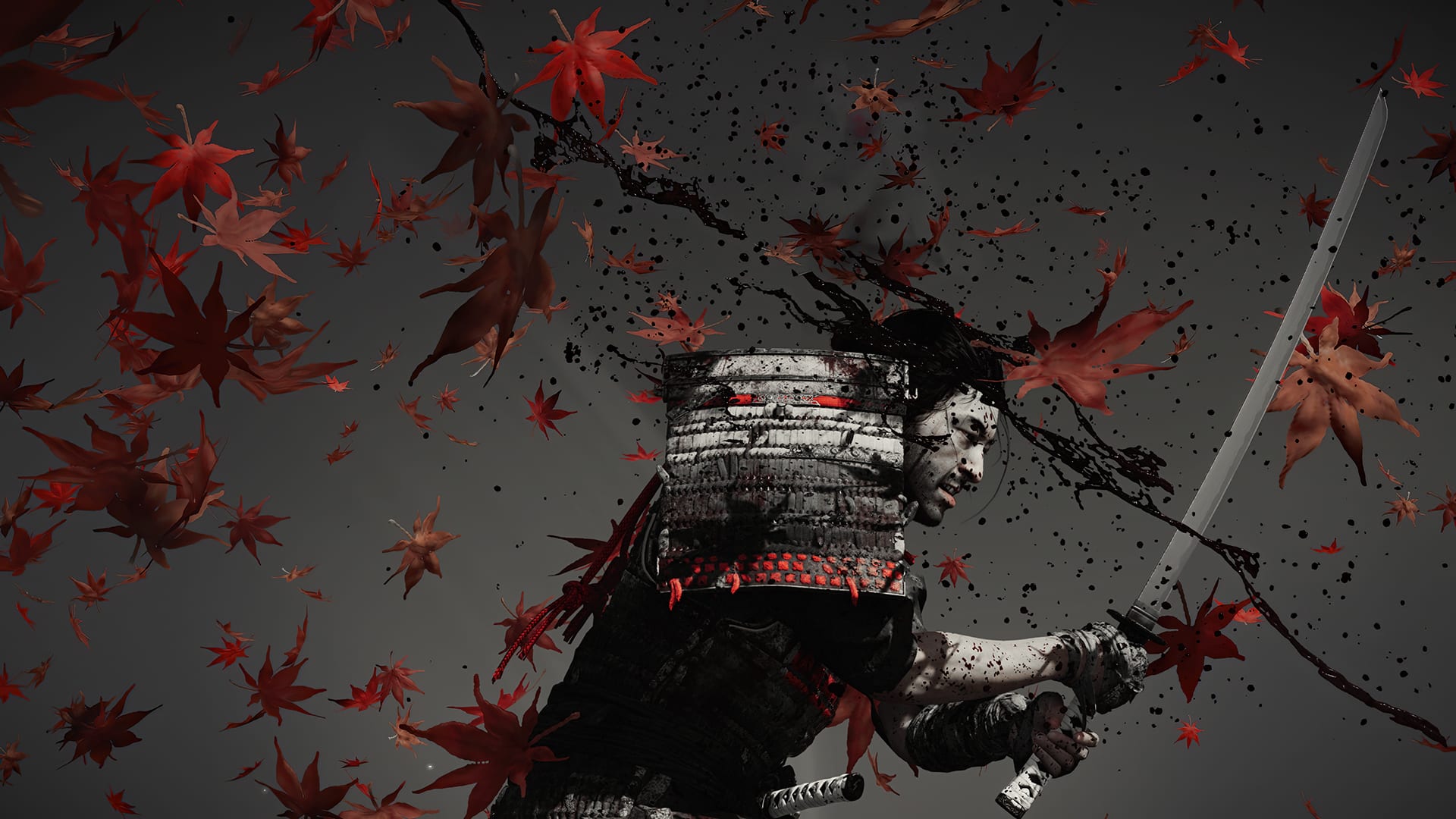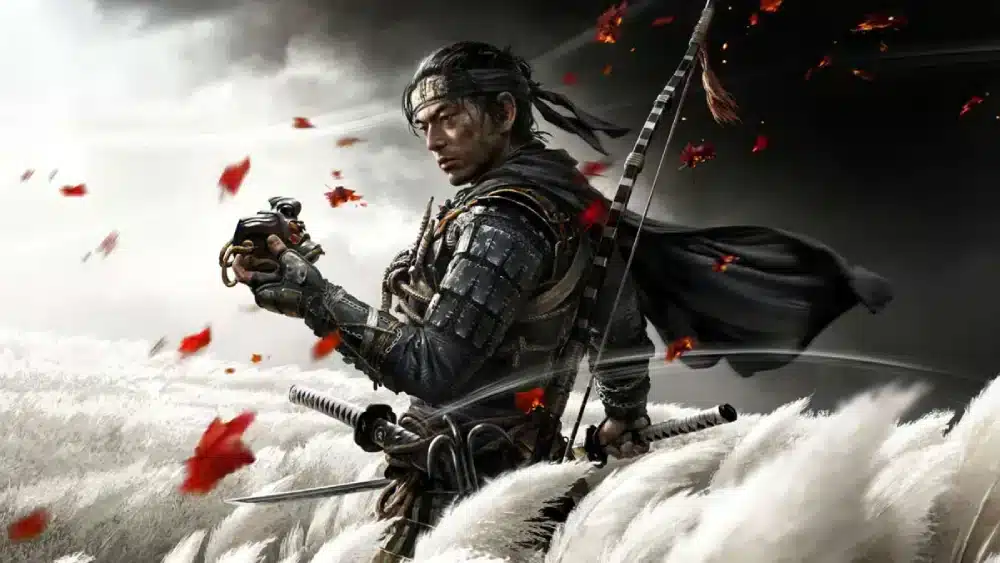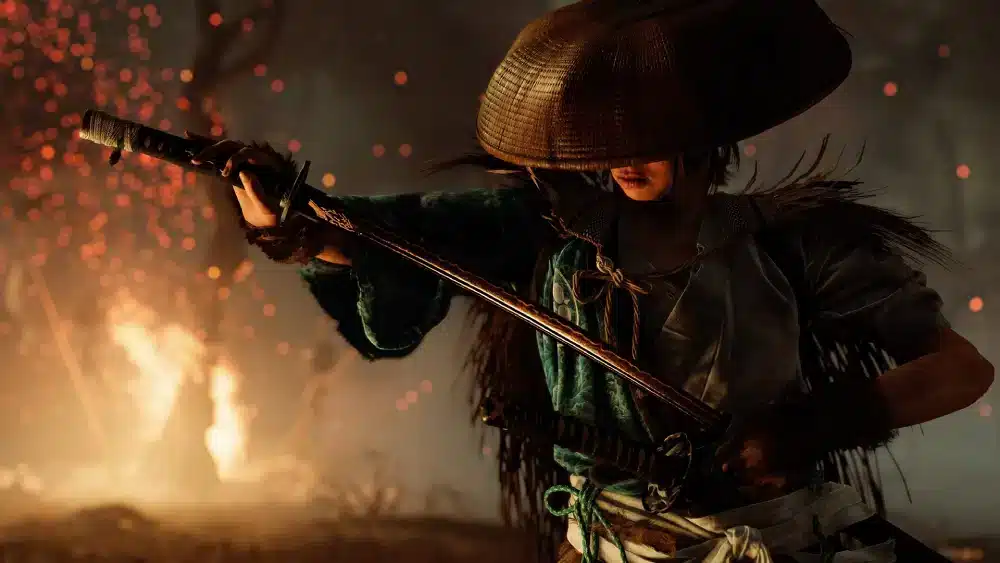
Among the most intriguing mysteries in Ghost of Tsushima: Director’s Cut, the Shrine in Shadow Ghost of Tsushima experience stands out as one of the most memorable Forbidden Shrine challenges available on Iki Island. Blending Japanese-inspired environmental design, mythical symbolism, stealth mechanics, and a PlayStation crossover, this Shrine gives players another reason to explore the island beyond the main story.
The Shrine in Shadow Ghost of Tsushima challenge is especially interesting because its solution is closely tied to Jin Sakai’s Ghost identity. Instead of relying on a traditional combat encounter, the Shrine asks players to approach the puzzle with the right equipment and understand the visual and thematic clues placed around the location.
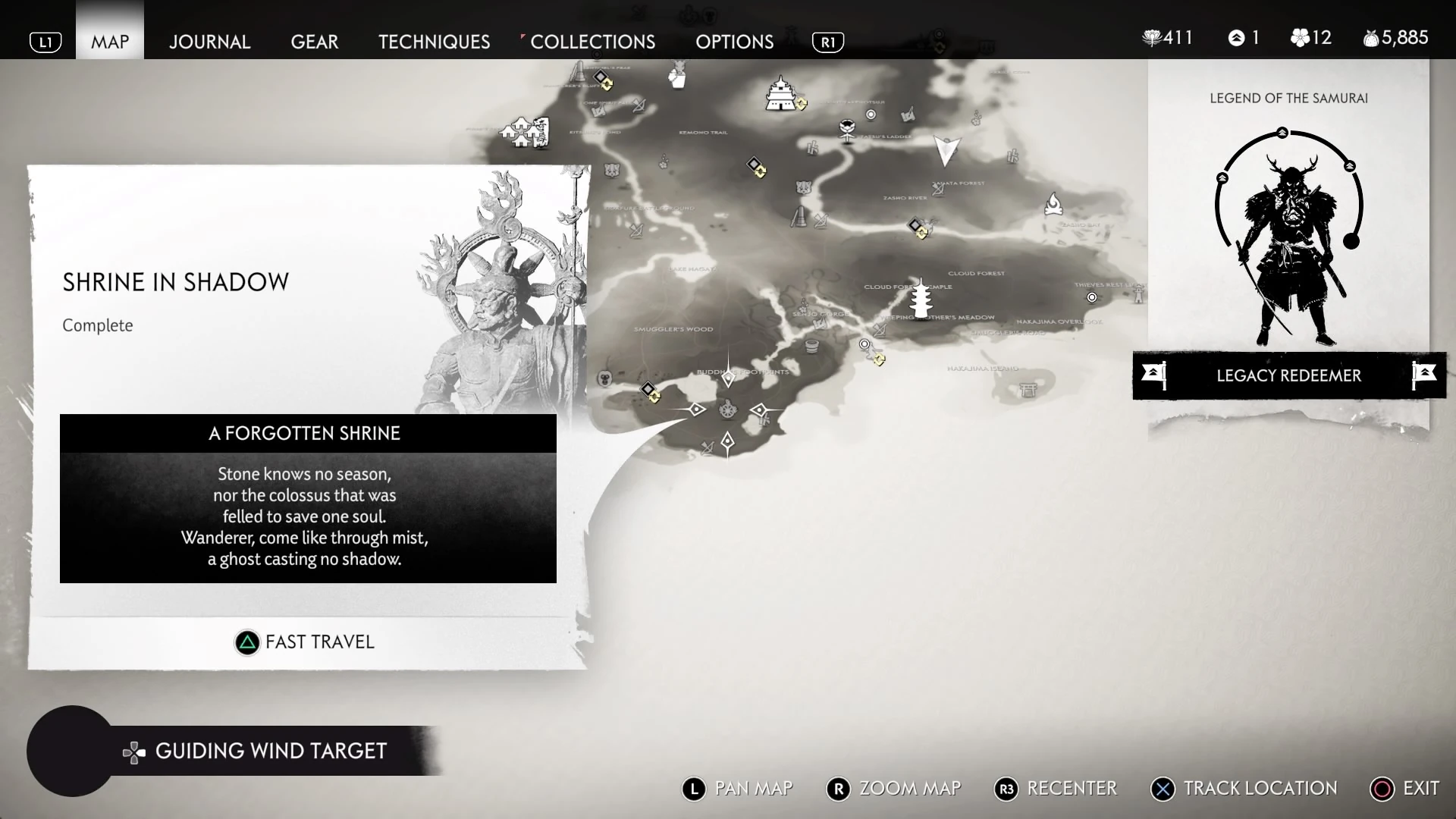
What Is Shrine in Shadow Ghost of Tsushima?
The Shrine in Shadow Ghost of Tsushima is one of the Forbidden Shrines associated with Ghost of Tsushima: Director’s Cut. These optional locations are designed as special environmental puzzles, and their rewards connect them to recognizable PlayStation franchises.
The Shrine in Shadow specifically serves as a tribute to Shadow of the Colossus. Rather than introducing a completely separate game mode, Ghost of Tsushima uses its own world, equipment, and interaction systems to create a crossover experience that feels natural within Iki Island.
A Forbidden Shrine With a PlayStation Connection
The Forbidden Shrines are designed around recognizable themes. That makes them different from ordinary exploration objectives because the environment itself becomes part of the puzzle.
The Shrine in Shadow focuses on the ideas associated with Shadow of the Colossus:
- A dramatic landscape.
- A mysterious Shrine.
- The concept of shadow and obscurity.
- A reward inspired by the Colossus aesthetic.
- A puzzle that requires a specific approach rather than conventional combat.
The connection works particularly well because Shadow of the Colossus is itself centered on exploration, enormous environments, and mysterious supernatural forces. The official PlayStation description highlights the game's ancient landscapes and gigantic creatures, reinforcing why a Shrine built around scale, mystery, and visual symbolism makes sense as a tribute.
Why the Shrine Is Different From a Normal Shrine
Most exploration activities in Ghost of Tsushima communicate their purpose relatively clearly. The Shrine in Shadow is more cryptic.
Players first need to identify the correct location. Then, instead of simply interacting with the Shrine, they need to understand the equipment requirement and perform the correct action.
This makes the experience feel closer to a hidden secret than a standard side objective.
The puzzle is also intentionally simple once its central clue has been understood. The challenge is therefore less about mechanical difficulty and more about recognizing the intended solution.
Shrine in Shadow and the Director’s Cut Experience
The Forbidden Shrine concept belongs to the additional content surrounding the Director’s Cut experience on Iki Island. The official PlayStation patch notes confirm that a Forbidden Shrine was added to Iki Island through the 2.15 update and that players could interact with it and solve its puzzle to obtain a special armor reward.
This helps explain why the Shrine feels distinct from many of the activities found throughout the original Tsushima campaign.
Where to Find Shrine in Shadow
The Shrine in Shadow is located on Iki Island, away from the central areas of Tsushima. Its position contributes significantly to the atmosphere of the puzzle because the Shrine is placed within a dramatic natural environment rather than a conventional settlement or battlefield.
The source material places the location on the southern coast of Iki Island, around the cliffs known as Buddha’s Footprints.
Reaching the Shrine Location
To begin searching for the Shrine, players should first have access to Iki Island through the Director’s Cut content.
From there, the general route is:
- Travel to Iki Island.
- Head toward the southern portion of the island.
- Search around the Buddha’s Footprints area.
- Follow the cliffs and environmental paths.
- Look for the Shrine structure positioned within the landscape.
The journey itself is part of the experience. Ghost of Tsushima frequently uses natural landmarks to guide exploration, and the Shrine in Shadow follows that philosophy.
Why the Location Fits the Tribute
The location is important because Shadow of the Colossus is strongly associated with large, open landscapes and monumental environments.
Its world is built around the relationship between a small human figure and enormous spaces populated by gigantic beings. The official PlayStation description emphasizes the game's vast landscapes and colossal creatures.
The Shrine in Shadow does not reproduce those environments literally. Instead, it uses the landscape of Iki Island to evoke a similar sense of scale and mystery.
The cliffs make Jin appear small against the surrounding scenery. That visual relationship reinforces the idea behind the tribute without requiring the game to abandon its own art direction.
What to Do If You Cannot Find It
If the Shrine does not immediately appear on your route, use the Guiding Wind and the surrounding terrain to narrow down your search.
Environmental exploration is often easier when you avoid rushing directly toward a marker. Instead, look for climbable surfaces, paths, ledges, and structures that naturally lead toward the Shrine.
Because the area is visually dramatic, taking a moment to examine the surrounding cliffs can also help identify the correct route.
How to Solve the Shrine in Shadow Puzzle
The Shrine in Shadow puzzle is straightforward once the required equipment is understood. Unlike many combat encounters in Ghost of Tsushima, the objective does not require defeating enemies.
The core solution involves Ghost Armor and a Smoke Bomb.
Prepare the Required Equipment
Before approaching the Shrine, make sure Jin has access to:
- Ghost Armor.
- At least one Smoke Bomb.
- A clear route to the Shrine.
- Enough time to interact with the environment without being interrupted.
The most important preparation is Ghost Armor because the puzzle is designed around Jin's Ghost identity.
Follow the Shrine Clue
Approach the Shrine and examine the stone tablet or environmental clue associated with it.
The purpose of the clue is to suggest that the solution is connected to shadow, concealment, or the Ghost.
This is an important design detail because Ghost of Tsushima frequently uses equipment and environmental clues to communicate mechanics without giving players an explicit instruction list.
Use Ghost Armor
Equip the Ghost Armor before attempting the interaction.
The armor is thematically significant because it represents Jin's transformation from traditional samurai tactics toward the unconventional methods associated with the Ghost.
That connection makes the puzzle feel more meaningful than simply selecting a random piece of equipment from the inventory.
Use a Smoke Bomb
Stand in front of the Shrine and throw a Smoke Bomb.
The Smoke Bomb is the final component of the solution. Once the correct equipment and action have been used, the Shrine activates and the reward sequence becomes available.
The simplicity of the solution is intentional. The player is rewarded for understanding the clue rather than for completing a difficult combat sequence.
Shrine in Shadow Rewards
Completing the Shrine unlocks cosmetic rewards inspired by Shadow of the Colossus.
The main rewards associated with the Shrine in Shadow are:
- Armor of the Colossus.
- Mask of the Colossus.
These rewards are particularly valuable to players who enjoy cosmetic customization because they allow Jin to adopt an appearance inspired by another legendary PlayStation adventure.
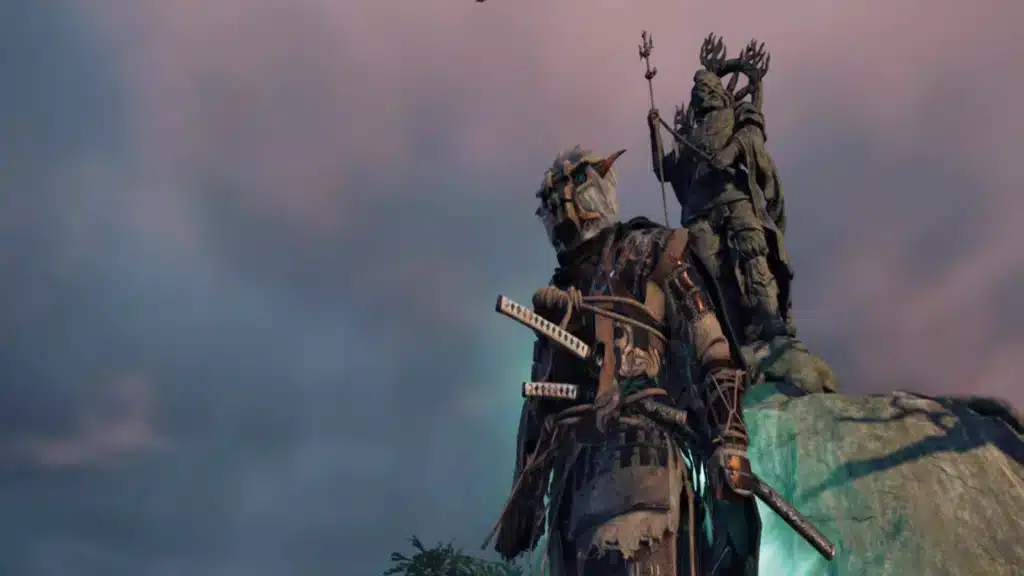
Armor of the Colossus
The Armor of the Colossus is presented as a cosmetic variation associated with the Ghost Armor.
This makes the reward especially fitting. Players complete a puzzle that requires the Ghost Armor and receive a visual interpretation of another game's identity while retaining the connection to Jin's existing equipment.
For collectors, that combination makes the reward more interesting than a conventional item with only numerical benefits.
Mask of the Colossus
The Mask of the Colossus completes the visual theme.
Together, the armor and mask create a coherent cosmetic set rather than two unrelated rewards. This is important because the appeal of the Forbidden Shrines is partly visual.
Players are not simply checking an objective off a completion list. They are also collecting a recognizable piece of PlayStation-inspired equipment.
Why the Rewards Matter
The rewards give the puzzle a lasting connection to Shadow of the Colossus.
Without them, the Shrine would primarily function as an environmental secret. With them, the player can carry the tribute into other parts of the game.
That is one of the strongest aspects of the Forbidden Shrine concept: the crossover is represented through gameplay rewards instead of being limited to an environmental reference.
The Lore Behind Shrine in Shadow
The Shrine in Shadow can be understood through two different layers.
The first is the direct crossover reference. The second is the symbolic interpretation created by the Shrine's setting, mechanics, and reward.
It is important to distinguish official information from interpretation. The Shadow of the Colossus connection is clear from the design and reward theme, while broader interpretations about Jin's morality and the meaning of the Shrine are best understood as thematic readings rather than confirmed statements of official lore.
Shadow as a Symbol
The word "shadow" naturally connects to Jin's Ghost identity.
Throughout Ghost of Tsushima, Jin increasingly relies on stealth, surprise, deception, and unconventional tactics. These methods conflict with the traditional expectations of samurai combat.
Therefore, a Shrine centered on shadow can be interpreted as an extension of Jin's transformation.
The connection can be summarized through three ideas:
- Shadow represents concealment.
- Concealment represents the Ghost's tactics.
- The Ghost's tactics represent Jin's changing relationship with samurai honor.
This reading adds another layer to an otherwise simple puzzle.
The Landscape and Colossus Imagery
The environmental design is another major part of the tribute.
Shadow of the Colossus is famous for its enormous creatures and expansive landscapes. PlayStation describes the game as a journey through ancient lands in which players seek out colossal beings.
The Shrine in Shadow uses a different scale and setting, but the cliffs and open environment create a comparable visual feeling.
The player is surrounded by nature rather than architecture. Jin's figure is small against the environment. The Shrine itself feels isolated.
That combination creates a sense of mystery that fits both games.
Forbidden Power and Sacrifice
Another interpretation connects the Shrine to the idea of forbidden power.
Shadow of the Colossus is built around a journey involving mystical power and a deeply personal objective. The official PlayStation description specifically connects the game's central conflict to the search for mystical power capable of restoring a loved one.
Ghost of Tsushima similarly explores the consequences of choosing methods that conflict with established traditions.
The two games are therefore not identical, but they share thematic territory involving sacrifice, morality, power, and consequences.
These connections should be treated as thematic interpretation rather than confirmed statements from Sucker Punch.
Why Shrine in Shadow Matters
The Shrine in Shadow matters because it combines several elements that make Ghost of Tsushima's optional content memorable.
It is a hidden destination, a puzzle, a collectible opportunity, and a PlayStation tribute at the same time.
A Reward for Exploration
The Shrine encourages players to explore areas they might otherwise overlook.
Iki Island is full of environmental details, optional activities, and locations that reward players for leaving the most direct story route.
The Shrine in Shadow fits naturally into this philosophy.
A Reward for Players Who Know PlayStation History
The tribute becomes more meaningful for players who recognize Shadow of the Colossus.
The official PlayStation page describes Shadow of the Colossus as a rebuilt version of a highly acclaimed adventure, centered on sixteen colossal creatures and enormous landscapes.
That history gives the Shrine in Shadow additional context.
A player unfamiliar with Shadow of the Colossus can still enjoy the cosmetic reward. However, someone familiar with the original game and its remake can recognize the environmental and thematic references immediately.
A Reward for Completionists
Completionists have another reason to seek out the Shrine.
Optional activities can be easy to miss in a large open-world game, particularly when they are located away from major story objectives.
The Forbidden Shrines provide a compact set of challenges with memorable rewards. As a result, they are especially attractive to players trying to complete Iki Island as thoroughly as possible.
Shrine in Shadow vs. Other Forbidden Shrines
The Shrine in Shadow is part of a broader Forbidden Shrine collection.
Each Shrine uses a different PlayStation theme, and each requires players to understand a different combination of equipment and actions.
The comparison also helps explain why the Shrine in Shadow feels distinct.
| Shrine | Tribute Game | Main Puzzle Requirement | Associated Reward Theme |
| Shrine of Ash | God of War | Equip Sakai Clan Armor and use the sword-related interaction associated with the Shrine | Spartan-inspired cosmetics |
| Blood-Stained Shrine | Bloodborne | Equip Kensei Armor, injure Jin, then heal in front of the statue | Hunter-inspired cosmetics |
| Shrine in Shadow | Shadow of the Colossus | Equip Ghost Armor and use a Smoke Bomb in front of the statue | Colossus-inspired armor and mask |
Shrine of Ash
The Shrine of Ash pays tribute to God of War.
Its solution centers on the Sakai Clan Armor and a sword interaction associated with the Shrine's fire imagery.
This makes the puzzle feel more directly connected to the visual identity of Kratos.
The reward follows the same principle as the Shrine in Shadow: a recognizable PlayStation reference becomes part of Jin's customization options.
Blood-Stained Shrine
The Blood-Stained Shrine is associated with Bloodborne.
Its solution requires Kensei Armor, deliberately injuring Jin, and then healing him in front of the statue.
That mechanic creates a darker and more unsettling interaction than the Shrine in Shadow.
The associated rewards use Bloodborne-inspired visual elements, allowing players to recognize the connection even outside the Shrine itself.
Shrine in Shadow
The Shrine in Shadow is comparatively restrained.
Instead of requiring Jin to fight, take damage, or manipulate a combat stance, the puzzle relies on stealth-oriented equipment.
Ghost Armor and the Smoke Bomb are therefore not arbitrary choices. They reinforce the central concept of shadow.
That is why the Shrine feels particularly appropriate for Jin's Ghost identity.
The Blood-Stained Shrine Connection
Players searching for the Shrine in Shadow often encounter other Forbidden Shrine names, including the Blood Stained Shrine, because the locations belong to the same broader collection.
The Blood Stained Shrine Ghost of Tsushima connection is useful for understanding how Sucker Punch approached the crossover concept.
The Shrines are not simply cosmetic references placed randomly around Iki Island. Instead, each one turns a recognizable PlayStation identity into a small gameplay puzzle.
Why Players Compare the Shrines
The comparison is natural because all three Shrines follow a similar structure:
- Find a hidden location.
- Read or interpret the environmental clue.
- Equip a specific item or armor set.
- Perform a particular action.
- Receive a themed cosmetic reward.
The differences appear in the details.
The Blood-Stained Shrine focuses on blood, injury, and healing. The Shrine in Shadow focuses on stealth and concealment. The Shrine of Ash focuses on fire, armor, and sword imagery.
Blood Stain Shrine Ghost of Tsushima Searches
Some players also refer to the location as the Blood Stain Shrine Ghost of Tsushima when searching for guides.
This variation describes the same Bloodborne-inspired Forbidden Shrine concept and is useful to keep in mind when searching for related information.
However, the Shrine in Shadow remains a separate location with its own equipment requirement and reward set.
The Shrine of Ash Ghost of Tsushima Connection
The Shrine of Ash Ghost of Tsushima is another important part of the Forbidden Shrine collection.
Its presence makes the Shrine in Shadow more meaningful because the three locations create a broader crossover experience.
Different Themes, Similar Design Philosophy
The Shrine of Ash uses God of War-inspired imagery.
The Blood-Stained Shrine draws from Bloodborne.
The Shrine in Shadow references Shadow of the Colossus.
Each Shrine transforms another PlayStation game's identity into a Ghost of Tsushima activity.
Why the Trilogy Works
The three Shrines can be viewed as a progression of different themes:
- Ash and fire represent power and conflict.
- Blood represents corruption, danger, and sacrifice.
- Shadow represents concealment, burden, and ambiguity.
The idea of a thematic sequence is an interpretation rather than confirmed official lore. Still, it provides a useful way to understand why the Forbidden Shrines feel cohesive despite referencing different games.
The Forbidden Shrine Ghost of Tsushima Experience
The broader forbidden Shrine Ghost of Tsushima concept is one of the clearest examples of optional content being used to reward players who explore beyond the main story.
The Shrines do not require lengthy quest chains. Instead, they use compact puzzles and recognizable visual clues.
Why the Puzzles Are Effective
A good environmental puzzle needs to accomplish two things.
First, it needs to provide enough information for the player to solve it without making the answer completely obvious.
Second, it needs to make the solution feel logical once the player understands it.
The Shrine in Shadow accomplishes this through its relationship between Ghost Armor and Smoke Bombs.
After the solution is revealed, the mechanics feel natural. Both items are connected to concealment and Jin's Ghost identity.
Why the Rewards Strengthen the Puzzle
The reward is also important.
If the Shrine simply awarded a generic resource, the crossover would be easier to forget.
Instead, the Armor of the Colossus and Mask of the Colossus allow the player to carry the reference beyond the Shrine.
That makes the completion feel more substantial.
Symbolism of the Colossus Connection
The Shrine in Shadow puzzle is mechanically simple, but its thematic implications can be surprisingly rich.
The strongest connection is the contrast between an individual character and a massive environment.
The Cliffside Setting
The cliffs around the Shrine evoke the enormous landscapes associated with Shadow of the Colossus.
In the original game and its PlayStation 4 remake, the player travels across broad environments searching for gigantic creatures. PlayStation's official description emphasizes the relationship between ancient landscapes and colossal enemies.
The Shrine in Shadow does not recreate those arenas. Instead, it uses a similarly dramatic environmental presentation.
The Smoke Bomb
The Smoke Bomb can be interpreted as a symbol of obscurity.
Jin disappears from sight, performs an action associated with the Ghost, and reveals the reward after completing the Shrine's requirement.
This reinforces the contrast between Jin's public identity as a samurai and his increasingly important identity as the Ghost.
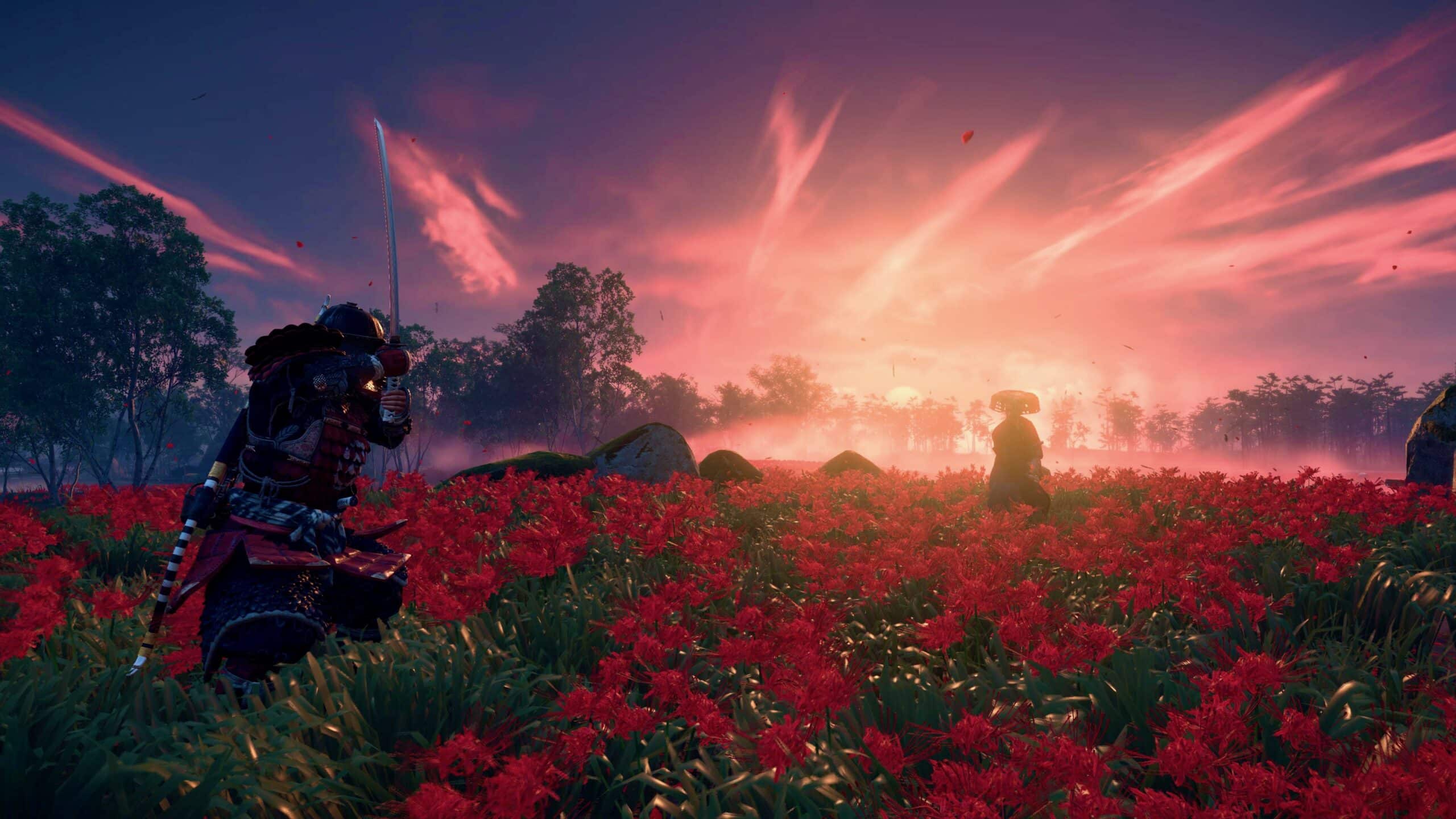
The Colossus Armor
The armor reward can also be interpreted as a symbolic bridge between games.
Jin does not become Wander. However, the visual transformation allows the player to temporarily carry the aesthetic of Shadow of the Colossus into Ghost of Tsushima.
This is an example of a crossover that respects both games rather than replacing one with the other.
A Detailed Strategy for Completionists
Players who want to complete all Forbidden Shrine challenges can prepare before traveling across Iki Island.
The goal is to reduce unnecessary backtracking and make sure the required equipment is already available.
Prepare Before Exploring
Before starting the Shrine hunt, make sure the necessary armor sets and consumables are accessible.
A practical preparation list includes:
- Ghost Armor for Shrine in Shadow.
- Kensei Armor for the Blood-Stained Shrine.
- Sakai Clan Armor for Shrine of Ash.
- Smoke Bombs for the Shrine in Shadow.
- Healing resources for the Blood-Stained Shrine.
- A reliable navigation route around Iki Island.
This preparation allows the player to move between locations without repeatedly returning to equipment menus or supply points.
Recommended Completion Route
A simple completion strategy is:
- Unlock access to Iki Island.
- Explore the island while following the Guiding Wind.
- Prepare the armor sets associated with the Forbidden Shrines.
- Locate Shrine of Ash and complete its puzzle.
- Travel toward the Blood-Stained Shrine and complete its requirements.
- Continue toward the Shrine in Shadow.
- Equip Ghost Armor before interacting with the final Shrine.
- Use a Smoke Bomb to activate the Shrine in Shadow.
- Check the inventory for the Colossus-themed rewards.
- Continue exploring Iki Island after the Shrine sequence is complete.
This approach is not mandatory. Players can complete the Shrines in different orders.
Keep Track of Cosmetic Rewards
Because the Forbidden Shrine rewards are primarily cosmetic, they can be easy to overlook after unlocking them.
After completing the Shrine in Shadow, check the relevant armor and mask customization options.
This also makes it easier to confirm that the reward sequence has completed successfully.
Common Mistakes When Solving Shrine in Shadow
The Shrine in Shadow is not mechanically difficult, but several simple mistakes can prevent players from understanding why nothing happens.
Using the Wrong Armor
The most important requirement is Ghost Armor.
If Jin approaches the Shrine while wearing another armor set, the intended interaction may not activate.
Therefore, switching equipment before attempting the puzzle is one of the first troubleshooting steps.
Forgetting the Smoke Bomb
The armor alone is not enough.
The Smoke Bomb is part of the intended solution, so players should make sure they have one available before arriving.
This is particularly useful for players who rarely use Ghost weapons during exploration.
Expecting a Combat Encounter
Another common misunderstanding is assuming that every Shrine requires a fight.
The Shrine in Shadow is different.
The central challenge is solving the environmental puzzle, not defeating enemies.
That distinction makes the Shrine one of the more accessible Forbidden Shrine activities once the clue has been understood.
Why Shrine in Shadow Resonates With Players
The Shrine in Shadow has several qualities that help explain its lasting appeal.
First, it is visually memorable.
Second, it references a highly regarded PlayStation game.
Third, the reward allows players to continue using the reference after leaving the Shrine.
A Strong Visual Identity
The Colossus-themed equipment immediately communicates its inspiration.
Players who know Shadow of the Colossus can recognize the connection, while players encountering the design for the first time can still appreciate its unusual aesthetic.
That makes the reward effective as both fan service and standalone customization.
A Tribute Without Disrupting the Story
The Shrine also works because it remains optional.
The main narrative of Ghost of Tsushima does not need to stop so that the crossover can be explained.
Instead, the reference exists as a secret for players who want to discover it.
This approach preserves the tone of the main adventure while giving dedicated players additional discoveries.
How ExitLag Can Enhance Remote Ghost of Tsushima Sessions
Ghost of Tsushima is primarily a single-player experience, so network optimization is not necessary for the game's local gameplay itself.
However, some players access games through remote setups, streaming services, or Remote Play. In those circumstances, connection stability can affect responsiveness.
ExitLag can be relevant in these situations by helping players manage network routing and reduce latency fluctuations during supported online or remote gaming setups.
For a player exploring Iki Island remotely, a more stable connection can help keep movement, camera input, menus, and streamed visual feedback responsive.
Why Stability Matters During Exploration
A Shrine puzzle is not mechanically demanding, but exploration can still be affected by network instability when the game is being streamed.
A sudden connection fluctuation can interrupt the visual experience just as a player reaches a scenic location.
That can be especially frustrating during a secret activity such as the Shrine in Shadow, where environmental details are central to the experience.
Remote Play and Cloud-Based Sessions
Players using remote gaming configurations should think about more than average ping.
Consistency matters as well.
A connection that alternates between smooth performance and sudden latency spikes can be more disruptive than one with a slightly higher but stable response time.
For that reason, network optimization can complement the experience for players who access their games remotely.
Advanced Lore Discussion
The Shrine in Shadow can be considered within the larger transformation of Jin Sakai.
At the beginning of Ghost of Tsushima, Jin's identity is strongly tied to the samurai code and the traditions taught by Lord Shimura.
As the story progresses, Jin increasingly adopts methods that challenge those traditions.
The Ghost becomes a symbol of survival, adaptation, and moral conflict.
Shadow and Jin's Transformation
The Shrine's emphasis on shadow naturally fits this character development.
The Ghost does not always fight enemies openly. Instead, he uses smoke, stealth, distraction, and fear.
Therefore, using Ghost Armor and a Smoke Bomb to activate the Shrine feels thematically appropriate.
The mechanics and narrative identity reinforce one another.
The Larger Theme of Sacrifice
Shadow of the Colossus also explores sacrifice and the consequences of pursuing a deeply personal objective.
The two games approach those themes differently, but the comparison is compelling.
In both cases, the player follows a protagonist whose actions are shaped by a strong personal purpose and whose choices carry moral weight.
This does not mean the games share the same canon or narrative universe.
Instead, the Shrine in Shadow functions as a thematic conversation between two PlayStation experiences.
Why the Shrine in Shadow May Be the Most Memorable Forbidden Shrine
Every Forbidden Shrine has a distinct identity, but Shrine in Shadow has an especially strong combination of setting, mechanics, and reward.
Its Environment Is Dramatic
The cliffside location creates an immediate sense of scale.
Even before solving the puzzle, the player can appreciate the scenery and isolation.
That makes the Shrine feel like a destination rather than simply another objective marker.
Its Puzzle Fits Jin
Ghost Armor and Smoke Bombs are directly associated with Jin's Ghost tactics.
As a result, the solution does not feel disconnected from the character.
The player is effectively being asked to approach the Shrine as the Ghost rather than as the traditional samurai.
Its Reward Is Recognizable
The Colossus-themed armor and mask are among the strongest reasons to complete the Shrine.
They turn the reference into something tangible that players can use elsewhere.
Tips for Completing Shrine in Shadow Efficiently
A few practical habits can make the experience smoother.
Prepare Your Inventory
Before heading to the location, check that the Smoke Bomb is available.
Also make sure Ghost Armor is accessible.
Doing this before reaching the Shrine prevents unnecessary interruptions.
Use Environmental Navigation
Iki Island contains many natural landmarks.
Rather than rushing directly across the map, use the terrain to understand where the Shrine is positioned.
The cliffs and surrounding scenery can help orient you.
Read the Clue Carefully
The Shrine's environmental clue exists for a reason.
If the solution is not immediately obvious, take a moment to examine the tablet and surroundings before trying random equipment.
The intended answer becomes much clearer when the visual theme and gameplay mechanics are considered together.
Do Not Overcomplicate the Puzzle
Once the correct equipment is identified, the solution is simple.
There is no need to create a complicated combat strategy.
The objective is to use Ghost Armor and a Smoke Bomb in the appropriate location.
The Forbidden Shrines as PlayStation History
The Forbidden Shrines are interesting because they show how a game can reference other franchises without turning into a conventional crossover event.
There are no lengthy character appearances or major changes to the main narrative.
Instead, the references are hidden inside optional activities.
Shadow of the Colossus
The Shrine in Shadow references a game known for its monumental environments and colossal creatures.
PlayStation describes its remake as a rebuilt experience with improved visuals and performance, while retaining the core adventure of tracking down sixteen colossal creatures.
That makes the visual language of the Shrine in Shadow easier to understand.
God of War
The Shrine of Ash draws on God of War imagery, particularly its connection with fire, strength, and iconic equipment.
Bloodborne
The Blood-Stained Shrine uses darker imagery associated with Bloodborne, including blood, injury, and the Hunter aesthetic.
Together, the three Shrines create a small museum of PlayStation references hidden inside Iki Island.
What Makes Shrine in Shadow Different From a Standard Easter Egg?
An Easter egg can be as simple as a visual reference hidden in the environment.
The Shrine in Shadow goes further.
It asks the player to actively participate in the reference.
The Player Performs the Tribute
Instead of merely seeing an object inspired by another game, the player has to:
- Find the location.
- Understand the clue.
- Equip the appropriate armor.
- Use the correct Ghost tool.
- Activate the Shrine.
- Receive a themed reward.
This transforms the reference into a gameplay experience.
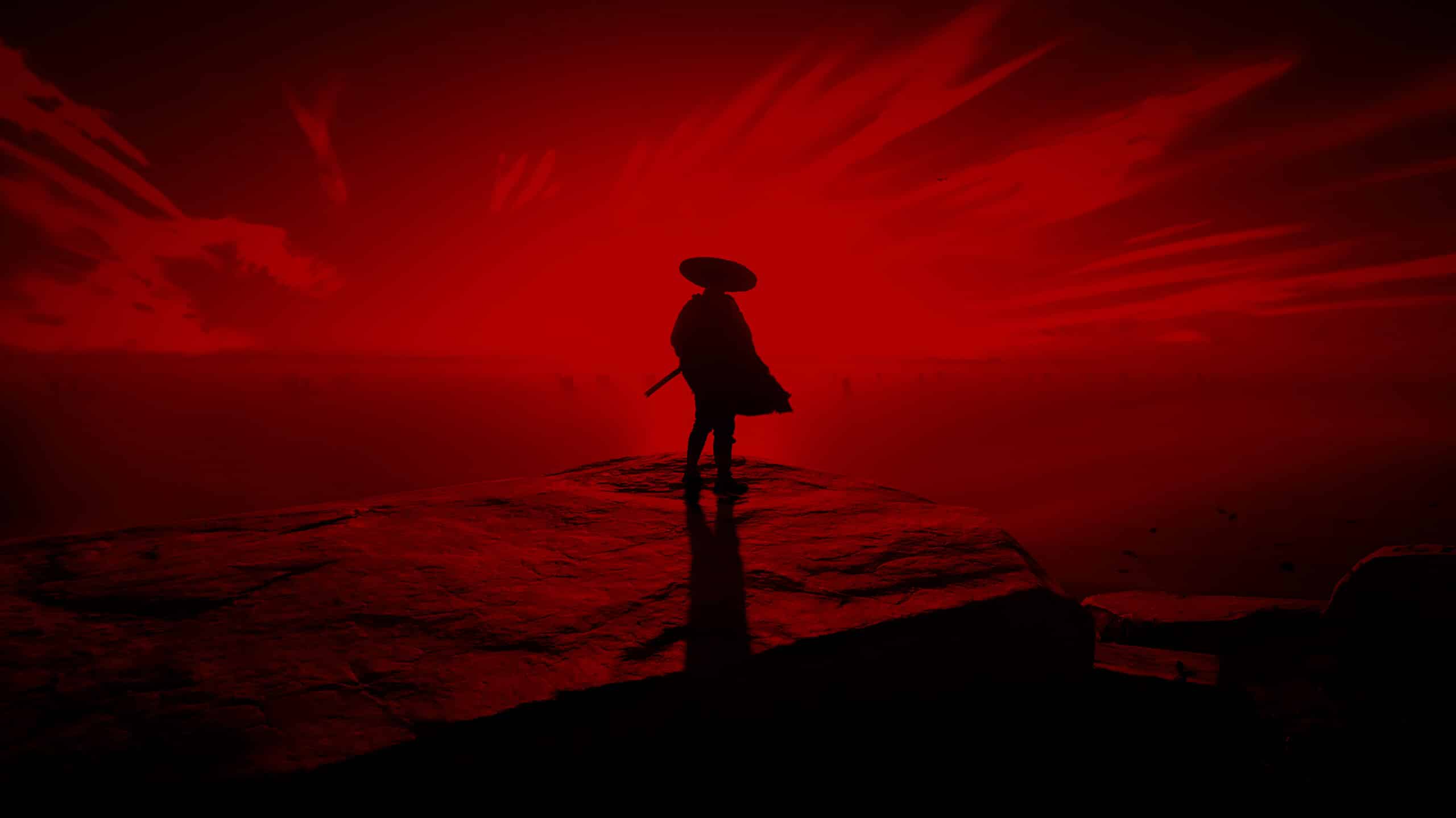
The Reward Extends the Reference
The Colossus-themed cosmetics ensure that the reference does not end when the puzzle is complete.
The player can continue exploring with the reward equipped, turning the crossover into part of their ongoing playthrough.
That is a major reason the Shrine in Shadow feels more substantial than a hidden visual joke.
Final Thoughts on Shrine in Shadow Ghost of Tsushima
The Shrine in Shadow Ghost of Tsushima challenge remains one of the most interesting optional discoveries on Iki Island because it combines exploration, puzzle solving, character identity, and PlayStation history in a compact experience. To improve your experience even further you can count on tools such as ExitLag, which help you reduce lag and optimize your connection.
FAQ
What is Shrine in Shadow Ghost of Tsushima?
The Shrine in Shadow is a Forbidden Shrine on Iki Island in Ghost of Tsushima: Director's Cut. It is a tribute to Shadow of the Colossus and uses Ghost Armor and a Smoke Bomb as part of its puzzle solution. Completing the Shrine unlocks Colossus-inspired cosmetic rewards.
Where is Shrine in Shadow in Ghost of Tsushima?
The Shrine in Shadow is located on the southern coast of Iki Island, around the Buddha's Footprints cliffs. Players can use environmental landmarks and the Guiding Wind to help navigate toward the location.
How do you solve Shrine in Shadow Ghost of Tsushima?
Equip Ghost Armor, approach the Shrine, and use a Smoke Bomb in front of it. The Shrine's clue points toward the Ghost and the concept of shadow, making these items the intended solution.
What do you get from Shrine in Shadow Ghost of Tsushima?
Completing the Shrine unlocks the Armor of the Colossus and Mask of the Colossus. These cosmetic rewards are inspired by Shadow of the Colossus and allow Jin to use a distinctive PlayStation-themed appearance.
Is Shrine in Shadow connected to the other Forbidden Shrines?
Yes. Shrine in Shadow is part of the Forbidden Shrine collection alongside the Shrine of Ash and Blood-Stained Shrine. Each Shrine pays tribute to a different PlayStation franchise and uses a different puzzle based on that franchise's themes.