Stalker 2 gameplay delivers a tense and immersive experience that blends survival, exploration, and tactical combat. Instead of fast-paced action, the game focuses on decision-making, environmental awareness, and adapting to constant danger.
Set in a hostile and unpredictable Zone, Stalker 2 challenges players to survive not only enemy encounters but also the environment itself. Understanding the core gameplay systems is essential for anyone stepping into this world for the first time.
What Defines Stalker 2 Gameplay?
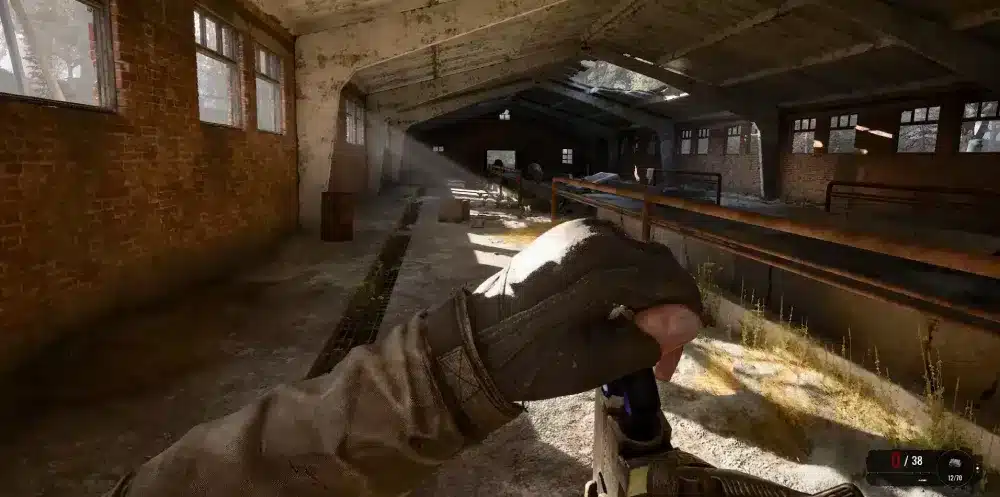
At its core, Stalker 2 gameplay is built around realism and consequence. Every action carries risk, and survival depends on preparation rather than raw reflexes.
This design philosophy separates Stalker 2 from traditional shooters, creating an experience where patience and observation are rewarded.
A Survival-Focused Gameplay Loop
At the heart of Stalker 2 gameplay lies a survival-focused loop designed to keep players constantly alert. Instead of rewarding aggressive play, the game emphasizes caution, planning, and adaptation.
Every action, from movement to combat, must account for limited resources and unpredictable threats inside the Zone.
This loop is closely tied to Stalker 2 mechanics, where the environment itself is often more dangerous than enemies. Progression depends less on combat victories and more on understanding how to survive hostile conditions.
The core gameplay loop revolves around:
- Exploring dangerous areas filled with anomalies and hidden threats;
- Managing limited resources such as ammo, medical supplies, and stamina;
- Avoiding unnecessary combat to reduce risk and preserve equipment;
- Learning from environmental cues, sounds, and visual signals.
This structure reinforces the importance of zone survival, where staying alive often matters more than winning fights.
Players who rush into encounters without preparation are quickly punished, while those who observe, adapt, and retreat when needed gain a long-term advantage.
Over time, this loop teaches players how to read the Zone, evaluate risk versus reward, and decide when pursuing artifacts or engaging with hostile factions is truly worth the danger.
Stalker 2 Mechanics and Core Systems
Understanding Stalker 2 mechanics is essential for surviving the Zone. The game layers multiple systems that interact with each other, creating emergent and unpredictable scenarios.
Before mastering combat, players must learn how these mechanics influence movement, health, and progression.
Health, Stamina, and Resource Management
Unlike arcade-style shooters, Stalker 2 emphasizes realism:
- Health does not regenerate quickly;
- Stamina limits sprinting and combat effectiveness;
- Medical supplies are scarce.
Poor resource management can quickly turn a small mistake into a fatal outcome.
Weapon Handling and Combat Pace
Combat in Stalker 2 gameplay is deliberate and punishing. Weapons degrade over time, recoil matters, and ammo is limited.
Players are encouraged to:
- Avoid unnecessary engagements;
- Use cover effectively;
- Plan encounters carefully.
This approach reinforces the survival-first mindset.
Zone Survival and Environmental Threats
The Zone itself is one of the greatest dangers in the game. Zone survival requires constant attention to environmental threats that can be just as deadly as enemies.
Anomalies and Environmental Hazards
Anomalies are invisible or semi-visible hazards scattered throughout the world. They can cause severe damage or instant death if ignored.
Common anomaly-related challenges include:
- Navigating areas safely without detection tools;
- Timing movement through hazardous zones;
- Recognizing visual and audio cues.
Learning how to identify and avoid anomalies is a fundamental survival skill.
Artifacts and Risk vs Reward
Artifacts are powerful items hidden within anomaly fields. They often provide useful bonuses but come at significant risk.
Players must decide:
- Whether the reward is worth the danger;
- How much equipment to risk retrieving artifacts;
- When to retreat instead of pushing forward.
This risk-versus-reward system is central to Stalker 2 gameplay.
Faction System and Player Choice
The faction system adds a dynamic social layer to the game. Different groups inhabit the Zone, each with their own goals, territory, and ideology.
How the Faction System Works
Player actions influence faction relationships. Helping one group may turn another hostile, shaping future encounters.
Key elements of the faction system include:
- Reputation-based interactions;
- Changing patrol behavior;
- Access to unique quests or resources.
How Factions Affect Gameplay
Faction choices directly impact:
- Safe routes through the Zone;
- Availability of traders and gear;
- Difficulty of certain areas.
This system reinforces player agency and replayability.
Exploration and Open-Ended Gameplay
Exploration is a defining pillar of Stalker 2 gameplay and one of the main reasons the experience feels so immersive.
The game rarely guides players explicitly, encouraging discovery through curiosity, observation, and risk assessment. Instead of following clear markers, players must learn the Zone by engaging directly with its dangers and rewards.
This design philosophy strengthens zone survival, as every step into unknown territory requires planning, awareness, and adaptability.
Non-Linear Progression
Unlike traditional shooters, Stalker 2 gameplay allows players to progress in a non-linear way. There is no fixed order for objectives, and decisions are often shaped by available resources and perceived risks.
Players are free to:
- Choose where to go and which areas to explore;
- Decide which threats to face or avoid;
- Ignore or pursue objectives based on their situation.
This open-ended structure ensures that each playthrough feels unique, reinforcing replayability and player agency.
Environmental Storytelling
Storytelling in Stalker 2 relies heavily on the environment rather than scripted scenes. Through exploration, players uncover fragments of the narrative scattered across the Zone.
Much of the story is told through:
- Abandoned locations filled with visual clues;
- Environmental details that hint at past events;
- Notes, logs, and world events encountered during exploration.
This approach deepens immersion and rewards attentive players, making Stalker 2 mechanics feel tightly connected to storytelling. Instead of being told what happened, players piece together the story themselves as they survive the Zone.
Why Exploration Defines the Stalker Experience
The combination of open-ended progression and environmental storytelling is what sets Stalker 2 gameplay apart. Exploration is not optional content, it is the foundation of survival, narrative discovery, and player growth.
By embracing curiosity and learning from the environment, players gain a deeper understanding of the Zone and unlock the full depth of the experience.
Common Challenges in Stalker 2 Gameplay
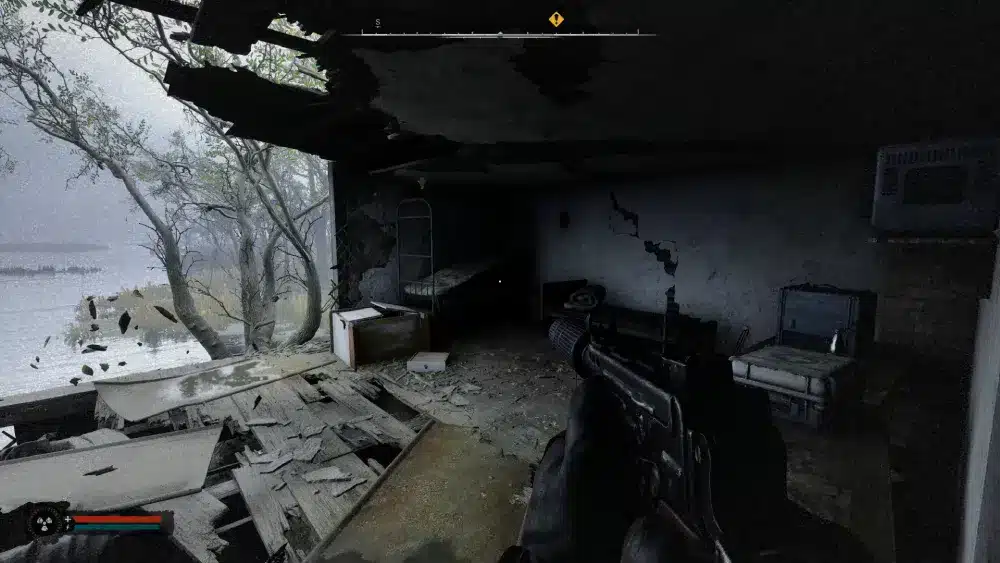
Because of its unforgiving design, Stalker 2 gameplay features a steep learning curve, especially for players unfamiliar with the series.
The game rarely provides clear guidance, forcing players to rely on observation, experimentation, and decision-making to survive. Understanding these challenges early helps reduce frustration and improves overall zone survival.
These difficulties are intentional and play a key role in shaping the tense atmosphere that defines the experience.
Managing Unpredictability in the Zone
One of the biggest challenges in Stalker 2 gameplay is dealing with constant unpredictability. Enemy patrols, anomalies, and even environmental conditions can change without warning, turning safe routes into deadly traps.
Players must adapt by:
- Paying close attention to audio and visual cues;
- Using detection tools to identify anomalies;
- Avoiding repeated paths that may become unsafe.
This constant uncertainty reinforces the survival-focused nature of Stalker 2 mechanics.
Balancing Exploration and Safety
Exploration is essential, but reckless movement often leads to fatal encounters. Pushing too aggressively into unknown areas can result in ambushes, radiation exposure, or deadly anomaly fields. On the other hand, excessive caution may slow progression and limit access to valuable artifacts.
To maintain balance, players should:
- Scout areas before committing to exploration;
- Choose engagements carefully;
- Retreat when resources are low.
Mastering this balance is at the heart of effective zone survival.
Why These Challenges Define the Experience
The combination of unpredictability and risk management is what makes Stalker 2 gameplay stand out from traditional shooters.
Rather than rewarding speed or aggression alone, the game encourages patience, awareness, and adaptability.
By learning to manage threats, respect the environment, and balance exploration with caution, players gradually gain control over the Zone and unlock the full depth of the experience.
FAQ
What type of game is Stalker 2?
It is a survival-focused first-person shooter with strong exploration elements.
Is Stalker 2 gameplay more action or survival?
Survival is prioritized over constant action.
What are anomalies in Stalker 2?
They are environmental hazards that damage or kill players if ignored.
What are artifacts used for?
Artifacts provide bonuses but are found in dangerous areas.
How important is the faction system?
Very important, it affects quests, safety, and world interactions.
Experience Stalker 2 Gameplay With Maximum Stability
To fully enjoy Stalker 2 gameplay, stability and responsiveness are critical. Lag or connection instability can break immersion and negatively affect combat and exploration.
ExitLag is not a VPN. It is a game connection optimizer that improves routing between your PC and game servers, helping reduce lag, high ping, and packet loss.
With ExitLag, players benefit from:
- Smoother combat response;
- More stable exploration sessions;
- Consistent performance during intense moments.
Try ExitLag and experience Stalker 2 gameplay with better stability and performance!