
Steam log in problems can instantly ruin your gaming session. One moment you are ready to launch your favorite title, and the next you are locked out of your steam account with confusing authentication errors. Whether the issue is password related or server based, steam log in failures are more common than most players expect.
Steam log in errors usually appear without warning. First of all, they may be linked to temporary Valve platform server outages, incorrect credentials, or outdated client versions. When steam log in fails repeatedly, it prevents full game library access and interrupts downloads, updates, and online multiplayer sessions. And before we continue, know that to know more about all the relevant content about gaming, you just have to check our blog.
Why do steam log in errors happen so often?
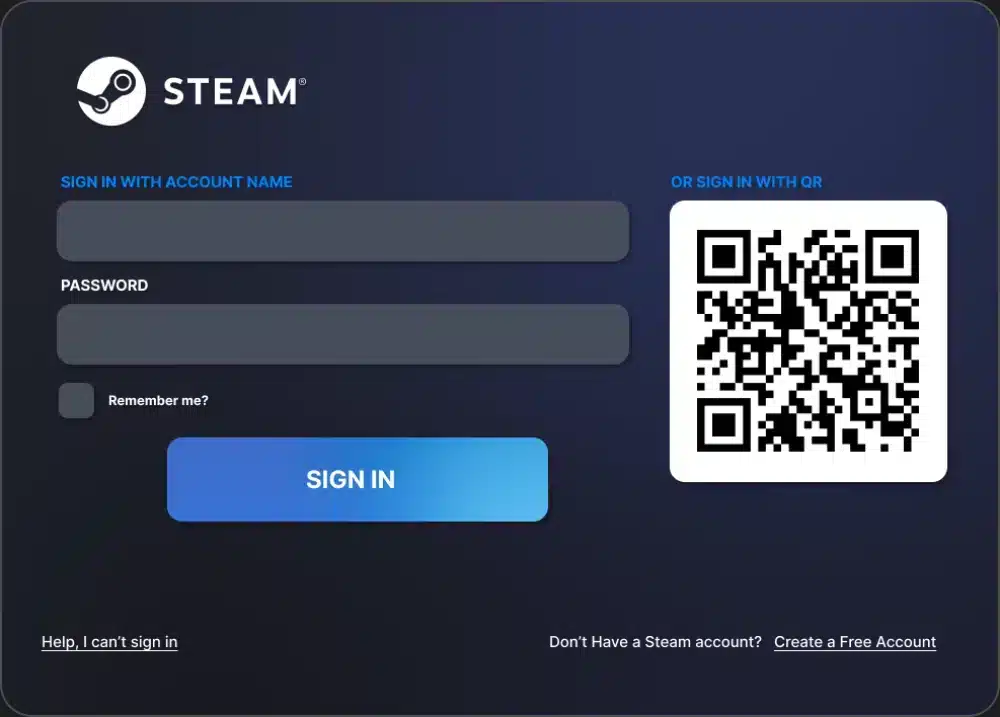
Steam log in is the authentication process that verifies your steam account credentials and grants access to the Valve platform. In other words, it confirms your identity through password validation, device recognition, and sometimes two-factor authentication. Without a successful steam log in, you cannot access your purchased games, cloud saves, or friends list.
Steam log in relies on secure authentication protocols designed to protect users. However, security layers like Steam Guard can sometimes create login issues if codes expire, devices change, or network instability interferes with verification. Understanding why steam log in errors occur is the first step toward solving them permanently.
Incorrect credentials or forgotten passwords
This is the most common issue. Users may:
- Mistype their username
- Enter outdated passwords
- Confuse email and account name
Valve platform security blocks repeated incorrect attempts. Therefore, multiple failures may temporarily lock your account.
Steam Guard authentication conflicts
Steam Guard adds two-factor authentication to your steam account. While it increases protection, it may cause login issues if:
- Your mobile device is unavailable
- Email codes are delayed
- Time synchronization is incorrect
Because authentication codes expire quickly, timing matters.
You may also like: Lag spikes: how to reduce lag in online game for a smoother experience
Server outages on the Valve platform
Sometimes the problem is not on your side. The Valve platform experiences maintenance or regional outages that temporarily affect steam log in services.
Before troubleshooting aggressively, check Steam server status pages or community reports.
Step-by-step steam log in troubleshooting process
When facing login issues, follow a structured method instead of random fixes.
Step 1: Verify credentials carefully
Double-check your username and password. Use the “Forgot Password” option if necessary. Resetting credentials often resolves steam log in failures immediately.
Step 2: Check your internet connection
Authentication requires stable connectivity. Restart your router and avoid public networks if possible. A weak connection can interrupt verification requests.
Step 3: Update the Steam client
Outdated versions may conflict with current Valve platform authentication systems. Always install pending updates before retrying.
Step 4: Clear download cache
Inside Steam settings:
- Go to Settings
- Select Downloads
- Click Clear Download Cache
This forces the client to refresh authentication data.
Step 5: Temporarily disable firewall or antivirus
Some security software blocks Steam servers mistakenly. Disable protection briefly to test if it resolves login issues.
Common steam log in error messages explained
Below is a breakdown of frequent errors and what they usually mean:
| Error Message | Likely Cause | Recommended Fix |
| Incorrect password | Credential mismatch | Reset password |
| Steam Guard code invalid | Expired code | Request new authentication code |
| Cannot connect to Steam | Network issue | Restart router and client |
| Too many login failures | Temporary lock | Wait 30 minutes |
| VAC authentication error | Client conflict | Restart Steam and PC |
Understanding the message saves time and prevents unnecessary troubleshooting.
Check also: Lagging Define: Understanding and Resolving Lag Issues
How to protect your steam account from future login issues
Preventing steam log in problems starts with strengthening authentication security.
Best practices include:
- Enable Steam Guard mobile authentication
- Use a unique, strong password
- Avoid logging in on shared computers
- Keep your email secure
- Monitor suspicious activity
Regular maintenance also matters. Updating the Steam client and running antivirus scans reduce file corruption and unauthorized access attempts.
Why stable connection matters for authentication
Even if credentials are correct, unstable routing can disrupt server communication. Steam log in requires consistent packet exchange between your device and Valve platform servers.
If network jitter or packet loss occurs, authentication may fail mid-process. Therefore, optimizing your connection is just as important as securing your steam account.
How ExitLag improves steam log in stability
While Steam focuses on account authentication, connection routing depends on your ISP path. ExitLag optimizes network routes, reduces packet loss, and stabilizes communication with Valve platform servers.
Benefits include:
- Reduced authentication timeouts
- Lower latency spikes
- More stable game library access
- Fewer disconnections during updates
Above all, steam log in becomes faster and more reliable when your network path is optimized. Instead of dealing with repeated login issues, you gain consistent authentication performance and uninterrupted access to your games.
Advanced solutions for persistent steam log in problems

Even after basic troubleshooting, some steam log in problems may continue. When that happens, deeper analysis is required. Persistent login issues often relate to authentication conflicts, corrupted local files, or network routing instability between your device and the Valve platform.
Unlike simple password mistakes, advanced steam log in errors may involve device authorization mismatches or cached authentication tokens that fail silently. Therefore, applying structured recovery methods is essential.
Read this: Ping Test: learn how to do it and interpret the results properly
Resetting Steam configuration files
Sometimes corrupted local configuration files interfere with authentication. Resetting them can restore proper steam account access.
Follow these steps:
- Close Steam completely
- Press Windows + R
- Type: steam://flushconfig
- Confirm and restart Steam
This command clears local configuration data without deleting your installed games. As a result, authentication conflicts are often resolved.
Reinstalling Steam without losing your game library
If flushing config does not solve the problem, reinstalling the client may help.
Steps:
- Navigate to your Steam installation folder
- Delete everything except the “steamapps” folder and “steam.exe”
- Launch steam.exe to trigger reinstallation
This preserves your game library access while refreshing core files tied to authentication.
Network-level fixes for steam log in failures
Many users overlook how routing instability impacts login issues. Steam log in requires consistent communication with Valve platform servers. If packet loss or DNS conflicts occur, authentication may fail before completion.
Change DNS settings
Switching to public DNS providers can improve authentication stability.
Popular options:
- Google DNS: 8.8.8.8 / 8.8.4.4
- Cloudflare DNS: 1.1.1.1 / 1.0.0.1
After updating DNS, restart your router and attempt steam log in again.
Check this: Ping for Gaming: what’s slowing your sessions and how to prevent
Avoid VPN conflicts
While VPNs can improve privacy, they sometimes trigger additional authentication checks. If you encounter repeated steam log in verification prompts, disable VPN temporarily and retry.
Comparing common causes of steam log in issues
Below is a deeper comparison of root causes and severity levels:
| Cause | Severity | Frequency | Recommended Action |
| Incorrect password | Low | Very Common | Reset credentials |
| Steam Guard code mismatch | Medium | Common | Re-sync device time |
| Server outage | Medium | Occasional | Wait for resolution |
| Corrupted client files | High | Less Common | Reinstall client |
| ISP routing instability | High | Underreported | Optimize connection |
Understanding the severity helps prioritize solutions effectively.
Strengthening authentication security long term
Beyond fixing login issues, prevention should be your goal. Protecting your steam account ensures uninterrupted Valve platform access.
Recommended security upgrades:
- Enable Steam Guard mobile authenticator
- Activate email alerts for new logins
- Use password managers
- Avoid third-party login sites
- Regularly review authorized devices
Authentication problems often arise when users log in from multiple locations without proper logout procedures. Keeping device sessions clean reduces conflict.
Recovery options if your steam account is locked
If multiple failed steam log in attempts trigger temporary suspension, do not panic.
Steps to recover:
- Wait 30 minutes before retrying
- Use the official password reset page
- Verify email ownership
- Contact Steam Support if locked out permanently
Providing proof of purchase or transaction IDs speeds up recovery when contacting Valve platform support.
Read also: Ping ms for Gaming: reduce the lag, enhance your experience
Frequently Asked Questions (FAQ)
Below are detailed answers to advanced steam log in concerns.
Repeated authentication requests usually indicate device recognition conflicts or unstable routing. Steam Guard may re-trigger verification if your IP address changes frequently. Using a stable connection and avoiding rapid location switching can reduce repeated prompts.
Yes. Damaged configuration files can interrupt the authentication handshake with Valve platform servers. Using the steam://flushconfig command or reinstalling the client often resolves the issue without affecting game library access.
In many cases, yes. DNS servers determine how your device locates Steam servers. Slow or unreliable DNS responses can delay authentication. Switching to a faster DNS provider improves connection reliability.
]You may also like: PACKET LOSS: What is the packet loss and How to fix?
Temporarily disabling firewall software can help identify conflicts. However, always re-enable protection afterward. A better solution is adding Steam as an exception rather than disabling security permanently.
Steam temporarily locks accounts to prevent brute-force attacks. Waiting before retrying and resetting your password through official channels is the safest recovery method.
In Conclusion
Steam log in errors can feel frustrating, especially when you are ready to access your game library. However, most login issues stem from identifiable causes such as authentication conflicts, corrupted files, or unstable network routing. By applying structured troubleshooting steps, you can restore steam account access quickly and safely.
Above all, steam log in reliability depends not only on secure authentication but also on connection stability. Even when credentials are correct, packet loss and routing instability can interrupt verification requests with Valve platform servers. ExitLag optimizes network paths, reduces latency spikes, and ensures smoother communication during authentication and gameplay. Download ExitLag now!
Got questions or want to connect with other players? Join the conversation at the ExitLag Forum!