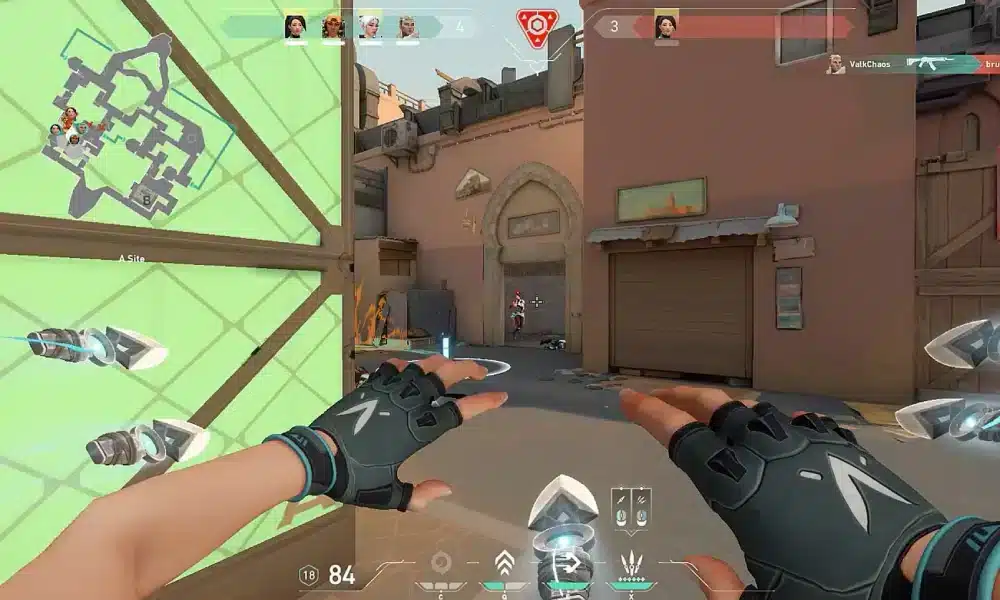

Online gaming depends on speed. Every movement, shot, and skill activation must reach the server instantly. That is exactly why understanding What Is User Datagram Protocol (UDP)? matters for competitive players and multiplayer enthusiasts.
In modern gaming, What Is User Datagram Protocol (UDP)? becomes an essential topic because most fast-paced online games rely on this protocol to reduce latency and improve responsiveness. From battle royale titles to MMORPGs and FPS games, UDP helps keep gameplay fluid even during intense moments.
So, what is UDP, and where is it used? UDP is a lightweight internet communication protocol that sends data between players and game servers without waiting for confirmation responses. This makes it extremely fast for online games, voice chat systems, and live multiplayer experiences.
Unlike slower communication systems, UDP prioritizes speed over guaranteed delivery. In gaming, that tradeoff often makes perfect sense because delayed information can ruin competitive matches more than occasional packet loss.
According to the official Internet Engineering Task Force documentation, UDP is a “connectionless” transport protocol designed for fast message transmission across IP networks.
What Is User Datagram Protocol (UDP) in Gaming?
Gaming servers constantly exchange data with players. Every second, the game must process:
- Character movement
- Shooting mechanics
- Hit registration
- Voice communication
- Matchmaking updates
- Real-time animations
UDP allows this information to travel quickly between devices.
Why Games Prefer UDP
Most online games care more about speed than perfection. If one movement packet gets lost, the game can simply send another update milliseconds later. Waiting for retransmissions would create lag spikes and delay gameplay responsiveness.
That is why games like:
- Fortnite
- Valorant
- Call of Duty
- Apex Legends
- Counter-Strike 2
all rely heavily on UDP-based communication systems.
Key Characteristics of UDP
Here are the main reasons developers use UDP for gaming:
| Feature | UDP Behavior |
| Connection Type | Connectionless |
| Speed | Extremely fast |
| Error Checking | Minimal |
| Packet Delivery Guarantee | No |
| Ideal For | Real-time gaming |
Because UDP avoids complicated connection setups, players experience lower latency during matches.
How Does UDP Work?
Understanding How Does UDP Work? is easier when you compare it to a live gaming session. Imagine you are playing a competitive FPS game. Your PC constantly sends movement and aiming information to the game server. UDP sends these packets immediately without waiting for acknowledgment.
UDP Packet Transmission
The process works like this:
- The game creates a data packet
- UDP adds source and destination ports
- The packet travels through the network
- The server receives the information
- The game updates in real time
This lightweight approach minimizes delays.
Why UDP Is Fast
Unlike TCP, UDP does not:
- Establish long handshakes
- Verify every packet
- Re-send lost information
- Maintain continuous sessions
As a result, UDP dramatically reduces overhead. For online games, this creates smoother movement and lower ping during combat situations.
The Downsides of UDP
Although UDP is fast, it has limitations.
Some packets may:
- Arrive out of order
- Get lost completely
- Duplicate accidentally
However, multiplayer games are designed to compensate for these issues using prediction systems and interpolation techniques. That balance between speed and reliability makes UDP perfect for gaming environments.
UDP vs TCP
The debate around UDP vs TCP is extremely important for gamers. Both protocols move information across the internet, but they behave very differently.
TCP Prioritizes Reliability
TCP verifies every packet.
It ensures:
- Correct order
- Guaranteed delivery
- Error correction
- Packet retransmission
This is ideal for:
- Downloads
- Websites
- Banking systems
- Email services
However, TCP introduces more delay.
UDP Prioritizes Speed
UDP skips most verification steps.
This creates:
- Faster response times
- Lower latency
- Reduced overhead
- Better real-time performance
That is why gaming servers often choose UDP instead of TCP.
UDP vs TCP Comparison Table
| Feature | UDP | TCP |
| Speed | Faster | Slower |
| Reliability | Lower | Higher |
| Latency | Very low | Higher |
| Packet Verification | Minimal | Extensive |
| Best Use Case | Gaming | Downloads |
Which Is Better for Gaming?
For competitive games, UDP is usually superior. Fast reaction times matter more than perfect packet delivery. In a shooter game, delayed movement information is worse than missing one tiny update. That is why esports titles heavily depend on UDP-based networking systems.
Applications of UDP
The Applications of UDP extend far beyond gaming. Still, gaming remains one of the most important use cases.
Common Gaming Uses
UDP powers many gaming features:
- Multiplayer synchronization
- Real-time combat systems
- Voice chat
- Matchmaking
- Spectator modes
- Cloud gaming
Without UDP, online gaming would feel slower and less responsive.
Other Popular UDP Applications
UDP is also widely used for:
- Video streaming
- Live broadcasts
- DNS requests
- VoIP calls
- QUIC-based technologies
Modern technologies like QUIC even build advanced internet communication on top of UDP.
Why Developers Choose UDP
Game developers prefer UDP because it helps:
- Reduce server overhead
- Improve responsiveness
- Support massive multiplayer sessions
- Lower bandwidth consumption
This becomes critical during large-scale online battles where thousands of packets travel every second.
How ExitLag Improves UDP Gaming Performance
Even though UDP is fast, unstable internet routes can still create packet loss and jitter. That is where ExitLag becomes essential for gamers.
ExitLag optimizes UDP traffic by:
- Stabilizing packet routes
- Reducing ping spikes
- Minimizing packet loss
- Improving server communication
- Enhancing real-time responsiveness
For competitive games using UDP, routing optimization can significantly improve gameplay consistency. This matters even more in ranked matches where every millisecond counts.
How Is UDP Used In DDoS Attacks?
Understanding How Is UDP Used In DDoS Attacks? is important because some attackers abuse UDP traffic to overwhelm servers. A DDoS attack floods a target with massive amounts of internet traffic.
Why Attackers Use UDP
UDP is easier to abuse because:
- It is connectionless
- It requires fewer verification steps
- It allows rapid packet generation
Attackers can send huge amounts of fake UDP packets toward gaming servers.
This overloads the server and causes:
- Lag
- Disconnects
- Match instability
- Server crashes
Common UDP-Based Attack Types
Some well-known attack methods include:
- UDP Flood Attacks
- Amplification Attacks
- Reflection Attacks
Gaming servers are frequent targets because attackers aim to disrupt competitive matches or tournaments.
How Gaming Companies Protect Servers
Modern game companies use advanced systems to stop UDP abuse.
These include:
- Traffic filtering
- Rate limiting
- Anti-DDoS protection
- Smart routing systems
- Cloud mitigation services
ExitLag also helps stabilize player routes during network congestion scenarios, reducing the impact of unstable routing conditions.
Why UDP Matters for Online Gaming
The gaming industry depends heavily on UDP. Without it, online multiplayer games would feel delayed and sluggish.
UDP enables:
- Faster hit registration
- Smoother movement
- Better voice communication
- Lower ping gameplay
- Competitive responsiveness
Although UDP sacrifices some reliability, the speed advantage is essential for modern multiplayer gaming. For players who care about performance, understanding What Is User Datagram Protocol (UDP)? helps explain why ping, routing, and packet stability directly affect gameplay quality.
Ultimately, combining UDP-based games with optimized routing tools like ExitLag can create a smoother, faster, and more competitive online experience.
Why UDP Is Essential for Competitive Multiplayer Games
Modern multiplayer gaming would not exist in its current form without UDP. Fast-paced games depend on near-instant communication between players and servers. Every millisecond matters during:
- Ranked matches
- Esports tournaments
- Battle royale fights
- MMO raids
- Competitive shooters
That is exactly where What Is User Datagram Protocol (UDP)? becomes so important for gamers seeking low latency and responsive gameplay.
Real-Time Data Transmission
UDP enables games to constantly update player actions in real time.
Examples include:
| Game Action | Why UDP Helps |
| Character Movement | Instant synchronization |
| Shooting | Fast hit registration |
| Voice Chat | Low delay communication |
| Vehicle Physics | Smooth interactions |
| Match Updates | Faster server refreshes |
Without UDP, these updates would feel delayed and inconsistent.
Why Packet Loss Is Sometimes Acceptable
Many gamers fear packet loss. However, in UDP-based gaming, small packet losses are usually preferable to increased delay.
For example:
- Losing one movement packet is minor
- Delaying all packets would create severe lag
That is why game engines prioritize speed over perfect reliability.
Games That Use UDP Networking
Most modern online games rely heavily on UDP communication systems.
Popular Games Using UDP
Some major titles include:
- Fortnite
- Valorant
- League of Legends
- Apex Legends
- PUBG
- Overwatch 2
- Counter-Strike 2
- Rocket League
These games require constant low-latency synchronization between servers and players.
Why FPS Games Need UDP
First-person shooters are especially dependent on UDP.
Fast reaction times directly impact:
- Aim precision
- Movement accuracy
- Shot registration
- Competitive fairness
Even tiny delays can decide the outcome of a match. That is why developers optimize UDP networking aggressively in esports-focused games.
Understanding UDP Ports in Gaming
UDP communication relies on ports. A UDP port acts like a communication channel between the game client and the server.
Common UDP Gaming Ports
Different games use specific UDP ports for multiplayer communication.
Examples include:
| Game | Common UDP Ports |
| Fortnite | 9000-9999 |
| Valorant | 7000-8000 |
| Minecraft | 19132 |
| Call of Duty | 3074 |
| League of Legends | 5000-5500 |
Routers and firewalls must allow these ports for stable connections.
Why NAT Type Matters
Strict NAT configurations can block UDP traffic.
This may cause:
- Matchmaking issues
- Voice chat failures
- High latency
- Disconnects
Gamers often improve connectivity by:
- Enabling UPnP
- Port forwarding
- Updating router firmware
UDP and Voice Communication
Voice chat systems also rely heavily on UDP.
Applications like:
- Discord
- TeamSpeak
- In-game chat systems
all use UDP because audio requires immediate delivery.
Why UDP Is Better for Voice Chat
In voice communication:
- Speed matters more than perfection
- Missing one syllable is acceptable
- Delayed audio ruins conversations
UDP ensures natural real-time communication during matches. This becomes critical in tactical games where team coordination determines victory.
How Routing Affects UDP Performance
Even though UDP is fast, internet routing still matters enormously.
Poor routing can create:
- Jitter
- Packet loss
- Ping spikes
- Rubberbanding
What Causes UDP Instability?
Several network issues affect UDP traffic:
- Congested ISPs
- Long server routes
- Weak Wi-Fi signals
- Regional routing problems
- Overloaded backbone networks
These problems can severely impact online gaming.
Why ExitLag Helps UDP Traffic
ExitLag improves UDP performance by optimizing routing paths.
Benefits include:
- More stable packet delivery
- Reduced ping variation
- Better route selection
- Lower packet loss
- Improved server synchronization
For UDP-based games, stable routing is often more important than raw internet speed.
UDP Security Risks in Gaming
Although UDP improves performance, it also introduces security concerns.
Why UDP Is Vulnerable
UDP lacks built-in verification systems.
This makes it vulnerable to:
- Spoofed packets
- Amplification attacks
- Flood attacks
- Reflection exploits
Attackers often target gaming servers because they generate large amounts of UDP traffic naturally.
How Developers Protect Games
Modern gaming infrastructure uses advanced protection systems such as:
- Traffic inspection
- Rate limiting
- Cloud-based mitigation
- AI attack detection
- Smart packet filtering
Large publishers invest heavily in anti-DDoS infrastructure to protect competitive environments.
The Future of UDP in Gaming
UDP remains one of the foundations of online multiplayer technology. However, modern protocols continue evolving around it.
QUIC and the Evolution of UDP
New internet technologies like QUIC build advanced communication systems on top of UDP.
QUIC helps improve:
- Connection stability
- Encryption
- Faster reconnections
- Reduced handshake delays
Many future gaming services may adopt similar technologies.
Cloud Gaming and UDP
Cloud gaming platforms also depend heavily on UDP.
Services like:
- Xbox Cloud Gaming
- NVIDIA GeForce NOW
- PlayStation Cloud Gaming
Require ultra-low latency video and input transmission. UDP helps minimize delays between player input and streamed gameplay.
Best Practices for Optimizing UDP Gaming
Players can improve UDP gaming performance by following a few important steps.
Network Optimization Tips
Use Wired Connections
Ethernet provides:
- Lower latency
- More stability
- Reduced interference
Wi-Fi often increases jitter and packet loss.
Reduce Background Traffic
Applications using bandwidth can interfere with UDP traffic.
Close:
- Downloads
- Streaming apps
- Cloud sync tools
- Browser tabs
before gaming sessions.
Optimize Routing
Smart routing tools like ExitLag help improve packet stability.
This is especially useful for:
- International servers
- Ranked matches
- Competitive esports
- MMO raids
Keep Drivers Updated
Outdated network drivers can create:
- Packet instability
- Latency spikes
- Connectivity issues
Regular updates improve gaming performance.
Frequently Asked Questions About UDP
What Is User Datagram Protocol (UDP)?
UDP is a lightweight internet communication protocol designed for fast real-time data transmission without requiring packet verification.
How Does UDP Work?
UDP sends packets directly between devices without establishing persistent connections or waiting for acknowledgments.
UDP vs TCP: Which Is Better for Gaming?
UDP is generally better for online gaming because it prioritizes low latency and fast response times.
What Are the Main Applications of UDP?
UDP is widely used for:
- Online gaming
- Voice chat
- Video streaming
- DNS requests
- Cloud gaming
How Is UDP Used In DDoS Attacks?
Attackers abuse UDP by flooding servers with massive amounts of fake packets, overwhelming systems and causing lag or outages. Understanding What Is User Datagram Protocol (UDP)? helps gamers better understand why online performance depends so heavily on latency, routing, and packet stability.
UDP powers the modern multiplayer gaming experience by delivering:
- Faster gameplay
- Lower latency
- Better responsiveness
- Real-time synchronization
Although it sacrifices some reliability, the speed advantage makes UDP ideal for competitive gaming. For players looking to maximize online performance, combining UDP-based games with optimized routing solutions like ExitLag can significantly improve stability and responsiveness during matches.
Whether you play shooters, MMOs, MOBAs, or battle royale games, UDP remains one of the most important technologies behind smooth online gameplay.