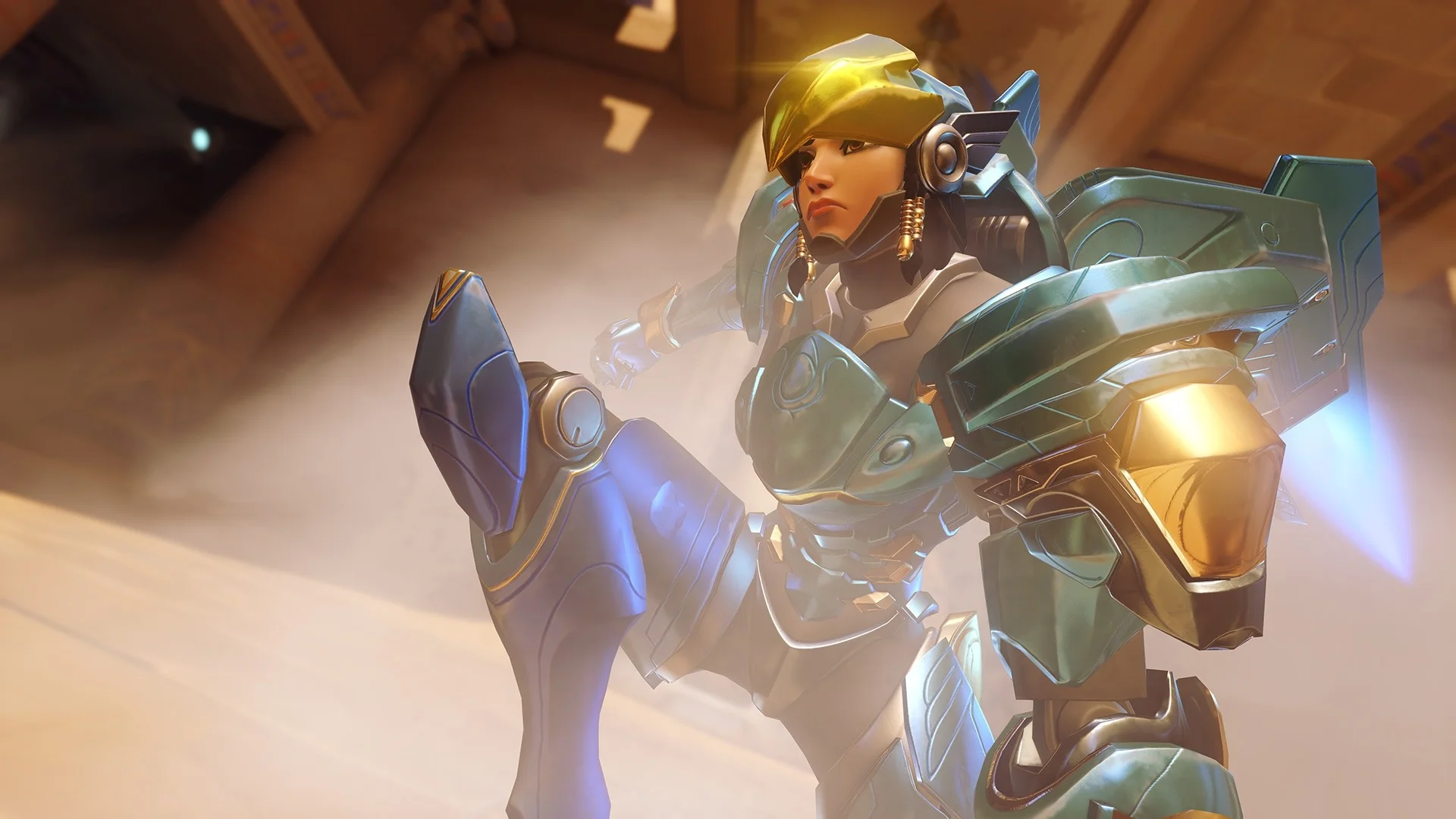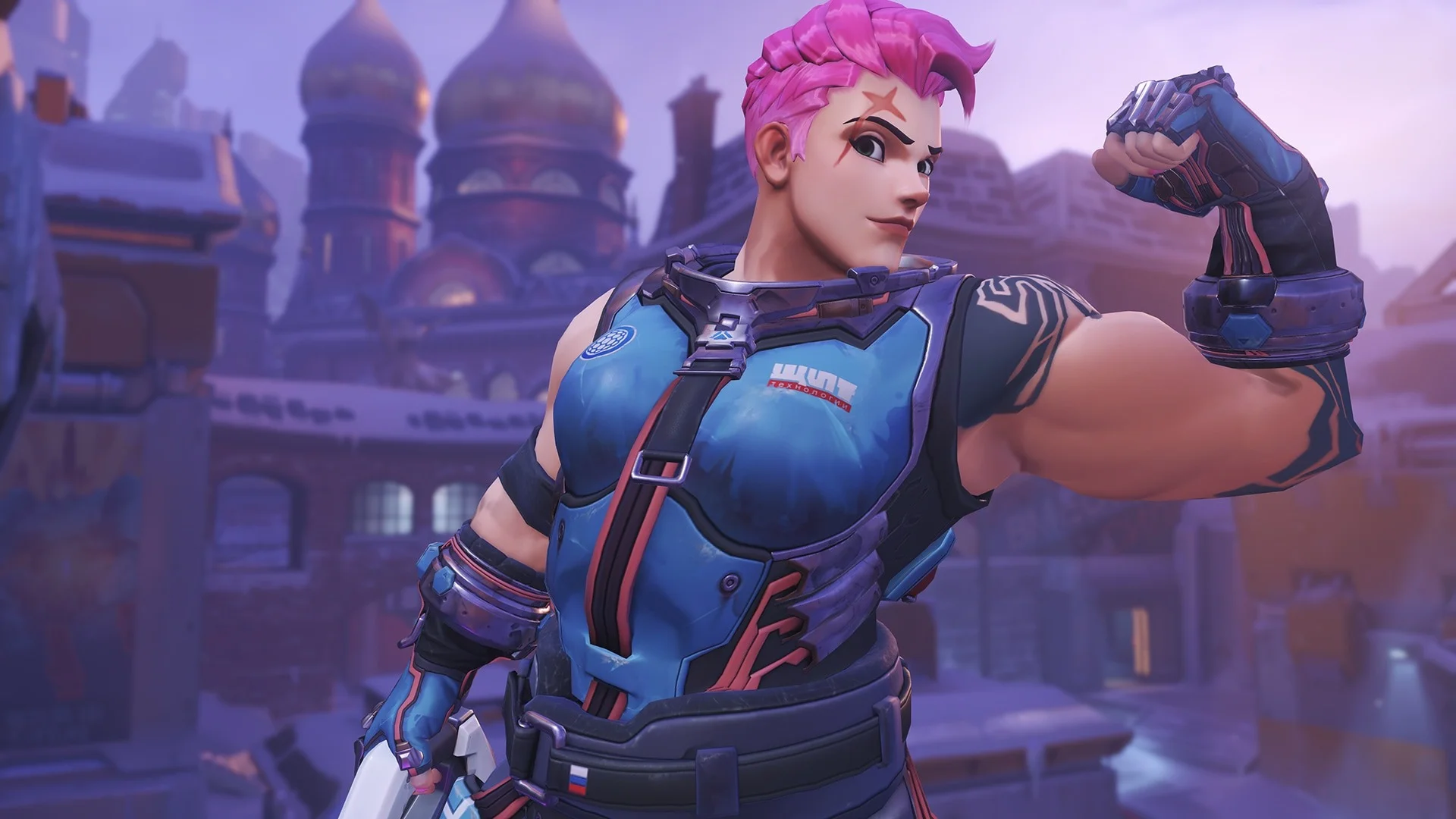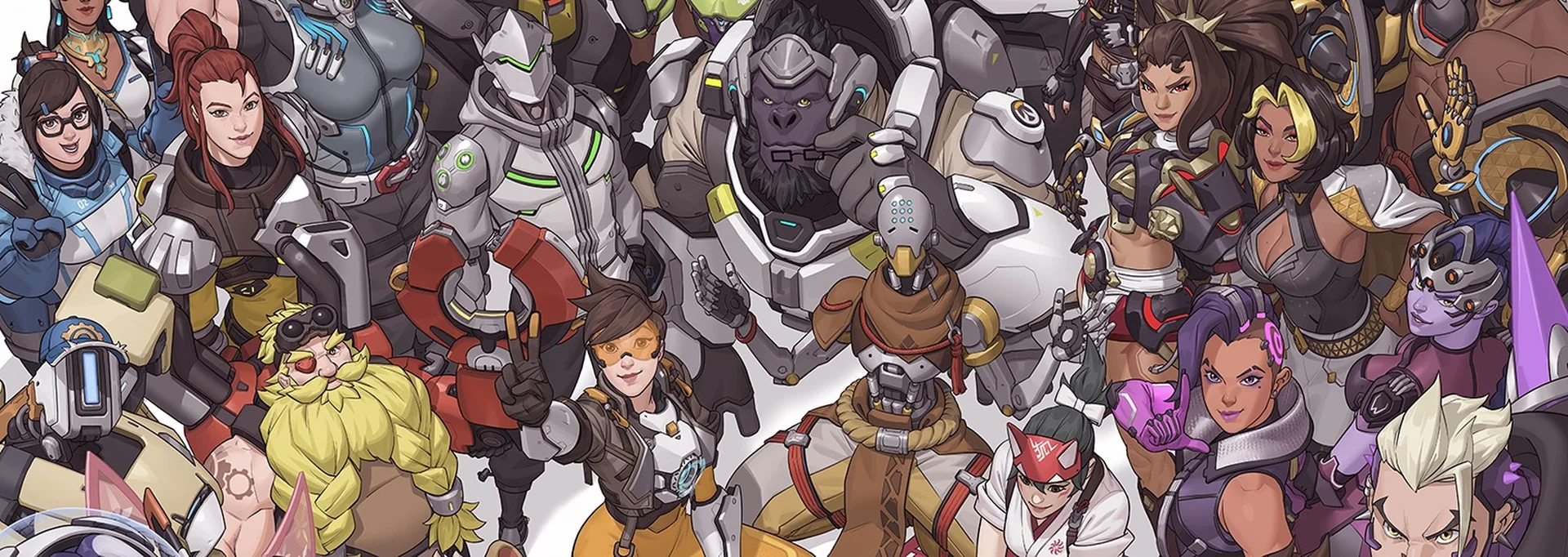
The Overwatch 2 Battle Pass is one of the main progression systems in Blizzard Entertainment's popular multiplayer shooter. Every season introduces opportunities to unlock character skins, customization items, currencies, and exclusive-looking cosmetics. However, understanding how these rewards work can help players avoid unnecessary purchases and make better decisions about their progression.
Whether you're a casual player or a dedicated competitor, the overwatch 2 battle pass offers different ways to customize your favorite heroes. From free rewards to Premium upgrades, the system encourages players to complete matches, earn experience points, and explore seasonal content while building their cosmetic collections.
So, what is the Overwatch 2 Battle Pass? It is a seasonal reward system that allows players to earn cosmetics and other items through gameplay. The Overwatch 2 Battle Pass includes free and paid progression options, with Premium access providing additional rewards such as Legendary skins and Mythic Prisms. Blizzard also introduced major progression changes in 2026, making the system more flexible.
Unlike traditional cosmetic purchases, Battle Pass progression rewards players for spending time in matches. Completing challenges, earning experience, and participating in seasonal activities can help unlock additional content.
Furthermore, the introduction of Unvaulted Passes has changed how players approach older rewards. Instead of permanently missing every cosmetic from a previous season, players now have opportunities to revisit eligible content.
In this complete guide, we'll explain Battle Pass pricing, rewards, Prestige progression, tier skips, exclusivity, expiration dates, and the latest updates. You'll also discover practical strategies for completing seasonal rewards efficiently.
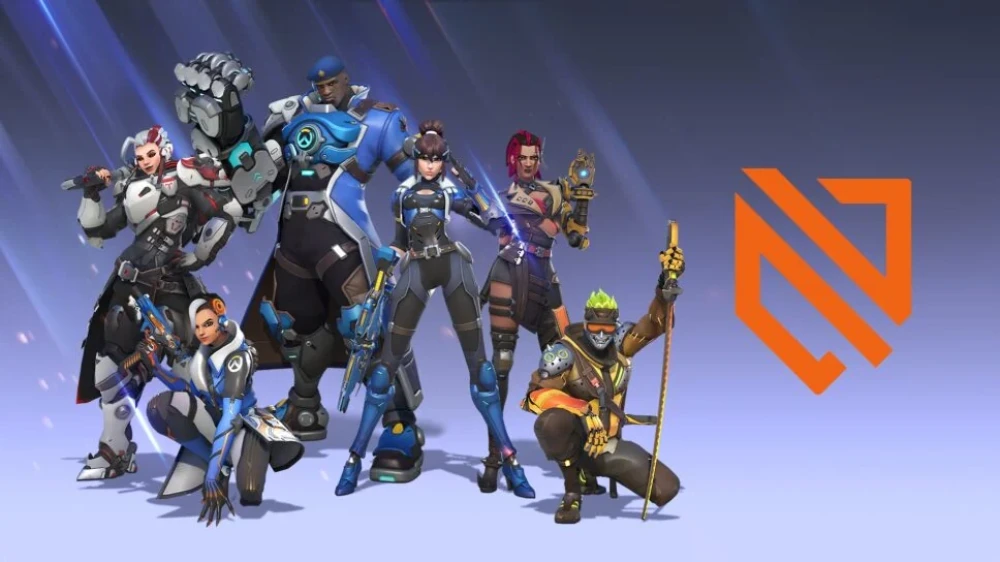
Overwatch 2 Battle Pass: What Is It and How Does It Work?
The Overwatch 2 Battle Pass is designed to reward players as they participate in matches and complete seasonal objectives.
Instead of purchasing every cosmetic individually, players can unlock collections of rewards through a structured progression system.
However, the experience has evolved significantly since Overwatch 2 launched in October 2022.
Blizzard's 2026 updates introduced greater flexibility, allowing players more control over which rewards they pursue first.
Understanding Seasonal Rewards and Progression
Each season introduces a new selection of cosmetic rewards and progression opportunities.
Players earn Battle Pass experience points by participating in matches and completing eligible challenges.
As they accumulate experience, they advance through the reward system and unlock available items.
The overwatch battle pass includes several types of rewards, depending on the season.
Common reward categories include:
- Hero skins: Change the appearance of playable characters.
- Highlight intros: Customize animations displayed during notable plays.
- Victory poses: Personalize how heroes appear after matches.
- Voice lines: Unlock additional character dialogue.
- Player icons: Customize account profiles.
- Name cards: Add visual personalization to player identities.
- Weapon charms: Decorate compatible hero weapons.
- Currencies: Earn eligible Coins, Credits, or Mythic Prisms.
Not every reward is available through the free progression path.
Premium access unlocks additional rewards, making it attractive to players interested in collecting more cosmetics.
However, purchasing Premium access does not automatically grant every reward.
Players generally need to progress through the Battle Pass to claim its full benefits.
How Battle Pass XP and Challenges Work
Experience points are essential for unlocking Battle Pass rewards.
Players earn XP through regular gameplay and eligible challenges.
This means casual matches can contribute toward progression alongside competitive games.
However, players who complete challenges consistently may progress more efficiently.
Challenges can encourage participation in different activities, including completing matches or meeting specific gameplay objectives.
The most effective strategy involves combining normal gameplay with challenges that fit your preferred heroes and modes.
For example, players who enjoy Support heroes can prioritize suitable objectives while maintaining their regular playstyle.
Meanwhile, those who prefer competitive matches can continue progressing without necessarily switching to unrelated activities.
To improve your progression:
- Review available challenges before starting a session.
- Identify objectives that overlap with your preferred gameplay.
- Complete challenges that offer useful Battle Pass XP.
- Participate in seasonal events that provide additional experience.
- Monitor your progression and adjust your priorities.
- Avoid unnecessary purchases when sufficient gameplay time remains.
Although progression rewards consistency, players should avoid treating every match as an obligation.
Choosing enjoyable activities makes completing seasonal rewards more sustainable.
What's Changed in the 2026 Battle Pass System?
One of the most significant changes arrived with the August 2026 Battle Pass revamp.
Previously, players followed a largely fixed progression order.
However, Blizzard introduced a system that allows players to select which reward paths they want to pursue after completing the introductory track.
This creates additional flexibility when prioritizing specific cosmetics.
For example, players interested in a particular Legendary skin can focus on the relevant progression path rather than following a completely fixed sequence.
The update also introduced a skin-swapping feature.
Once per Battle Pass, eligible players can exchange one Battle Pass skin for an alternative from a curated seasonal Swap Pool.
However, this feature does not provide unrestricted access to every cosmetic in the game.
Available alternatives depend on Blizzard's selected pool and the applicable exchange rules.
The redesigned interface also makes reward progression easier to understand.
Together, these changes make the overwatch battlepass more customizable without removing its core seasonal progression structure.
Overwatch Battle Pass Free vs. Premium Rewards
Choosing between Free and Premium access is one of the most important decisions players face each season.
Although both options provide opportunities to earn rewards, Premium access offers additional cosmetic content and progression benefits.
Understanding these differences can help players determine whether upgrading is worthwhile.
What Is Included in the Free Battle Pass?
The Free Battle Pass allows players to earn selected rewards without purchasing Premium access.
These rewards vary between seasons but can include cosmetics, customization items, and currencies.
For example, Blizzard's Season 14 Free Battle Pass included Epic skins, player icons, sprays, voice lines, Credits, and Overwatch Coins.
This makes the free progression path useful for players who want additional customization without spending money.
However, free rewards generally represent only part of the complete seasonal collection.
Players interested in obtaining more Legendary skins or Mythic Prisms may find Premium access more appealing.
Importantly, the availability and quantity of rewards can change between seasons.
Therefore, players should review the current reward tracks before deciding whether to upgrade.
Overwatch 2 Premium Battle Pass Price and Benefits
The overwatch 2 premium battle pass has traditionally cost 1,000 Overwatch Coins.
This upgrade unlocks access to the Premium reward tracks, including additional cosmetics and Mythic Prisms.
For example, Blizzard's Season 14 Premium Battle Pass offered 80 Mythic Prisms alongside multiple Legendary and Epic skins.
Mythic Prisms are particularly valuable because they allow players to purchase eligible Mythic cosmetics through the Mythic Shop.
Instead of receiving only one predetermined Mythic skin, players can choose from available options.
This provides greater freedom when customizing favorite heroes.
However, earning the full allocation of Mythic Prisms requires sufficient progression.
The following table summarizes the main differences between the available purchase options.
| Feature | Free Battle Pass | Premium Battle Pass | Ultimate Bundle |
| Purchase required | No | Yes | Yes |
| Selected free rewards | Yes | Yes | Yes |
| Additional Premium cosmetics | No | Yes | Yes |
| Mythic Prisms | Generally not included | Included in eligible rewards | Included through Premium |
| Bonus Legendary skins | Limited to free rewards | Seasonal Premium selection | May include bundle-exclusive skins |
| Tier skips | Not standard | Not automatically included | Commonly includes 20 |
| Overwatch Coins | Depends on season | Includes eligible free-track rewards | May include additional Coins |
| Best suited for | Casual collectors | Regular players | Players seeking additional cosmetics and faster progression |
The table reflects Blizzard's established Battle Pass structure. Specific rewards and bundle contents should always be checked in the current in-game store.
Ultimate Battle Pass Bundles and Mythic Prisms
The Ultimate Battle Pass Bundle offers additional benefits beyond standard Premium access.
These bundles have commonly included exclusive cosmetics, Overwatch Coins, and 20 Battle Pass tier skips.
For example, Blizzard's Season 5 announcement in October 2026 featured an Ultimate bundle containing two Legendary skins, 2,000 Overwatch Coins, and 20 tier skips.
However, Ultimate bundles are separate purchases, and their contents may change each season.
Players should compare the bundle's price with the value of its included cosmetics before purchasing.
Mythic Prisms are another important consideration.
Blizzard introduced the Mythic Shop to give players more freedom when selecting Mythic cosmetics.
Completing an eligible Premium Battle Pass can provide up to 80 Mythic Prisms.
These can be spent on available Mythic hero skins, weapon skins, and applicable customization levels.
However, not every Mythic cosmetic is permanently available at all times.
Players should review the Mythic Shop before spending their currency.
Overwatch 2 Battlepass Rewards, Skins, and Customization
The overwatch 2 battlepass offers more than a simple collection of character skins.
Its rewards allow players to personalize heroes, profiles, weapons, and in-game presentations.
Furthermore, Blizzard's recent updates provide additional control over how certain rewards are unlocked.
Understanding these options can help players prioritize the cosmetics they actually want.
Legendary, Epic, and Mythic Cosmetics
Cosmetic rarity is an important part of Overwatch's customization system.
Epic and Legendary skins offer different visual designs, while Mythic cosmetics provide more advanced customization possibilities.
Legendary skins often feature substantial changes to a hero's appearance.
These can include new outfits, themed equipment, and distinctive visual details.
Epic skins typically provide more limited visual changes.
Meanwhile, Mythic cosmetics can include additional customization options depending on the item.
The overwatch premium battle pass provides opportunities to earn the Mythic Prisms needed for eligible Mythic purchases.
This allows players to select cosmetics that match their preferred heroes.
However, cosmetic rarity does not provide a gameplay advantage.
A Legendary or Mythic skin does not increase damage, health, or movement speed.
Therefore, players should choose rewards based on personal preference rather than expectations of improved combat performance.
How the New Reward Selection and Skin Swaps Work
The redesigned Battle Pass introduced in August 2026 provides more control over reward progression.
After completing the introductory track, players can choose which available paths to pursue.
This makes it easier to prioritize specific rewards.
For example, someone who primarily plays Mercy may prefer to unlock a Mercy cosmetic before pursuing rewards for less frequently used heroes.
The skin-swapping system offers additional flexibility.
Players can exchange one eligible Battle Pass skin for an alternative from the curated seasonal Swap Pool.
However, the available options depend on Blizzard's current selection.
Not every skin qualifies for exchange, and the feature is limited to one swap per Battle Pass.
Consequently, players should review the available alternatives before making their selection.
This system encourages more personalized progression while maintaining the structure of seasonal rewards.
Are Premium Rewards Worth Purchasing?
Whether Premium access is worthwhile depends on how frequently you play and which rewards interest you.
For regular players, Premium access can offer strong cosmetic value compared with purchasing multiple items individually.
However, players who rarely complete seasonal progression may not unlock enough rewards to justify the purchase.
Before upgrading, consider several factors:
- How many Premium cosmetics do you genuinely want?
- Can you realistically complete the required progression?
- Are the available Mythic rewards useful for your favorite heroes?
- Do you already have enough Overwatch Coins?
- Would purchasing an individual cosmetic provide better value?
Players who prioritize specific skins should examine the current reward paths before spending currency.
Meanwhile, casual players can continue enjoying the Free Battle Pass without sacrificing access to the game's core competitive experience.
Ultimately, Premium access is most valuable when its rewards align with your interests and available playtime.
How to Play Hazard Overwatch: Tips and Strategies
Learning how to play hazard overwatch effectively requires understanding his aggressive combat style and knowing when to use each ability.
Although Hazard can initiate fights and pressure opponents, successful players avoid unnecessary risks. Instead, they combine mobility, defensive timing, and coordinated attacks to create opportunities for their teams.
The following strategies will help you develop better positioning, improve ability combinations, and become more consistent during competitive matches.
Best Positioning and Engagement Techniques
Positioning is one of the most important aspects of playing Hazard.
Unlike stationary Tanks, Hazard benefits from constantly changing his position and attacking opponents from unexpected angles.
However, this mobility should serve a purpose.
Before engaging, identify vulnerable enemies, available cover, and possible escape routes.
High ground can be particularly valuable because it provides additional opportunities for attacking opponents from above.
Hazard's Vault ability allows him to reach elevated locations and navigate obstacles more effectively.
Additionally, the updated wall-clinging mechanic creates opportunities to wait near vertical surfaces before initiating an attack.
This can help players approach opponents from unexpected directions.
Effective positioning strategies include:
- Control corners: Use nearby cover to reduce incoming damage.
- Approach from different angles: Avoid repeatedly attacking through predictable routes.
- Prioritize vulnerable enemies: Pressure isolated Damage and Support heroes when opportunities appear.
- Stay connected to your team: Make sure allies can support your engagements.
- Plan your retreat: Identify safe positions before using mobility abilities.
Remember that creating space does not always require eliminating opponents.
Sometimes, forcing an enemy Support hero to retreat is enough to create an advantage for your teammates.
Ability Combinations for Aggressive Fights
Hazard becomes especially dangerous when players combine his abilities effectively.
Rather than activating every ability immediately, experienced players create combinations that maximize damage while preserving defensive options.
A basic engagement can begin with Violent Leap.
After approaching an enemy, activate the follow-up slash to displace the target.
Then, use Bonespur to maintain close-range pressure.
If the opponent retaliates, Spike Guard can provide temporary protection while dealing additional damage.
Jagged Wall can also help prevent enemies from escaping through predictable routes.
A practical combination follows these steps:
- Identify your target: Choose an opponent who is vulnerable or separated from teammates.
- Approach with Violent Leap: Close the distance while avoiding unnecessary exposure.
- Activate the follow-up slash: Damage and displace the target.
- Attack with Bonespur: Maintain offensive pressure at close range.
- Use Spike Guard strategically: Protect yourself when opponents respond.
- Deploy Jagged Wall: Restrict movement, create cover, or support your escape.
- Reposition: Return to safety when the engagement becomes unfavorable.
This combination is a starting point rather than a fixed rotation.
Sometimes, saving Violent Leap for escaping is more valuable than using it to initiate combat.
Likewise, Jagged Wall may be more effective as temporary protection than as an offensive tool.
Adaptability separates strong Hazard players from predictable ones.
How to Use Downpour Effectively
Downpour can dramatically influence a team fight when activated at the right moment.
However, its updated mechanics require players to focus on damage and area pressure rather than immobilization.
Blizzard's June 2026 changes increased Downpour's width, range, and impact damage while removing its rooting effect.
As a result, players should prioritize situations where enemies are grouped together or have limited opportunities to avoid the attack.
One effective approach involves waiting until opponents commit to an objective.
When multiple enemies occupy the same area, Downpour can create significant pressure.
Another strategy involves coordinating the Ultimate with teammates who can contribute additional damage.
However, avoid activating Downpour simply because it becomes available.
Consider enemy positioning, defensive abilities, and whether your team can capitalize on the attack.
A well-timed Ultimate can create the advantage needed to secure an objective.
Best Hazard Builds, Perks, and Team Compositions

The overwatch hazard playstyle becomes more flexible through the game's Perk system and Stadium upgrades.
These mechanics allow players to customize specific aspects of Hazard's abilities during matches.
However, choosing the right upgrades depends on your preferred strategy and the challenges presented by the opposing team.
Choosing Hazard's Minor and Major Perks
Hazard's standard Perks provide different advantages for survivability, mobility, and damage.
Minor Perks offer early improvements, while Major Perks create more substantial changes to his combat capabilities.
The following table summarizes his available standard Perks.
| Perk | Category | Effect | Recommended Use |
| Reconstitution | Minor | Jagged Wall hits can provide additional Spike Guard energy | Defensive resource management |
| Anarchic Zeal | Minor | Spike Guard spikes gain lifesteal | Sustained close-range combat |
| Deep Leap | Major | Increases Violent Leap range by 20% | Mobility and aggressive positioning |
| Explosive Impalements | Major | Bonespur hits mark targets for explosive follow-up damage | Offensive combinations |
These options support different playstyles.
For example, Anarchic Zeal can benefit players who frequently fight at close range and need additional sustain.
Meanwhile, Reconstitution rewards effective Jagged Wall placement.
Deep Leap provides additional mobility, making it useful when opponents maintain distance.
Explosive Impalements supports a more aggressive damage-focused approach.
However, there is no universally perfect combination.
Players should consider their team's composition, enemy positioning, and individual strengths before selecting upgrades.
Stadium Powers and Build Strategies
Stadium introduces additional customization through powerful upgrades purchased or selected during the match.
These options can significantly change how Hazard approaches combat.
Some upgrades strengthen his primary weapon, while others improve mobility, defensive abilities, or team utility.
For example, Fortress increases Jagged Wall's size and enhances its knockback damage.
Meanwhile, Bringin' the Pain reduces Downpour's Ultimate Charge requirement and provides cooldown benefits after activation.
Other Powers, such as Twin Fang, improve Bonespur's offensive potential.
These upgrades create opportunities to specialize in particular strategies.
| Stadium Power | Main Benefit | Suggested Strategy |
| Fortress | Larger Jagged Wall and additional knockback damage | Area control |
| Bringin' the Pain | Faster Ultimate access and cooldown benefits | Frequent engagements |
| Twin Fang | Additional Bonespur shots | Weapon-focused damage |
| Needle Storm | Spike Guard attacks multiple enemies in front | Close-range pressure |
| Bunny Hop | Mobility cooldown benefits and allied Overhealth | Team-oriented movement |
| Juiced | Jagged Wall provides healing to nearby allies | Defensive team support |
Players who prefer aggressive combat may prioritize weapon-focused upgrades.
However, those supporting coordinated teams may benefit from additional utility and survivability.
Because Stadium has its own progression and item systems, builds should be adapted to the specific match rather than copied without considering the situation.
Team Synergy and Effective Hero Combinations
Hazard performs best when teammates understand his movement and can support aggressive engagements.
Mobile Damage heroes can follow his attacks and capitalize on displaced opponents.
Meanwhile, Support heroes help maintain his survivability during extended fights.
For example, Tracer and Genji can complement aggressive engagements by pressuring vulnerable enemies.
Lucio can provide movement support, helping teammates approach or retreat together.
Kiriko offers healing and defensive utility, while Ana can contribute long-range healing and offensive pressure.
However, successful team compositions depend on more than individual hero combinations.
Communication, positioning, and timing remain essential.
A coordinated team can capitalize on Hazard's ability to create space.
Conversely, even a strong composition may struggle if players attack different targets without coordination.
Hazard Counters and Common Mistakes
Understanding counters is essential for improving your hazard overwatch 2 gameplay.
Although Hazard possesses impressive mobility and defensive capabilities, certain opponents can exploit his weaknesses.
Recognizing these situations helps players adapt before a difficult matchup becomes overwhelming.
How Enemies Can Punish Hazard's Aggression
Hazard is most effective when fighting within his preferred range.
Therefore, opponents who maintain distance or interrupt his movement can create problems.
Heroes with strong crowd-control abilities can disrupt his engagements.
Additionally, enemies who attack from multiple directions can reduce the effectiveness of Spike Guard's frontal protection.
Long-range damage can also force Hazard to spend resources before reaching his target.
Potentially challenging matchups include:
- Ana: Sleep Dart and Biotic Grenade can punish predictable engagements.
- Orisa: Her defensive tools and disruption can make direct approaches difficult.
- Sombra: Hack and coordinated pressure can interfere with ability-dependent strategies.
- Pharah: Aerial positioning can make consistent close-range pressure difficult.
- Widowmaker: Long-range sightlines can threaten Hazard's teammates and restrict approaches.
However, these heroes are not automatic counters in every situation.
Map design, team coordination, and individual skill can significantly influence the outcome.
For example, Hazard may struggle against distant opponents on open maps but perform better when buildings and cover provide safer approach routes.
The key is understanding how to adapt.
How to Avoid Overextending and Wasting Cooldowns
One of the biggest mistakes new Hazard players make is confusing aggression with constant attacking.
Although Hazard benefits from offensive pressure, unnecessary engagements can leave teammates vulnerable.
Overextending occurs when players move too far beyond their team's ability to provide support.
This often happens after using Violent Leap to chase a weakened opponent.
Even if the target appears vulnerable, pursuing too far can expose Hazard to concentrated enemy damage.
Another common mistake involves using Jagged Wall without considering teammate movement.
Poorly positioned walls can interfere with allied attacks or create unfavorable paths.
Players should also avoid spending Spike Guard resources against minor damage when a more dangerous engagement is approaching.
To improve your decision-making, develop a simple habit: evaluate your position after every major ability.
Ask whether you can continue attacking safely or whether repositioning would provide greater value.
Over time, this approach improves consistency and reduces unnecessary eliminations.
How ExitLag Can Improve Your Overwatch Experience
Competitive matches demand responsive controls, reliable communication, and consistent network performance. Even experienced players can struggle when unstable connections interfere with important actions.
For players mastering how to play hazard overwatch, connection stability becomes particularly important because Hazard relies on precise movement, rapid ability combinations, and well-timed defensive actions.
Reducing Lag and Improving Connection Stability
ExitLag helps optimize gaming connections through intelligent routing technology designed to improve network stability and reduce latency when better routes are available.
Its Real-Time Optimization and Multipath Connection technologies can help reduce the impact of unstable network routes, packet loss, and connection fluctuations.
For Hazard players, this can support more consistent online gameplay during demanding engagements.
Although ExitLag cannot eliminate every source of lag or guarantee lower ping in every situation, its connection optimization tools can help players maintain a more reliable gaming experience.
Maintaining Responsiveness During Competitive Matches
In Overwatch, a delayed action can change the outcome of an engagement.
For example, activating Spike Guard too late may leave Hazard exposed to concentrated damage.
Similarly, unstable connectivity can make movement and targeting feel inconsistent.
ExitLag provides connection optimization tools for PC and Mobile, helping players address certain network-related performance issues.
However, it does not replace mechanical practice, strategic positioning, or appropriate graphics settings.
Combining stable connectivity with good gameplay habits provides a stronger foundation for competitive improvement.
FAQ: Everything Players Need to Know
Before jumping into competitive matches, players often have questions about Hazard's abilities, difficulty, and overall effectiveness.
The following answers address common concerns and provide practical guidance for improving gameplay.
Is Hazard a Good Tank for Beginners?
Hazard can be an enjoyable Tank for beginners, but his abilities require practice.
His mobility and offensive potential make him exciting to play, although positioning mistakes can quickly become dangerous.
New players should focus on understanding Violent Leap, Spike Guard, and Jagged Wall before attempting complicated combinations.
Learning when to retreat is equally important.
What Are Hazard's Best Abilities and Combos?
Hazard's abilities work best when combined strategically.
Violent Leap provides mobility and offensive opportunities, while Bonespur delivers close-range pressure.
Spike Guard helps protect against incoming frontal damage, and Jagged Wall offers environmental control.
A basic combination involves approaching with Violent Leap, using the follow-up slash, and attacking with Bonespur.
However, players should adapt their ability usage to each engagement rather than relying on a single sequence.
How Do You Counter Hazard?
The most effective way to counter Hazard is to exploit his limited effective range and punish predictable engagements.
Long-range pressure, coordinated damage, and crowd-control abilities can restrict his movement.
Additionally, attacking from multiple angles can reduce the effectiveness of Spike Guard.
Players facing Hazard should avoid isolated engagements when possible and coordinate defensive responses with teammates.
Is Hazard Good for Competitive Play?
Hazard can be a strong competitive choice when used effectively.
His mobility, close-range damage, and environmental control allow him to influence important engagements.
However, his effectiveness depends on map geometry, team composition, enemy matchups, and individual skill.
Players who understand positioning and cooldown management are more likely to achieve consistent results.
Ultimately, mastering hazard overwatch requires practice, strategic awareness, and reliable performance. By combining effective ability usage, smart positioning, and a stable gaming connection supported by tools like ExitLag, players can develop greater consistency and confidence during competitive matches.
All game images used in this blog belong to Blizzard Entertainment. They are used for informational/educational purposes only and do not imply endorsement or affiliation with the rights holders.