

The search for the best Fortnite skins never really stops, because cosmetics are a huge part of how players express identity, taste, and status in Fortnite. New outfits, collaborations, and returning favorites keep the conversation alive every season, so choosing from hundreds of options can feel just as important as choosing your loadout.
Collab drops often reshape what players call the “best” because they bring instant recognition and a whole new wave of combo ideas. A good example is how Fortnite handled a horror crossover that kept showing up in locker discussions long after the first hype cycle. If you want that kind of reference point for your rankings, check Michael Myers in Fortnite and how the collab works.
For many players, the best Fortnite skins are not only about rarity. They are also about visual impact, personal style, nostalgia, and how well they fit a locker setup. That is why terms like Fortnite skins tier list, coolest skins, rare outfits, skin rankings, and cosmetics guide stay relevant in community discussions year after year.
If you want to build a smarter list of the best Fortnite skins, it helps to understand why certain outfits become iconic. Some skins win because of design quality. Others become favorites through lore, collaboration hype, or long-term community love. This guide breaks all of that down in a practical, player-focused way.
You will also see how to evaluate skins by category, how to build better combos, and how to think about style versus rarity without getting trapped in hype alone.
What are the best Fortnite skins?
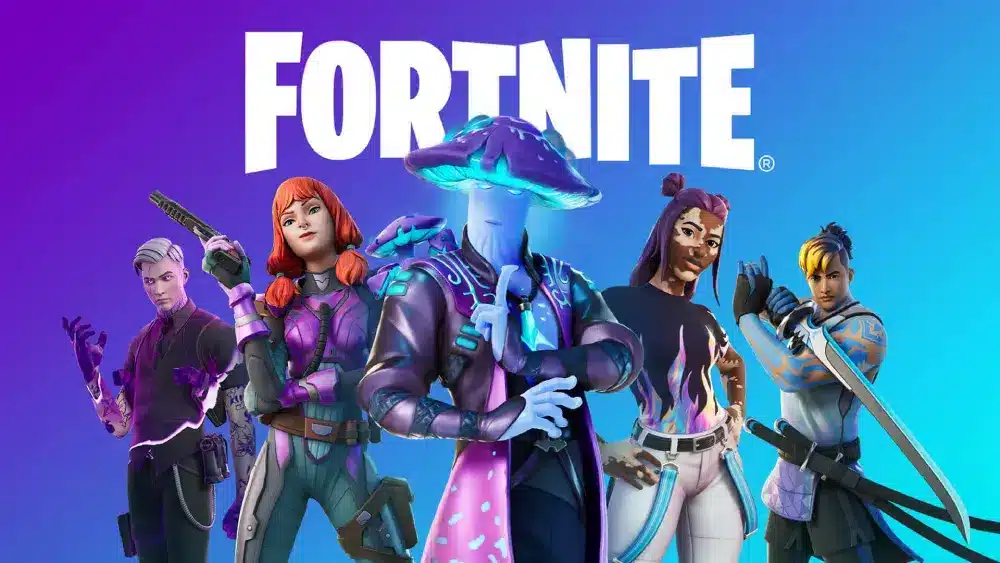
The best Fortnite skins are the outfits that stand out because of strong design, community popularity, cultural impact, uniqueness, or long-term relevance in the game’s cosmetic history. Some are beloved because they are old and hard to get. Others are popular because they look clean, expressive, or instantly recognizable.
That answer sounds subjective because it is. There is no single “official best skin” from Epic. Instead, players build their own skin rankings based on what they value most:
- Design and visual identity
- Rarity or exclusivity
- Lore relevance
- Collaboration prestige
- Animation/style variants
- Combo compatibility
- Personal taste
A good way to think about it: the best Fortnite skins are the ones that still get talked about long after release.
What usually makes a skin feel top-tier?
A top-tier outfit usually checks multiple boxes at the same time:
- Strong silhouette (easy to recognize)
- Distinctive theme or personality
- High-quality textures/details
- Great color palette
- Good matching options for back blings and pickaxes
- Memorable release context (season, event, collab)
This is why a skin can be popular even if it is not one of the most expensive or hardest to obtain.
Style vs rarity: which matters more?
For most players, style matters more in actual day-to-day use. A skin can be extremely rare and still not be fun to wear often. On the other hand, some of the coolest skins stay popular because they look good in many situations and support many combos.
That said, rare outfits still matter in Fortnite culture because they carry nostalgia and social value. Players often use them as “legacy” cosmetics that represent how long they have played.
What defines the best Fortnite skins in a real player tier list?
A strong Fortnite skins tier list is more useful when it uses clear criteria instead of pure hype. If you are building your own list, the goal is not to copy social media trends blindly. The goal is to rank outfits based on what actually matters to you.
Before the categories below, decide what type of player you are:
- Collector (rarity and history)
- Style-focused player (looks and combos)
- Competitive aesthetic player (clean visuals)
- Collab fan (pop culture icons)
- Lore fan (story-connected skins)
Your answer changes your skin rankings immediately.
Design and visual identity
This is the core category for most best Fortnite skins lists. Great skins usually have a strong visual concept and a consistent design language.
Look for:
- Clean color coordination
- Distinct silhouettes
- Memorable details without visual clutter
- Expressions/attitude that match the skin theme
- Styles that feel meaningfully different
Fortnite is known for bold cosmetic design, which is one reason “best skin” debates never end. The game’s Item Shop and cosmetics ecosystem are built around constant outfit variety and presentation.
Rarity and exclusivity
Rarity is still a major factor in many best Fortnite skins conversations. Older Battle Pass outfits, limited-time skins, and long-unavailable releases often get ranked highly because they are tied to Fortnite history and player nostalgia.
However, a useful update for modern lists: Epic has clarified that items from future Fortnite passes may return to the shop after 18 or more months (with no guarantee they will return). That changes how some players think about exclusivity going forward.
So when evaluating rare outfits, it helps to separate:
- “Historically rare/legacy”
- “Currently unavailable”
- “Likely to return someday”
- “Time-limited collab/event”
Combo potential and locker value
A skin can look amazing alone and still be weak in a full combo. The best long-term picks in a cosmetics guide are often the ones that work with many back blings, pickaxes, wraps, and emotes.
Ask:
- Does it match multiple color themes?
- Does it support simple and flashy combos?
- Does it clash with most accessories?
- Does it look good in motion, not just in the locker?
This is where many coolest skins separate themselves from “good but niche” outfits.
What is the best Fortnite skin? Community favorites explained
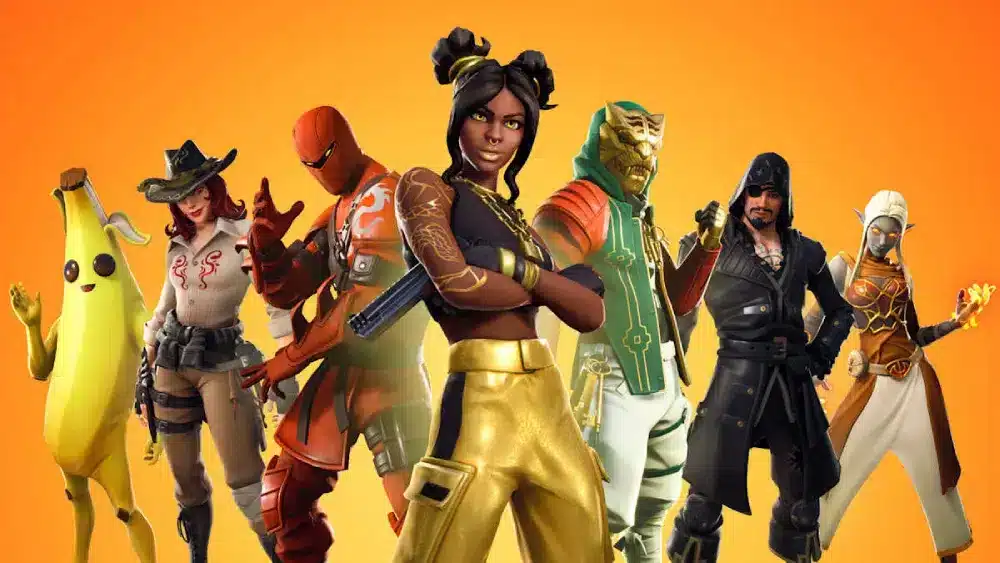
There is no permanent single winner, but some skins appear in almost every community discussion about the best Fortnite skins because they combine style, legacy, and recognition. These are the skins players bring up again and again.
Instead of pretending there is one universal answer, it is more useful to group top picks by why they are loved.
OG and legacy favorites
These skins are often ranked highly because they represent early Fortnite identity and history.
Examples commonly discussed in skin rankings:
- Renegade Raider
- Black Knight
- Ghoul Trooper (especially for its legacy status)
- Red Knight (for classic Chapter-era appeal)
Why players value them:
- Nostalgia
- Historical status
- Community recognition
- “OG” identity signaling
These outfits are central to many rare outfits conversations, even when players do not wear them daily.
Lore-driven and iconic character favorites
Some of the best Fortnite skins become iconic because they are connected to major story moments or recurring character identity.
Examples:
- Midas
- The Foundation
- Drift
- Lynx
Why they rank high:
- Strong character identity
- Memorable season context
- Multiple styles/variants (in some cases)
- Long-term fan attachment
Midas, in particular, often appears in “best skin” debates because players love the combination of style, lore relevance, and thematic design.
Collab favorites and cultural heavyweights
Collab skins dominate modern Fortnite cosmetic culture, and many players build their Fortnite skins tier list around them.
Examples often considered among the coolest skins:
- Spider-Man
- Spider-Gwen
- Batman Zero
- Goku (for anime/collab appeal)
- Kratos (for gaming crossover prestige)
Why these work:
- Familiar characters with existing fanbases
- Strong silhouette recognition
- Cross-community hype
- High emotional value for collectors
Collab skins are often less about rarity and more about identity and fandom.
Collabs also bring something practical: they’re easy to theme across a whole locker without overthinking it. Matching colors and accessories becomes simpler when the character already has a defined visual language. For a clean example of how Fortnite handles a full franchise drop, check the Fortnite Transformers cosmetics breakdown.
Which skins belong in a best Fortnite skins tier list?
If you want a practical Fortnite skins tier list, use a system that balances design, popularity, and category value. The table below is not an “official” ranking. It is a useful framework for building your own list and understanding why specific outfits stay in the conversation.
Before the table, remember: skin rankings are strongest when they explain why, not just what.
Example player-focused tier list framework
| Tier | What it means | Typical traits | Examples often discussed |
| S Tier | Widely iconic and consistently loved | Strong design, identity, high recognition | Midas, Black Knight, Drift, Spider-Man |
| A Tier | Excellent and highly wearable | Great combos, strong visuals, popular picks | Lynx, Aura, Red Knight, Batman Zero |
| B Tier | Solid favorites with niche appeal | Good design but less universal | Theme-dependent or collab-specific picks |
| C Tier | Decent but less memorable | Limited combo value or weaker identity | Mostly personal preference skins |
| Personal S Tier | Your true favorites | Fits your style perfectly | Whatever you actually enjoy wearing |
This framework helps your cosmetics guide stay useful instead of turning into a random list.
Competitive-style picks vs flashy skins
A lot of players separate skins by usage style:
Clean / competitive-style aesthetic picks
- Simpler models
- Less visual clutter
- Strong clarity
- Easy-to-build combos
Flashy / statement picks
- Bright effects
- Bold silhouettes
- Strong thematic identity
- More expressive style
Both can be among the best Fortnite skins. It depends on how you like to play and present yourself.
How to avoid bad ranking habits
Common mistakes when building skin rankings:
- Ranking only by rarity
- Ranking only by current hype
- Ignoring combo potential
- Copying streamer opinions without testing the skin yourself
- Treating “popular” as the same thing as “best”
A better approach combines:
- design,
- wearability,
- identity,
- and personal fun.
How do you choose the best Fortnite skins for your own style?
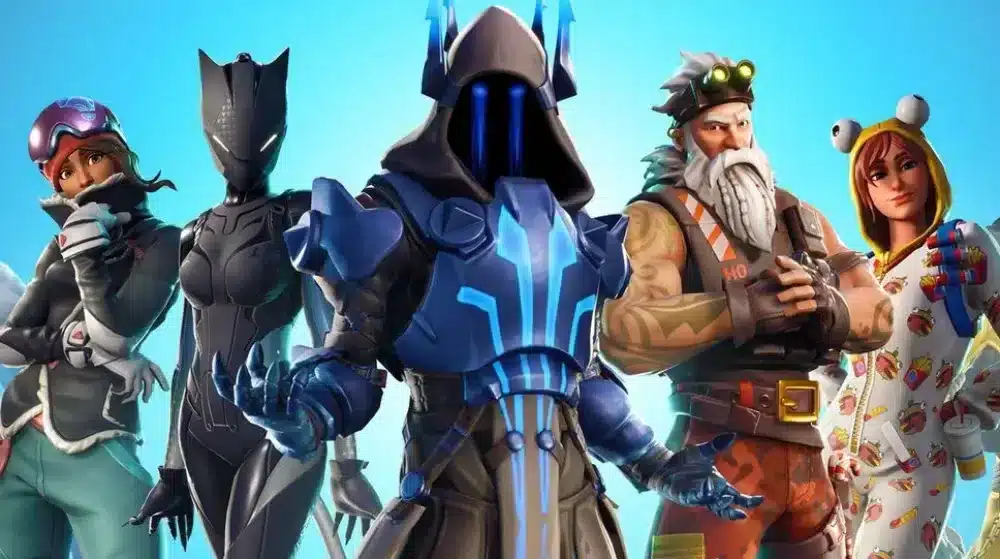
Choosing the best Fortnite skins for you is not the same as choosing the most famous skins. If you want a locker that feels personal and looks good in matches, focus on style strategy instead of trend chasing.
This is where a real cosmetics guide becomes useful.
Start with your visual identity
Ask yourself which style you enjoy most:
- Tactical / military
- Futuristic / sci-fi
- Mythic / fantasy
- Streetwear / urban
- Cute / playful
- Dark / intimidating
- Superhero / collab-driven
Once you know that, it becomes much easier to filter the coolest skins for your own locker.
Build around color themes
Color matching is one of the easiest ways to make any skin look better.
Try creating 3-5 locker themes:
- Black/gold
- Red/black
- Neon/purple
- White/blue
- Green/nature
Then pick skins that fit those themes and match back blings, wraps, and pickaxes. This makes even mid-tier outfits feel premium.
Test skins by actual in-match feel
A skin can look amazing in the shop preview and feel different in a real match.
Before calling something one of your best Fortnite skins, test:
- Day/night map visibility
- How it looks during movement and builds
- Whether accessories feel too busy
- Whether the combo still looks good in-game
This small step improves your skin rankings a lot because you are evaluating real use, not just screenshots.
Quick checklist for choosing the right skin
- I actually like the design (not just the hype)
- It matches at least 2-3 accessories I own
- It fits my preferred theme/style
- I enjoy using it in real matches
- I would still wear it next month
If you can check most of these, it is a strong pick for your personal Fortnite skins tier list.
How can you get the best Fortnite skins in 2026?
Getting the best Fortnite skins depends on the type of outfit you want. Some come through the Item Shop, some through passes, some through bundles, and some may be unavailable for long periods.
Fortnite’s web Item Shop and support pages confirm the main pathways for cosmetics access and purchases, including browser access to the Item Shop.
When you need the official baseline—what’s supported, what’s current, and where Epic points players for cosmetics info—go straight to the source. It keeps your guide grounded and avoids outdated assumptions from social posts. Keep the official Fortnite site as your reference for anything tied to availability, promos, or platform details.
Item Shop rotations
The Item Shop is the most common way to get many top cosmetics, especially returning favorites and collab items.
Rotations move fast, so it helps to check availability before you plan a full combo around one outfit. The simplest habit is a quick daily look to avoid buying “filler” while waiting for a real target. Use the official Fortnite Item Shop page to confirm what’s live and what’s bundled right now.
What to expect:
- Rotating daily offers
- Special bundles
- Event-related releases
- Returning fan favorites (not guaranteed)
- Limited-time promotions
Because of rotation behavior, patience matters. A skin not available today may return later.
Battle Pass and pass-related cosmetics
Battle Passes remain one of the biggest sources of iconic skins. Epic’s official pages also note that some future pass items may return to the shop after 18+ months, but this is not guaranteed.
This affects how players think about:
- “Must-buy now” pressure
- Long-term exclusivity
- Collecting strategy
- Value of pass-based outfits
Fortnite Crew and bundle options
Fortnite Crew includes a monthly pack with a new outfit and matching accessories, which can be a good route for players who want consistent cosmetics without chasing every rotation. Fortnite’s Crew page shows monthly outfit bundles and accessories included in the subscription.
This is useful if your goal is to steadily grow your locker with new looks and combo options.
Smart acquisition tips (without overspending)
If you are building a cosmetics guide strategy for yourself:
- Prioritize skins you will actually wear
- Build around a few themes first
- Avoid impulse buys during hype spikes
- Save V-Bucks for skins that fit your locker plan
- Consider combo value, not just the skin itself
The best Fortnite skins for your account are the ones you use often, not the ones you regret buying after one week.
Are superhero and collab skins among the best Fortnite skins?
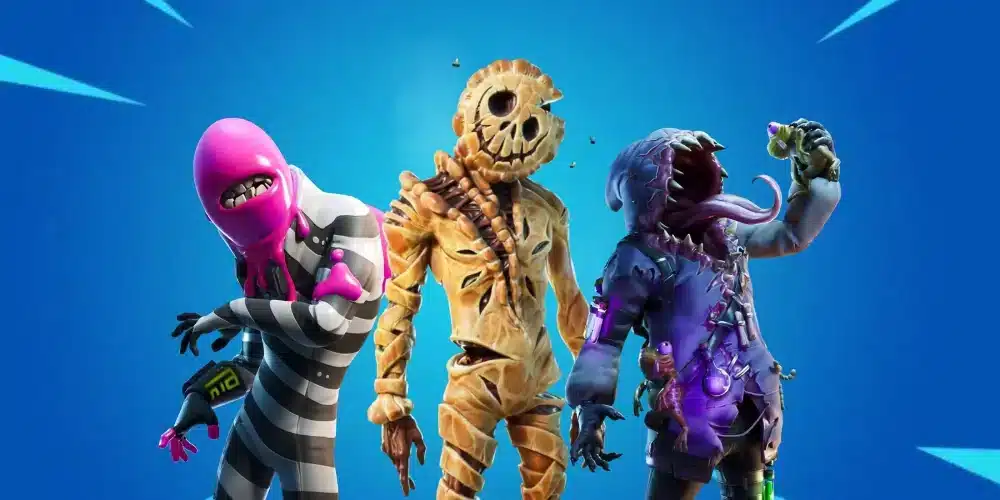
Yes, for a huge part of the player base, superhero and collab skins are absolutely among the best Fortnite skins. These cosmetics combine Fortnite’s style with characters people already love from movies, comics, anime, and games.
That gives collabs an advantage in emotional value.
Sometimes the “best” pick is the one that instantly signals your vibe—no explanation needed. That’s why meme-tier and pop-culture crossovers keep climbing skin rankings, even when they’re not rare. If you want a snapshot of how that plays out in the shop conversation, see the Mrs. Incredible Fortnite skin context.
Why collab skins rank so highly
Collab skins often perform well in skin rankings because they offer:
- Instant recognition
- Strong fandom appeal
- Unique themed accessories
- Event-related hype
- Collection prestige
For example, Spider-Man and Spider-Gwen are frequently mentioned in discussions about the coolest skins, especially for players who value superhero aesthetics and iconic silhouettes.
Do collabs always beat original Fortnite skins?
Not necessarily.
Original Fortnite skins still dominate many Fortnite skins tier list discussions because they often feel more connected to the game’s identity and lore. Characters like Midas, Drift, Lynx, and The Foundation remain powerful examples of Fortnite-specific design excellence.
So the better question is not “Which is better?” but:
- Do you want Fortnite identity?
- Or pop culture identity?
Both can produce some of the best Fortnite skins in the game.
How can ExitLag improve your experience with Fortnite cosmetics?
ExitLag does not change skins, unlock cosmetics, or affect the Item Shop. But it can improve the gameplay experience around using your favorite cosmetics by helping stabilize connection quality in supported scenarios.
That matters more than it sounds.
If you are using one of your best Fortnite skins in ranked matches, tournaments, or fast-paced public games, connection quality affects how the whole experience feels. A strong outfit looks even better when your match feels smooth and responsive.
Why connection quality matters even in a cosmetics-driven topic
Cosmetics are visual identity, but Fortnite is still a real-time online game. If you deal with lag spikes, jitter, or route instability, it can impact:
- Fight timing
- Building/editing flow
- Movement consistency
- Emote timing after eliminations
- Overall match confidence
So while ExitLag is not part of a cosmetics guide, it can improve the moment-to-moment experience of playing with your favorite skins.
Where ExitLag fits in a Fortnite routine
ExitLag can be useful when you want:
- More stable match sessions
- Fewer route-related connection spikes
- Better consistency during peak hours
- Smoother gameplay while recording clips or streaming
This is especially helpful for players who care about both style and performance. You can focus on your skin rankings, locker combos, and match flow without connection instability ruining the session.
What ExitLag helps with vs what it does not do
ExitLag may help with:
- Ping spikes
- Jitter
- Route-related instability
- Packet loss (supported scenarios)
ExitLag does not:
- Unlock skins
- Change rarity
- Improve aim or mechanics automatically
- Alter hitboxes or cosmetic behavior
It is a support tool for connection stability, not a cosmetic tool.
FAQ
There is no official single answer, but players often rank iconic originals (like Midas, Drift, or Black Knight) and top collabs (like Spider-Man variants) among the best Fortnite skins based on design, identity, and popularity. Your best list should reflect your own play style and taste.
Start by ranking skins across clear categories: design, rarity, combo potential, popularity, and personal use frequency. A good Fortnite skins tier list explains why each skin is ranked, not just where it lands.
No. Rare outfits have prestige and nostalgia, but newer skins may offer stronger visuals, better styles, or more combo flexibility. Rarity matters, but it should not be the only factor in skin rankings.
Usually a mix of silhouette, color palette, theme, and personality. The coolest skins are often the ones that feel instantly recognizable and still look great in multiple locker combinations.
Some older skins remain unavailable, but Epic has stated that items from future Battle Passes may return to the shop after 18+ months, with no guarantee of return. This policy affects how players think about exclusivity and collecting.
ExitLag does not affect cosmetics directly. It can help improve connection stability in supported scenarios, which may make matches feel smoother while using your favorite best Fortnite skins and combo setups.
Final thoughts
The best Fortnite skins are the ones that combine design, identity, and actual locker value for your play style. A smart approach is to use a personal Fortnite skins tier list, compare coolest skins by real in-match feel, and balance hype with practical combo choices. Over time, your own skin rankings will become much better than any generic list because they reflect how you actually play and what you enjoy.
Want your matches to feel as good as your locker looks? Choose the best Fortnite skins for your style, build stronger combos with a simple cosmetics guide mindset, and try ExitLag for smoother Fortnite sessions with more stable routing in supported scenarios.
Got questions or want to connect with other players? Join the conversation at the ExitLag Forum!


