

The Bf1 Battlefield challenges players with large-scale environments that require careful coordination between infantry, vehicles, and artillery. Every decision—from positioning to weapon choice—can shift the outcome of a match. By mastering terrain advantages and class synergies, players can dominate key objectives and control the flow of battle.
In addition, the Bf1 Battlefield offers a wide variety of weapons and gadgets tailored to each class. From precise rifles for scouts to explosive devices for assault units, understanding weapon mechanics and recoil patterns is crucial. Players who adapt their loadouts based on team strategy and map layout gain a significant advantage over opponents.
Furthermore, the Bf1 Battlefield promotes dynamic gameplay with diverse modes and objectives. Conquest, Operations, and Domination modes encourage both aggressive and tactical playstyles, rewarding teamwork and coordination. By learning how to switch strategies on the fly, players maximize their effectiveness and contribute meaningfully to their squad’s success.
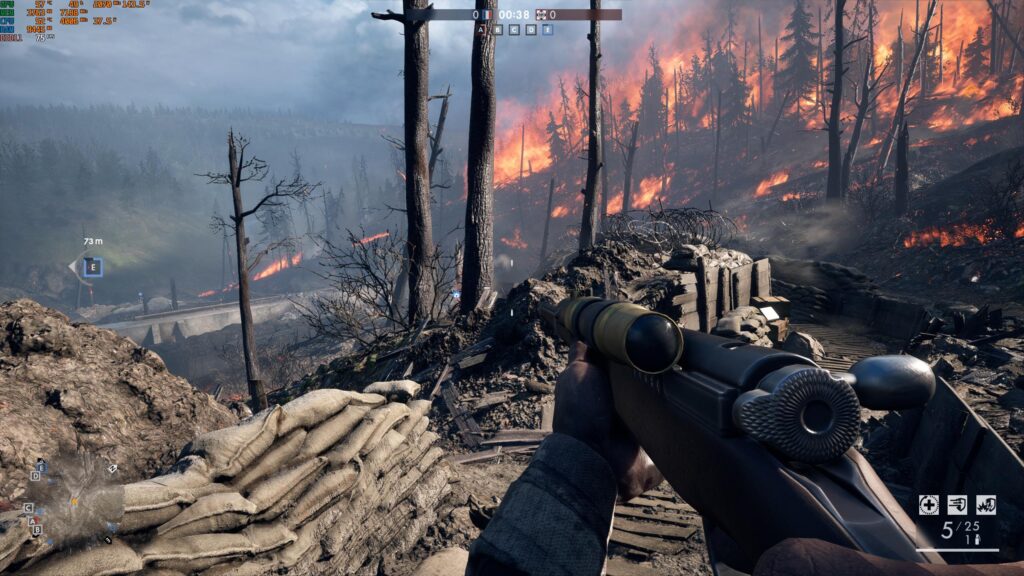
Why Map Knowledge is Essential in BF1 Battlefield
Moreover, mastering the Bf1 Battlefield requires thorough knowledge of map layouts. Knowing chokepoints, cover spots, and vehicle spawns can drastically improve survival rates. Experienced players often use this knowledge to anticipate enemy movements, giving their team the upper hand in critical moments.
Battlefield 1 Multiplayer Dynamics
One of the most notable aspects of Battlefield 1 multiplayer is its blend of large-scale chaos and squad-based precision. Unlike other shooters, success comes from teamwork and adapting to changing combat scenarios. Whether defending objectives or storming enemy positions, cooperation ensures long-term victories.
Essential Gameplay Tips for Beginners
Interestingly, new players often overlook small details that greatly impact performance. Applying structured Gameplay tips can make all the difference:
- Stay with your squad to maximize survival and team synergy.
- Always spot enemies for teammates instead of engaging recklessly.
- Balance aggression with defensive strategies.
- Use cover effectively rather than sprinting into open areas.
- Learn recoil patterns to improve aim stability.
Importance of Objective Play
Players who focus on capturing and defending objectives contribute more to team success than those chasing individual stats. Prioritizing teamwork over kill counts ensures consistent victories.
Weapon Proficiency and Adaptation
Mastering different weapons allows players to adjust to any combat scenario. Switching between rifles, SMGs, and support weapons depending on the map keeps gameplay versatile and effective.
Survival Habits for Longer Gameplay
Maintaining longevity on the battlefield requires discipline and awareness. By adopting specific habits, players increase their chances of staying alive and contributing more to their team’s success. Consider these survival tips:
- Always reload after engagements to avoid being caught off-guard.
- Move unpredictably to make yourself harder to target.
- Stay near cover to minimize exposure in open fields.
Team Synergy in Close Combat
When fights move into trenches or buildings, squads must stay tightly coordinated. Sharing responsibilities like healing, resupplying, and covering corners prevents unnecessary losses.
Long-Range Engagement Tactics
Snipers and marksmen thrive in open environments, but success requires patience and precision. Spotting enemies for teammates while maintaining cover ensures dominance from afar.
Essential Communication Tips
Teamwork becomes far more powerful when players communicate clearly and effectively. Sharing information allows squads to stay coordinated and avoid unnecessary risks. The following tips enhance communication in matches:
- Use voice chat or quick commands to share enemy positions.
- Notify teammates about available health or ammo.
- Coordinate pushes instead of rushing objectives alone.
Balancing Aggression and Patience
Overly aggressive players often get eliminated quickly, while overly cautious ones may miss key opportunities. Striking the right balance is critical to maintaining momentum across matches.
Key Strategies for Map Awareness
To succeed consistently, players must learn how to navigate environments effectively. Positioning and awareness often make the difference between victory and defeat. Here are some strategies to improve map awareness:
- Study spawn points to anticipate enemy movements.
- Control chokepoints that limit enemy advancement.
- Rotate between objectives instead of camping in one area.
- Use vehicles wisely to dominate open sections.
Using Terrain for Tactical Advantage
Smart players exploit natural and structural cover to outmaneuver enemies. Hills, trenches, and urban ruins all provide valuable opportunities for ambushes and defensive strategies.
Role of Classes and Specializations
Each class has unique strengths that complement others on the battlefield. Understanding their roles ensures a well-rounded team strategy.
- Medic: Revives and heals teammates to maintain squad presence.
- Support: Provides ammo and suppressive fire to keep pressure on enemies.
- Scout: Offers reconnaissance and long-range eliminations.
- Assault: Destroys vehicles and excels in close combat.
Table: Class Comparison for BF1 Multiplayer
| Class | Primary Role | Key Strengths | Best Scenarios |
| Assault | Anti-vehicle combat | Explosives, SMGs | Urban areas, vehicle-heavy zones |
| Medic | Healing & revives | Self-heal, revive ability | Objective-focused battles |
| Support | Ammo & suppression | Heavy firepower, resupply | Defensive play, long engagements |
| Scout | Recon & long-range fire | Sniping, spotting enemies | Open terrain, long sightlines |
Optimizing Loadouts for Better Performance
Consequently, building the right loadout is key for maximizing efficiency. Players must adapt weapon selection, gadgets, and grenades depending on the scenario. An optimized loadout not only boosts survivability but also allows squads to control objectives more effectively.
Understanding Map Strategies
Equally important, mastering Maps creates consistent opportunities for victory. Knowing alternate routes and high-ground advantages can turn battles in your favor. Players who understand how terrain impacts combat can anticipate ambushes and avoid common pitfalls.
Advanced Squad Communication
Furthermore, clear communication separates average players from great squads. Using quick commands, voice chat, or squad pings ensures that every team member knows their role. This level of coordination makes securing objectives significantly easier.
Vehicles as Game-Changers
Vehicles dramatically shift the pace of multiplayer matches. Teams with effective pilots and drivers can dominate the battlefield by controlling mobility and firepower. However, reckless vehicle use often leads to quick defeats, highlighting the importance of strategic positioning.
Bullet Point Strategy Tips
- Always prioritize objectives over individual kill counts.
- Use flanking routes to surprise enemy defenses.
- Support teammates with revives and resupplies whenever possible.
- Learn when to push aggressively and when to defend.
Effective Resource Management
Additionally, managing health, ammo, and gadgets ensures long-term combat readiness. Medics and support roles are essential for sustained squad survival, while individual players must keep track of their personal resources during prolonged engagements.
Optimal Loadout Selection
Choosing the right weapons and gadgets is crucial for adapting to different battlefield scenarios. Consider these points when customizing your loadout:
- Match weapons to your preferred combat range (short, mid, long).
- Equip gadgets that complement your role in the squad.
- Experiment with different attachments to find the optimal combination.
Defensive Positioning Tips
Maintaining strong defensive positions can turn the tide of a match. To improve survivability:
- Take advantage of natural cover like walls, trenches, and debris.
- Avoid open areas unless necessary for objectives.
- Rotate positions to prevent being flanked by enemies.
Offensive Strategies for Objective Control
Aggression is necessary when securing objectives, but it must be controlled and coordinated. Consider these approaches:
- Push with teammates rather than alone.
- Clear enemy defenses systematically before advancing.
- Use vehicles strategically to breach fortified positions.
Squad Coordination Essentials
Working effectively as a team enhances every engagement. Key behaviors include:
- Communicate threats and opportunities quickly.
- Revive or heal squad members to maintain frontline strength.
- Support teammates’ advances with suppressive fire or spotting.
Understanding Class Roles
Each class in multiplayer has a distinct role, and understanding these differences is key to team success. Assault units excel at close-range combat, while Medics provide essential support to keep squads alive. Scouts can gather information and pick off targets from a distance, and Support classes supply ammunition and heavy firepower. Mastering each class’s strengths and weaknesses allows players to adapt to dynamic battlefield conditions.
Adapting to Dynamic Maps
Multiplayer environments are designed to encourage strategic thinking and fluid gameplay. Players must adjust their approach depending on the terrain, objectives, and enemy movement. Urban areas favor close-quarter engagements, while open fields reward long-range precision. By continuously observing the battlefield and responding to changes, players can anticipate threats, exploit weak points, and secure objectives more effectively.
Balancing Aggression and Caution
Success often comes from knowing when to engage and when to retreat. Overly aggressive players risk frequent deaths, while overly cautious ones may fail to complete objectives. Experienced players find a balance, pushing forward when support is available and falling back to regroup when outnumbered. This balance enhances survivability, maintains team cohesion, and increases the likelihood of dominating each round.
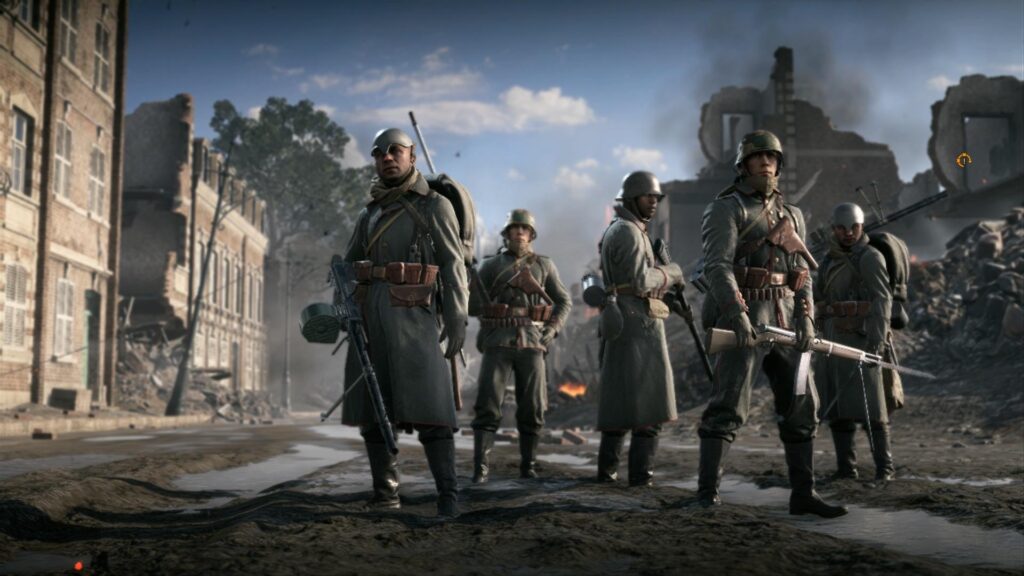
Efficient Resource Management
Managing ammunition, health, and equipment is critical during prolonged battles. Players can improve efficiency by:
- Scavenging supplies from fallen enemies.
- Sharing resources with teammates in need.
- Planning reloads and gadget usage around objectives.
Conclusion
Finally, thriving in multiplayer requires patience, adaptability, and constant learning. Players who invest time in studying mechanics, practicing aim, and coordinating with squads will notice dramatic improvements.
In conclusion, success in the Bf1 Battlefield depends on combining smart tactics, optimized loadouts, and effective communication. By applying structured strategies and adjusting to terrain and combat dynamics, players can elevate their skills and dominate multiplayer battles with confidence.
Got questions or want to connect with other players? Join the conversation at the ExitLag Forum!