BitCraft represents one of the most ambitious attempts to redefine what a massively multiplayer online world can be. Unlike traditional MMOs built around combat loops, quest chains, and instanced zones, this project focuses on something far more fundamental: a living, persistent civilization shaped entirely by players.
This guide explores everything about BitCraft, including its systems, design philosophy, multiplayer structure, development roadmap, and the upcoming Age of Automata expansion. Whether you’re following the BitCraft MMO evolution, researching the BitCraft game release, analyzing BitCraft gameplay, exploring the BitCraft sandbox philosophy, or understanding BitCraft multiplayer dynamics, this article covers it in full depth.
What is BitCraft?
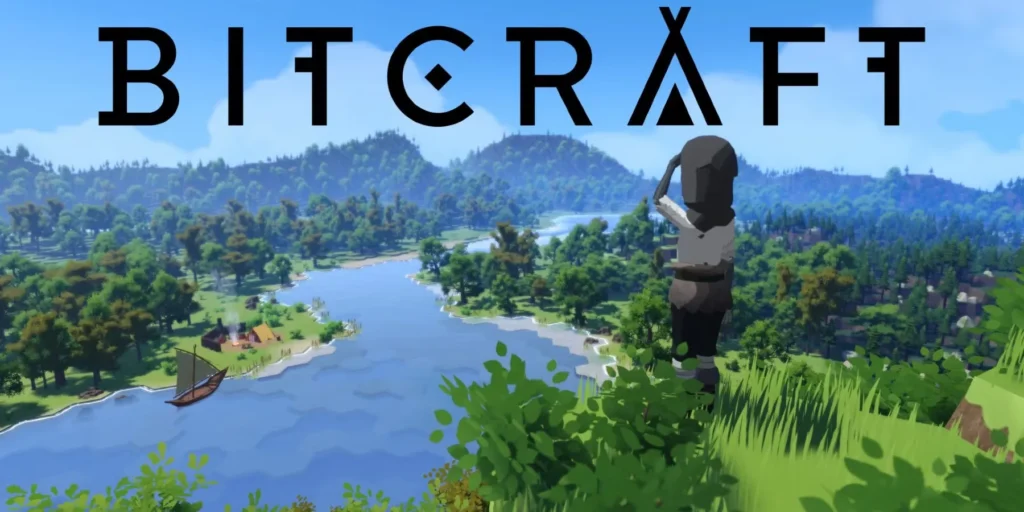
BitCraft is a massively multiplayer sandbox MMO developed by Clockwork Labs that removes nearly every traditional MMO structure and replaces it with a player-driven civilization simulator.
Instead of following scripted progression systems, players shape the world through survival, crafting, exploration, trade, governance, and cooperation.
At its core, BitCraft is built around a radical idea:
The world does not exist for the player. The players are the world.
Core Pillars of the Experience
BitCraft is defined by five foundational systems:
- A fully player-driven economy
- A single shared persistent world (no shards or copies)
- Skill-based progression without XP levels
- Exploration-driven discovery systems
- Social governance and political simulation
There are no NPC merchants, no traditional quest hubs, and no artificial progression loops. Everything in the world is either created, traded, or discovered by players themselves.
BitCraft MMO Design Philosophy
The BitCraft MMO concept is not about combat or competition alone—it is about emergent civilization-building. The design philosophy can be summarized as:
- No predefined hero roles
- No forced class systems
- No linear progression paths
- No static economy
Instead, players organically become specialists through repetition and mastery. A farmer becomes essential to a city. A builder becomes a structural backbone. A trader becomes a regional power broker.
This philosophy creates a deeply social environment where reputation and cooperation matter more than mechanical power.
BitCraft Sandbox Structure
The BitCraft sandbox design removes artificial boundaries and replaces them with systemic interactions.
Key Sandbox Features:
- Terrain shaped by exploration and settlement
- Resources distributed dynamically across regions
- Player-built infrastructure defines travel and trade routes
- Cities evolve from small camps into megacities
The sandbox is not decorative—it is functional. Every tree cut, building placed, or road constructed changes the balance of the world economy.
BitCraft Multiplayer World Design
The BitCraft multiplayer system is one of the most ambitious parts of the game. Instead of instanced servers or regional shards, BitCraft runs on a single shared world.
What this means:
- Every player exists in the same universe
- Trade routes span continents
- Political decisions affect global systems
- Migration patterns shape regional economies
This creates a persistent political ecosystem where alliances, betrayals, and economic dominance are visible across the entire world.
BitCraft Gameplay Overview
The BitCraft gameplay loop is not structured around quests or missions. Instead, it revolves around natural player behavior:
- Explore to find resources
- Craft to create tools and infrastructure
- Trade to expand influence
- Build to establish settlements
- Govern to maintain civilization stability
Progression is entirely skill-based. The more you perform an activity, the more proficient you become.
BitCraft Release Timeline
The BitCraft game release process has been gradual, focusing on long-term development and iterative testing rather than a single launch moment.
Development Milestones
| Year | Phase | Description |
| 2021 | Announcement | Initial reveal and vision presentation |
| 2022 | Early Testing | Small-scale alpha systems introduced |
| 2023 | Expansion Testing | Social systems and crafting expanded |
| 2024 | World Systems | Large-scale map and settlement systems |
| 2025 | Age of Automata Reveal | First major thematic expansion |
As of 2026, the game remains in extended pre-launch development phases, with closed testing and community access expanding gradually.
Exploration and World Generation
Exploration is one of the strongest pillars of BitCraft.
Features include:
- Fog-of-war discovery system
- Player-driven map revelation
- Natural landmarks and resource nodes
- Ruins tied to historical lore
The world is not fully known at the start. Instead, it becomes visible through exploration and collective mapping.
Crafting and Economy Systems
The economy in BitCraft is entirely player-based.
Key mechanics:
- All tools and buildings are player-crafted
- Items degrade over time, creating demand cycles
- Resources vary by region
- Trade routes emerge naturally
This creates a living economic system where scarcity, specialization, and logistics matter more than combat rewards.
Building and Settlement Progression
Settlement development follows a natural evolution:
- Campfire settlements
- Small villages
- Regional towns
- Industrial cities
- Megacities with governance systems
Each stage requires coordination, resources, and political structure.
Core Systems Overview
| System | Description | Player Impact |
| Economy | Fully player-driven trade network | High |
| Crafting | Skill-based production system | High |
| Building | Progressive settlement creation | Very High |
| Politics | Player governance structures | Very High |
| Exploration | Discovery-based world mapping | Medium |
| Diplomacy | Alliances and trade relations | High |
Social Structures and Governance
Cities are not just hubs—they are political entities.
Governance Models:
- Democracy (player voting systems)
- Autocracy (single ruler control)
- Technocracy (skill-based leadership)
Cities can enforce laws, taxes, and trade agreements. Leadership is not permanent and can be challenged.
Reputation and Social Memory
Reputation is persistent and public.
- Voting records are visible
- Trade behavior influences trust
- Betrayals affect long-term diplomacy
- Public actions shape legacy
This creates a world where social accountability matters as much as mechanical skill.
Age of Automata Expansion
The Age of Automata is a major narrative and systems expansion in BitCraft.
It introduces industrial transformation and ideological conflict across the world.
Core Narrative Direction:
- Ancient machines begin reactivating
- Players must choose between nature and automation
- New crafting systems based on engineering emerge
This expansion shifts the game from pure survival sandbox into civilization-scale decision-making.
Automation Systems
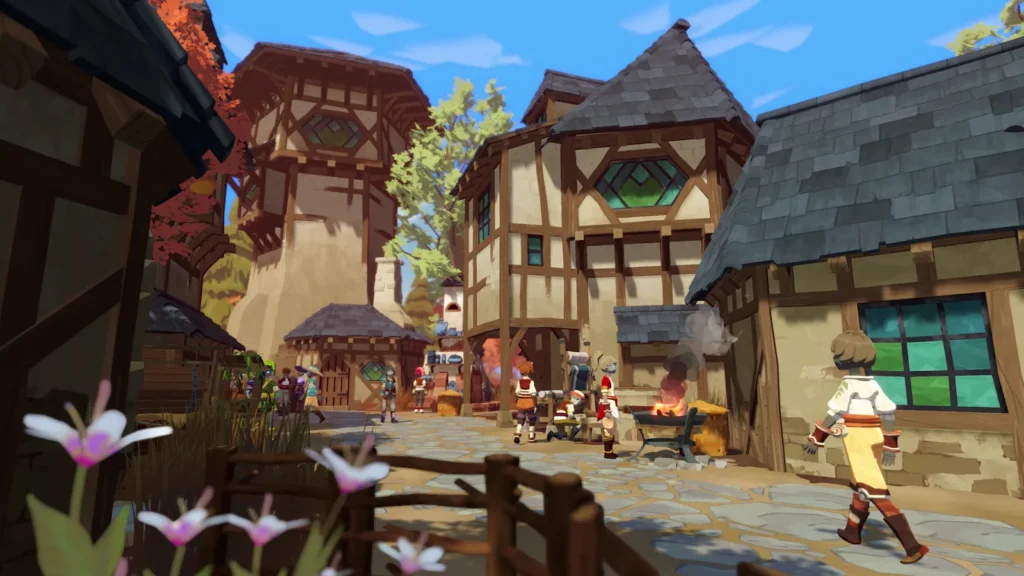
Automation introduces large-scale production capabilities.
Key components:
- Blueprint-based manufacturing systems
- Energy conversion hubs
- Autonomous production chains
Automation increases efficiency but reduces player dependency, creating political tension between industrial cities and traditional settlements.
Environmental Simulation
The world reacts dynamically to player actions.
Environmental consequences:
- Deforestation affects climate zones
- Over-mining reduces resource regeneration
- Industrial zones impact nearby farming quality
Players must balance progress with ecological sustainability.
City Governance and Infrastructure
Cities operate like real political entities.
Infrastructure Systems:
- Zoning for agriculture, housing, industry
- Power distribution networks
- Logistics and production chains
Political Systems:
- Taxation policies
- Voting systems
- Civic contracts
Cities can collapse if mismanaged, redistributing populations and resources.
Diplomacy and Faction Politics
Diplomacy is a core gameplay layer.
- Alliances form trade blocs
- Embargoes function as economic warfare
- Reputation determines negotiation power
Political conflict often replaces direct combat as the primary form of competition.
Server-Wide Events
Large-scale world events are triggered by global conditions.
Examples:
- Megastructure construction races
- Factional ideological wars
- Economic collapse scenarios
These events require coordination across entire regions.
BitCraft Sandbox Evolution Over Time
The BitCraft sandbox evolves dynamically based on player activity.
- Cities reshape geography
- Trade routes redefine exploration
- Resource depletion shifts economic hubs
The world is never static—it is continuously rewritten by its population.
Optimization and Connectivity Considerations
Because BitCraft runs as a single shared world, network performance is critical.
Tools like ExitLag are often discussed in MMO communities for improving routing stability and reducing latency during high-population events.
Benefits coMMOnly associated:
- More stable connections during peak hours
- Reduced packet loss in large cities
- Smoother synchronization in large-scale systems
While gameplay is not combat-focused, responsiveness is still crucial for trade, governance, and building interactions.
Economic Complexity and Trade Systems
Trade in BitCraft is not optional—it is foundational.
- Regional scarcity creates trade demand
- Transport routes become strategic assets
- Cities specialize in production chains
Over time, entire regions may become known for specific industries, such as metallurgy, agriculture, or automation engineering.
Ethical Decision-Making in Automation Era
The Age of Automata introduces moral dilemmas:
- Should forests be preserved or industrialized?
- Is efficiency worth environmental decay?
- Who controls automated production networks?
These questions shape not just gameplay outcomes but world stability.
Political Conflict and Information Warfare
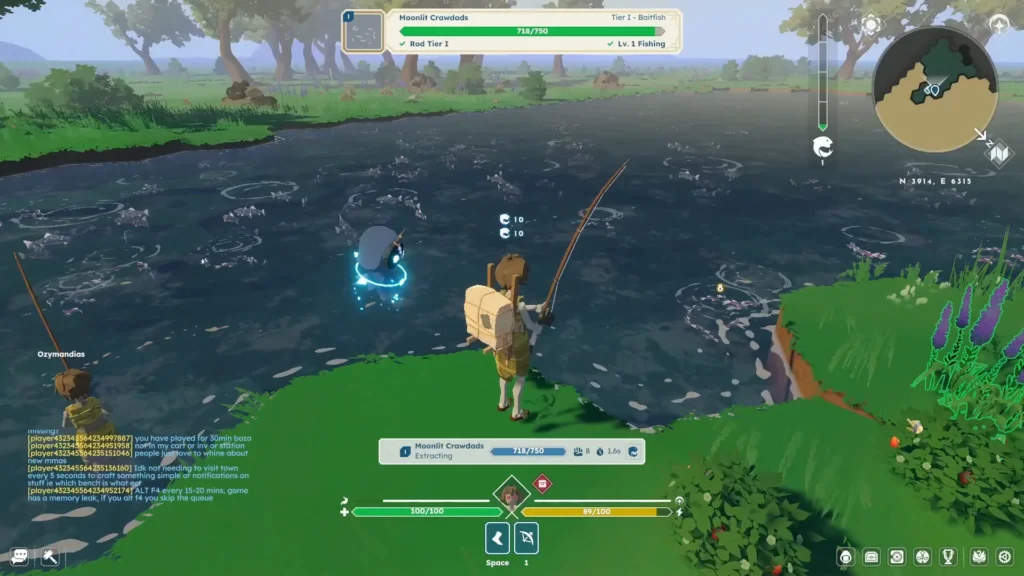
Conflict is often indirect:
- Propaganda campaigns between factions
- Economic embargo manipulation
- Reputation-based influence systems
Players must manage both perception and logistics.
Final Thoughts On BitCraft
BitCraft represents a rare direction in MMO design: one that prioritizes society over spectacle. For those wanting to improve your experience in the game even more, you can count on tools like ExitLag, which allow you to have optimized performance and reduced lag.
Frequently Asked Questions
It is a sandbox MMO focused on civilization-building, crafting, and social simulation rather than combat progression.
No. Progression is skill-based through repetition and practice.
It has no NPC economy, no quests, and no instanced world structure.
All players exist in one shared persistent world with no shards or servers.
A major expansion introducing automation systems, ideological conflict, and industrial transformation.
No. Economic, social, and political systems are the core gameplay loops.
Got questions or want to connect with other players? Join the conversation at the ExitLag Forum!