

Opening weapon containers remains one of the most thrilling activities in Counter-Strike. Every player dreams of striking gold with a rare special item while unboxing classic Csgo Cases.
Understanding the mechanics behind Csgo Cases gives you a massive strategic advantage before spending your hard-earned funds. Smart unboxing requires careful planning, deep knowledge of loot tables, and precise market awareness.
Opening Csgo Cases involves purchasing a specific container alongside its matching key to reveal a randomized cosmetic skin graded by wear, rarity, and market demand. Knowing exact drop odds and container contents ensures you spend your funds wisely.
- Every weapon container requires a dedicated virtual key to unlock.
- Item rarities range from common Mil-Spec finishes to ultra-rare knives or gloves.
- Weapon conditions alter visual wear from Factory New to Battle-Scarred.
- Market liquidity dictates whether opening containers yields long-term trade value.
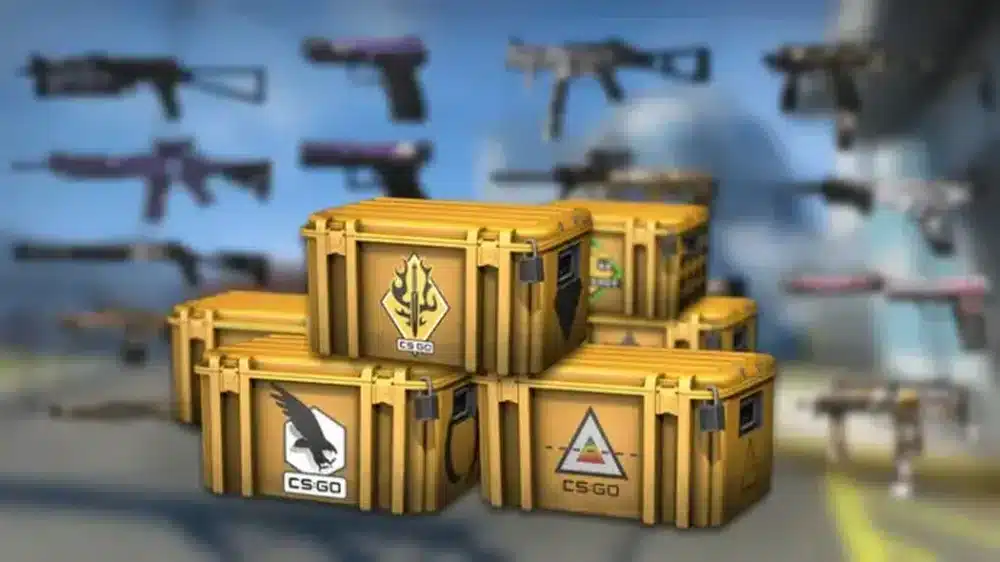
Understanding Csgo Cases Odds And Container Mechanics
Every container operates under strict mathematical probabilities defined by the game architecture. Therefore, knowing these odds helps you manage expectations and avoid costly mistakes.
Each unboxing event triggers a server-side roll that determines rarity, exterior wear, StatTrak availability, and pattern index. Consequently, understanding this process protects your wallet.
How Case Odds Work In Practice
Official drop tables state that the chance of receiving a Mil-Spec Blue skin is approximately 79.92 percent. Restricted Purple skins follow at roughly 15.98 percent.
Classified Pink skins sit at approximately 3.19 percent, while Covert Red skins appear at a slim 0.64 percent. Rare Special Items like knives and gloves land at roughly 0.26 percent.
- Blue (Mil-Spec): Common baseline drops that populate the vast majority of openings.
- Purple (Restricted): Mid-tier finishes with moderate visual appeal and modest trade value.
- Pink (Classified): High-tier aesthetic weapon finishes with strong trade-up contract utility.
- Red (Covert): The most prestigious primary weapon skins available in standard containers.
- Gold (Special): Coveted knives and gloves with an unboxing probability of 1 in 385.
Exterior Wear And StatTrak Roll Mechanics
Beyond the rarity grade, the engine assigns an exact float value between 0.00 and 1.00. This float determines whether your weapon is Factory New, Minimal Wear, Field-Tested, Well-Worn, or Battle-Scarred.
Moreover, every unboxed item has an independent 10 percent probability of rolling as a StatTrak variant. StatTrak counters track confirmed competitive frags in real time.
- Factory New: Float range from 0.00 to 0.07 offering flawless paintwork.
- Minimal Wear: Float range from 0.07 to 0.15 featuring slight surface imperfections.
- Field-Tested: Float range from 0.15 to 0.38 balancing visual quality with affordability.
- Well-Worn: Float range from 0.38 to 0.45 displaying clear finish degradation.
- Battle-Scarred: Float range from 0.45 to 1.00 showing heavy abrasions and scratches.
Best Csgo Cases To Open For Value And Knives
Selecting the right container makes a tremendous difference in your return on investment. Some containers feature high-value Covert skins that offset bad unboxing streaks.
Other classic weapon cases contain top-tier knife finishes like Dopplers, Marble Fades, and Butterfly Knives. Let us explore the finest containers available today.
Premium Options For Maximum Returns
The Dreams & Nightmares Case offers stunning community artwork alongside the iconic Butterfly, Huntsman, and Falchion knives. Consequently, it remains a favorite among serious collectors.
Similarly, the Revolution Case provides high-tier Covert weapon finishes like the M4A4 Temukau and AK-47 Head Shot. Therefore, opening this container provides excellent skin variety.
- Dreams & Nightmares Case: Features top finishes and high-tier knife finishes.
- Revolution Case: Delivers vibrant anime-inspired rifle skins and specialist gloves.
- Recoil Case: Contains clean weapon finishes alongside highly coveted Broken Fang gloves.
- Fracture Case: Provides affordable entry costs paired with sought-after Skeleton knives.
The Role Of The Original Csgo Weapon Case
Collectors frequently discuss legacy containers like the iconic Csgo Weapon Case from early game eras. Because these containers are discontinued from standard active drops, their scarcity increases constantly.
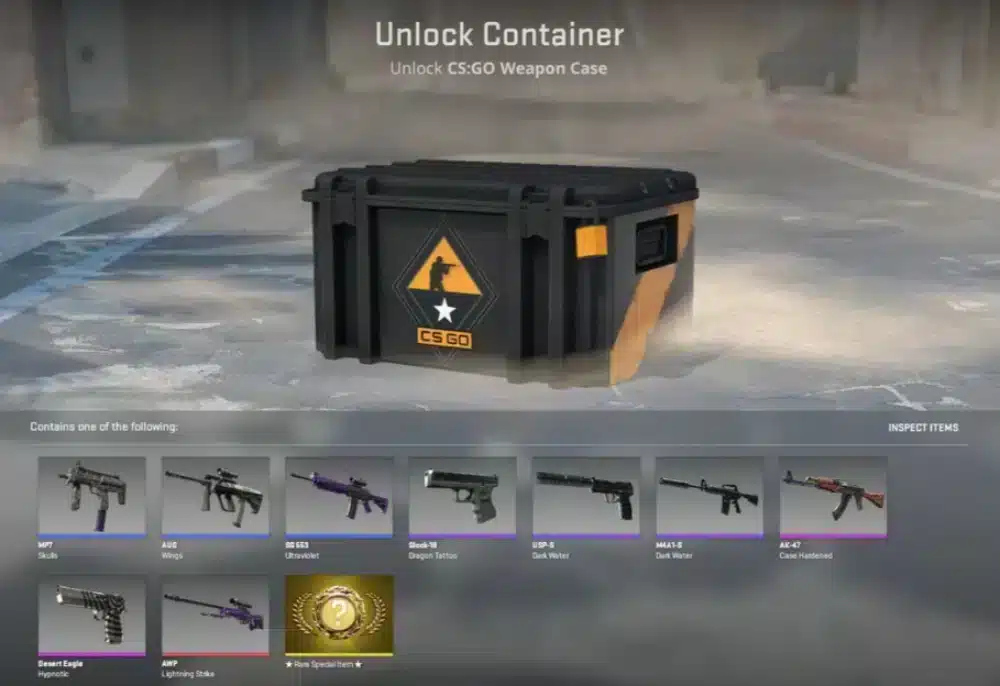
Unboxing a legacy Csgo Weapon Case can yield legendary skins like the AK-47 Case Hardened. However, high entry prices mean unboxing them carries significant financial volatility.
- Check Market Liquidity: Ensure the container has steady daily trading volume before purchasing.
- Evaluate Floor Value: Calculate the average return from low-tier Mil-Spec drops.
- Inspect Knife Pools: Verify that the rare special item pool matches your aesthetic targets.
| Case Name | Primary Knife / Glove Pool | Top Covert Finish | Estimated Volatility |
| Dreams & Nightmares | Butterfly, Huntsman, Bowie | AK-47 Nightwish | Medium |
| Revolution | Driver, Hand Wraps, Specialist | M4A4 Temukau | Low |
| Fracture | Skeleton, Nomad, Paracord | Desert Eagle Printstream | Medium |
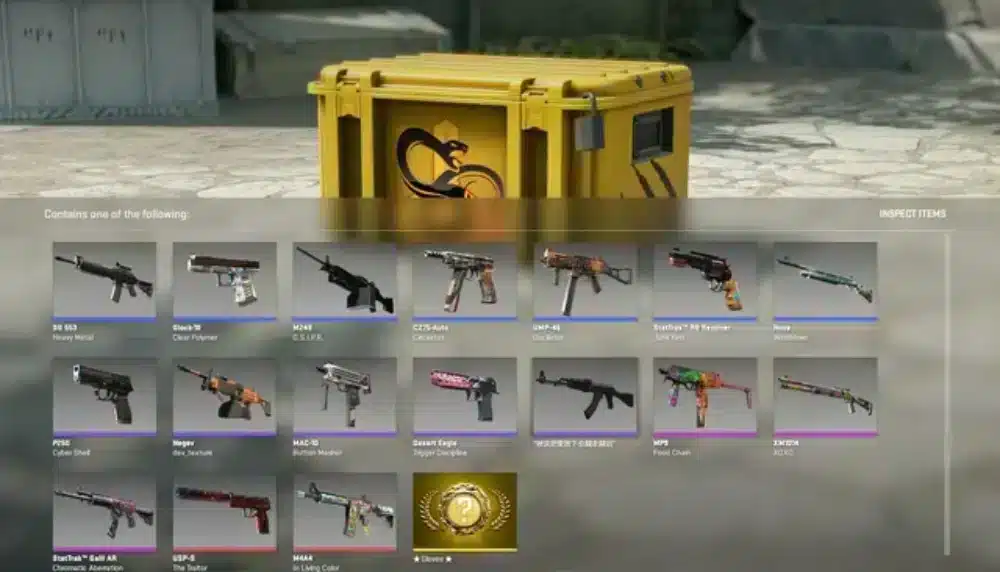
| Snakebite | Specialist, Broken Fang | USP-S The Traitor | Low |
| Weapon Case 1 | Karambit, Bayonet, Flip | AK-47 Case Hardened | Extreme |
Simulating Unboxings With A Csgo Case Simulator
Before spending actual cash on keys, smart players rely on practice tools. Testing outcomes helps you visualize the true mathematics behind randomized loot pools.
Using a dedicated Csgo Case Simulator lets you experience thousands of unboxings without spending a dime. Thus, you can track real drop distributions over massive sample sizes.
Why You Should Use A Csgo Case Opener Tool
A virtual Csgo Case Opener reproduces authentic opening odds and sound effects in your web browser. This simulation allows you to test specific strategies and observe statistical variance firsthand.
Furthermore, running multiple simulated sessions demonstrates how quickly key costs accumulate. As a result, you gain practical discipline before interacting with real market balances.
- Simulate unlimited openings across active and discontinued cases.
- Track aggregate spend versus total unboxed inventory market value.
- Experience authentic unboxing animations without financial commitment.
- Understand why rare special items appear infrequently over long sessions.
Practicing With A Csgo Case Clicker Game
Another enjoyable way to experience the container ecosystem is playing an interactive Csgo Case Clicker. These minigames combine unboxing mechanics with incremental progression systems.
Players can build virtual inventories, complete simulated trade-up contracts, and upgrade their unboxing ranks. Consequently, clicker apps offer harmless entertainment for skin enthusiasts.
- Tap To Earn: Generate virtual currency through regular interactive clicking tasks.
- Unlock Containers: Spend generated points on premium simulated containers.
- Execute Trade-Ups: Combine ten lower-tier skins into higher-grade collector weapons.
Are Third-Party Csgo Case Opening Sites Safe To Use?
Many players explore alternative platforms beyond official in-game opening features. However, navigating external websites requires extreme caution and due diligence.
Understanding the distinctions between official systems and independent Csgo Case Opening Sites protects your account integrity. Let us analyze how these platforms operate.
Understanding Platform Risks And Mechanics
Third-party websites often feature custom unboxing pools, skin battles, and instant item upgrades. While these features seem exciting, external platforms carry distinct operational risks.
In addition, third-party sites are not governed by Valve Corporation. Therefore, you must exercise extreme vigilance whenever authenticating your Steam credentials on external platforms.
- Verify platform licensing, user reviews, and domain security before depositing.
- Always enable multi-factor Steam Guard authentication on your master profile.
- Never click suspicious trade offer links sent by unverified third-party bots.
- Remember that skin withdrawal availability depends entirely on platform inventory liquidity.
What Makes A Skin Platform Trustworthy?
Reliable skin platforms implement provably fair cryptographic verification systems. These algorithms allow users to verify that outcome rolls were not tampered with post-spin.
Additionally, established websites maintain responsive customer support teams and transparent withdrawal terms. As a result, responsible users always research platform reputations beforehand.
- Provably Fair Validation: Verify individual roll hashes using public seeds.
- Instant Skin Withdrawals: Choose platforms with direct peer-to-peer or automated bot transfers.
- Transparent Fees: Avoid websites with hidden transaction deductions or complex withdrawal limits.
Pro Tips: Maximizing Container Strategy
- Set Strict Budgets: Establish an unboxing budget beforehand and never chase consecutive losing spins.
- Utilize Trade-Up Contracts: Recycle redundant Mil-Spec and Restricted skins to pursue high-value Covert upgrades.
- Monitor Community Updates: Follow official market changes to capitalize on newly released case collections immediately.
- Buy Direct When Seeking Specifics: Purchase your desired weapon skin directly on the market rather than gambling on low unboxing odds.
Common Mistakes Csgo Cases Players Make
- Opening Outdated High-Cost Cases: Many players buy expensive discontinued containers expecting guaranteed profit. Fix: Open actively dropping cases with low barrier costs to maximize your total roll attempts.
- Ignoring Trade-Up Value: Beginners often sell cheap blue skins for pennies without checking their float value. Fix: Check float values on every blue drop to find low-float materials for profitable trade-up contracts.
- Chasing Losses Aggressively: Unsuccessful unboxers frequently double their key purchases to recover previous spending. Fix: Stick to predetermined session limits and stop unboxing once your allocated budget expires.
Optimize Your Tactical Performance With ExitLag
Unboxing rare skins feels incredible, but executing crisp headshots in competitive matchmaking requires perfect network stability. Nothing ruins a fresh skin showcase like stuttering, jitter, and sudden ping spikes.
ExitLag delivers advanced network optimization engineered specifically for competitive tactical shooters. By constantly analyzing routing pathways, it routes your game traffic through the most stable connections available.
Moreover, ExitLag features proprietary Multipath Technology that transmits data packets simultaneously across multiple routes. If a single internet path encounters congestion, backup routes deliver your inputs seamlessly without packet loss.
Additionally, competitive players benefit from Traffic Shaper and PC Boost tools that optimize background system resources. You can enhance your competitive sessions and secure low-latency routing right now by trying yourExitLag Download today.
Frequently Asked Questions About Csgo Cases
Mastering the case ecosystem involves understanding key mechanics, drop rotations, and inventory economics. Here are answers to common questions players ask about containers.
Can You Make Consistent Profit Opening Cases?
Statistically speaking, unboxing containers yields a negative expected value over large sample sizes. Because house odds favor the container system, most unboxings result in skins worth less than the key cost.
However, lucky players who hit rare knives, gloves, or pristine Covert finishes can achieve massive short-term profits. Treating unboxings as entertainment rather than an investment strategy remains essential.
- House edge ensures long-term return on investment stays below 100 percent.
- High-tier Covert items and knives drive the overwhelming majority of container value.
- Smart trading and patient market investing generally yield far safer returns than unboxing.
How Do Active Case Drops Work Today?
Players earn weekly care packages simply by leveling up their profile rank through regular gameplay. These packages allow you to select your preferred rewards from a randomized pool.
Typically, the package presents two weapon containers alongside graffiti or skin options. The active drop pool rotates periodically whenever new operations or seasonal cases arrive.
- Earn Experience Points: Play official competitive, casual, or deathmatch game modes to gain rank XP.
- Claim Weekly Care Package: Select your case and complementary skin reward upon weekly rank-up.
- Decide Action: Choose between selling the dropped container on the Steam Community Market or buying a key to open it.
Opening Csgo Cases remains a thrilling part of tactical shooter culture. Whether you prefer simulating runs, hunting rare knives, or trading on the market, understanding the odds ensures a rewarding experience with your favorite Csgo Cases today.
All game images used in this blog post belong to Valve Corporation. They are used for informational and educational purposes only and do not imply endorsement or affiliation with the rights holders.
Got questions or want to connect with other players? Join the conversation at the ExitLag Forum!

