

Cypher is one of the smartest agents in VALORANT, and that’s exactly why so many players love him. If you enjoy controlling the map, reading opponents, and winning rounds with information instead of pure aim, Cypher is built for you.
Cypher players don’t need to take risky duels to carry. Instead, they create a safety net for the team, deny flanks, and punish predictable pushes. Cypher also shines when you play calm, because your utility does a lot of the heavy lifting.
Cypher is an information and trap-based Sentinel in VALORANT, designed to gather intel, lock down bombsites, and punish enemies who rush without clearing. In other words, he’s all about vision, timing, and control.
In this Cypher guide, you’ll learn how his kit works, how to build reliable setups, and how to play him as a true anchor. Along the way, we’ll also cover why stable connection and clean utility timing can matter more than people think.
Cypher: What Makes Him a Top Sentinel in Valorant

Cypher fits the Sentinel role perfectly because he can protect space even when he isn’t physically there. That means you can hold a site, watch a flank, or enable teammates without over-rotating.
He’s especially strong on maps where information wins rounds. However, even on faster maps, he can slow the pace and force opponents to respect your utility.
Cypher’s Core Strengths
Cypher’s biggest advantage is control. With the right placement, you can turn a “free push” into a nightmare for attackers.
Key strengths include:
- Reliable information gathering;
- Strong site anchoring tools;
- Excellent flank security;
- Punishing utility that rewards patience.
Because of that, many teams rely on Cypher to stabilize chaotic rounds.
Cypher’s Common Weaknesses
At the same time, Cypher isn’t unbeatable. If you place utility carelessly, good teams will adapt quickly.
Typical weaknesses include:
- Utility can be pre-cleared or avoided;
- Requires strong timing and map knowledge;
- Needs good repositioning to stay unpredictable.
Still, once you master the fundamentals, Cypher becomes incredibly consistent.
Cypher Abilities: How His Kit Works and When to Use It
To play Cypher well, you must understand his toolset and the logic behind each ability. Instead of “using everything early,” the best approach is using utility to gather info and delay executes.
Trapwire
Trapwire is your core defensive tool. It’s not just a trap, it’s a decision-maker. Even when enemies destroy it, you gain valuable information.
Best uses include:
- Holding flanks on defense;
- Protecting your team’s back on attack;
- Creating “forced clears” at chokepoints.
Also, mix your placements. Predictable wires get pre-fired.
Spycam
Spycam is your “map advantage.” A well-placed camera gives your team early information and helps you call rotations faster.
Strong camera habits:
- Place it where it sees a key lane, not just a doorway;
- Avoid common pre-aim spots;
- Use it briefly, then exit to avoid being punished.
This is one of the reasons Cypher abilities feel so impactful in coordinated play.
Cyber Cage
Cyber Cage can deny vision and disrupt pushes. Even if it doesn’t directly kill, it can win time.
Use Cyber Cage to:
- Stall an execute;
- Create safe repositioning space;
- Break enemy crosshair placement.
Good Cypher players treat cages as tempo tools, not panic buttons.
Cypher Valorant: Defensive Fundamentals to Anchor Sites
A reliable Cypher Valorant defender wins rounds by being difficult to read. You want enemies to feel uncomfortable committing, because they never know what you’re watching.
First, choose a default setup that is safe. Then, change one element every round.
How to Anchor Without Overcommitting
Anchoring doesn’t mean dying on site. It means buying time and collecting info.
To do that, focus on:
- Playing off your utility instead of in front of it;
- Taking one safe duel, then falling back;
- Calling rotations early when your camera confirms presence.
If you survive, you can retake with cages and late utility.
A Simple Defense Loop
Here’s a repeatable mindset for consistent rounds:
- Place Trapwire to protect the most likely path;
- Put Spycam for early confirmation;
- Hold a safe angle that lets your utility trigger first;
- Cage to stall, then reposition;
- Communicate what you saw and what was broken.
Over time, this loop turns you into a reliable anchor.
Cypher Setups: Practical Trapwire and Camera Concepts
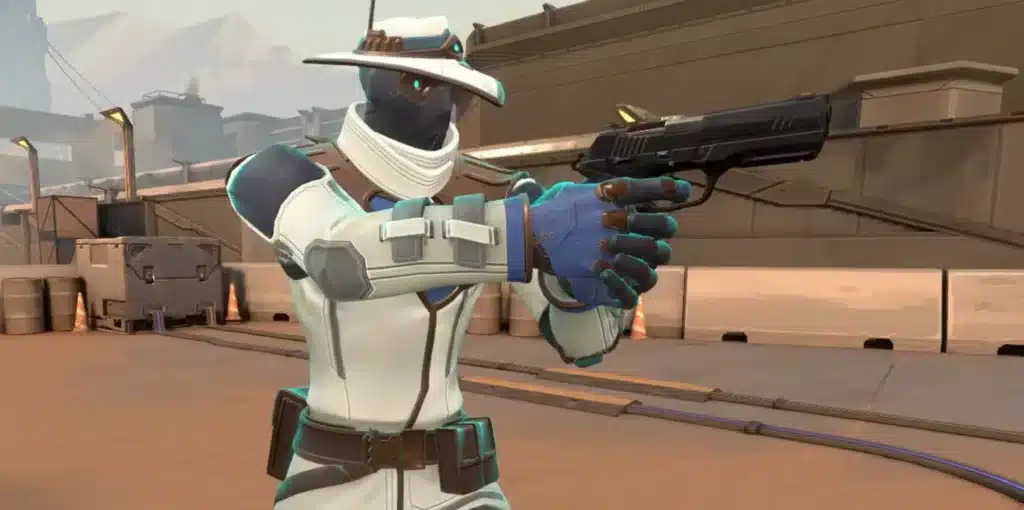
Strong Cypher setups aren’t about fancy “one-time tricks.” They’re about creating repeatable value. If you can build setups that work even when enemies expect them, you’ll rank up faster.
Setup Principles That Always Work
Instead of memorizing dozens of placements, learn a few principles:
- Place wires where enemies must look away from danger to clear them;
- Combine camera vision with wire pressure;
- Avoid stacking all utility in one easy-to-clear area.
This way, your utility creates decisions instead of being deleted instantly.
How to Vary Your Cypher Setups
If you repeat the same patterns, opponents adapt. So, rotate your setups like this:
- Round 1: Standard wire + standard cam;
- Round 2: Same cam, different wire;
- Round 3: Same wire, different cam;
- Round 4: Aggressive cam for early tag, safer wire;
- Round 5: “Empty” site look, then late cage timing.
This makes you harder to counter.
Attacking With Value, Not Just Utility Dumping
Cypher can also be very useful on attack, especially when teams like to flank or rotate quickly. Your job is to secure space and protect the team’s back.
Default Attack Responsibilities
When attacking, Cypher should usually:
- Watch flank with Trapwire;
- Use Spycam to clear common angles safely;
- Use Cyber Cage to cross dangerous lanes.
This lets your duelists focus on entry while you reduce risk.
Post-Plant Control
Cypher becomes a monster in post-plant if you plan ahead. A good wire can force defenders to clear slowly, and a cage can break their timing.
In post-plant, consider:
- Holding the spike with camera info;
- Playing off wire triggers instead of wide swinging;
- Using cage to cut defuse vision.
This approach increases win rate without requiring perfect aim.
Cypher: Quick Comparison Table for Playstyle and Focus
Before the table, here’s how to use it: treat it as a checklist for what you should prioritize when improving your Cypher gameplay, especially if you’re unsure what to practice first.
| Aspect | Cypher (Valorant) |
| Role | Sentinel (Info + Control) |
| Difficulty | Medium |
| Best Strength | Flank denial and site anchoring |
| Key Skill | Utility timing and positioning |
| Common Weakness | Predictable setups get countered |
| Best Improvement Focus | Varying wires/cams and staying alive |
This table makes it clear why Cypher rewards patience, round planning, and consistent information.
Cypher Valorant: Advanced Tips to Win More Rounds
Once you’ve learned the basics, you can level up by playing Cypher like a mind game. Your utility isn’t just for info, it’s for controlling how enemies move.
Read the Enemy’s Clearing Habits
Pay attention to how opponents clear your utility:
- Do they shoot wires instantly?
- Do they ignore certain lanes?
- Do they always pre-aim your camera?
Then, adapt one thing at a time. That’s how you stay unpredictable as Cypher Valorant.
Use “Delayed Utility” More Often
One underrated tactic is placing utility in a way that triggers later, not immediately. This can catch rotators and late lurkers.
Examples include:
- Wires that activate after the initial push;
- Cages saved for retake instead of first contact;
- Cameras used mid-round for rotation confirmation.
This wins rounds because it attacks timing, not aim.
Connection and Timing: Why Ping Can Affect Cypher Utility
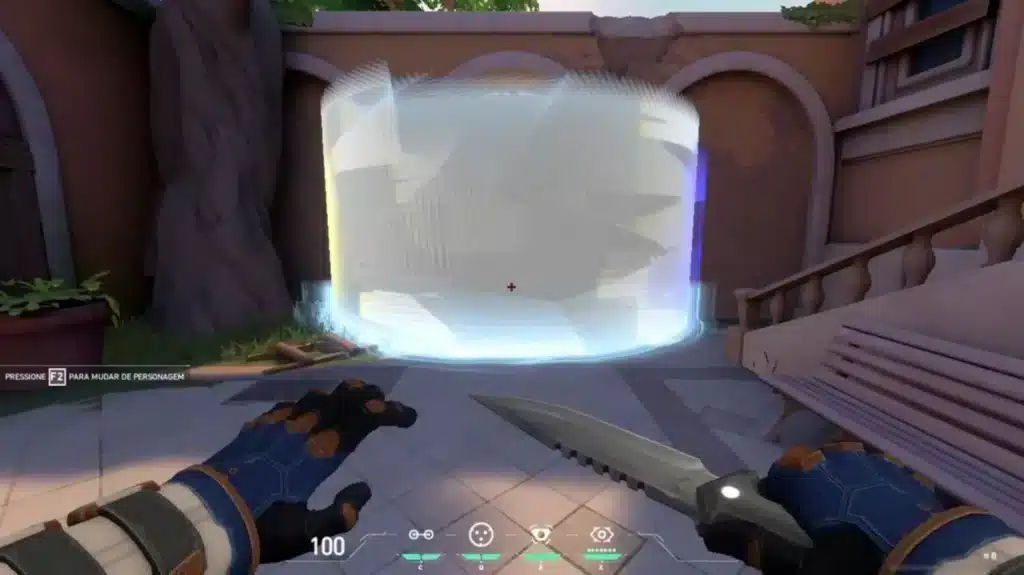
Cypher depends on timing. If your camera tag is delayed, or your cage activation feels late, you lose valuable fractions of a second.
That’s why connection quality matters. Spikes, packet loss, and unstable routing can create moments where your reactions feel “off.”
How ExitLag Fits Here (Without Being a VPN)
ExitLag is a connection route optimizer for online games. It focuses on reducing lag, high ping, and packet loss by sending data through multiple routes and selecting the most stable path.
Important notes:
- ExitLag is not a VPN;
- It does not change your location or hide your IP;
- It focuses only on routing stability and performance.
For PC gamers, that stability can make ability usage feel more responsive.
FAQ
Cypher is a Sentinel focused on information gathering, site control, and flank denial.
They’re simple to activate, but the best value comes from smart timing and placement.
Start with safe, repeatable Trapwire + Spycam placements that protect common lanes and flanks.
Use Trapwire for flank control, Spycam for safe clearing, and cages to help your team cross dangerous areas.
Yes. Utility timing and camera usage can feel worse with unstable connection or packet loss.
ExitLag can help stabilize routing, reducing lag and packet loss for smoother gameplay on PC.
Level Up Your Cypher Gameplay with ExitLag
If you want to play Cypher at a higher level, focus on two things: smarter setups and more consistent timing. When your information is reliable and your utility activates cleanly, you become the anchor every team wants.
Cypher rewards players who stay calm, adapt setups, and win rounds with control. And if you also want your matches to feel more stable, especially in high-pressure rounds, ExitLag can help optimize your connection route for smoother gameplay.
Try ExitLag to get a more stable connection and play your best Valorant rounds with confidence.
Got questions or want to connect with other players? Join the conversation at the ExitLag Forum!