Delta Force Hawk Ops is getting a lot of attention because it aims to blend classic military shooter vibes with modern multiplayer systems.
If you are new to the series, Delta Force Hawk Ops can look overwhelming at first, because people talk about modes, squads, and “big battles” all at once.
So, what is Delta Force Hawk Ops? Delta Force Hawk Ops is a modern tactical shooter experience built around team play, clear objectives, and combat pacing that rewards smart positioning, not just fast aim.
In this guide, Delta Force Hawk Ops will feel much easier to understand, because you will learn how the core loop works, what to expect from each mode, how to build loadouts, and how to keep your matches stable and smooth.
Delta Force Hawk Ops basics: what kind of shooter is it?
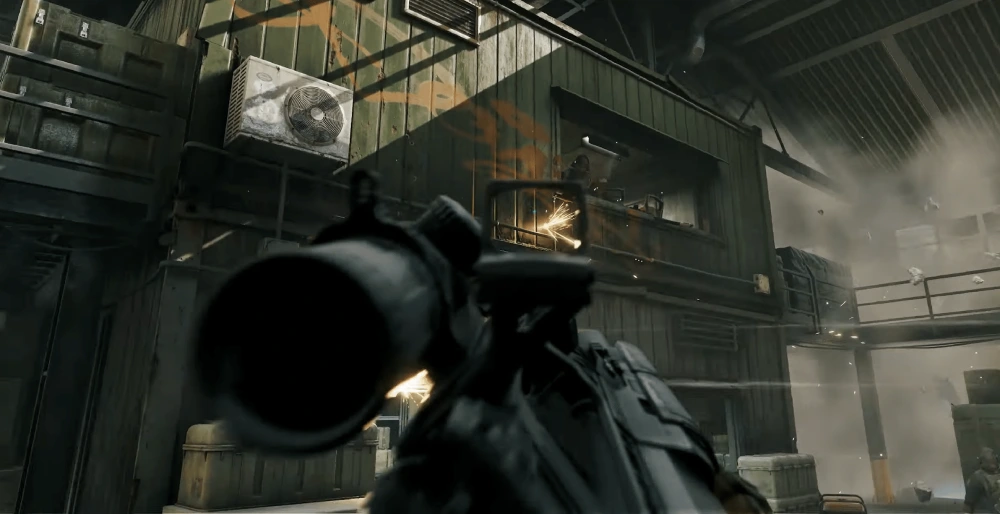
Delta Force Hawk Ops sits in the tactical shooter space, but it is designed to be readable for players who come from faster arena shooters too.
It helps to think of Delta Force Hawk Ops as a teamwork-first shooter where information, positioning, and timing matter as much as raw mechanics.
What the core loop feels like
In most matches, Delta Force Hawk Ops pushes you into short decision cycles.
You scout, take space, trade utility, then commit to a fight with your squad.
That loop is what makes the game feel tactical without being slow.
Key loop elements you should expect in a Delta Force FPS:
- Squads that benefit from coordinated roles;
- Objectives that force movement and rotations;
- Punishment for solo overextensions;
- Strong value in regrouping and resets.
Modes in one sentence each
Before you dive into details, it helps to label each mode in plain language.
Here is a simple way to frame Hawk Ops gameplay:
- Large-scale battles: map control, vehicles, and multi-squad pressure;
- Objective modes: pushes, holds, and coordinated timing;
- Extraction-style play: risk, loot pressure, and smart exits.
This overview makes the rest of the guide easier, because you are not trying to learn everything at once.
Hawk Ops gameplay: modes, maps, and objectives
Hawk Ops gameplay tends to reward players who understand “why” an objective matters, not only “where” it is.
Even strong aim can lose value if your squad ignores rotations, sightlines, and spawn flow.
Large battles and map control basics
Large modes in the Delta Force game usually revolve around controlling key zones that shape the whole match.
If you control the right lanes, you control the tempo.
Two simple rules that help most players:
- Win the mid-map information war first, then push the objective;
- Keep one player watching the “most likely flank” instead of all stacking.
Quick visual bullet list of objective mistakes to avoid:
- Pushing in a straight line with no cover plan;
- Stacking the same doorway and eating utility;
- Chasing kills away from the objective;
- Ignoring respawn timing and re-entry routes.
Extraction-style pressure and decision-making
If a mode includes extraction elements, you are balancing two goals at once: survive and complete the task.
That is where RL ranking style mindset does not apply. You do not “force fights” just because you can.
In extraction-like loops, the best players do these things consistently:
- Take high-value fights only when the reward is clear;
- Reset after taking damage, instead of ego-peeking;
- Leave early when the risk curve spikes.
If you play it like a highlight reel, you will lose progress.
Delta Force FPS essentials: movement, gunplay, and roles
Delta Force FPS combat becomes easier when you stop trying to do everything yourself and start playing your role cleanly.
That is true even if you are the strongest shooter in the lobby.
Gunfights, angles, and time-to-react
Ranged fights often come down to who sees who first and who has the better angle.
You can improve fast by focusing on these basics:
- Pre-aim common angles before you wide swing;
- Use short peeks to gather info, then commit;
- Reposition after a kill, do not repeat the same angle.
A small improvement in positioning can feel like a huge aim improvement.
Squad roles that win rounds
Most teams lose because everyone plays the same job.
A simple squad structure helps your Delta Force FPS results:
- Entry player: creates space and forces defenders to move;
- Support player: trades, covers, and stabilizes the push;
- Anchor player: holds the safe lane and stops flanks.
When you run this structure, you stop losing “free rounds” to chaos.
Numbered list: a clean round plan
- Gather info from a safe angle and call it quickly;
- Identify the next piece of cover you want to own;
- Push as a pair, then trade if needed;
- Secure the objective area, then slow down;
- Hold exits and flanks before you chase extra kills.
This routine makes your teamwork feel consistent.
Delta Force beta: how to prepare and what to test
If you join a Delta Force beta, the biggest win is learning what feels strong and what feels unreliable for you personally.
A good beta mindset is simple: test systems, not only your aim.
Settings that make testing easier
During a Delta Force beta, you want stable visuals and clear readability.
You can use this table as a practical starting point, then adjust based on your PC.
Before the table, remember one thing: consistency is more important than perfect graphics.
| Setting goal | Why it helps | Practical target |
| Stable FPS | Better tracking and timing | Keep frames consistent |
| Low input delay | Faster reactions | Reduce heavy effects |
| Clear visibility | Easier target ID | Avoid excessive blur |
| Smooth camera feel | Better micro-corrections | Keep sensitivity steady |
Once your settings feel stable, your practice becomes real practice, not just adaptation.
What to focus on while the game is changing
Betas can change fast, so your job is to learn transferable skills.
High-value things to test in Hawk Ops gameplay:
- Which ranges your favorite weapons win at;
- How long it takes to rotate between objectives;
- Which lanes get punished by crossfire;
- How often you get third-partied after a fight.
If you track these patterns, you will climb faster once things settle.
Loadouts and progression in the Delta Force game

Delta Force Hawk Ops becomes more fun when your loadouts match your role and the map, not your mood.
A strong loadout is the one that supports your plan for the next 30 seconds.
Loadout basics that work for most players
A clean Minecraft mob style rule applies here too: reduce risk first, then increase output.
In shooter terms, that means choose tools that help you survive bad situations:
- A primary weapon you can control under pressure;
- A secondary option for close emergencies;
- Utility that helps you cross open space safely.
Bullet list: role-based loadout ideas
- Entry role: mobility-friendly weapon choices, fast follow-up utility;
- Support role: mid-range consistency, tools for denial and cover;
- Anchor role: stable control, anti-flank utility, safe positioning tools.
This approach makes your squad less fragile.
Progression habits that actually improve you
Progression can trick you into grinding the wrong way.
If you want real improvement in Delta Force Hawk Ops, focus on:
- One weapon class until your tracking is consistent;
- One role until your decision-making is automatic;
- One map until you know the safe lanes and the risky lanes.
When you do that, your results improve even before your loadout upgrades.
Delta Force Hawk Ops performance tips with ExitLag
Delta Force Hawk Ops can feel “off” even when you are playing well, especially if your connection has spikes at the wrong moment.
That is why performance is not only graphics. Performance is also stability and timing.
What network issues look like in real matches
In a tactical shooter, tiny delays change outcomes.
Common signs of instability:
- Micro-stutters during fights that break your tracking;
- Jitter that makes movement look inconsistent;
- Packet loss moments that cause delayed actions;
- Lag spikes that hit right as you challenge an angle.
These issues can make Delta Force Hawk Ops feel unfair, because your decisions are correct but the timing is not.
How ExitLag helps and what it is not
ExitLag is built to improve route stability for online gaming by testing multiple paths and selecting a more stable route to the server.
ExitLag is not a VPN. It does not aim to change your location or hide your IP. Its focus is improving connection quality for gaming, so your matches feel steadier when your network is inconsistent.
Final checklist for smoother sessions
- Keep your route stable and avoid background downloads;
- Use a wired connection when possible;
- Queue when your connection feels consistent;
- If spikes are frequent, try routing optimization tools like ExitLag.
And if you are still asking Delta Force Hawk Ops questions after reading this, start here: learn one mode, pick one role, and build one reliable loadout. Delta Force Hawk Ops improves fast when your decisions stay simple, your aim stays calm, and your connection stays steady.
Delta Force Hawk Ops is at its best when your fights feel fair, your timing feels responsive, and your squad can rely on clean coordination.
For that, Delta Force Hawk Ops players benefit from stable routing, and Delta Force Hawk Ops sessions can feel smoother when you use ExitLag to reduce spikes and instability.
Delta Force Hawk Ops becomes more enjoyable when performance issues stop deciding your duels, and that is exactly why Delta Force Hawk Ops and ExitLag are a strong combo for consistent play.
FAQ
Delta Force Hawk Ops is a team-focused military shooter built around objectives, squad roles, and tactical pacing.
Delta Force Hawk Ops is a Delta Force FPS with tactical elements, meaning aim matters, but positioning and teamwork matter just as much.
Start by learning one mode, one map lane, and one role. That makes Hawk Ops gameplay feel consistent faster.
For the Delta Force beta, prioritize stable FPS, low input delay, and a simple loadout you can control under pressure.
Support or anchor roles are easier at first because they reward patience, safe angles, and clean rotations.
Because small network spikes, jitter, and packet loss can ruin timing. In a Delta Force FPS, timing is everything.
Lock in smoother Delta Force Hawk Ops matches with ExitLag

Delta Force Hawk Ops becomes easier and more fun when you keep things simple: learn the mode objective, play your role, and run a loadout you can control.
Delta Force Hawk Ops also rewards stable timing, because one delayed peek or stutter can decide a whole fight. If your matches feel “off,” it is often a connection stability problem, not a skill problem.
Try ExitLag to improve route stability and keep your Delta Force Hawk Ops sessions smoother and more consistent, especially in high-pressure fights.
Got questions or want to connect with other players? Join the conversation at the ExitLag Forum!