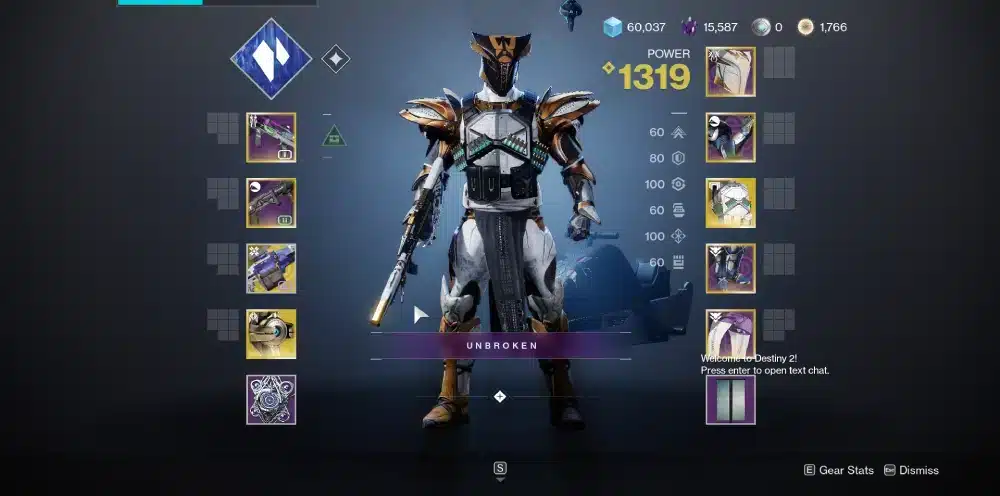
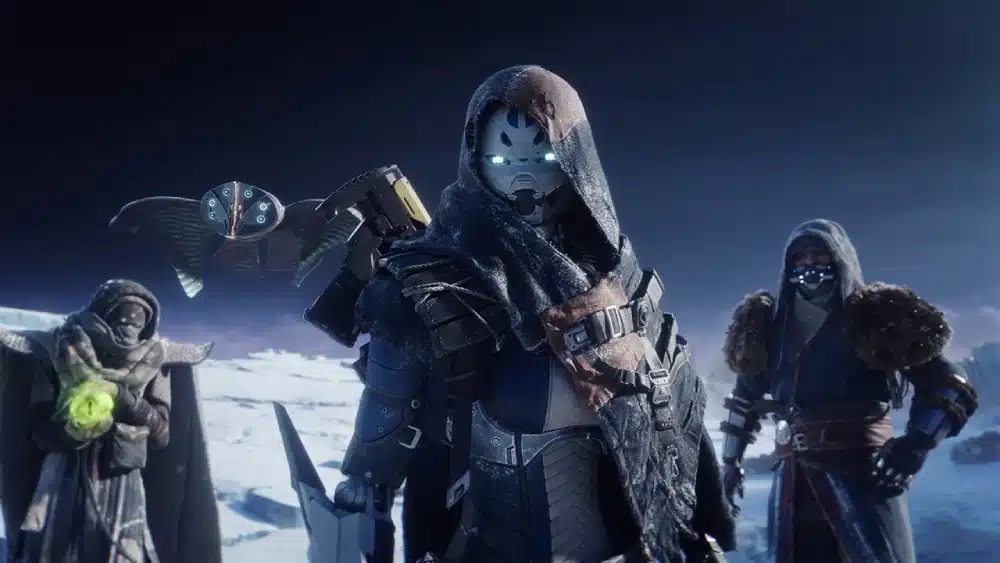
Destiny 2 is a dynamic online multiplayer shooter that combines intense PvE and PvP combat with a rich sci-fi universe. Central to its gameplay are the Destiny 2 classes, each offering unique abilities, supers, and customization options that influence how you experience the game.
Whether you’re new to the game or a returning Guardian, understanding the classes for Destiny 2 is essential for maximizing your effectiveness in raids, strikes, and Crucible matches.
What Are Destiny 2 Classes?
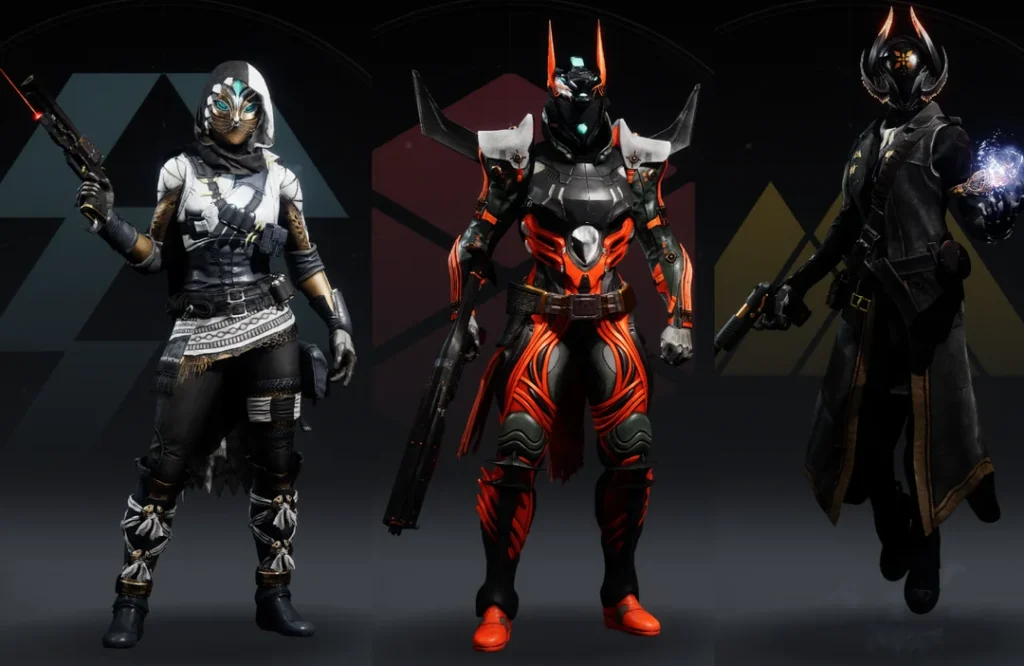
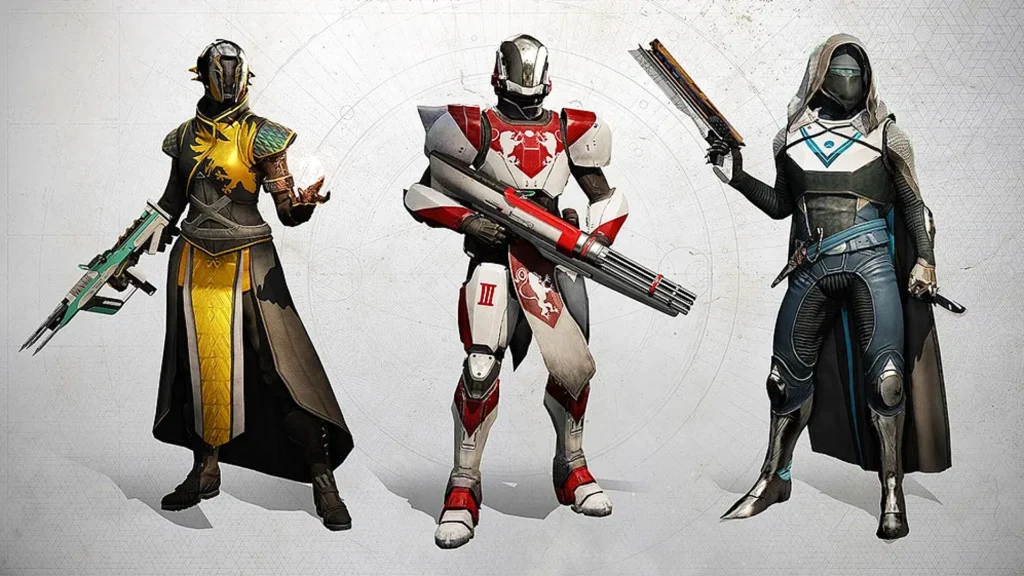
Classes in Destiny 2 define your Guardian’s core abilities and supers. There are three main classes:
- Titan: Resilient warriors capable of absorbing damage and controlling the battlefield. Specific subclasses can enhance mobility and jump abilities.
- Hunter: Agile assassins with stealth and precision-focused abilities.
- Warlock: Masters of elemental power and support, combining offense with utility.
Each class has unique abilities and subclass paths that allow players to further customize their powers.
Subclasses and Abilities
Every class in Destiny 2 features subclasses that determine your elemental affinity and super abilities. Each subclass has three skill trees (Top, Middle, Bottom) that modify perks, abilities, and super effectiveness.
Titan Subclasses
- Striker (Arc): High-damage melee and shockwave abilities. Skill trees may emphasize faster recovery, increased melee range, or crowd control enhancements.
- Sentinel (Void): Defensive powers using shields. Trees can focus on team support, personal survivability, or offensive shield attacks.
- Sunbreaker (Solar): Fire-based ranged and melee attacks. Trees may boost grenade effectiveness, improve mobility, or enhance super damage.
Hunter Subclasses
- Gunslinger (Solar): Precision shooting with fiery projectiles. Trees can focus on bonus damage, ammo efficiency, or enhanced movement.
- Nightstalker (Void): Stealth and debuff abilities. Trees may improve invisibility duration, debuff potency, or super regeneration.
- Arcstrider (Arc): Agile melee-focused combat. Trees can increase dodge utility, combo potential, or area damage.
Warlock Subclasses
- Dawnblade (Solar): Flying sword attacks and aerial superiority. Trees may focus on healing, ranged super attacks, or mobility.
- Voidwalker (Void): Explosive ranged abilities. Trees can enhance grenade impact, super recharge, or area damage.
- Stormcaller (Arc): Chain lightning and area-of-effect damage. Trees may prioritize chaining targets, buffing allies, or reducing cooldowns.
How Classes Impact Gameplay
Choosing the right class affects both your combat style and your role in team activities. Titans excel at defense, Hunters provide damage and utility, while Warlocks offer support and destructive power.
PvE and PvP Considerations
- PvE: Titans are excellent for tanking, Warlocks for crowd control, and Hunters for stealthy eliminations.
- PvP: Hunters dominate in speed and precision, Titans control zones, and Warlocks can disrupt enemy formations.
Destiny 2 PC Classes
For PC players, the Destiny 2 PC classes offer nuanced gameplay with precise mouse and keyboard controls. All classes benefit from responsive aiming and movement. Crossplay features allow PC Guardians to team up with console players seamlessly.
Best Practices on PC
- Customize keybindings for abilities.
- Optimize sensitivity for all classes.
- Choose subclasses that complement your playstyle and team composition.
Destiny 2 Classes and Races
While classes define abilities, races determine aesthetic choices and minor in-game interactions. Destiny 2 races include Humans, Awoken, and Exos. Though primarily cosmetic, race choice can enhance immersion and role-playing experiences.
Destiny 2 Classes Explained
Each class of Destiny 2 has strengths and weaknesses that must be understood:
- Titan: Survivability and crowd control, less agile than Hunters. Specific subclasses can improve mobility and jump abilities.
- Hunter: Speed and damage, but less resilient.
- Warlock: Versatile with elemental powers, moderate durability.
| Class | Strengths | Weaknesses | Ideal Role |
| Titan | Defense, team support | Less agile than Hunter; mobility can vary by subclass | Tank / Support |
| Hunter | Precision, agility | Fragile | DPS / Scout |
| Warlock | Elemental power, utility | Medium defense | DPS / Support |
Tips for Maximizing Class Performance
- Learn cooldown timings for abilities.
- Coordinate supers with teammates.
- Adapt subclass based on activity (PvE or PvP).
How ExitLag Enhances Destiny 2 Classes
For Guardians playing on PC, network performance is critical. ExitLag provides:
- Reduced latency for precise aiming.
- Stable connections during raids and PvP.
- Optimized packet routing for fewer disconnections.
Using ExitLag helps your actions register more reliably during PvP and raids, improving responsiveness and overall gameplay.
Why Understanding Classes Matters
Knowing the best classes in Destiny 2 helps you choose roles that fit your gameplay style. For instance, if you prefer aggressive front-line combat, Titans may be your best pick, while stealthy players should explore Hunter subclasses. Warlocks cater to those who enjoy controlling the battlefield with area-of-effect abilities.
Key Takeaways
- Destiny 2 classes define your core gameplay.
- Subclasses allow further customization of powers and supers, with skill trees impacting perks and playstyle.
- Class choice affects PvE and PvP performance.
- Race choice is primarily aesthetic but enhances immersion.
- ExitLag can significantly improve PC and multiplayer performance.
Choosing the Best Classes in Destiny 2
Selecting the best class depends on your playstyle, activity, and team composition. Here’s a breakdown:
- Titan: Ideal for tanking in raids, holding objectives in PvP, and controlling space with area-denial abilities.
- Hunter: Perfect for scouting, high burst damage, and stealth tactics.
- Warlock: Excellent for support roles, crowd control, and high-damage supers.
Recommended Class Combos for Teams
- Raid Dominance: Titan (Striker), Warlock (Dawnblade), Hunter (Gunslinger) – Balanced for survivability, damage, and utility.
- PvP Domination: Hunter (Arcstrider), Titan (Sentinel), Warlock (Stormcaller) – Fast kills, zoning control, and team disruption.
- Solo Play: Warlock (Voidwalker) or Hunter (Nightstalker) – High self-sustain and damage.
Destiny 2 Classes and Abilities
Advanced players should understand how subclass choices affect their role. Keep in mind that skill tree selection can vary depending on the activity; for example, Striker Top-tree is excellent for raids, while Bottom-tree may be preferable in PvP.
Titan
- Striker (Arc): Focus on top-tree for maximum melee damage and faster super regeneration; bottom-tree may be chosen for PvP mobility.
- Sentinel (Void): Middle-tree for shield throw enhancements; top-tree for team buffs.
- Sunbreaker (Solar): Bottom-tree for improved mobility and grenade synergy; top-tree for offensive super boosts.
Hunter
- Gunslinger (Solar): Top-tree improves precision and critical hits.
- Nightstalker (Void): Middle-tree for tether support and team utility.
- Arcstrider (Arc): Bottom-tree enhances dodge chaining and melee combos.
Warlock
- Dawnblade (Solar): Top-tree for healing support; bottom-tree for aerial DPS.
- Voidwalker (Void): Middle-tree maximizes explosive orbs; top-tree for sustained damage.
- Stormcaller (Arc): Bottom-tree for chaining abilities across groups; top-tree for cooldown reduction.
Optimizing PvE Performance
- Use Titans as frontline tanks to absorb damage and control mobs.
- Hunters can flank or snipe priority targets.
- Warlocks provide damage buffs and area control with supers.
Advanced PvE Tips
- Coordinate supers for maximum raid efficiency.
- Assign roles based on subclass strengths.
- Rotate abilities to maintain uptime on buffs and debuffs.
Optimizing PvP Performance
- Hunters excel at fast engagements and map control.
- Titans can block choke points and create strategic advantages.
- Warlocks disrupt enemy positioning and provide heavy damage support.
PvP Advanced Tips
- Learn cooldown timings to chain abilities with teammates.
- Use environmental awareness for positioning your super.
- Adapt subclass perks for quick rotations and escape routes.
Crossplay and PC Considerations
PC players benefit from precise aiming and rapid reactions. Crossplay ensures compatibility with console players, but differences in frame rates (FPS) between PC and console can affect the timing of supers and abilities. Subclasses that reward mobility and quick action are particularly effective on PC.
Using ExitLag for Maximum Performance
ExitLag helps Guardians maintain smooth gameplay by reducing latency, packet loss, and lag spikes. This is critical when coordinating supers and abilities in raids or high-stakes PvP.
Benefits of ExitLag
- Ensures reliable registration of actions.
- Provides stable connections during crossplay sessions.
- Reduces frustration during timed mechanics or boss encounters.
Final Thoughts on Destiny 2 Classes
Mastering Destiny 2 classes and abilities requires knowledge of each class’s strengths, subclass skill trees, and strategic synergy in team play. Pairing your gameplay with network optimization via ExitLag ensures your performance is not hindered by connectivity issues.
General disclaimer
All game images used in this blog belong to Bungie. They are used for informational/educational purposes only and do not imply endorsement or affiliation with the rights holders.
Got questions or want to connect with other players? Join the conversation at the ExitLag Forum!