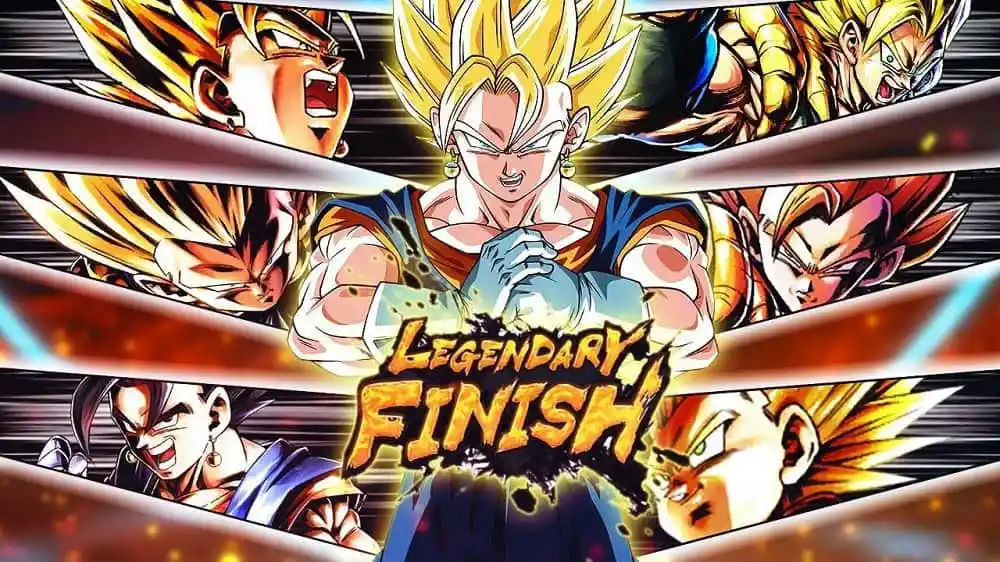
Dragon Ball Z Legends, originally released for the PlayStation 1 (PS1) in 1999, stands as one of the most iconic fighting games in the Dragon Ball series, thanks to its innovative gameplay, captivating character roster, and lasting influence on future Dragon Ball titles.
The game’s legacy transcends the limitations of its time, evolving from a beloved PS1 classic into a mobile phenomenon.
In this article, we will explore the history of Dragon Ball Z Legends, its combat mechanics, the iconic characters that defined it, its impact on modern Dragon Ball games, and the profound nostalgia it evokes in fans of all ages.
History of the PS1 Classic
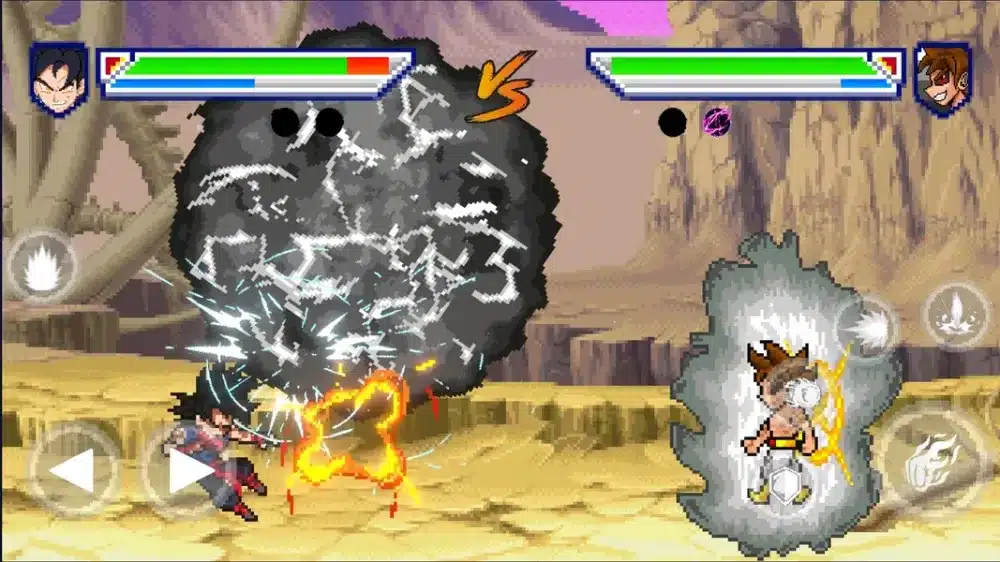
The late 90s marked a period of rapid growth in the gaming industry, and the PlayStation 1 was at the forefront of that revolution. Released in Japan in 1999, Dragon Ball Z Legends quickly caught the attention of fans due to its unique take on the traditional fighting game genre. Developed by Tose and published by Bandai, the game was part of a broader effort to bring Dragon Ball Z to the gaming world in a way that could capture the anime’s fast-paced, explosive action.
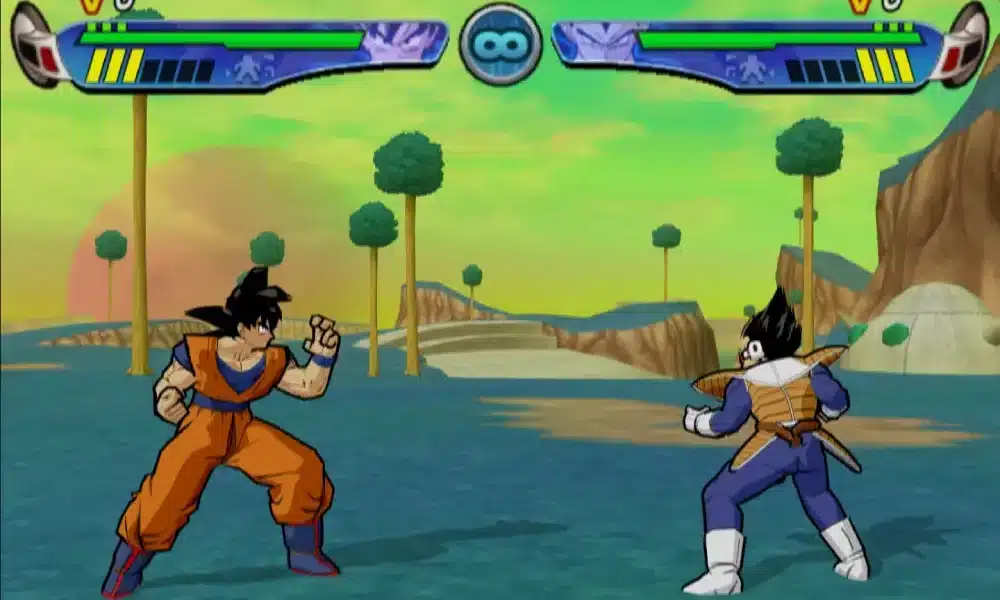
Unlike the more traditional 2D fighting games of its time, such as Street Fighter or Tekken, Dragon Ball Z Legends offered a fresh, dynamic experience with its innovative 3D combat system. This was a significant departure from the flat, 2D sprites seen in many other fighting games at the time. Players were able to move in all directions in 3D space, creating a more fluid and dynamic battle experience, which felt closer to the energy and chaos of the Dragon Ball Z anime.
The game was first released for the PlayStation in Japan, but it quickly spread to international markets, receiving an English localization and being distributed in North America and Europe. Despite its somewhat limited release on the PS1, Dragon Ball Z Legends garnered a passionate fanbase, thanks to its strong connection to the anime series, the variety of characters it offered, and its groundbreaking gameplay.
ExitLag and Dragon Ball Games
Although Dragon Ball Z Legends is an offline retro game, many modern Dragon Ball titles include online modes where a stable connection makes all the difference. ExitLag helps players experience smoother online sessions by stabilizing routes, fixing ping, ending jitter, and eliminating packet loss.
If players enjoy modern DB experiences such as Dragon Ball FighterZ or Dragon Ball Xenoverse 2, ExitLag enhances gameplay by optimizing connection quality though it does not improve performance in offline games like Dragon Ball Z Legends.
To use ExitLag for modern online DB titles:
- Create your ExitLag account
- Download ExitLag
- Choose your game and apply the routes
- Enjoy the best experience with ExitLag ON!
Combat Mechanics Behind This retro game Classic
The combat mechanics of Dragon Ball Z Legends were far ahead of their time. Unlike contemporary fighters that relied heavily on combos, Legends focused on team synergy, power meter management, and cinematic super attacks.
Team-Based Power System
In battle, players guided power flows between characters, influencing who dominated the momentum. The shared energy gauge determined whether your team could trigger devastating finishers.
Real Time 3D Arena Movement
The game’s large arenas allowed for free flight, charging, evasion, and tactical spacing. Although more simplified compared to modern titles, this system laid the groundwork for future Dragon Ball games like Budokai Tenkaichi.
Why Fans Loved the Combat Style
- Unique combination of speed, simplicity, and strategy
- A focus on team synergy instead of solo combos
- Flight mechanics that felt true to the anime
- Super attacks that delivered cinematic, high-impact visuals
Iconic Characters That Defined dragon ball z legends
No Dragon Ball title is complete without an iconic cast. This game included heroes and villains across major sagas, offering players a chance to recreate their favorite stories.
Hero Characters
Goku, Gohan, Vegeta, Trunks, and Piccolo stood at the center of the roster, each offering different strengths that fit perfectly into the game’s squad system.
Villains and Bosses
Classic antagonists like Frieza, Cell, and Majin Buu appeared with high-power stats, forcing players to plan team compositions carefully.
Representative Fighters in dragon ball z legends
| Character | Role | Strength Highlight |
| Goku | All-roundeAggressiver | Balanced power and speed |
| Vegeta | Strong offensive bursts | |
| Piccolo | Tactical | Energy control specialist |
| Frieza | Boss fighter | Long-range power |
| Cell | Hybrid | Balanced melee and beam attacks |
Combat Mechanics
One of the standout features of Dragon Ball Z Legends was its innovative combat system. Unlike conventional fighting games of the time, which focused primarily on punch and kick mechanics, Dragon Ball Z Legends introduced a more dynamic, 3D system that allowed for greater freedom and strategy in battles.
3D Movement
The most significant difference in Dragon Ball Z Legends was its ability to move in three dimensional space. While most other fighting games restricted players to a 2D plane, Dragon Ball Z Legends featured a 3D arena where characters could move in all directions, fly, and dodge attacks, creating an experience that more closely mimicked the chaotic, high speed fights seen in the anime.
This freedom of movement allowed for a much more dynamic and fluid battle system, where players could dash toward their opponents, jump, and fly, just like in the Dragon Ball Z anime.
The inclusion of flying and quick dashing created a new layer of strategy in combat. Players had to be quick on their feet, evading enemy attacks while finding the perfect moment to counter-attack. This movement system helped the game stand out from its contemporaries, as it allowed for more creative and exciting ways to engage with opponents.
Card Based Combat System
Another innovative feature was the card based combat system. Each character had a unique deck of cards representing different attacks, from basic strikes to powerful special moves like Goku’s Kamehameha or Vegeta’s Final Flash. Players would draw cards during the battle and use them strategically to build up momentum, unleash devastating attacks, or defend against incoming blows.
This system added a layer of strategy to the game, as players had to manage their energy (ki) while deciding when to use their most powerful moves. The cards would either be for quick, low cost attacks or for more powerful, high cost moves. This mechanic kept players on their toes, as it required both skill and strategy to balance offensive and defensive maneuvers.
Ki and Energy Management
In Dragon Ball Z Legends, the concept of ki was central to combat. This energy system allowed players to unleash special attacks, but managing ki was crucial for success. Players needed to strike a balance between building up their ki through quick attacks and conserving enough energy to perform ultimate moves.
Just like in the anime, where characters often needed to preserve energy for crucial moments, the energy management in the game added depth to the combat. Characters who overexerted themselves risked running out of ki, leaving them vulnerable to a counterattack. The strategic use of ki was key to winning battles, and the system added an extra layer of excitement and challenge to the game.
Iconic Characters
One of the strongest selling points of Dragon Ball Z Legends was its roster of iconic characters. The game featured a wide selection of fighters from the Dragon Ball Z universe, each with their own unique abilities, attacks, and playstyles. Players could control some of the most beloved characters from the series, such as Goku, Vegeta, Piccolo, Frieza, and Cell.
The inclusion of both heroes and villains allowed for a rich variety of matchups, which kept the gameplay fresh and exciting. The characters were presented with vibrant, colorful character models that captured the essence of the anime’s animation style. The special moves and “ultimate attacks” were incredibly faithful to their anime counterparts, with the Kamehameha and the Final Flash being stand-out moments for fans of the series.
In addition to the main roster of characters, Dragon Ball Z Legends also allowed players to unlock additional characters as they progressed through the game, expanding the possibilities for combat and adding an element of replayability. Some of the unlocked characters included fan favorites like Trunks, Frieza’s various forms, and even the powerful Majin Buu.
Each character in the game had their own special set of attacks, which were often visually stunning and packed with energy. The animation for the ultimate moves was top notch for the time, and many players found themselves mesmerized by the spectacle of their characters unleashing their most powerful attacks on their foes.
Influence on Modern Dragon Ball Games
While Dragon Ball Z Legends was a product of its time, its influence on the Dragon Ball video game series cannot be understated. The game’s innovative mechanics and intense, fast-paced action laid the groundwork for future Dragon Ball games, including the Dragon Ball Z Budokai series, Dragon Ball FighterZ, and even the modern mobile games like Dragon Ball Legends.
The inclusion of 3D movement and the ability to fly in battle became staples in future Dragon Ball fighting games, with Budokai and Tenkaichi series adopting similar mechanics. The focus on strategy, resource management, and unique character abilities also found its way into later titles, such as Dragon Ball FighterZ, which integrated a deep combo system alongside the iconic visual spectacle of the anime’s action sequences.
In particular, Dragon Ball Legends the mobile game launched in 2018 was a direct homage to Dragon Ball Z Legends in many ways. While the combat system was streamlined for mobile play, Dragon Ball Legends retained the spirit of its predecessor by offering a diverse roster of characters, strategic card-based combat, and intense battles. The game’s success proved that the legacy of Dragon Ball Z Legends still resonated with fans, even as gaming technology evolved.
In a broader sense, the game’s emphasis on capturing the essence of the anime, rather than just delivering traditional fighting game mechanics, became a key theme for future Dragon Ball games. It is clear that Dragon Ball Z Legends was a precursor to many of the fan favorite titles that followed, influencing the design, mechanics, and character designs in ways that still impact the franchise today.
Nostalgia Factor
Perhaps the most enduring quality of Dragon Ball Z Legends is the powerful sense of nostalgia it evokes among fans who grew up playing it. For many gamers, Dragon Ball Z Legends was their first foray into the Dragon Ball video game universe, and the game’s unique mechanics, memorable characters, and faithful recreations of the anime’s battles left a lasting impression.
The game’s release came at a time when the Dragon Ball Z anime was still hugely popular, and for many fans, playing Dragon Ball Z Legends felt like stepping into the world of the show. The game’s soundtrack, which included epic, high-energy music tracks, further enhanced the immersion, creating an experience that was both exhilarating and memorable.
For those who played it on the PS1, the game serves as a nostalgic reminder of the early days of gaming. The unique style, the quirky animations, and the sense of fun that permeated the game all contribute to its status as a cult classic. Even today, fans of the series continue to look back at Dragon Ball Z Legends fondly, with many considering it one of the best Dragon Ball games ever made.
Modern mobile games like Dragon Ball Legends have capitalized on this nostalgia factor by including elements that harken back to the original PS1 game. This helps maintain a connection between the older generation of fans who remember playing the game in their youth and the newer generation of players discovering the franchise for the first time.
Conclusion
Dragon Ball Z Legends remains a landmark in the world of Dragon Ball video games, representing a key turning point in both the history of the series and the evolution of fighting games as a whole. From its groundbreaking 3D combat mechanics and card based gameplay to its iconic roster of characters, the game offered a fresh and dynamic take on the Dragon Ball Z universe that captivated players both in Japan and around the world.
Its legacy lives on today, influencing modern Dragon Ball games and continuing to evoke a sense of nostalgia among fans. Whether you’re reminiscing about the days of the PS1 or diving into the mobile game, Dragon Ball Z Legends remains a testament to the enduring appeal of the Dragon Ball franchise and its ability to adapt to new platforms while retaining the core elements that made it so beloved in the first place.
Got questions or want to connect with other players? Join the conversation at the ExitLag Forum!