

Farever is quickly becoming one of the most discussed fantasy multiplayer RPGs thanks to its fast combat, class variety, and cooperative progression systems. To begin with, the game combines traditional MMORPG mechanics with modern action-focused gameplay, giving players multiple ways to build characters and approach combat.
At the same time, farever game class design encourages experimentation instead of forcing players into one strict combat style. In other words, Warrior, Rogue, Mage, and Priest all offer completely different pacing, strengths, and tactical roles depending on how players prefer to fight. And before we continue, know that to know more about all the relevant content about gaming, you just have to check our blog.
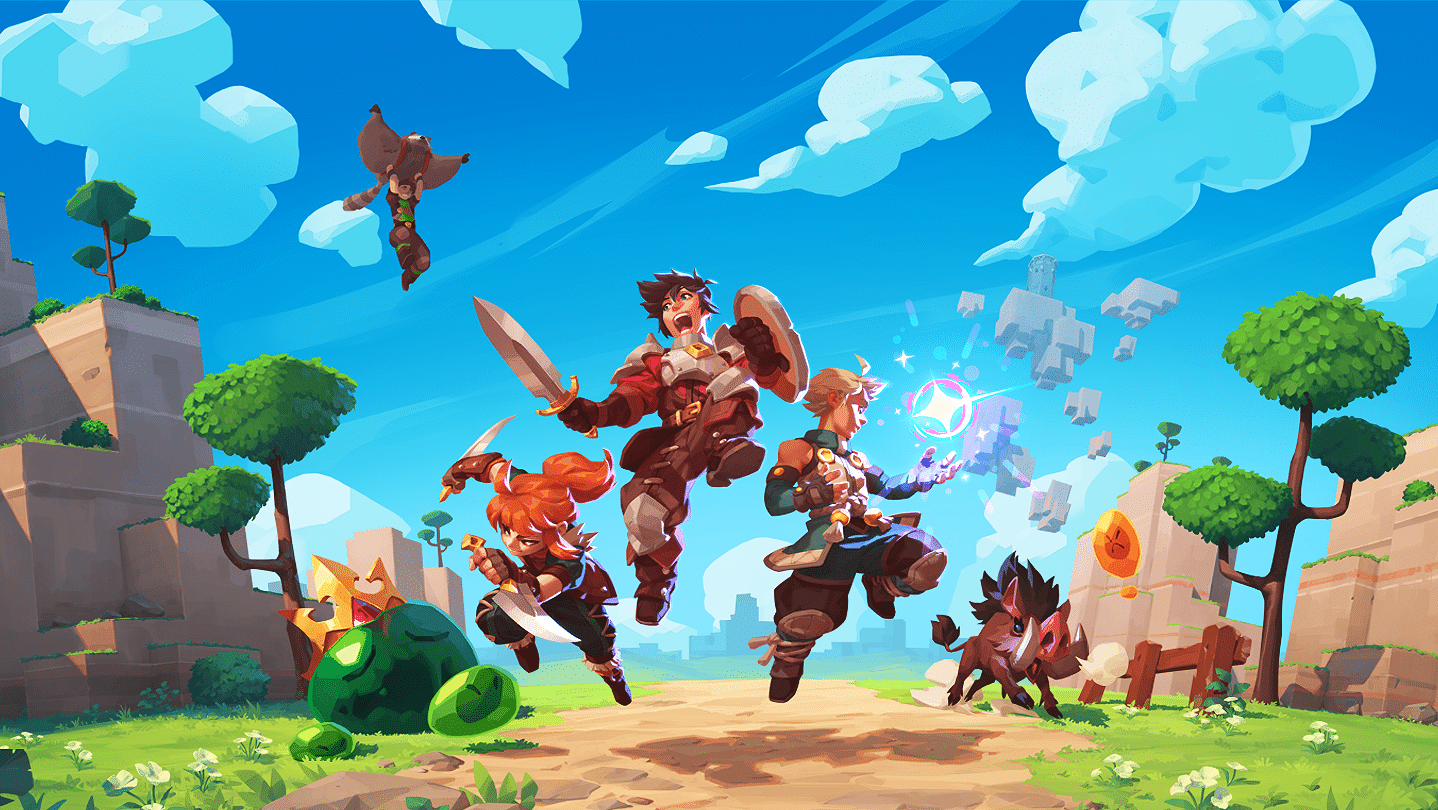
Why classes matter so much in Farever
Class choice directly affects combat flow, progression speed, and team contribution during multiplayer encounters. Therefore, understanding each role early can significantly improve the overall experience.
Unlike some RPGs where classes feel too similar, Farever focuses heavily on identity and specialization.
How the class system works
Every class in the game supports a different gameplay philosophy.
The current core roles include:
- Warrior.
- Rogue.
- Mage.
- Priest.
Because of that, players can choose whether they prefer aggressive frontline combat, stealth-based tactics, magical ranged damage, or supportive healing gameplay.
Similarly, each class contains multiple skill paths and progression choices that help personalize builds over time.
Why class roles improve multiplayer combat
Group gameplay becomes much stronger when teams combine complementary roles.
For example:
- Warriors absorb pressure and control enemy attention.
- Rogues eliminate targets quickly through mobility.
- Mages provide ranged magical damage.
- Priests heal and support allies.
As a result, team coordination becomes one of the most important parts of the farever guide experience.
At the same time, solo players can still customize builds depending on mobility, survivability, or damage preferences.
Firstly, you should read: Why Is My Ping So High? Troubleshooting Guide
Warrior class guide in Farever
The Warrior remains one of the most beginner-friendly classes because it balances durability, melee pressure, and reliable combat performance.
Players who enjoy direct confrontations and aggressive frontline combat usually gravitate toward this role immediately.
Best for those who enjoy storming into battle sword first
The Warrior class specializes in close-range combat, defensive durability, and sustained pressure against enemies.
Important Warrior strengths include:
- High survivability.
- Reliable melee damage.
- Strong crowd control.
- Beginner-friendly gameplay.
- Frontline battlefield presence.
Because of that, Warriors often become the core defensive force during difficult group encounters.
Similarly, the class performs well for solo progression thanks to strong health pools and forgiving combat mechanics.
Warrior Skills
The Warrior Skills system focuses heavily on aggressive melee pressure and battlefield control.
Popular Warrior abilities include:
- Area-of-effect slams.
- Defensive stances.
- Taunt abilities.
- Sword combo chains.
- Mobility charges.
These skills help Warriors maintain frontline control during large encounters.
As a result, the class becomes highly effective during dungeon runs and multiplayer raids.
At the same time, advanced Warriors can build more offensive-focused setups for faster solo farming.
Rogue class guide in Farever
The Rogue class focuses on mobility, stealth, and fast burst damage. Therefore, it appeals strongly to players who enjoy tactical positioning and high-risk aggressive gameplay.
Unlike Warriors, Rogues rely more heavily on timing and movement precision.
You may also like: Lag spikes: how to reduce lag in online game for a smoother experience
Best for those who prefer getting the jump on their enemies
The Rogue specializes in ambush tactics and rapid eliminations.
Important Rogue strengths include:
- Fast mobility.
- Stealth mechanics.
- Burst damage.
- Evasion-focused gameplay.
- High critical hit potential.
Because of that, Rogues perform extremely well when isolating weaker enemies or targeting vulnerable opponents.
Similarly, players who enjoy fast reflex gameplay usually prefer this class over slower melee roles.
Rogue Skills
The Rogue Skills system rewards timing, positioning, and aggressive execution.
Popular Rogue abilities include:
- Stealth invisibility.
- Critical strike combos.
- Dash mobility attacks.
- Poison effects.
- Backstab burst damage.
These abilities allow Rogues to quickly reposition during combat and pressure high-priority enemies.
As a result, the class becomes especially effective during PvP encounters and fast-paced dungeon fights.
However, lower survivability means positioning mistakes can become extremely punishing.
Mage class guide in Farever
Players who prefer ranged magical combat often choose the Mage because of its strong spellcasting and area damage potential.
At the same time, the class requires careful positioning because survivability is lower compared to Warrior builds.
Why Mage is one of the strongest damage classes
The Mage class specializes in elemental magic, ranged pressure, and area-of-effect abilities.
Important Mage strengths include:
- Massive spell damage.
- Strong ranged combat.
- Crowd control effects.
- Area-based attacks.
- High burst potential.
Because of that, Mages can eliminate groups of enemies extremely quickly during PvE content.
Similarly, coordinated Mage players become extremely dangerous during large multiplayer encounters.
Check also: Lagging Define: Understanding and Resolving Lag Issues
Mage skills
The Mage skills system focuses on elemental abilities and ranged magical pressure.
Popular Mage abilities include:
- Fire explosions.
- Ice crowd control.
- Lightning chain attacks.
- Arcane shields.
- Teleport mobility.
These skills allow Mages to dominate large groups of enemies while maintaining distance.
As a result, the class becomes highly rewarding for players with strong positioning and timing.
Priest class guide in Farever
Support classes remain extremely valuable in multiplayer RPGs, and the Priest is one of the most important examples inside Farever.
While some players focus entirely on damage roles, strong support players often become essential during harder content.
Why Priests are critical for team survival
The Priest class focuses on healing, buffs, protection, and sustain during group encounters.
Important Priest strengths include:
- Healing support.
- Team survivability.
- Defensive buffs.
- Resurrection abilities.
- Resource sustain.
Because of that, Priests often become the backbone of successful raid groups and dungeon teams.
Similarly, support-focused players usually enjoy the tactical awareness and team coordination required by the class.
Priest Skills
The Priest Skills system emphasizes healing efficiency and defensive utility.
Popular Priest abilities include:
- Area healing spells.
- Protective barriers.
- Resurrection skills.
- Team buffs.
- Debuff cleansing.
These abilities help maintain team stability during longer encounters.
As a result, Priests become extremely important for high-difficulty multiplayer content.
Read this: Ping Test: learn how to do it and interpret the results properly
How ExitLag improves Farever online gameplay
Online RPGs depend heavily on stable responsiveness, especially during dungeon mechanics, PvP fights, and large multiplayer raids.
This becomes even more important in a game where reaction timing and positioning directly affect survival.
Why stable ping matters in Farever
Connection instability can negatively affect:
- Ability responsiveness.
- Movement precision.
- Dodge timing.
- Combat reactions.
- Multiplayer coordination.
As a result, difficult encounters may become frustrating even when player mechanics are strong.
Similarly, lag spikes during raids can disrupt healing rotations and damage timing.
How ExitLag improves MMORPG performance
ExitLag helps optimize routing between players and game servers using technologies such as:
- Multipath connection.
- Real-time optimization.
- Traffic shaping.
- FPS Boost.
These systems help stabilize ping, reduce lag spikes, and improve responsiveness during online matches.
For example, smoother routing can help players react faster during boss mechanics and multiplayer encounters.
Above all, farever 2026 gameplay feels far smoother when stable routing supports fast combat and cooperative multiplayer systems. You should check more games compatible with ExitLag at our official games page.
Farever class progression and advanced builds
Choosing a class is only the beginning of the progression journey. As players continue leveling, new abilities, passive bonuses, and advanced combat strategies gradually transform how each class performs during difficult encounters.
Because of that, long-term progression becomes one of the strongest parts of the game. Different builds can completely change how classes function during PvE and PvP content.
How advanced builds improve gameplay
Advanced progression systems allow players to specialize their characters based on preferred combat styles.
Popular build focuses include:
- High survivability.
- Burst damage.
- Area-of-effect farming.
- Mobility optimization.
- Support efficiency.
As a result, two players using the same class may still perform very differently during multiplayer encounters.
Similarly, experimentation becomes an important part of the overall farever guide experience.
Why class synergy matters in endgame content
Late-game dungeons and raids heavily reward coordinated team compositions.
For example:
- Warriors protect weaker allies.
- Rogues eliminate dangerous targets quickly.
- Mages control enemy groups with ranged spells.
- Priests maintain team survivability.
Because of that, balanced party compositions become much more effective during high-level content.
At the same time, solo-focused players can still adapt builds depending on farming efficiency or survivability.
Warrior and Rogue comparison in Farever
Melee classes remain some of the most popular choices because they provide highly active combat gameplay. However, Warrior and Rogue achieve success in very different ways.
Understanding those differences helps players choose the class that better fits their preferred pacing.
Warrior strengths and weaknesses
The Warrior class focuses on durability, direct pressure, and sustained melee combat.
Main Warrior advantages include:
- Strong survivability.
- Consistent melee damage.
- Reliable crowd control.
- Beginner-friendly progression.
- Excellent frontline presence.
However, Warriors usually sacrifice mobility and burst damage compared to faster classes.
Because of that, players who enjoy strategic positioning and direct confrontation often prefer Warrior builds.
Rogue strengths and weaknesses
Rogues focus heavily on speed, stealth, and rapid eliminations.
Main Rogue advantages include:
- High mobility.
- Burst damage potential.
- Strong critical attacks.
- Fast repositioning.
- Excellent PvP pressure.
At the same time, Rogues are less forgiving than Warriors because positioning mistakes can quickly lead to elimination.
As a result, players who enjoy aggressive movement and fast reaction gameplay often prefer Rogue builds.
Check this: Ping for Gaming: what’s slowing your sessions and how to prevent
Mage and Priest support roles explained
Magic-focused classes become extremely important during advanced multiplayer encounters. Therefore, Mages and Priests often define whether groups succeed or fail during difficult content.
Although both classes use magical abilities, their battlefield roles are completely different.
Why Mage dominates ranged combat
The Mage class excels at ranged magical pressure and area damage.
Important Mage strengths include:
- High spell burst.
- Group enemy control.
- Area damage farming.
- Long-range combat.
- Strong elemental abilities.
Because of that, Mages become extremely valuable during large-scale enemy encounters.
Similarly, players who enjoy positioning and spell combinations often gravitate toward Mage gameplay.
Why Priest remains essential in multiplayer
The Priest class focuses on healing, protection, and support utility.
Important Priest strengths include:
- Team healing.
- Defensive buffs.
- Resurrection skills.
- Debuff cleansing.
- Long-term sustain.
As a result, Priests remain critical during raids, dungeons, and difficult boss fights.
At the same time, support-focused players often enjoy the class because it rewards awareness and team coordination instead of raw damage output.
Read also: Ping ms for Gaming: reduce the lag, enhance your experience
Best classes for solo players in Farever 2026
Solo progression remains important for players who prefer exploring the game independently. Therefore, class flexibility and survivability become extremely valuable during early progression.
Fortunately, every class can complete solo content, although some roles handle it more comfortably than others.
Best beginner-friendly solo classes
The strongest solo-friendly classes usually combine survivability with reliable damage output.
Popular beginner recommendations include:
- Warrior for durability.
- Mage for fast farming.
- Rogue for mobility.
- Priest for safe progression.
Because of that, the ideal class depends heavily on personal preference.
Similarly, players who prioritize efficiency may choose completely different builds compared to players focused on challenge or PvP.
Which class scales best into endgame?
Endgame scaling depends on group demand, gear progression, and build optimization.
However, many players consider these classes especially strong during late-game content:
| Class | Main Strength | Best For |
| Warrior | Survivability | Frontline combat |
| Rogue | Burst damage | PvP and mobility |
| Mage | AoE damage | Farming and ranged combat |
| Priest | Team support | Raids and healing |
This comparison helps simplify class decisions for newer players entering farever 2026 content.
How ExitLag improves Farever online performance
Online RPGs depend heavily on stable responsiveness during multiplayer combat. Therefore, connection quality directly affects dungeon mechanics, reaction timing, and cooperative gameplay consistency.
This becomes especially important during large raids and PvP encounters where delayed reactions can quickly lead to defeat.
Why stable routing matters in MMORPG combat
Poor connection quality can negatively affect:
- Ability activation timing.
- Dodge responsiveness.
- Multiplayer synchronization.
- Healing precision.
- Combat movement.
As a result, difficult encounters may feel inconsistent even for experienced players.
Similarly, unstable routing becomes extremely frustrating during coordinated raid mechanics.
How ExitLag improves MMORPG responsiveness
ExitLag helps optimize routing between players and game servers using technologies such as:
- Multipath connection.
- Real-time optimization.
- Traffic shaping.
- FPS Boost.
These systems help stabilize ping, reduce lag spikes, and improve online responsiveness.
For example, smoother routing can help players react faster during boss mechanics, PvP fights, and coordinated multiplayer raids.
Above all, farever game combat feels significantly smoother when stable routing supports fast multiplayer gameplay. ExitLag can drastically improve your gameplay for an accessible price. To know more, check our pricing page.
Frequently asked questions (FAQ)
Players often have questions about class balance, progression difficulty, and build optimization. Therefore, this FAQ answers the most important topics surrounding Farever classes.
What is the best class in Farever?
There is no single universal best class because every role supports different playstyles.
Warriors excel at survivability, Rogues specialize in burst damage, Mages dominate ranged combat, and Priests focus on team support.
Is Warrior beginner-friendly in Farever?
Yes. Warrior is usually considered one of the easiest classes for beginners because of its durability and forgiving combat style.
This makes progression smoother during early leveling and solo content.
Are Mage skills strong in multiplayer?
Yes. Mage skills are highly effective during multiplayer encounters thanks to strong area damage and ranged pressure.
However, proper positioning remains extremely important because survivability is lower than melee classes.
Does ExitLag improve Farever performance?
Yes. ExitLag helps reduce lag spikes, stabilize ping, optimize routing, and improve responsiveness during online gameplay.
This becomes especially useful during raids, dungeon mechanics, and PvP encounters. To know more, check our pricing page.
Which Farever class is best for support players?
Priest remains the strongest support-focused class because of its healing, defensive buffs, and team utility abilities.
As a result, Priests are often essential during difficult endgame encounters.
In conclusion
Farever’s class system succeeds because every role feels distinct and valuable during combat. Warriors dominate the frontline, Rogues reward precision and mobility, Mages unleash powerful ranged spells, and Priests keep teams alive during difficult encounters.
At the same time, advanced progression systems and build customization create strong replay value for both solo and multiplayer players.
However, stable online performance remains critical for fully enjoying multiplayer RPG combat. Therefore, using ExitLag can help improve responsiveness, stabilize ping, and reduce frustrating lag spikes during online encounters.
Above all, farever guide progression becomes far more rewarding when smooth gameplay supports fast combat, coordinated teamwork, and long-term character development. Download ExitLag now!