The concept of Grow a Garden stock has become increasingly important for players who want to maximize progress and profit in Grow a Garden. While many players focus only on planting and harvesting, experienced players understand that the in-game economy behaves much like a stock system, where supply, demand, and timing influence outcomes.
Additionally, understanding Grow a Garden stock patterns can significantly improve your ability to make strategic decisions. For example, when certain items become rare or demand spikes, their value can increase quickly. However, connection stability also plays a role in reacting quickly to these market shifts, which is why many competitive players rely on tools like ExitLag to reduce latency.
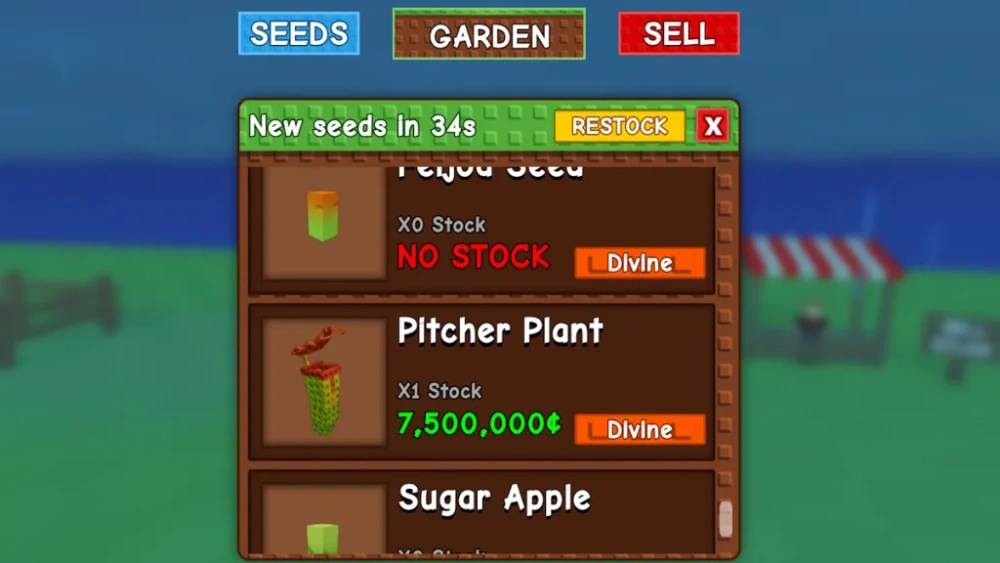
So what exactly is Grow a Garden stock, and why does it matter so much for serious players? In simple terms, it refers to the dynamic value system of seeds, plants, and items within the game economy. Because prices fluctuate depending on player activity and resource availability, understanding this system can help players grow faster and trade smarter.
How the Grow a Garden economy works
The internal economy of Grow a Garden operates through supply and demand mechanics. Every seed, fruit, and upgrade has an associated value that can fluctuate depending on availability and player interest.
Consequently, players who pay attention to market movement gain an advantage over those who simply harvest and sell without strategy.
Supply cycles and farming patterns
Supply cycles occur when many players grow the same type of crop simultaneously. This usually leads to temporary drops in value.
Common factors affecting supply include:
- Seasonal events that boost certain crops
- Game updates introducing new farming tools
- Player trends influenced by popular strategies
Because of this, understanding timing becomes crucial.
Demand spikes in trading markets
Demand spikes happen when players suddenly need specific resources for upgrades or event missions.
Typical reasons include:
- New crafting recipes
- Limited-time event rewards
- Community trading trends
Therefore, players who stockpile items before these spikes often benefit the most.
Understanding Grow a Garden values and item rarity
Knowing Grow a Garden values is one of the most important aspects of mastering the in-game market. These values represent how much a crop, seed, or resource is worth within trading environments.
However, these values are rarely static.
Factors that influence item value
Several mechanics affect value fluctuations:
- Player demand during special events
- Crop growth difficulty or rarity
- Crafting requirements for upgrades
- Availability of seeds in the market
Consequently, rare seeds or difficult crops often gain value faster than common resources.
Value comparison table for common items
Below is a simplified example of how different farming items may compare in terms of demand and rarity.
| Item Type | Rarity Level | Demand Level | Trading Potential |
| Basic Seeds | Common | Low | Limited |
| Seasonal Crops | Uncommon | Medium | Moderate |
| Event Plants | Rare | High | Strong |
| Legendary Seeds | Very Rare | Very High | Excellent |
As shown above, rarity alone does not always determine value. Instead, value comes from the combination of rarity and player demand.
How to track Grow a Garden codes and market opportunities
Another important mechanic involves Grow a Garden codes, which developers release periodically. These codes can provide bonuses such as seeds, boosts, or currency.
Because of this, they indirectly influence the economy.
Why codes affect the market
When many players redeem the same code reward, the supply of certain items increases.
This can lead to:
- Temporary price drops
- Market oversaturation
- Reduced trading value
However, experienced players often anticipate these moments and adapt accordingly.
Smart strategies after code releases
After new codes appear, players typically follow two main strategies:
- Sell affected items immediately before value drops
- Wait for the market to stabilize before trading
Both approaches can work depending on timing and player demand.
Additionally, performance stability becomes important when redeeming rewards quickly or accessing crowded servers.
Grow a Garden stock strategies for long-term progress
Players who want consistent success usually rely on strategic planning rather than random farming.
The following strategies help optimize your gameplay and trading results.
Long-term farming strategy
Successful players often diversify their farming portfolio.
Instead of planting only one crop type, they rotate between different resources based on market demand.
Key advantages include:
- Reduced risk from price drops
- Better reaction to demand changes
- More stable profits over time
Timing your harvest and trading
Timing can drastically affect your trading results.
For example, selling immediately after harvesting may not always provide the best return.
Consider this simple decision process:
- Check current market demand
- Evaluate whether supply is high or low
- Compare prices across trading channels
- Decide whether to sell now or store items
Players who follow structured decision methods often outperform those who trade impulsively.
Network performance and why ExitLag helps Grow a Garden players
Although farming games may appear relaxed, performance issues can still impact gameplay efficiency.
Lag spikes or unstable connections can slow down actions such as:
- Harvesting crops quickly
- Trading with other players
- Joining busy servers
Therefore, optimizing network routing becomes an advantage.
What ExitLag does for online games
ExitLag improves connection quality by optimizing data routes between the player and the game server.
Instead of relying on a single internet path, the system dynamically selects the fastest route.
This can help reduce:
- Ping spikes
- Packet loss
- Connection instability
As a result, gameplay feels smoother and more responsive.
Benefits for farming and trading
While Grow a Garden is not a fast-paced shooter, network stability still matters.
Players benefit from:
- Faster interaction with market systems
- Stable server connections
- Reduced delays when harvesting or selling
These small improvements accumulate over time, especially for players who spend many hours farming and trading.
Advanced farming strategies for experienced players
Once players understand the market mechanics and farming cycles, they can begin applying more advanced techniques.
These methods focus on maximizing efficiency and predicting market behavior.
Resource stacking and delayed selling
Some players intentionally hold large quantities of resources instead of selling immediately.
This technique works well when:
- Upcoming updates may increase demand
- Seasonal events require specific crops
- Supply levels are temporarily high
Holding inventory during these moments can lead to much higher profits later.
Predicting market trends
Experienced players watch community trends closely.
For example, they observe:
- Which crops streamers are recommending
- Popular trading discussions in community forums
- Patch notes introducing new crafting mechanics
This information often reveals which resources will become valuable next.
Building a consistent farming routine
Consistency is one of the biggest advantages a player can develop.
Instead of playing randomly, structured routines produce better long-term results.
Daily farming checklist
Many successful players follow routines like this:
- Plant high-demand crops first
- Check trading channels for price changes
- Harvest and store valuable items
- Monitor event announcements
This routine ensures that players always stay aligned with market changes.
Weekly market evaluation
A weekly review of farming progress can also help players stay ahead.
Consider analyzing:
- Which crops sold the fastest
- Which items gained value
- Which farming strategy produced the best results
This type of evaluation helps refine your strategy over time.
How Grow a Garden players analyze market demand
Understanding market demand is one of the most important skills for players who want to progress efficiently. In Grow a Garden, the value of crops and items often changes depending on player behavior and trading activity. Therefore, monitoring these patterns allows players to make smarter planting and selling decisions.
Observing player trading patterns
One of the easiest ways to analyze demand is by watching trading activity among players. When certain crops appear more frequently in trades, it usually indicates strong demand. Consequently, planting those crops can increase your chances of profitable trades.
Identifying demand spikes during events
Demand often increases during limited-time events or updates. For instance, if a seasonal event requires specific crops, players may rush to acquire them. Because of this, players who anticipate these moments can prepare their inventory in advance.
Best crops to monitor in the Grow a Garden market
Some crops maintain stable value within the Grow a Garden economy. Monitoring these crops allows players to predict trading opportunities and maximize profit over time. Additionally, tracking popular crops helps players plan farming cycles more efficiently.
High-demand crops among experienced players
Certain crops become favorites among experienced players due to their versatility and usefulness in crafting or upgrades. These crops often maintain strong value even when supply increases. Therefore, focusing on them can provide a stable farming strategy.
Seasonal crops and temporary value increases
Seasonal crops can become extremely valuable during special events. Because they are not always available, their rarity often increases demand. As a result, players who store these crops may benefit from higher trading prices later.
Common mistakes players make in the Grow a Garden economy
Even experienced players occasionally make mistakes when interacting with the game economy. Understanding these common errors helps players avoid unnecessary losses and improve long-term farming efficiency.
Selling resources too early
One frequent mistake is selling crops immediately after harvesting them. Although this may seem convenient, it often results in lower profits. Waiting for demand spikes can significantly increase the value of certain items.
Ignoring market trends
Another mistake is ignoring the overall trading environment. When players focus only on farming without analyzing market trends, they may produce crops that are already oversupplied. Consequently, those crops may have limited trading value.
How game updates influence farming and trading
Game updates frequently introduce new mechanics, crops, or crafting systems that affect the in-game economy. Because of this, players who follow update announcements carefully can adapt their farming strategy faster than others.
New items changing resource demand
When developers introduce new crafting recipes or upgrades, demand for specific resources often increases. Players who identify these opportunities early can grow the right crops before the market becomes saturated.
Patch updates and balance adjustments
Sometimes updates adjust the growth time or rarity of certain crops. These changes can influence their value within the trading system. As a result, staying informed about patch notes helps players maintain an effective farming strategy.
ExitLag advantages for stable farming sessions
Stable network performance can significantly improve the overall gameplay experience in Grow a Garden. While the game focuses on farming and trading, connection issues can still interrupt important actions. Therefore, maintaining a stable connection helps players interact with the game economy more efficiently.
Reduced lag during harvesting and trading
A stable connection ensures that actions such as harvesting crops or interacting with other players happen without delays. This allows players to complete farming tasks faster and participate in trading without interruptions.
Improved connection stability for long sessions
Many players spend long periods managing their gardens and inventories. During these extended sessions, network instability can become frustrating. A reliable connection helps maintain consistent gameplay performance throughout the entire farming session.
Final thoughts on mastering the Grow a Garden economy
Understanding the in-game economy transforms the way players approach Grow a Garden. Instead of focusing only on planting and harvesting, experienced players treat the game as a dynamic market where strategy, timing, and preparation determine success.
Additionally, combining economic awareness with technical optimization creates a significant advantage. Players who monitor trends, anticipate demand changes, and maintain stable gameplay performance often progress much faster than casual farmers.
Ultimately, mastering Grow a Garden stock requires patience, observation, and smart decision-making. When you combine these strategies with reliable connection stability from tools like ExitLag, you create the ideal environment for efficient farming, smarter trading, and long-term progress in the game.