Welcome to this comprehensive GW2 crafting guide designed to help both new and experienced players navigate the complex world of crafting in Guild Wars 2. Crafting in GW2 is an essential skill that allows players to create valuable items, gear, and consumables, improving their gameplay and overall experience.
This article will cover everything from the basics of crafting GW2 professions to advanced tips on maximizing GW2 efficiency and understanding crafting guild benefits. Whether you’re consulting the GW2 wiki or exploring different crafting guilds, this Guild Wars 2 crafting guide will provide you with the knowledge needed to optimize your crafting journey. Dive in and discover how to become a crafting expert with this complete GW2 crafting guide.
Professions Available and Their Functions in GW2
GW2 crafting guide is divided into several distinct professions, each specializing in creating different types of gear, weapons, or consumables. Understanding GW2 professions and their roles is crucial for any player looking to optimize their crafting efficiency and support their character builds.
1. Armorsmith
The Armorsmith profession allows you to craft heavy armor pieces such as helmets, chest plates, gauntlets, leggings, and boots. This profession is ideal for classes that primarily wear heavy armor, providing them with better stat customization and gear upgrades.
- Best for: Warriors, Guardians, Revenants
2. Tailor
Tailors specialize in crafting light armor and accessories like robes, gloves, pants, and boots. This profession benefits classes that rely on light armor for increased power and precision stats.
- Best for: Elementalists, Mesmers, Necromancers
3. Leatherworker
Leatherworkers craft medium armor, perfect for classes that use medium armor for balanced defensive and offensive stats. They also create various accessories such as backpacks.
- Best for: Rangers, Thieves, Engineers
4. Weaponsmith
This profession focuses on forging melee weapons such as swords, axes, hammers, and daggers. Weaponsmithing is essential for classes that rely on close-combat weapons.
- Best for: Warriors, Thieves, Revenants
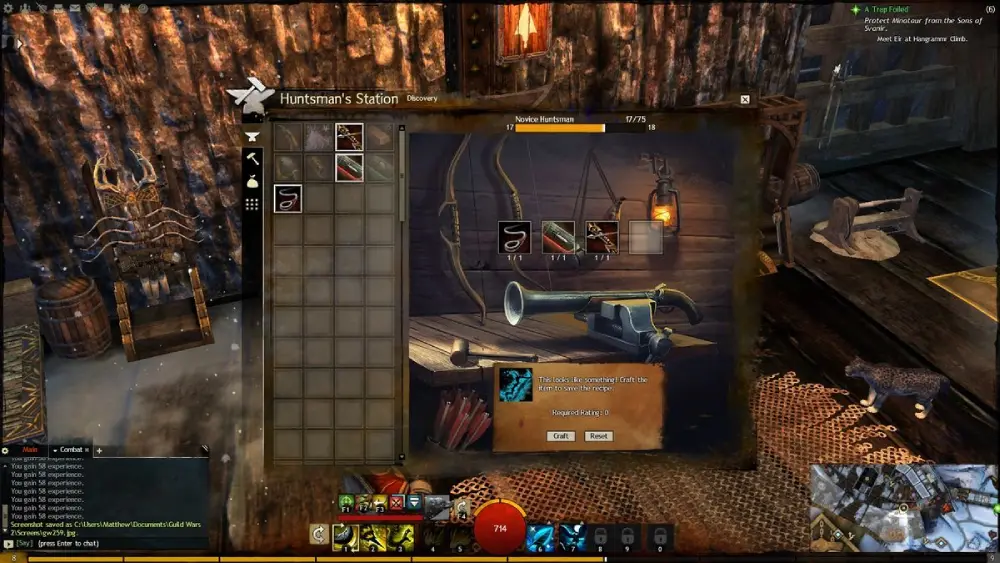
5. Huntsman
Hunters create ranged weapons including bows, rifles, and harpoons. This profession is beneficial for classes that focus on ranged physical attacks.
- Best for: Rangers, Engineers
6. Artificer
Artificers craft magical weapons such as staves, scepters, and focus items. This profession suits classes that use magical weaponry to enhance their spellcasting abilities.
- Best for: Elementalists, Mesmers, Necromancers
How to Start Crafting in GW2
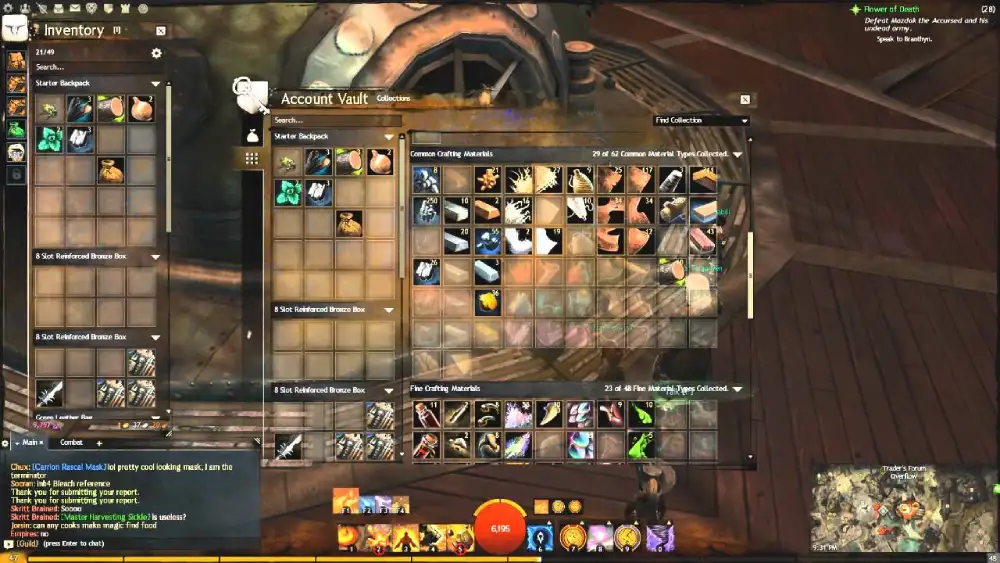
Starting crafting in Guild Wars 2 can seem overwhelming at first, but with the right guidance, you’ll quickly get up to speed. This part of the GW2 crafting guide will explain where to begin, which NPCs to find, the initial costs involved, and how to unlock new recipes.
Where to Go and Which NPCs to Find
To start crafting GW2, you’ll want to visit the crafting stations located in major cities such as Lion’s Arch, Divinity’s Reach, or the Black Citadel. Each crafting discipline has a dedicated crafting station—look for the corresponding crafting icons on the map.
Crafting trainers (NPCs) are found near these stations and are essential for learning the basics. They’ll introduce you to the profession, sell crafting tools, and provide recipes to get you started. For example:
- Armorsmith, Tailor, and Leatherworker trainers are usually found near armor crafting stations.
- Weaponsmith, Huntsman, and Artificer trainers are located by the weapon crafting stations.
Initial Costs to Start Crafting
The initial investment for crafting usually involves buying basic crafting tools and materials, such as ores, leather, cloth, and wood. Early materials are relatively inexpensive and can be gathered yourself by harvesting nodes in the world or purchased from the Trading Post. Expect to spend some gold on recipes and tools from trainers, but crafting can be very cost-effective once you start gathering materials on your own.
Basic Structure of Recipes
Recipes in crafting GW2 follow a straightforward format. Each recipe requires a combination of raw materials or previously crafted components to create the final item. For example, a heavy armor piece may require ores, leather sections, and crafting components like runes or insignias. Recipes often have tiers, meaning you unlock more advanced recipes as you level up your crafting discipline.
How to Unlock New Recipes
Unlocking new recipes is a core part of the crafting progression. You can gain recipes by:
- Purchasing them from crafting trainers as you level up your crafting discipline.
- Finding recipe scrolls dropped by enemies or rewarded from quests and achievements.
- Obtaining recipes through crafting guild rewards or specific in-game events.
- Using the GW2 wiki can also help you track which recipes are available and how to acquire them.
By continually unlocking new recipes and refining your skills, you increase your GW2 efficiency and ability to craft high-level gear for your character.
Crafting Progression Guide by Level in GW2
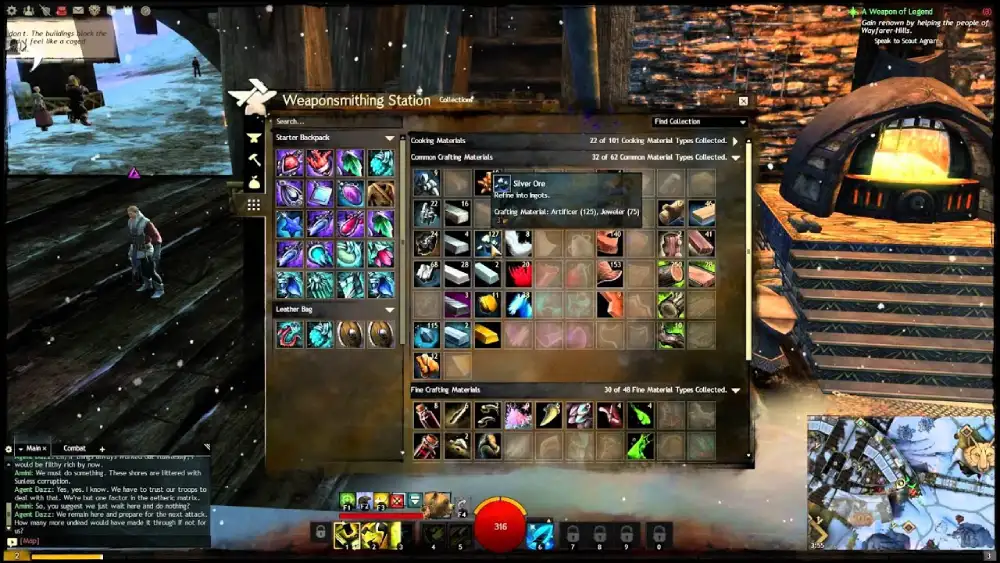
Progressing through crafting levels in Guild Wars 2 requires different approaches depending on your current crafting skill. This section of the GW2 crafting guide focuses on strategies for each level range to maximize your GW2 efficiency while crafting GW2 items.
Levels 0-75: Easy and Affordable Materials
At the beginning of your crafting journey, focus on gathering or buying inexpensive and easy-to-find materials. These include basic ores, leather scraps, and cloth fibers commonly found throughout the starting zones. Crafting items at this stage will help you level up quickly without spending much gold.
Simple recipes are available at crafting trainers and provide good experience, making this phase ideal for learning the basics of crafting GW2 without risking resources.
Levels 75-300: Focus on Efficiency and Economy
Once you reach mid-level crafting, it becomes essential to balance resource gathering and cost efficiency. At this stage, investing time in farming specific materials that yield the best experience per unit cost will improve your GW2 efficiency.
Using materials from the Trading Post can help if farming is slow, but always compare prices to maintain economic crafting. This is also the time to start unlocking and crafting higher-tier recipes to prepare for late-game crafting demands.
Levels 300+: Advanced Strategies
After reaching the maximum crafting level of 500 (with expansions), advanced crafting techniques and strategies come into play. These include:
- Crafting with rare and valuable materials efficiently.
- Utilizing crafting guild perks and crafting boosters.
- Focusing on crafting legendary materials or high-demand consumables.
- Combining crafting with gathering professions or trading to maximize profits and GW2 efficiency.
At this point, having a well-organized crafting plan and access to detailed resources, such as the GW2 wiki, will give you a competitive edge.
Tips to Save Time and Gold in GW2 Crafting
Improving your GW2 efficiancy is key to making the most out of your crafting experience without wasting precious gold or time. Here are some essential tips and tools to help you craft smarter in Guild Wars 2.
Useful Sites and Tools
Several community websites and tools provide invaluable assistance for crafting planning and resource management:
- gw2crafts.net – An excellent resource for detailed crafting recipes, required materials, and crafting paths.
- gw2efficiency.com – This site helps you plan your crafting and leveling with a focus on saving time and gold by suggesting efficient material routes and tracking your progress.
- gw2 wiki – The official community wiki offers comprehensive information on crafting professions, recipes, and materials, helping you make informed decisions on what and when to craft.
Using these tools regularly will enhance your GW2 efficiency, allowing you to focus on crafting items that offer the best value and experience.
How to Plan Crafting Economically
Planning your crafting sessions can drastically reduce wasted materials and expenses:
- Set clear goals: Decide whether you want to level crafting quickly, farm specific materials, or craft high-demand items for profit.
- Gather before crafting: Collecting raw materials yourself through harvesting or farming reduces reliance on the Trading Post and lowers costs.
- Craft in batches: Group similar recipes to craft multiple items at once, saving time and reducing crafting station visits.
- Monitor the Trading Post: Check prices regularly to buy materials when they are cheapest and sell crafted items at peak demand.
- Use crafting boosters and guild perks: These can reduce material costs or increase crafting speed, further improving your GW2 efficiency.
Crafting and the Game Economy in Guild Wars 2
Understanding the relationship between crafting and the Guild Wars 2 economy is essential to fully leverage your crafting skills for profit and gameplay advantage. This part of the GW2 crafting guide explores which items sell well, how to monetize your crafting, and how crafting supports endgame builds.
Items That Actually Sell
Not all crafted items have the same market demand. Some consistently sell better and can generate steady income:
- Ascended gear and components: These items are highly sought after by endgame players aiming to optimize their builds.
- Consumables: Crafting food, potions, and boosters are always in demand for PvE and PvP content.
- Legendary crafting materials: Rare materials used for legendary weapons and armor sell at a premium.
- Popular weapons and armor pieces: Certain weapons and armor sets are favored due to meta builds and aesthetics.
Focusing your crafting efforts on these items can increase your profits and improve your GW2 efficiency in the marketplace.
How to Monetize Your Crafting
To monetize crafting effectively:
- Specialize in high-demand recipes: Master crafting professions that produce sought-after gear or consumables.
- Use market trends: Track price fluctuations on the Trading Post using tools like gw2efficiency.com or the GW2 wiki market pages.
- Craft in bulk: Producing items in batches saves time and increases total sales volume.
- Combine crafting with gathering: Farming rare materials yourself lowers production costs and boosts profit margins.
Using Crafting to Sustain Endgame Builds
Crafting in GW2 is not only a source of income but also a powerful tool to sustain your endgame builds:
- Craft ascended and legendary gear tailored to your class and playstyle, enhancing your combat effectiveness.
- Produce consumables that boost your performance in raids, fractals, and PvP.
- Maintain and upgrade your gear without relying solely on expensive Trading Post purchases, increasing your GW2 efficiency in both crafting and gameplay.
By integrating crafting with your build progression, you create a self-sustaining loop that supports your character’s growth and your in-game economy goals.
Conclusion
Crafting in Guild Wars 2 offers immense value not only for dedicated players but also for casual gamers looking to enhance their experience without excessive grinding. Whether you want to improve your gear, save gold, or even make a profit, mastering crafting GW2 is a rewarding and strategic part of the game. With the right knowledge and tools, anyone can benefit from crafting’s versatility and depth.After reading this GW2 crafting guide, to make your crafting sessions even smoother—whether you’re visiting busy crafting hubs or browsing the Trading Post market boards—consider using ExitLag. This service reduces latency and connection issues, ensuring faster load times and a more seamless gameplay experience. Try ExitLag free today and enjoy lag-free access to all your favorite crafting activities in Guild Wars 2.
Frequently Asked Questions (FAQ)
Crafting in Guild Wars 2 involves gathering materials, learning recipes from trainers or drops, and using crafting stations to create weapons, armor, consumables, and other useful items. Each crafting profession has unique specialties and progression paths.
The best professions depend on your goals. For armor, Armorsmith, Tailor, and Leatherworker are essential. Weaponsmith, Huntsman, and Artificer focus on weapons and trinkets. Choosing a profession that complements your character build and playstyle maximizes efficiency.
To level crafting efficiently, focus on using easy-to-gather materials early on, unlock recipes progressively, craft in batches, and utilize crafting guides or tools like gw2efficiency.com to plan your resource use economically.
Start with low-level gear and components that require basic materials. Craft consumables like food and boosters early for steady demand, then progress to ascended gear or high-demand items as you level your crafting professions.
Absolutely. Crafting enhances your gameplay by allowing you to create valuable gear, consumables, and legendary items. It also offers economic benefits through selling crafted goods and supporting your endgame builds.
Got questions or want to connect with other players? Join the conversation at the ExitLag Forum!