
Heroes of the storm remains one of the most unique entries in the competitive multiplayer genre. Built by Blizzard, it delivers a fast‑paced team-focused experience that reshapes traditional MOBA mechanics.
Unlike other titles in the genre, Heroes of the Storm removes item shops and individual gold systems, placing the emphasis on coordination and shared progression. As a result, success depends less on individual carry potential and more on synchronized execution.
What is Heroes of the Storm?
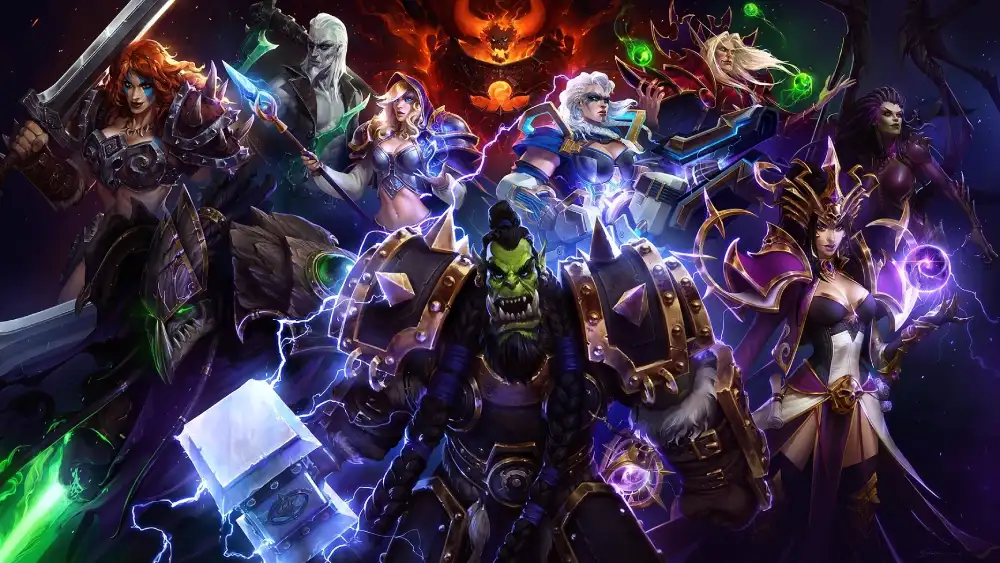
Heroes of the Storm is a team-based online multiplayer battle arena where two teams of five players compete across dynamic battlegrounds using iconic Blizzard universe characters, focusing heavily on objectives, map control, and cooperative play rather than individual economy management.
Heroes of the Storm Fundamentals
Understanding the foundations of Heroes of the Storm is essential before diving into advanced tactics. While it shares DNA with traditional MOBAs, its systems create a distinct rhythm.
Shared Experience System
One of the most defining features of this Blizzard MOBA is the shared XP structure. Instead of farming gold individually, the entire team levels together.
This design changes lane assignments and macro decisions. Soaking experience becomes a collective responsibility rather than a selfish race.
Because of that, early rotations are more frequent and coordinated than in a traditional MOBA guide scenario.
No Item Shop Mechanics
Another difference in hots gameplay is the absence of in-match item purchases.
Instead, players choose talents at specific level thresholds:
- Level 1
- Level 4
- Level 7
- Level 10 (Heroic Ability)
- Level 13
- Level 16
- Level 20
This structure simplifies power spikes while preserving build diversity. Each match becomes more about adaptation than memorizing optimal item builds.
Core HOTS Gameplay Systems
To truly master hots gameplay, you must understand how map design influences pacing and team fights.
Battleground Objectives
Every map features unique objectives that force engagements. Unlike other MOBAs, objectives are not optional.
Winning them often provides:
- Powerful map summons
- Direct core damage pressure
- Structural advantages
- Experience boosts
Therefore, objective timing often outweighs lane pressure.
Role Structure and Team Strategy
Team composition matters significantly in Heroes of the Storm. Roles include:
- Tank
- Bruiser
- Ranged Assassin
- Melee Assassin
- Healer
- Support
A balanced composition improves survivability and crowd control synergy. Proper team strategy revolves around engage timing, peel coordination, and heroic ability combinations.
Heroes of the Storm Characters Breakdown
The diversity of Heroes of the Storm characters sets this game apart from competitors. Blizzard integrates franchises like Warcraft, StarCraft, and Diablo.
Tank Heroes
Tanks initiate fights and absorb damage. They dictate positioning and create space.
Strong tanks excel at:
- Hard crowd control
- Frontline durability
- Objective zone denial
Assassin Heroes
Assassins provide burst or sustained damage.
Ranged assassins focus on poke and safety, while melee assassins dive backlines.
Understanding positioning is critical for assassins in hots gameplay because overextension is punished immediately.
Healers and Supports
Healers sustain the team through prolonged fights.
Support heroes offer shields, utility, or macro value instead of direct healing.
Their role in team strategy often determines fight outcomes during late-game objective clashes.
Map Control and Macro Play
Macro awareness separates average players from competitive contenders in Heroes of the Storm.
Soaking Experience Efficiently
Missing experience leads to talent tier disadvantages.
Being one talent tier behind before a Level 10 fight can cost the entire objective phase.
Camp Timing and Pressure
Mercenary camps provide structural pressure when captured strategically.
Optimal timing includes:
- Capturing camps shortly before objectives spawn
- Forcing opponents to choose between defense or contest
- Coordinating pushes with heroics available
These macro principles define advanced MOBA guide understanding.
Competitive Team Strategy Principles
Winning consistently in Heroes of the Storm demands refined team strategy.
Engage and Disengage Discipline
Engaging without cooldowns or talent parity leads to defeat.
Teams must track:
- Heroic ability cooldowns
- Level advantages
- Vision control
- Enemy positioning
Communication and Shot Calling
Clear communication ensures coordinated objective setups.
Even in solo queue, ping discipline and awareness elevate hots gameplay consistency.
Talent Build Optimization
Below is a simplified example of talent decision paths based on playstyle.
| Role | Early Game Focus | Mid Game Spike | Level 20 Impact |
| Tank | Crowd Control | Engage Heroic | Upgrade Heroic |
| Assassin | Damage Scaling | Burst Combo | Reset Potential |
| Healer | Sustain | Defensive Heroic | Teamwide Utility |
Understanding these patterns improves adaptation during unpredictable matches.
Advanced Strategies for Ranked Play
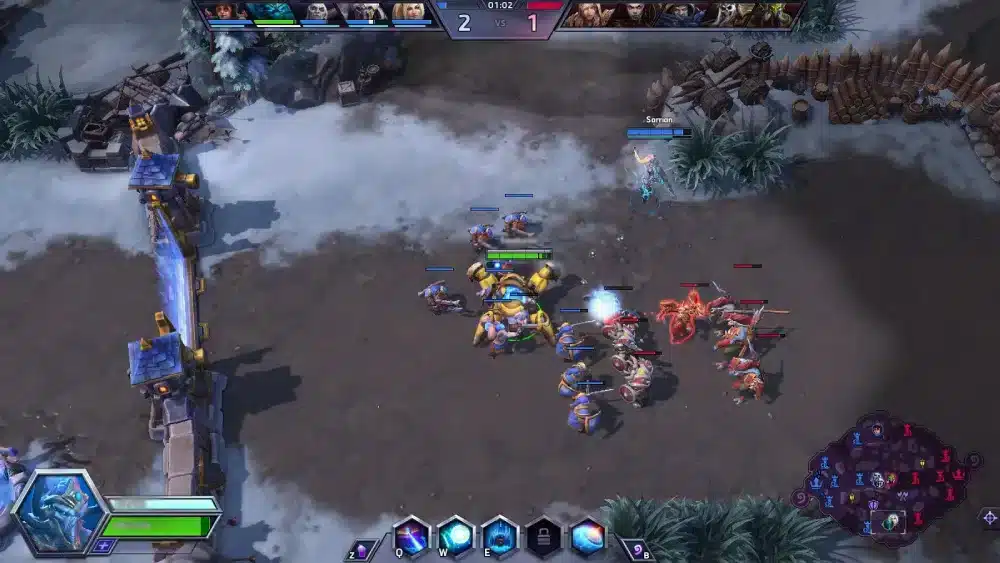
Climbing ranked tiers in Heroes of the Storm requires mental discipline and adaptability.
Draft Phase Importance
Drafting counters is critical.
Prioritize:
- Crowd control chains
- Wave clear
- Objective control tools
Late Game Decision Making
At Level 20, death timers are punishing.
One lost fight can end the match instantly.
Therefore, patience and positioning outweigh aggressive plays.
Performance Optimization for Competitive Matches
Stable performance ensures your mechanical skills translate into results.
Lag spikes during team fights can compromise entire objectives.
Using network optimization tools helps maintain stable routing paths and consistent latency during intense hots gameplay sessions.
Heroes of the Storm Meta Evolution
The meta shifts depending on balance updates and player innovation.
Historically, double support compositions and heavy engage comps have dominated at different times.
Tracking patch notes and competitive tournaments improves awareness.
For official updates, refer to Blizzard’s official page: https://heroesofthestorm.Blizzard.com/
Beginner to Advanced Progression Path
New players should focus first on:
- Map awareness
- Role fundamentals
- Talent understanding
Intermediate players refine macro rotations and team strategy.
Advanced players master draft adaptation and mechanical execution.
Common Mistakes to Avoid
Many players stagnate in Heroes of the Storm due to recurring errors.
- Ignoring objective timers
- Overextending without vision
- Fighting while talent tier behind
- Neglecting experience soaking
Eliminating these habits significantly improves win rate.
Advanced Draft Compositions and Synergy Examples
Drafting in Heroes of the Storm becomes significantly more complex at higher ranks. Understanding synergy between engage tools, follow-up burst, and sustain separates coordinated teams from fragmented ones.
Wombo Combo Compositions
A wombo combo composition focuses on layered crowd control into explosive area damage. This team strategy thrives on tight objective spaces.
Key elements usually include:
- Strong initiation tank
- AoE burst assassin
- Follow-up crowd control
- Sustained healing throughput
When executed properly in Heroes of the Storm, these compositions can end fights before opponents react.
Poke and Sustain Compositions
Alternatively, poke compositions rely on ranged pressure and gradual health advantages.
Instead of diving aggressively, this approach in hots gameplay chips away at opponents before committing.
This strategy is particularly effective on maps with extended objective phases.
Map-Specific Strategy Adjustments
Every battleground demands a slightly different macro approach in Heroes of the Storm.
Three-Lane Maps
Three-lane battlegrounds emphasize rotation speed and wave clear.
Efficient double soaking provides early talent tier advantages.
Controlling vision areas before objective spawn ensures better positioning.
Two-Lane Maps
Two-lane maps create more frequent skirmishes.
Because lanes are closer together, team fights erupt faster, demanding tighter team strategy execution.
Understanding camp timing becomes even more critical in these layouts.
Mechanical Skill Development in HOTS Gameplay
Although Heroes of the Storm reduces individual economy pressure, mechanical precision still matters.
Skill Shot Accuracy
Landing crowd control consistently determines fight outcomes.
Practicing timing and prediction increases your impact significantly.
Positioning Discipline
Positioning errors are punished immediately.
Maintaining safe spacing while dealing damage is a core pillar of elite hots gameplay performance.
Psychological Edge in Competitive Matches
Mental resilience is often underestimated in Heroes of the Storm.
Tilt Management
Losing early objectives does not automatically determine the match outcome.
Because experience is shared, coordinated comebacks remain possible.
Momentum Control
Securing consecutive objectives builds pressure and forces defensive play.
Maintaining tempo is a subtle but decisive team strategy component.
Understanding Power Spikes and Scaling
Not all Heroes of the Storm characters peak at the same time.
Some heroes scale aggressively into late game through talent upgrades, while others dominate early skirmishes.
Recognizing your team’s win condition helps dictate macro decisions.
If your composition scales late, avoid unnecessary fights before Level 16.
If you spike early, pressure structures and force engagements.
Communication Systems and Shot Calling Structure
Effective communication improves Heroes of the Storm consistency across all ranks.
Primary Shot Caller Role
One player should coordinate macro decisions.
Clear direction prevents hesitation during objectives.
Micro Communication
Short, precise callouts such as cooldown tracking enhance execution.
This level of discipline elevates coordinated hots gameplay beyond mechanical skill alone.
Climbing the Ranked Ladder Efficiently
Improving rank in Heroes of the Storm requires structured progression.
- Specialize in two roles
- Master three heroes per role
- Study replay positioning mistakes
- Track talent timing advantages
- Review objective losses critically
Consistent review accelerates development faster than raw match volume.
Comparing Heroes of the Storm to Other MOBA Titles
While many games fall under the MOBA guide umbrella, Heroes of the Storm differentiates itself through simplified economy and dynamic objectives.
Traditional titles emphasize gold management and last-hitting.
This Blizzard MOBA instead prioritizes coordination and macro tempo.
The result is faster matches with more frequent full-team engagements.
Community and Esports Legacy
Although official esports support has shifted over time, Heroes of the Storm maintains a passionate competitive community.
Grassroots tournaments and dedicated players continue to refine hots gameplay standards.
The roster depth of Heroes of the Storm characters ensures continued strategic diversity.
Final Thoughts on Heroes of the Storm
Because of its objective-driven structure and constant team fighting, connection stability is critical while playing Heroes of the Storm. ExitLag optimizes routing paths between you and game servers, reducing packet loss and stabilizing latency so your team strategy executes without delays or skill lag.
FAQ – Heroes of the Storm
Yes, the game maintains a dedicated community and continues to be playable worldwide.
Its shared experience system and objective-driven maps distinguish it from traditional models.
Team coordination is the most important factor for consistent victories.
Balance shifts occur over time, but overall roster diversity allows competitive viability.
Focus on map awareness, talent timing, and consistent communication.
Got questions or want to connect with other players? Join the conversation at the ExitLag Forum!