Designing a Minecraft medieval house is one of the most rewarding ways to elevate your world. Medieval architecture blends function and beauty, giving your base depth, realism, and a timeless survival aesthetic. Whether you are building a starter base or a full village, this style transforms your gameplay.
A Minecraft medieval house allows players to combine creativity with structure, using simple blocks to achieve highly detailed builds. Because of its versatility, this style works in survival, creative, and multiplayer environments alike.
What is a Minecraft medieval house?
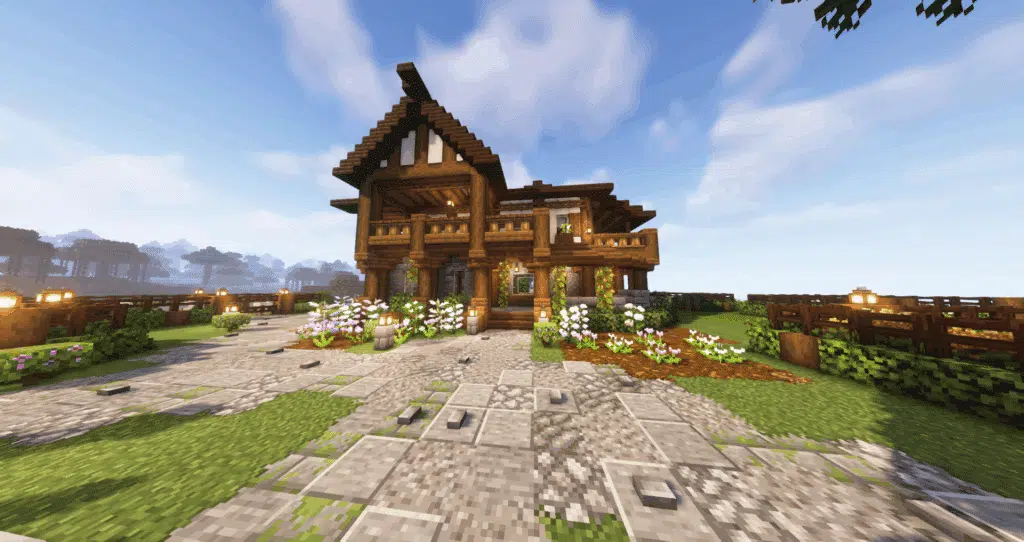
A Minecraft medieval house is a player-built structure inspired by historical European architecture, featuring timber frames, stone foundations, steep roofs, and layered details that create depth and realism within the game.
Minecraft Medieval Houses Fundamentals
Core Architectural Elements
A medieval house relies on recognizable features that define its identity. These elements are essential for authenticity and visual impact.
- Timber framing using logs
- Stone or cobblestone foundations
- Overhanging upper floors
- Steep gable roofs
- Small windows with depth
- Warm lighting using lanterns
These features help transform simple Minecraft medieval house builds into believable structures.
Why Players Choose to Build a Medieval House in Minecraft
Minecraft house medieval builds remain popular because they are both practical and visually appealing. They allow for expansion, customization, and storytelling.
- Easy to scale into villages
- Works well with natural terrain
- Creates a cozy, immersive atmosphere
- Uses accessible materials
Best Materials for Medieval House Minecraft Builds
Core Materials
Choosing the right materials defines the success of your build. A strong palette ensures cohesion and realism.
| Material | Use Case | Visual Effect |
| Oak Logs | Frame | Structural contrast |
| Spruce Planks | Walls | Warm tones |
| Cobblestone | Base | Rustic texture |
| Stone Bricks | Upgraded builds | Clean finish |
| Dark Oak | Details | Depth contrast |
| Lanterns | Lighting | Warm ambiance |
Decorative Materials
Adding detail elevates your build from simple to professional.
- Barrels for storage aesthetics
- Trapdoors for shutters
- Fences for structure depth
- Chains for hanging lanterns
- Mossy blocks for aging effect
Planning Your Medieval Minecraft House Layout
Choosing a Foundation Shape
A good layout is the backbone of any build. Avoid perfect symmetry to achieve realism.
- L-shaped designs
- Rectangular bases
- Asymmetrical footprints
- T-shaped structures
Building the Foundation
Start by placing logs vertically at each corner. Then, fill the base using cobblestone or stone bricks to create elevation.
This approach adds:
- Height variation
- Structural realism
- Strong medieval atmosphere
Building Walls with Depth and Texture
Layering Techniques
Flat walls reduce realism. Instead, combine multiple block types.
- Logs for frames
- Planks for fill
- Slabs for shadows
- Stairs for variation
Window and Detail Design
Use trapdoors and fences to enhance small details.
- Shutters using trapdoors
- Window frames with stairs
- Flower boxes for charm
Roof Design for Medieval Houses Minecraft
Roof Styles
Roofs define the silhouette of your structure. Always prioritize height and layering.
- Gable roofs
- Cross-gable designs
- Curved medieval roofs
Roof Materials
- Spruce stairs for warmth
- Dark oak for contrast
- Stone slabs for accents
Building a Minecraft Small Medieval House
Ideal dimensions for a small medieval house Minecraft
Small medieval Minecraft house builds are perfect for early survival.
- 6×6 or 7×9 base
- Loft-style interior
- Compact medieval Minecraft house designs
Layout Strategy
- Ground floor for crafting and storage
- Upper loft for sleeping
Key Tips
- Use barrels for space efficiency
- Keep roofs tall
- Add exterior details for charm
Creating Large Medieval Minecraft Houses
Expanded Features
Larger builds allow more creativity and functionality.
- Multiple rooms
- Balconies
- Storage areas
- Decorative beams
Suggested Layout
- Entrance hall
- Kitchen
- Storage room
- Bedrooms
- Library
Minecraft Medieval House Ideas: Interior Design for Immersion
Furniture Ideas
- Chairs using stairs
- Tables using slabs
- Bookshelves for libraries
- Barrels for kitchens
Lighting Techniques
- Lanterns for warmth
- Torches for simplicity
- Campfires for smoke effects
Advanced Medieval Minecraft House Techniques
Multi-Layer Wall Depth
Combine multiple elements for realism.
- Logs
- Stairs
- Slabs
- Trapdoors
Gradient Stonework
Blend different stone types to simulate aging.
- Cobblestone
- Mossy cobblestone
- Stone bricks
- Andesite
Expanding into a Medieval Village
Essential Buildings
- Blacksmith
- Stable
- Tavern
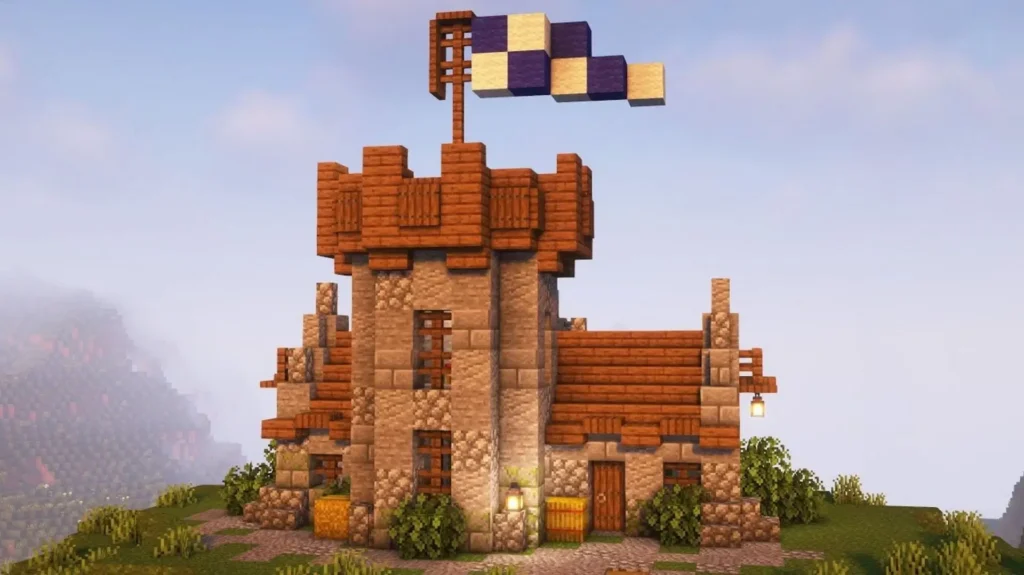
- Watchtower
- Marketplace
Path Design
Use natural materials for realism.
- Gravel
- Coarse dirt
- Mud
Biome-Based Medieval House Variations
Forest Builds
- Mossy textures
- Leaf details
Snow Builds
- Steep roofs
- Dark wood contrast
Plains Builds
- Classic layouts
- Open farms
Mountain Builds
- Stone-heavy design
- Cliff integration
Performance Tips for Large Builds
Large medieval builds can impact performance, especially on multiplayer servers.
ExitLag improves gameplay by:
- Reducing ping
- Stabilizing connection
- Improving responsiveness
Steps to optimize:
- Install ExitLag
- Select Minecraft
- Apply optimized routes
Common Mistakes to Avoid
- Flat walls without depth
- Overusing modern blocks
- Excessive symmetry
- Low roofs
Advanced Roof Construction Techniques
Layering Strategy
- Use stairs for shape
- Add slabs underneath
- Extend overhangs
Decorative Roof Elements
- Dormer windows
- Side supports
- Mixed materials
Exterior Decoration for Realism
Decorative Elements
- Flowerpots
- Lanterns
- Barrels
- Composters
Landscaping Ideas
- Bushes using leaves
- Small farms
- Stone paths
Creating Immersive Interiors
Room Design
- Kitchen areas with barrels
- Libraries with bookshelves
- Bedrooms with alcoves
Lighting Balance
Avoid overly bright lighting. Keep interiors warm and slightly dim.
Building a Medieval Neighborhood
Structure Variation
- Small cottage Minecraft medieval house
- Medium homes
- Large manors
Shared Spaces
- Wells
- Plazas
- Farms
Minecraft Medieval House Final Thoughts
A Minecraft medieval house transforms your world into a living, breathing environment filled with character and depth. By combining structure, materials, and creativity, you can build anything from a simple cottage to a grand fortress. Mastering these techniques ensures every build feels immersive, functional, and visually stunning.
Using optimized routing tools like ExitLag can significantly improve your experience when building large structures such as the Minecraft medieval house or playing on multiplayer servers. Stable connections reduce lag, making block placement smoother and exploration more responsive, especially in detailed medieval environments.
FAQ
A small build around 7×9 is ideal for beginners, while larger builds allow more customization.
Logs, planks, cobblestone, and lanterns are the most important.
Add depth, avoid symmetry, and use layered materials.
Yes, starting with small Minecraft medieval house designs helps build confidence.
Common issues include flat walls, poor material choices, and lack of detail.
Got questions or want to connect with other players? Join the conversation at the ExitLag Forum!