

If you play Fortnite, you already know one of the big draws of every fresh season: the new season Battle Pass. This pass brings a wave of new cosmetics, challenges, and rewards tailored for that season. But to really reap its benefits, you must understand the timing — when the pass drops, when it ends, and how to plan your play accordingly.
This guide walks you through everything you need to know about the new Fortnite season Battle Pass. We break down:
- what the Battle Pass actually is
- how it works across seasons
- why timing matters
- when is the best moment to purchase or unlock it
- what items and rewards to expect
- how to maximize gains through smart scheduling
Let’s dive in and make sure you’re ready the moment a new pass arrives.
What is the Fortnite Season Battle Pass?

The Battle Pass in Fortnite is a seasonal reward system tied to each season. It’s not just a cosmetic bundle — it is the core way players gain skins, emotes, gliders, back blings, pickaxes, and other cosmetic items that often become seasonal exclusives.
Fortnite Wiki
+2
Dot Esports
+2
Core aspects of the Battle Pass:
- It’s tied to a specific season; each season gets its own Battle Pass.
Dot Esports
+1 - There are typically 100 primary reward levels, with many seasons offering bonus rewards and styles beyond Level 100.
Fortnite Wiki
+1 - Players progress through the pass by gaining XP — experience earned by playing matches or completing challenges.
Epic Games Store
+2
Esports.gg
+2 - There’s a paid version (premium) and a free track: premium unlocks the full set of rewards; the free tier gives a limited number of cosmetics or V-Bucks.
Fortnite Wiki
+2
Dot Esports
+2 - Passive progression helps — especially after recent updates: Battle Pass, LEGO, Music and other passes now progress with Season XP earned from most Fortnite experiences, not just the core Battle Royale mode.
Epic Games’ Fortnite
+1
In short: the Battle Pass is your season-long roadmap for earning exclusive content. Knowing when to get it and when to grind is key — that’s where timing becomes essential.
Why Timing Matters for the Battle Pass
Timing isn’t just a “nice-to-have” — it can significantly impact how much value you get from the Battle Pass.
Early Season: Maximum Value
When the pass first drops, the entire community is fresh. New map mechanics, fresh loot, hype, and most players are motivated to complete challenges quickly. This is the best time to be active.
Avoiding Content Overlap
If you buy too late — say, halfway through a season — you may miss limited-time challenges or week-one events. That reduces the chance to unlock top-tier rewards efficiently.
Better XP Gains & Challenge Timing
Often the opening weeks of a season feature high-value quests or bonus XP rewards. Grabbing the pass early ensures you get those before they expire or rotate.
Psychological Benefit and FOMO
Because some cosmetics may not return to the game for a long time — and Battle Pass items now only become eligible for the Item Shop at least 18 months after a pass expires, with no guarantee they will ever appear — starting early reduces the risk of missing out.
The pass becomes more worthwhile when you complete more levels.
Synchronization With Other Passes
Since passes now progress using shared Season XP from any supported Fortnite experience, timing your pass purchase for periods when you expect to play a lot (for example, holidays, weekends) maximizes gains across all active passes.
Epic Games’ Fortnite
+1
In short — to make the most of the new Fortnite season Battle Pass, timing your entry strategically is as important as actually playing.
When to Get the Battle Pass: Best Timing Strategy
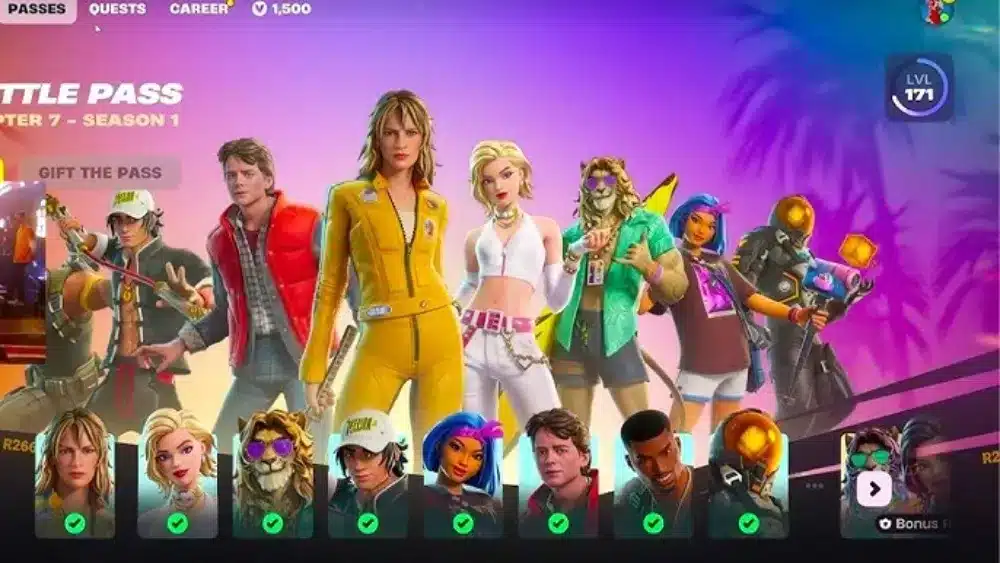
Here’s a typical timeline and strategy — when a new season starts, when to buy, and how to plan.
Ideal Moment to Buy or Unlock
- Right as new season starts: As soon as the new season launches (after maintenance and patch), it’s a great moment to unlock the pass.
- Before playing first match: If you start playing before buying, your XP from early games won’t retroactively count toward levels you could have already been earning on the pass. So buying first is usually better.
- During downtime / patch window: Many players get disconnected; once servers are back, there’s often a surge. Being ready to log in early helps you jump into matches as soon as possible.
Avoid Buying Late In Season
- If you wait until mid- or end-season, you still pay full price but have less time to earn rewards.
- Some limited-time events, week-based challenges, or bonus XP events may already be gone.
Use Downtime / Life Events Wisely
- If you know you’ll have free time (holidays, weekends, vacations), aligning pass purchase and play sessions with these boosts your chance to complete many levels quickly.
- Synchronize with other game modes — since pass progression is unified via Season XP, playing different experiences still advances your active passes.
Epic Games’ Fortnite
+1
What a New Battle Pass Season Usually Includes
When a new season arrives with its Battle Pass, you can usually expect a bundle of updates and rewards that go beyond mere cosmetics. Here’s what typically comes:
- New skins, outfits, and character models (often thematic)
Esports.gg
+2
Playbite
+2 - Gliders, pickaxes, back blings, emotes, wraps, loading screens, music packs, and more cosmetics
Fortnite Wiki
+2
Dot Esports
+2 - Free-tier rewards (V-Bucks or limited cosmetics) plus premium-tier content for those who purchase the pass
Fortnite Wiki
+1 - Seasonal challenges tied to the pass — weekly/daily quests to earn XP and unlock pass levels
Dot Esports
+2
Esports.gg
+2 - Potential bonus rewards or special crossover content (e.g. collaborations, themed cosmetics)
Beebom
+1
Because each season aims to feel fresh, the Battle Pass is typically the main driver of new content and player engagement.
Cost and Unlocking Mechanics
Here’s how you actually get access to the Battle Pass:
| Step | Requirement |
| Purchase cost | 1,000 V-Bucks for the standard Battle Royale Battle Pass (from Dec 1, 2024; regional pricing may vary). |
| Purchase method | In-game lobby → “Passes” tab → “Get Battle Pass” |
| Alternative access | Some players access it via subscription bundles (e.g., Fortnite Crew, depending on season offers). |
| Progression method | Earn Season XP via gameplay or quests — XP from supported experiences levels up multiple active passes. |
If you skip the paid pass, the free version still gives limited rewards — but you’ll miss many epic cosmetics and higher-tier bonuses.
Best Practices: How to Maximize the New Season Battle Pass
To squeeze the maximum value from your Battle Pass, follow these guidelines:
- Buy early — as soon as the pass drops, or at least before you play your first match.
- Play consistently — try to log in regularly; early weeks often bring high-value XP challenges.
- Complete weekly/daily quests — these give big XP bursts that accelerate pass progression.
- Use any mode — thanks to unified XP, you can mix experiences and still progress your passes.
- Track events and downtime — avoid missing limited-time events or bonus XP windows by checking official announcements.
- Prioritize premium rewards — if budget allows, aim for high-value pages and cosmetics first so you secure rare items early.
These methods help you advance efficiently and get the most skins, emotes, and cosmetics out of the season.
Potential Changes: How Fortnite Evolves the Battle Pass System
The developers behind Fortnite keep evolving the pass system. Some recent changes already affect how players should think about timing and value. For example:
- The progression system was updated so that passes from different modes (Battle Royale, LEGO, Music, etc.) share a unified Season XP pool — XP gained from most experiences can contribute to all active passes.
Epic Games’ Fortnite
+1 - Item exclusivity has changed: at least 18 months after a Battle Pass ends, some of its items become eligible to appear in the Item Shop, but there is no guarantee any specific item will return.
Fortnite Wiki
+2
Wikipedia
+2 - Because of cross-mode progression, timing your sessions (big weekend grinds, events, etc.) can yield better XP than sparse play over many weeks.
Adapting to these changes and planning your timing accordingly can give you an edge over less-savvy players.
Example Timing & Progression Plan

Here’s a practical plan you could follow when a new season and pass drops:
- Purchase the pass immediately after servers go live.
- Log in and complete tutorial / early quests (if any).
- Play several matches to gauge new meta and map changes — but focus on completing high-XP challenges.
- Keep track of weekly/daily quests — especially those giving large XP rewards.
- Mix different game modes to diversify XP gains (thanks to unified progression).
- Set small goals: e.g., reach level 40 by end of week one, level 70 by mid-season.
- If budget allows — aim for premium collectibles early (skins, back blings, wraps).
This approach balances fun, progression and efficiency — ideal for both casual players and those aiming for full pass completion.
When Does a Battle Pass Season End — And Why That Timing is Important
Understanding not only when a new pass begins, but when it ends, is key for maximizing value.
A typical season lasts around 10–12 weeks on average, though some run longer or shorter depending on updates and events.
Playbite
+2
Wikipedia
+2
After season end, new cosmetics become locked behind the next pass. Some may later become eligible for the Item Shop after 18+ months, but this isn’t guaranteed and may take a long time.
Fortnite Wiki
+1
Missing the last weeks may mean missing final-level bonuses and premium cosmetics.
Thus — buying early and playing consistently is better than waiting until the end. The earlier you start, the higher your chance to unlock everything.
Frequently Overlooked Timing Mistakes
Some players unknowingly hurt their Battle Pass yield simply by bad timing or habits. Watch out for:
- Buying the pass after playing a few matches — early XP might not count toward pass levels.
- Playing irregularly — missing a week or more can make catching up difficult.
- Ignoring free rewards — even free-tier items (V-Bucks, limited cosmetics) are worth obtaining.
- Focusing only on one “fun” mode — but skipping challenges that give big XP.
- Delaying purchase until near season end — paying full price for limited reward potential.
Avoiding these mistakes ensures you get the best return on your investment.
How the New Battle Pass Affects Long-Term Players
For veterans and long-time players, the evolving Battle Pass system offers both challenges and opportunities:
- With unified XP across passes, you’re not forced to stick with one experience — flexibility improves.
- You can plan ahead: if you know you’ll have free time (vacation, holidays), time it with season start to maximize rewards.
- Cosmetics from each season can become desirable and rare — owning them early increases their perceived exclusivity.
- For players subscribed to bundles like Fortnite Crew, the Battle Pass remains one of the best value routes to get a large set of cosmetics for a fixed cost.
Strategic timing and intentional play make the difference between just playing and truly mastering every season’s content.
Summary: Core Takeaways on Battle Pass Timing & Value

- The new Fortnite season Battle Pass is a structured reward system offering 100+ levels and potential bonus rewards.
- Timing — when you buy, when you play — dramatically affects how much you get out of the pass.
- Early purchase + consistent play + challenge completion = maximum unlocks.
- Unified XP across experiences means you can progress through almost any style of gameplay.
- Seasons run roughly 10–12 weeks on average; buying very late in the season reduces the effective value of the pass.
- Strategic planning pays off — both in cosmetics and enjoyment.
If you treat each pass like a limited-time opportunity, you’ll get the most out of every Fortnite season.
How ExitLag Enhances Your Season Pass Experience
During the early days of a new season, server traffic surges. Load times increase; latency spikes; matchmaking may lag. For a game like Fortnite — especially when chasing the early-season hype — stability matters. That’s where ExitLag comes in.
By optimizing routing and reducing latency, ExitLag helps ensure:
- faster matchmaking and lobby entry — important when servers flood after a patch
- stable connection during high-traffic hours — reducing ping spikes when many players log on
- smoother gameplay while grinding for Battle Pass XP — less lag means more efficient matches
- consistent performance regardless of region or time you play
With ExitLag, you maximize your time and performance — which translates into more levels, more pass rewards, and less frustration.
Start your Exitlag 3 days Trial!
Season Structure and Long-Term Planning
Knowing the long-term structure of the season can transform your strategy. Once the initial rush ends, you begin navigating the mid-season environment — a period often marked by balance adjustments, item rotations, and ongoing quest availability. These changes affect how quickly you progress through your Battle Pass.
And this is where timing becomes essential. Epic Games regularly introduces limited-time modes, XP-boost events, surprise quests, and collaborations during the mid-season window. If you miss them due to poor planning, you lose efficient opportunities that can accelerate Battle Pass progression.
What typically happens during mid-season:
- Map “micro-updates” (small POI changes or environmental tweaks)
- Loot pool rotation — new items/ weapons, vaulting/unvaulting
- Special events tied to collaborations or seasonal themes
- Additional quests or story-related XP tasks
- Bug fixes and balance changes that may affect XP or gameplay flow
To stay efficient, consistency matters more than intensity. Logging in regularly — even for short sessions — keeps you aligned with seasonal progression rhythms and helps catch new XP or event opportunities.
Optimizing XP by Game Mode
One of the strongest advantages of the current Fortnite Battle Pass system is its unified XP progression: XP earned in many different Fortnite modes counts toward active passes. Epic Games’ Fortnite+1
That means players can mix experiences without sacrificing progression efficiency.
| Mode | XP Potential | Best Use Case | Difficulty | Notes |
| Battle Royale | Medium–High | Challenges, rotation practice, normal matches | Moderate | Good for traditional seasonal quests |
| Zero Build (or other core PvP modes) | Medium | Combat XP, survival bonuses | Moderate | Solid for combat-focused challenges |
| Creative / Alternative Modes (LEGO, Festival, custom modes) | Medium–Variable | Casual XP grind, low-pressure games | Low–Variable | Useful on relaxed days or when busy |
Understanding these differences allows you to pick the most efficient mode depending on how much time you have. On busy days, a quick session in Creative or alternative modes can earn you steady XP. On days with more time or focus, Battle Royale or core PvP modes can accelerate progress.
Weekly Quests: The Backbone of Efficient Leveling
Weekly quests remain a primary source of large XP gains — often much more effective than relying just on match-to-match XP.
Why prioritize weekly quests:
- They grant significant XP per completion.
- They last throughout the season, offering consistent opportunities at predictable intervals.
- They help compensate for periods of lower playtime — even one good week can recover ground.
- They adapt to mid-season content updates, keeping rewards relevant.
For tight schedules, focusing on weekly quests is a reliable method to progress. Even if you play sporadically, weeks with quests completed can offset slower periods.
Daily Quests: Small but Valuable
Daily quests yield modest XP but are quick and easy — perfect for short play sessions. Completing a few each day can:
- Provide steady XP accumulation
- Maintain momentum and help avoid long inactivity gaps
- Offer a psychological boost — daily wins reinforce habit and consistency
Players who consistently do daily quests over the season often fare better than those who rely on long but sporadic grinding sessions.
Event XP and Seasonal Boosts
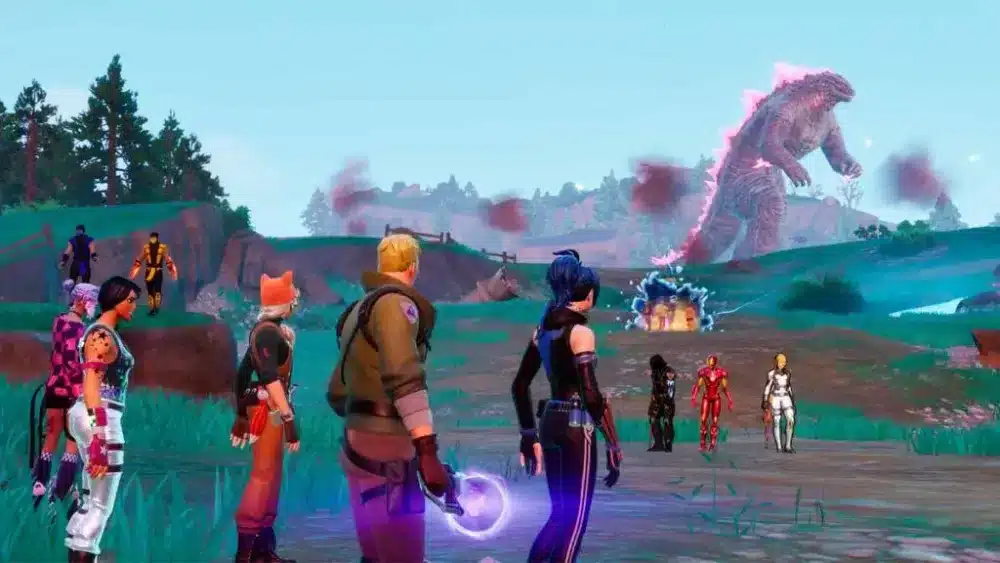
Throughout the season, Fortnite often offers XP-enhancing opportunities — such as bonus-XP weekends, special event challenges, or collaboration content. These are especially valuable for players looking to catch up or maximize pass progress quickly.
These may include:
- Bonus-XP periods or events
- Limited-time or themed challenges
- Collaboration-related quests
- New POI or mechanic-based objectives that reward extra XP
Recognizing these time windows and planning around them ensures you make the most of them — rather than missing out because of bad timing or schedule conflicts.
Managing Burnout and Maintaining Motivation
Even with the excitement of a new Battle Pass, some players may experience burnout. The key is to balance grind and fun — sustainable progress beats rushed overplaying.
Tips to stay motivated:
- Rotate through game modes each session to avoid monotony
- Set small weekly goals instead of aiming only for max level
- Play with friends for social reinforcement and variety
- Alternate between challenge-focused sessions and relaxed “fun” sessions
- Use creative or casual modes as a break between intense matches
The Battle Pass is a marathon — not a sprint. Long-term planning and balanced play lead to consistent success, not burnout.
Advanced Battle Pass Maximization Strategies
If you want to go beyond casual play and maximize efficiency, adopt a structured approach:
- Prioritize quests that require specific POIs or items — these often yield high XP and guide you through important map areas.
- Combine compatible quests — for example, complete elimination and loot-related quests in the same matches to optimize time.
- Plan rotations based on loot density — favor areas with higher chest/loot spawn rates to improve survival and resource acquisition.
- Watch for hotfixes and updates — sometimes XP gains, item spawns or loot tables change mid-season. Adjust accordingly.
- Use casual or creative modes wisely — especially when time is limited, these modes may yield easier XP with less pressure.
This structured approach tends to maximize XP per minute played — especially when combined with awareness of seasonal timing and events.
Why Connection Stability Dramatically Affects XP Gains
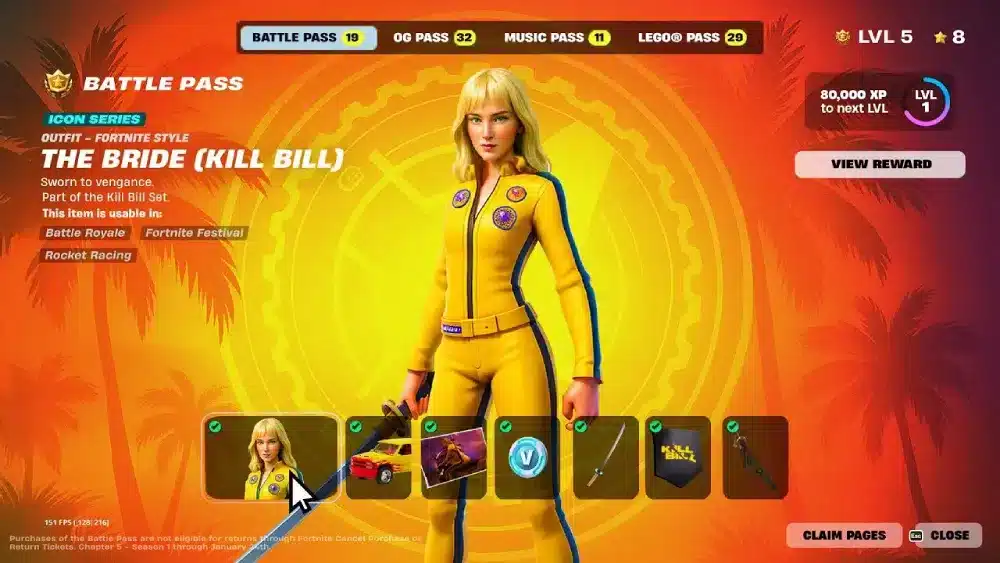
Unstable connection, lag spikes, or server issues can negatively impact performance: fewer eliminations, early knockouts, or failure to complete objectives — all of which reduce XP gains. For players grinding Battle Pass tiers efficiently, stability matters.
Using a connection optimizer (like ExitLag) can reduce packet loss, latency spikes, and input lag — which helps maintain consistency during matches, especially at peak times or high traffic moments.
Final Thoughts: Why the Battle Pass Matters Every Season
As you progress through the new Fortnite season Battle Pass, remember that efficiency comes from strategy — not just from playing more, but from playing smarter. By mastering quests, managing game modes, timing your sessions around events, and optimizing your connection, you unlock more rewards with less stress.
The Battle Pass remains one of Fortnite’s strongest progression systems because it rewards both casual players and committed grinders. Your consistency, planning, and approach determine your final success. And with stable connection and smart scheduling, you eliminate technical obstacles between you and full completion.
Ultimately, the new Fortnite season Battle Pass is more than a set of cosmetics — it’s a seasonal journey. Mastering it means finishing each pass with a sense of accomplishment, style, and maximum reward.
FAQ — Frequently Asked Questions
It’s a seasonal progression system that lets you unlock exclusive skins, emotes, back blings, V-Bucks, and cosmetic items by earning XP throughout the season.
The standard price is 950 V-Bucks. A premium upgrade may be available depending on the season.
Most seasons last around 10–12 weeks, giving players plenty of time to unlock every tier if they stay consistent.
Got questions or want to connect with other players? Join the conversation at the ExitLag Forum!