

Open world games have transformed the way players experience digital worlds. Instead of following a strict linear path, players can explore massive environments, discover secrets, complete quests in any order, and create their own unique journey.
Open world games represent one of the most popular genres in modern gaming because they prioritize freedom, immersion, and exploration. From fantasy kingdoms to futuristic cities and massive desert landscapes, these games allow players to explore environments that feel alive and reactive.
What Are Open World Games?
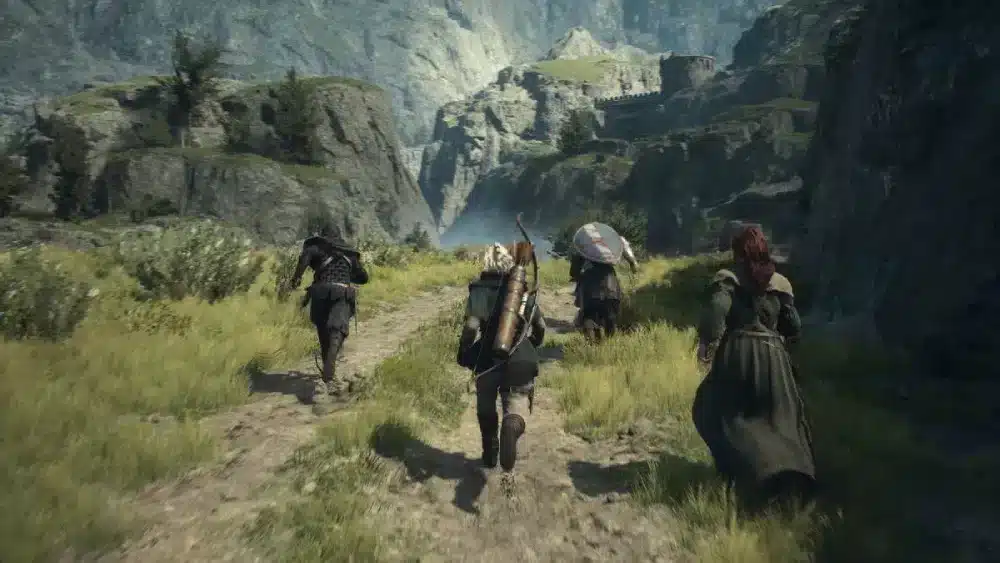
Open world games are video games designed around large, explorable environments where players can move freely, interact with characters, complete quests, and progress through the story without following a strict linear structure.
These titles also span many genres. Players can enjoy open world survival games, deep role‑playing adventures, driving simulators, and even massive sci‑fi universes where exploration becomes the core gameplay experience.
The flexibility offered by open world games is exactly what makes them so appealing. Instead of being forced through scripted levels, players can experiment, explore, and create their own stories inside dynamic digital landscapes.
Open World Games and the Evolution of Exploration
The concept of exploration in gaming did not appear overnight. In fact, open world games have evolved through decades of experimentation, technological advances, and player expectations.
Early Experiments With Open Worlds
The roots of open world games can be traced back to early computer RPGs that allowed players to roam across large maps instead of progressing through fixed levels.
One of the earliest examples is Ultima I: The First Age of Darkness, released in 1981. This game allowed players to travel freely across a large fantasy world, interact with towns, and complete quests in a non‑linear way.
Although primitive by today’s standards, the game introduced key ideas that still define open world games today:
- Player freedom
- Non‑linear exploration
- Multiple quest paths
- Large interactive environments
These ideas laid the groundwork for the future of open world gaming.
The Rise of Modern Open World Design
As gaming technology improved, developers began building increasingly complex environments.
Titles such as The Legend of Zelda expanded the idea of exploration, encouraging players to wander through forests, discover secrets, and solve puzzles scattered throughout the world.
However, the genre truly exploded with the release of Grand Theft Auto III in 2001. This game introduced a living city where players could explore streets, accept missions in different orders, or simply roam freely.
From that moment forward, open world games became a dominant force in the industry.
Best Open World Games That Defined the Genre
Some titles have played a crucial role in shaping what we now consider modern open world design.
The Witcher 3 and Narrative‑Driven Worlds
Few games demonstrate storytelling in open world games better than The Witcher 3: Wild Hunt.
The game combines expansive environments with meaningful quests that influence the story and the world itself. Every village, forest, and mountain range feels purposeful.
Players also experience deep character development, complex moral decisions, and exploration that constantly rewards curiosity.
Red Dead Redemption 2 and Living Ecosystems
Another milestone in the evolution of open world games is Red Dead Redemption 2.
The game features an incredibly detailed environment where wildlife, NPC behavior, and environmental systems interact dynamically.
Players can hunt, explore mountains, rob trains, or simply ride across the countryside while discovering hidden locations.
Elden Ring and Exploration‑Driven Gameplay
Elden Ring introduced a new approach to open world design by minimizing traditional quest markers and encouraging natural discovery.
Instead of guiding players through icons and map markers, the world itself becomes the guide.
This approach rewards exploration and curiosity, making it one of the most influential action role playing open world games of recent years.
Popular Categories of Open World Games
Open world games exist across many different genres. Each category offers unique mechanics and experiences.
Open World RPG Adventures
Role‑playing games are one of the most common forms of open world experiences.
In these games, players create characters, develop skills, and progress through complex narratives.
Popular examples include:
- Elden Ring
- The Witcher 3
- Hogwarts Legacy
These titles represent some of the most immersive open world action role playing game experiences available today.
Open World Survival Games
Survival mechanics add tension and strategy to exploration.
In open world survival games, players must gather resources, craft equipment, and survive hostile environments.
Common gameplay elements include:
- Resource gathering
- Crafting systems
- Base building
- Environmental hazards
Popular survival open world titles include Rust, ARK Survival Evolved, and Valheim.
Open World Driving and Racing Experiences
Not all open world games focus on combat or storytelling.
Some emphasize exploration through vehicles and racing mechanics.
Examples include open world racing games where players can drive across huge maps filled with highways, cities, and off‑road areas.
The Forza Horizon series is one of the best examples of this type of gameplay.
Exploring Open World Driving Games and Car Experiences
Vehicle‑focused games are another major part of the open world genre.
Open World Car Games and Driving Freedom
Many players enjoy the freedom of open world car games, where the focus is on exploration rather than structured racing events.
These games allow players to:
- Drive freely across large maps
- Discover hidden routes
- Customize vehicles
- Participate in spontaneous races
This freedom creates a relaxed but engaging gameplay loop.
Realistic Driving Simulations
Some open world driving games focus on realism and simulation.
These titles replicate real‑world physics, vehicle handling, and traffic systems.
For players who enjoy driving mechanics and exploration, these games offer a perfect combination of immersion and freedom.
Star Wars and Sci‑Fi Open World Adventures
Science fiction is another genre that benefits greatly from open world design.
The Rise of the Star Wars Open World Game
Fans have long wanted a massive Star Wars open world game where they could explore planets, space stations, and alien ecosystems.
Modern technology finally makes these experiences possible.
Developers are currently experimenting with large‑scale open world Star Wars game projects that combine exploration, storytelling, and large interplanetary maps.
Space Exploration and Massive Universes
Sci‑fi open world games often include:
- Interplanetary travel
- Procedurally generated planets
- Space combat
- Resource mining
These mechanics create some of the most ambitious open world games ever designed.
Comparison of Major Open World Game Experiences
| Game | Genre | Exploration Style | Platforms |
| The Witcher 3 | RPG | Story‑driven exploration | PC, PlayStation, Xbox |
| Red Dead Redemption 2 | Action Adventure | Living open world | PC, PlayStation, Xbox |
| Elden Ring | Action RPG | Discovery‑driven exploration | PC, PlayStation, Xbox |
| Forza Horizon 5 | Racing | Vehicle exploration | PC, Xbox |
| Hogwarts Legacy | RPG | Magical world exploration | PC, PlayStation, Xbox |
Each of these titles highlights different strengths of modern open world games.
Why Open World Games Are So Popular
The popularity of open world games continues to grow for several important reasons.
First, players enjoy the sense of freedom these games provide. Instead of being forced down a predetermined path, they can explore the world however they choose.
Second, modern hardware allows developers to create massive environments filled with dynamic systems, characters, and emergent gameplay.
Third, exploration rewards curiosity. Players constantly discover hidden locations, side quests, and secrets.
Many of the best open world games are remembered not only for their story but for the countless unexpected moments players experience while exploring.
Top Open‑World Games With Best Exploration

Some titles stand out specifically for their exploration design.
These games encourage players to leave the main story behind and simply wander through the world.
Exploration‑Focused Design
Games with excellent exploration usually include several elements:
- Unique landmarks
- Hidden dungeons
- Environmental storytelling
- Dynamic world events
These elements ensure that players are constantly rewarded for curiosity.
Player‑Driven Discovery
In many of the top open-world games with best exploration, the world itself guides players rather than quest markers.
This approach creates a sense of adventure that closely resembles exploring real environments.
Players may climb mountains, dive underwater, or discover forgotten ruins without ever receiving a quest directing them there.
The Future of Open World Games
Open world games continue to evolve rapidly as technology improves.
Artificial Intelligence and Dynamic Worlds
Artificial intelligence is becoming increasingly important in open world design.
Advanced AI systems allow NPCs to react dynamically to player behavior, creating more believable and immersive environments.
Future open world games may include entire ecosystems that evolve independently of player actions.
Procedural Generation and Infinite Worlds
Procedural generation allows developers to create enormous environments without manually designing every location.
This technology can generate planets, cities, and landscapes dynamically.
The result is nearly limitless exploration opportunities.
Persistent Multiplayer Worlds
Another major trend is persistent multiplayer environments.
In these worlds, players share the same evolving environment, influencing events and shaping the game’s future together.
This concept combines sandbox gameplay with large‑scale social interaction.
Open World Games and Performance Optimization
As worlds become larger and more complex, performance becomes increasingly important.
Large environments require fast data streaming, stable network connections, and optimized routing for multiplayer interactions.
This is particularly important in online open world games where latency can impact combat, exploration, and cooperative gameplay.
Optimizing connection routes ensures players can fully enjoy the scale and complexity of modern open world environments.
Open World Games: Discover Your Next Adventure
Open world games continue to redefine interactive entertainment by offering vast environments, dynamic systems, and unprecedented freedom. From survival challenges to massive RPG adventures and high‑speed driving experiences, these games offer something for every type of player.
Because open world games encourage exploration, experimentation, and discovery, they remain one of the most exciting genres in the gaming industry.
Players searching for good open world games will always find new worlds to explore, secrets to uncover, and stories to create within these expansive virtual landscapes.
Conclusion About Open World Games
Because many open world games titles rely on online connectivity, tools like ExitLag help improve stability and reduce lag in large multiplayer worlds. This ensures smoother exploration, faster matchmaking, and a more reliable experience when playing expansive open environments.
FAQ
Open world games are video games that allow players to explore large environments freely. Instead of following a linear structure, players can choose where to go, which missions to complete, and how to interact with the world.
The best open world games combine exploration, meaningful quests, immersive environments, and dynamic systems that react to player decisions.
Many open world survival games are challenging because players must manage resources, craft tools, and survive environmental dangers while exploring large maps.
Some popular open world driving games include Forza Horizon, The Crew, and other titles that allow players to explore large environments with vehicles.
Yes. Action RPGs with open worlds are extremely popular because they combine combat, character progression, exploration, and storytelling in massive interactive environments.
Got questions or want to connect with other players? Join the conversation at the ExitLag Forum!

