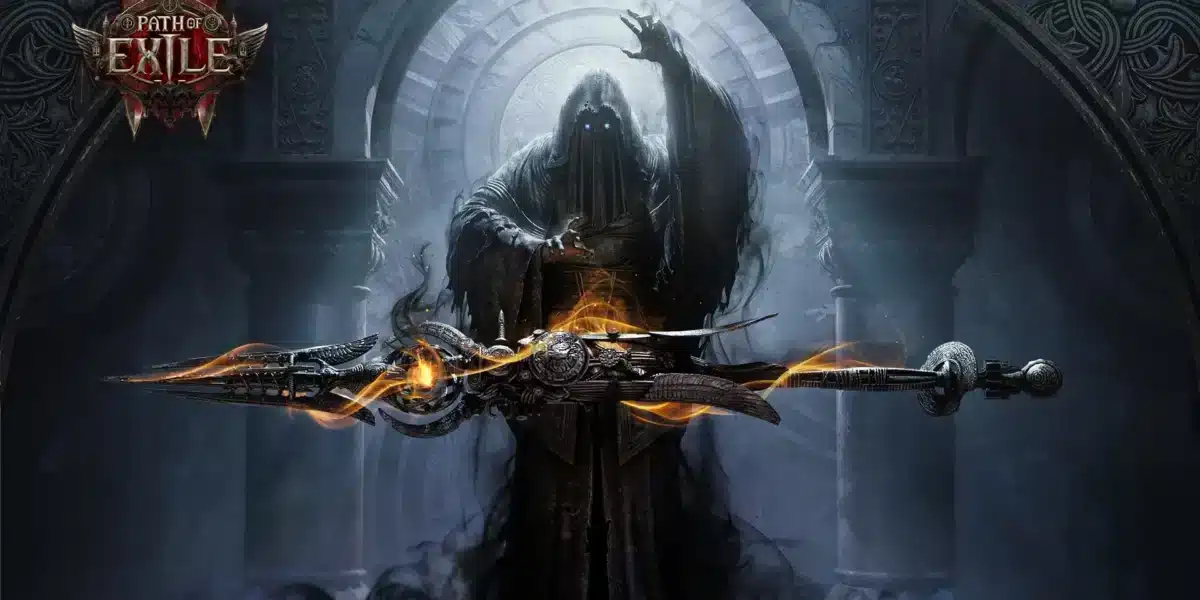
Path of Exile Varashta, the Winter Sekhema is one of the most intriguing figures connected to the lore of the Trial of the Sekhemas. Introduced through the world of Wraeclast’s eastern civilizations, Varashta represents a tragic chapter filled with betrayal, ancient powers, and the collapse of an entire culture that once flourished across the Vastiri Desert.
Whether you’re exploring the Trial of the Sekhemas for the first time or trying to understand the relationship between Varashta, the Winter Sekhema, The Broken Chain, and the rulers of the Maraketh, this guide explains the character’s origins, major story events, and important lore surrounding one of Path of Exile’s most memorable encounters. And before we continue, know that to know more about all the relevant content about gaming, you just have to check our blog.

What is Path of Exile Varashta, the Winter Sekhema?
Path of Exile is a free-to-play action RPG developed by Grinding Gear Games. Beyond its deep gameplay systems, the game features an extensive world filled with ancient civilizations, legendary warriors, and powerful historical figures whose stories continue to shape modern Wraeclast.
Within this universe, Path of Exile Varashta, the Winter Sekhema stands as a legendary Maraketh leader whose story is closely connected to sacrifice, corruption, and the harsh trials that define the Trial of the Sekhemas. Rather than serving as a simple boss encounter, Varashta represents an important piece of the game’s expanding narrative.
The Trial of the Sekhemas
The Trial of the Sekhemas is one of Path of Exile’s major endgame-inspired progression systems, challenging players through a series of increasingly dangerous encounters that reward careful planning instead of reckless aggression.
Unlike traditional boss fights, success depends on managing both combat and resource preservation while navigating multiple interconnected trials.
Throughout the Trial, players encounter important figures tied to Maraketh history, including:
- Varashta, the Winter Sekhema
- Zarokh
- Saresh
- The Afarud
- Various Djinn manifestations
Each encounter gradually reveals more about the ancient conflicts that shaped the Vastiri civilization.
Breaking the Chain
One of the central themes surrounding Varashta is Breaking the Chain, a symbolic concept tied to freedom, sacrifice, and resistance against corruption.
Rather than representing only a physical struggle, the phrase reflects the Maraketh’s ongoing battle against forces attempting to dominate both their homeland and their identity.
This theme appears repeatedly throughout the Trial, influencing both its narrative and its individual encounters.
You may also like: Addressing Sound Bugs in Path of Exile: troubleshoot to get rid of the issue
The Broken Chain and the Maraketh
The phrase The Broken Chain carries significant meaning within the Trial of the Sekhemas.
It symbolizes the collapse of old loyalties while highlighting the difficult choices made by the Maraketh leaders during their struggle for survival.
Instead of presenting simple heroes and villains, the story portrays characters forced into impossible decisions that ultimately reshape their civilization.
The Afarud
Among the important groups connected to Varashta are The Afarud, whose history intertwines with both the Trial and the political struggles of the Vastiri Desert.
Although their role evolves throughout the narrative, they contribute significantly to understanding how ancient alliances eventually fractured.
Their presence reinforces one of the game’s recurring themes:
- Duty versus freedom
- Tradition versus survival
- Loyalty versus corruption
These conflicts help define much of Varashta’s personal story.
Zarokh and the Prison of Time
Another major figure connected to Varashta is Zarokh, whose influence extends throughout the Trial of the Sekhemas.
The mysterious Prison of Time serves as both a physical location and a symbolic representation of the consequences created by ancient ambitions.
As players progress through the Trial, the relationship between Zarokh and Varashta gradually becomes clearer, revealing how past decisions continue affecting the present world.
Read also: Path of Exile 2 0.5 guide for better performance and smoother gameplay
Saresh and the fall of the Winter Sekhema
No discussion of Varashta is complete without understanding Saresh, another pivotal character within the Maraketh narrative.
Saresh’s Defeat
The events surrounding Saresh’s Defeat mark one of the defining turning points in the Trial’s storyline.
Rather than representing a simple military loss, the defeat accelerates the unraveling of long-standing alliances while exposing deeper supernatural forces at work.
This tragedy directly influences Varashta’s transformation into the Winter Sekhema, permanently altering both the character and the future of the Maraketh.
The Winter of the World
The title The Winter of the World refers to more than seasonal imagery.
Instead, it symbolizes an era of despair, conflict, and spiritual decline following the collapse of ancient leadership.
This concept appears repeatedly throughout the Trial of the Sekhemas, reinforcing the emotional weight behind Varashta’s story while connecting several major characters into one overarching narrative.
Before facing encounters throughout the Trial of the Sekhemas, maintaining a stable online connection is just as important as understanding boss mechanics. ExitLag helps reduce ping, optimize routing, and improve network stability, allowing you to experience Path of Exile Varashta, the Winter Sekhema with smoother gameplay during every challenge.
Check also: Path of Exile Store: Your Ultimate Guide to the Official Marketplace
Kulemak and the ancient Djinn
As players progress through the Trial of the Sekhemas, they encounter additional figures that expand the history surrounding Varashta and the Maraketh civilization. Among the most significant are Kulemak and the mysterious Djinn, both of whom help explain the supernatural forces influencing the Trial.
Rather than existing as simple enemies, these characters deepen the narrative by revealing how ancient power shaped the fate of the Vastiri Desert.
The Djinn
The Djinn are powerful mystical beings connected to forgotten relics and ancient magic.
Throughout the Trial, they serve as reminders that many of Wraeclast’s greatest conflicts originated from forces beyond ordinary human control.
Their influence can be seen in:
- Ancient relics
- Magical trials
- Sacred locations
- Historical conflicts
- Corrupted artifacts
Their presence reinforces the mystical atmosphere that defines the Trial of the Sekhemas.
Sentenced Criminals
Another recurring element is the appearance of Sentenced Criminals, individuals whose punishment became intertwined with the Trial itself.
Rather than existing only as background lore, these characters demonstrate how justice, survival, and sacrifice often overlap throughout Maraketh history.
Their stories emphasize that the Trial was never intended solely as a test of strength, but also of character.
You may also like it: Overview of New Classes in Path of Exile 2: understand the basics to improve your gaming
The Vastiri Desert and its ancient powers
The Vastiri Desert serves as the backdrop for much of Varashta’s story.
This harsh environment shaped the culture, traditions, and survival instincts of the Maraketh long before the events players experience.
Mirages
Among the desert’s most recognizable phenomena are the mysterious Mirages.
These illusions blur the line between reality and memory, creating challenges that test more than combat ability.
Players often encounter visions that reflect:
- Forgotten battles
- Ancient rulers
- Personal sacrifice
- Hidden truths
- Lost civilizations
These moments contribute to the Trial’s unique storytelling approach.
Saresh’s Darkness
The corruption known as Saresh’s Darkness represents one of the central threats surrounding the Trial.
Rather than functioning as simple evil, this force symbolizes despair, obsession, and the gradual loss of hope experienced by many of the Trial’s participants.
Its influence spreads across multiple storylines, connecting several important characters throughout the narrative.
Check also: Understanding Early Access Costs for Path of Exile 2 and how to play the game in beta season
Sacred relics and legendary artifacts
Ancient relics play an essential role in understanding both Varashta’s story and the broader history of the Maraketh.
Many of these objects symbolize the conflict between preservation and corruption.
Solerai’s Radiance and The Flame of Hope
Among the most important sacred relics are Solerai’s Radiance and The Flame of Hope.
These legendary objects represent resilience and the determination to preserve civilization despite overwhelming adversity.
Their symbolism appears repeatedly throughout the Trial, reinforcing the themes of sacrifice and perseverance.
The Bane of Hope and Fleshrender
Not every artifact carries benevolent power.
The Bane of Hope and Fleshrender reflect the destructive consequences of corruption and unchecked ambition.
These relics remind players that powerful artifacts often come with equally dangerous consequences.
Skysunder and the sacred chalices
Several additional relics expand the Trial’s rich mythology.
Among the most notable are:
- Skysunder
- The Desecrated Chalice
- The Sacred Chalice
- Khatal’s Weeping
- Khatal’s Geyser
Each artifact contributes another piece of the historical puzzle surrounding the Maraketh and the Trial of the Sekhemas.
Rather than existing merely as collectibles, these relics reinforce the themes of memory, sacrifice, and redemption that define Varashta’s journey.
You may also like:Exploring Party Sizes in Path of Exile 2: gather your friends to play as a group
Version history
Like many lore-rich systems in Path of Exile, the Trial of the Sekhemas continues to evolve through major expansions.
Grinding Gear Games periodically refines both gameplay mechanics and narrative presentation to improve the player experience.
Ongoing improvements
Recent updates have focused on areas such as:
- Encounter balance
- Boss mechanics
- Reward structure
- Narrative presentation
- Overall progression flow
These adjustments help ensure the Trial remains engaging for both new and returning players.
Why version history matters
Reviewing the Version history provides valuable context for understanding how encounters and mechanics have evolved.
Changes introduced through patches often affect:
- Difficulty
- Rewards
- Encounter pacing
- Balance
- Overall player strategy
Keeping up with patch notes allows players to prepare more effectively before entering the Trial.
Path of Exile Varashta, the Winter Sekhema overview
| Category | Details |
| Character | Varashta, the Winter Sekhema |
| Location | Trial of the Sekhemas |
| Region | Vastiri Desert |
| Major Characters | Zarokh, Saresh, Kulemak, The Afarud |
| Themes | Sacrifice, corruption, redemption |
| Important Relics | Solerai’s Radiance, Sacred Chalice, Skysunder |
| Narrative Focus | Ancient Maraketh history |
How ExitLag improves your Path of Exile experience
The Trial of the Sekhemas features demanding encounters where movement, timing, and quick reactions are essential. Even experienced players can struggle if network instability causes delayed inputs or sudden lag spikes.
ExitLag helps optimize your connection by:
- Reducing ping
- Improving routing stability
- Minimizing packet loss
- Delivering smoother online gameplay
- Increasing responsiveness during boss encounters
Whether you’re exploring the Trial of the Sekhemas, progressing through seasonal leagues, or farming endgame content, ExitLag helps create a more stable online experience. You can also try the free trial before your next adventure in Wraeclast. Use the free trial to explore all features!
Frequently asked questions (FAQ)
Who is Path of Exile Varashta, the Winter Sekhema?
Path of Exile Varashta, the Winter Sekhema is an important lore character associated with the Trial of the Sekhemas and the history of the Maraketh civilization. The character’s story explores sacrifice, corruption, and the downfall of ancient leadership.
What is the Trial of the Sekhemas?
The Trial of the Sekhemas is a progression system that combines challenging encounters, resource management, and narrative storytelling. Players face multiple trials while uncovering the history of characters such as Varashta, Zarokh, and Saresh.

Is Path of Exile compatible with ExitLag?
Yes. Since Path of Exile is an online PC game, ExitLag is fully compatible. It optimizes network routing to improve connection stability during mapping, boss encounters, and challenging content like the Trial of the Sekhemas. You should check more games compatible with ExitLag at our official games page.
Does ExitLag improve Path of Exile performance?
ExitLag improves network performance by reducing latency, stabilizing routing, and minimizing packet loss. While it does not increase FPS or graphical performance, it helps provide smoother and more responsive online gameplay. Find out how it works on our technology page!
Why is Varashta important to the game’s lore?
Varashta represents one of the central figures in the history of the Maraketh. The character’s journey connects many of the Trial’s themes, including sacrifice, redemption, corruption, and the consequences of ancient conflicts that continue shaping Wraeclast.
In conclusion
Path of Exile Varashta, the Winter Sekhema is far more than a memorable boss encounter. Through connections with the Trial of the Sekhemas, the Vastiri Desert, Zarokh, Saresh, and numerous legendary relics, the character helps tell one of Path of Exile’s richest stories about leadership, sacrifice, and the cost of preserving hope.
By understanding this narrative, players gain a deeper appreciation for the Trial’s mechanics and the broader history of Wraeclast. To enjoy these encounters with maximum responsiveness, ExitLag helps reduce ping, improve connection stability, and deliver smoother gameplay throughout your Path of Exile Varashta, the Winter Sekhema adventure. Download ExitLag now!
Got questions or want to connect with other players? Join the conversation at the ExitLag Forum!