

Stepping onto the battle island wearing an elusive outfit commands instant respect from entire lobbies. When players drop from the Battle Bus, spotting an ancient cosmetic signals an opponent with unmatched historical dedication. Therefore, understanding the legacy behind the Rarest Fortnite Skin gives competitive collectors a clear roadmap of gaming history.
Acquiring these coveted visual Grails often required purchasing expensive real-world tech hardware or conquering early level milestones. Indeed, tracking down the true Rarest Fortnite Skin requires separating permanent promotional exclusives from standard shop rotations that return periodically. Because account safety remains vital when discussing discontinued cosmetics, learning official exclusivity policies protects players from dangerous secondary marketplaces.
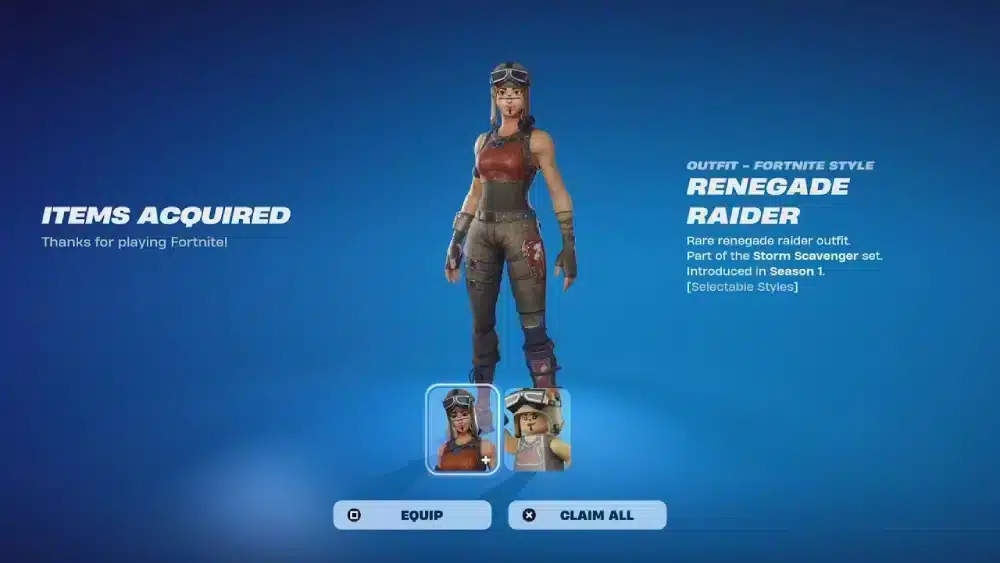
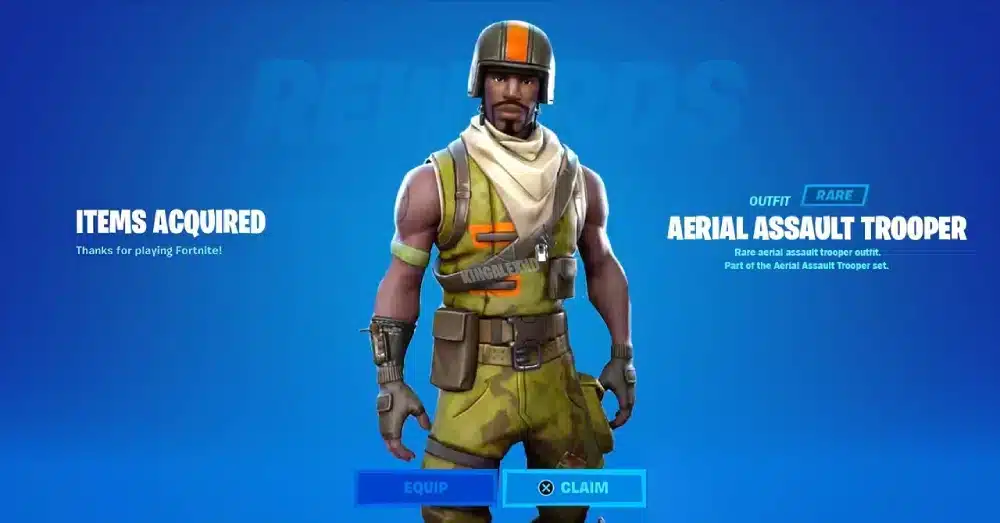
The consensus Rarest Fortnite Skin in the game is Aerial Assault Trooper, closely followed by Renegade Raider from the original Season 1 Seasonal Shop. These vintage cosmetics required players to reach specific level gates before buying them with V-Bucks during the game’s infancy. Other legendary contenders include hardware exclusives like Double Helix, Galaxy, and the Honor Guard outfit.
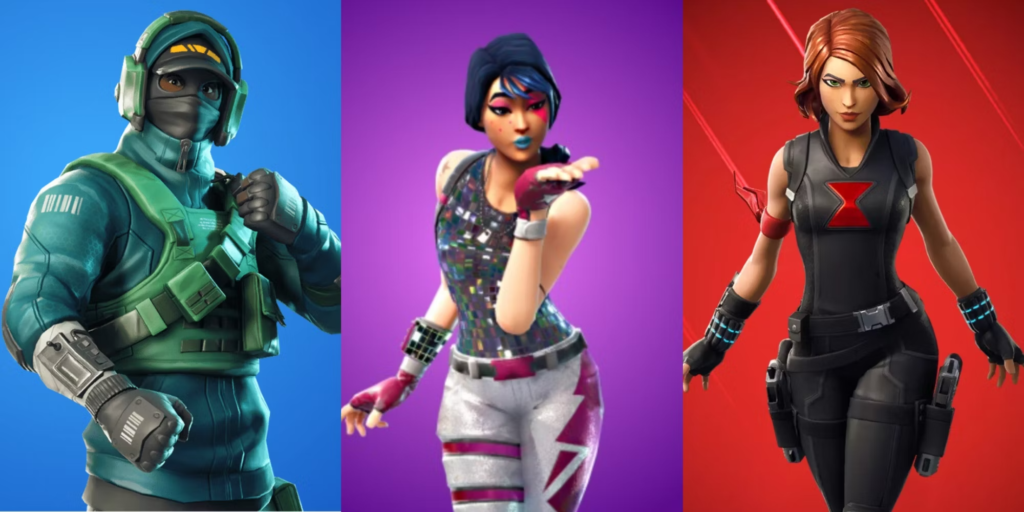
What Is The Rarest Skin In Fortnite History?
Identifying which cosmetic holds the absolute crown requires analyzing player population statistics during the game’s earliest seasonal releases. During the pre-Battle Pass era, the original Seasonal Shop demanded specific level grinds before allowing players to spend currency.
Furthermore, most early adopters prioritized other cosmetics, leaving one specific fighter sitting at the pinnacle of scarcity.
- Aerial Assault Trooper required reaching Level 15 before costing 1,200 V-Bucks in the Seasonal Shop.
- Renegade Raider required Level 20 alongside a purchase price of 1,200 V-Bucks during that same window.
- Player numbers were a tiny fraction of current active counts, making early unlocks exceptionally scarce today.
- Epic Games permanently vaulted original Seasonal Shop cosmetics to honor early foundational pioneers.
Consequently, running into an authentic Aerial Assault Trooper today in competitive lobbies remains a once-in-a-lifetime sight.
Why Aerial Assault Trooper Outranks Renegade Raider
While Renegade Raider enjoys massive cultural prestige among content creators and pro competitors, statistics paint a different story. In early seasonal circles, the rugged military helmet of Aerial Assault Trooper attracted significantly fewer cosmetic sales.
Moreover, players who reached higher level tiers universally gravitated toward the distinctive face paint of the Raider.
- Review early Seasonal Shop archives showing player purchasing trends favoring flashy character models.
- Recognize that Aerial Assault Trooper was viewed as plain compared to alternative early outfits.
- Understand that lower total purchases created an unintentionally smaller circulating inventory count.
- Observe that high-stakes competitive tournaments treat the helmeted trooper as the definitive legacy flex.
Thus, pure market math cements Aerial Assault Trooper as the statistically hardest original cosmetic to find.
The Prestige Of Early Battle Pass Outfits
Following the initial Seasonal Shop experiment, the formal seasonal progression pass debuted with the Fort Knights collection. The fearsome Black Knight served as the ultimate Tier 70 reward for dedicated grinders who completed every daily objective.
In addition, completing that early pass required relentless daily engagement before modern weekly challenge catch-up mechanics existed.
- Black Knight demands the complete conquest of the Tier 70 reward track in the original pass.
- The Reaper provided the original suit-wearing assassin aesthetic at Tier 100 in early seasons.
- Sparkle Specialist and Blue Squire represent secondary tier unlocks that remain permanently vaulted today.
- Completing early battle passes required manual daily logins without end-of-season XP booster tokens.
Therefore, rocking dark medieval knight armor proves that a player dominated the island long before the game reached mainstream heights.
Top Hardware Bundles And The Rarest Skins In Fortnite
Beyond seasonal progression systems, hardware manufacturers partnered with developers to bundle exclusive digital cosmetics alongside high-end physical tech. Because claiming these outfits demanded buying complete gaming consoles or smartphones, ownership numbers remained extraordinarily tiny.
Furthermore, studying these collaborations reveals why Rarest Skins In Fortnite often carry staggering secondary market values.
- Double Helix required purchasing a specific limited-edition Nintendo Switch hardware bundle.
- Galaxy demanded testing or purchasing a premium flagship smartphone or tablet at launch.
- Honor Guard tied directly to purchasing an international high-end Android smartphone model.
- Eon arrived exclusively packed inside dedicated white Xbox One S hardware packages.
Selecting these hardware collaborations rewarded tech enthusiasts with striking digital designs that standard shop buyers could never touch.
The Legendary Double Helix Console Bundle
Among console-exclusive bundles, the Double Helix package stands as the most elusive hardware cosmetic ever released. The bundle included a white and red themed tactical fighter alongside matching glider and pickaxe accessories.
Moreover, physical boxes containing unused digital redemption vouchers have virtually disappeared from global retail inventory.
- Confirm that Double Helix redemption codes expired permanently following promotional end dates.
- Check collector registries where sealed console boxes command astronomical prices from hardware enthusiasts.
- Note the crisp red and white color palette that provides exceptional visual clarity during build battles.
- Realize that zero digital Item Shop paths exist for this console collaboration to ever reappear.
Consequently, spotting a verified Double Helix in ranked matches commands immediate attention from experienced squadmates.
The Rise And Vaulting Of Galaxy And Honor Guard
Mobile tech collaborations brought eye-catching animated visual effects to the island that pushed graphical boundaries. The iconic Galaxy outfit turned heads by projecting moving cosmic star fields directly across the character’s physical model.
In addition, claiming Galaxy required physically logging into a flagship device and playing full matches before validation.
- Galaxy required downloading the mobile client onto specific retail showroom devices during its active window.
- Honor Guard demanded an international Android smartphone purchase, excluding North American domestic buyers.
- Wonder arrived as another mobile exclusive featuring bright iridescent purple and teal colorways.
- Stealth Reflex originated from qualifying PC graphics card purchases before receiving an exclusive variant.
Thus, these lavish technological cross-promotions created some of the most stunning and inaccessible Grails in gaming history.
What’s The Rarest Skin In Fortnite From The Item Shop?
While Battle Pass and hardware skins enjoy guaranteed permanent exclusivity, standard Item Shop rotations feature their own elusive category. Certain outfits vanished from rotating store shelves due to real-world controversies, licensing expirations, or sudden design reworks.
Consequently, answering What’s The Rarest Skin In Fortnite from the shop involves tracking days since last appearance.
- Rue disappeared following community debates regarding her vintage aesthetic resembling historical military attire.
- Travis Scott and Astro Jack remain vaulted following promotional agreement suspensions after real-world concert events.
- World Warrior served as a three-day celebration exclusive for the inaugural World Cup championship finals.
- Reflex accidentally appeared in the daily shop for 1,200 V-Bucks before developers locked the original variant.
Therefore, shop cosmetics can unexpectedly transform into legendary rarities whenever corporate or artistic issues keep them vaulted.
The Curious Case Of The Rue Outfit
Rue debuted as a sleek French agent featuring a crimson trench coat and beret, capturing praise for clean aesthetics. However, design parallels drawn by online communities caused developers to remove the character from store rotations indefinitely.
Furthermore, her absence spanning thousands of consecutive shop refreshes has elevated her to mythic collector status.
- Note that Rue last appeared in daily shop rotations years ago before receiving a quiet vaulting.
- Observe competitive players valuing her slender character model for tight corner camera sightlines.
- Recognize that customer support confirms zero active plans to reintroduce the character to the shop.
- Acknowledge that players who purchased the 1,200 V-Buck cosmetic hold an irreplaceable collector item.
Consequently, Rue remains a prime example of an ordinary shop purchase evolving into a priceless account centerpiece.
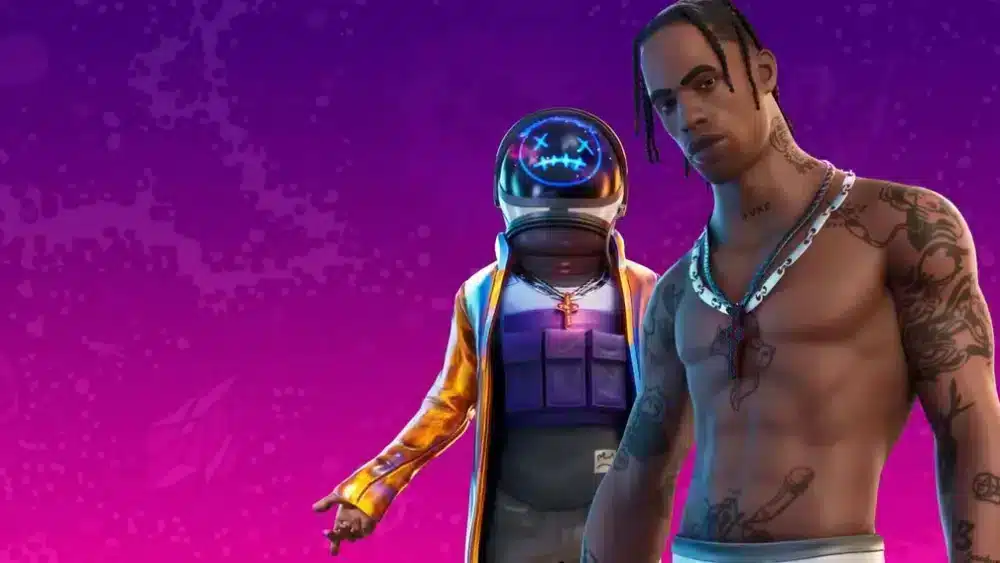
Travis Scott And Icon Series Scarcity
Celebrity collaborations often generate enormous player excitement, but complex intellectual property contracts govern their shelf life. The Astronomical concert event delivered the Travis Scott outfit alongside the cosmic Astro Jack persona to millions of viewers.
In addition, shifting promotional landscapes have prevented the beloved musician from returning to the digital storefront.
- Travis Scott features reactive illuminated tattoos that glow brightly during high-intensity firefights.
- Astro Jack provides a glowing spherical astronaut helmet displaying rotating planetary visualizers.
- Both outfits have spent years absent from daily shop schedules despite massive ongoing player requests.
- Secondary tournament broadcasts frequently showcase top competitive fraggers using the outfit as an aggressive statement.
Thus, licensing complexities guarantee that celebrity collaboration cosmetics maintain extreme prestige until contracts refresh.
| Skin Name | Release Category | Primary Acquisition Method | Rarity Tier |
| Aerial Assault Trooper | Seasonal Shop | Reach Level 15 + 1,200 V-Bucks | Mythic Historical |
| Renegade Raider | Seasonal Shop | Reach Level 20 + 1,200 V-Bucks | Ultra Rare Grail |
| Double Helix | Hardware Promo | Nintendo Switch Console Bundle | Extinct Tech Promo |
| Black Knight | Battle Pass | Complete Tier 70 Fort Knights | Vaulted Classic |
| Galaxy | Device Promo | Samsung Flagship Device Login | Discontinued Promo |
| Rue | Item Shop | 1,200 V-Bucks (Vaulted Design) | Indefinitely Vaulted |
Exploring The Top 10 Rarest Fortnite Skins
Compiling a definitive roster requires balancing verified account numbers, community visibility, and the complete impossibility of future acquisition. Players passionate about collecting high-tier Grails constantly debate which outfits belong in the upper echelon of rarity.
Moreover, examining the Top 10 Rarest Fortnite Skins showcases how different eras created legendary cosmetic milestones.
- Aerial Assault Trooper: The undisputed champion of early level gates and low purchase volume.
- Renegade Raider: The iconic face of early competitive dedication and rare cosmetic culture.
- Double Helix: The rarest console bundle cosmetic, bound to scarce physical console hardware.
- Black Knight: The ultimate badge of early Battle Pass completion and defensive mastery.
- Galaxy: The original animated cosmic skin requiring high-end mobile tech validation.
- Honor Guard: The costly mobile collaboration excluded from major Western distribution channels.
- Special Forces: An ancient military standard that spent years completely absent from rotation cycles.
- World Warrior: The time-limited esports tournament exclusive available for a single weekend.
- Eon: The futuristic Xbox One S hardware bundle fighter packed with clean metallic armor.
- Royale Bomber: The classic blue military flyer tied exclusively to early PlayStation hardware packs.
Consequently, owning even a single character from this legendary roster places your locker inside the top tier of accounts.
The OG Skull Trooper And Ghoul Trooper Variants
Early seasonal Halloween events introduced two spooky characters that returned in later years with a unique visual twist. To respect early buyers, developers granted exclusive Purple Glow and Pink variants strictly to original account owners.
In addition, standard shop re-releases allow new players to buy the base outfit without touching the original legacy styles.
- Inspect the glowing purple eyes and spine accents that distinguish authentic OG Skull Trooper profiles.
- Note the radiant pink hair and clothing accents reserved strictly for original Ghoul Trooper supporters.
- Understand that buying these characters during modern Fortnitemares events only grants standard baseline styles.
- Respect that original owners retain exclusive bragging rights through these permanently locked colorways.
Taking this hybrid approach allowed developers to satisfy modern shop shoppers while protecting original player dedication.
Why The Top 20 Rarest Fortnite Skins Spark Community Debates
Expanding the scope toward the Top 20 Rarest Fortnite Skins introduces obscure tournament rewards and starter pack rarities. Cosmetics like Indigo Kuno required placing in regional platform cups, restricting distribution to elite competitive performers.
Furthermore, early starter packs like Rogue Agent demonstrated that inexpensive cosmetics can become extremely rare over time.
- Indigo Kuno required top leaderboard placement in competitive PlayStation platform cups.
- Rogue Agent served as the inaugural $4.99 Starter Pack before quietly retiring permanently.
- Tart Tycoon rewarded players who scored ten points during the historic FreeFortnite cup event.
- Yellowjacket and Iris provided budget seasonal starter entries that never returned after departure.
Therefore, community rankings continually evolve as tournament exclusivity and vaulted shop calendars shift over time.
Pro Tips: Rarest Fortnite Skin
- Verify styles in lobby loading screens: Check for glowing purple accents on Skull Trooper or golden accents on early agents to confirm authentic legacy accounts.
- Never buy third-party accounts: Avoid online marketplaces advertising rare outfits, as account selling violates terms of service and triggers permanent hardware bans.
- Archive your original email receipts: Keep purchase confirmations for your early console bundles safe, as developer support requires them during account recovery tickets.
- Equip clean pickaxes with rare skins: Pair vintage outfits like Renegade Raider with minimalist tools like the Crowbar or Driver to maintain optimal crosshair visibility.
Common Mistakes Rarest Fortnite Skin Hunters Make
- Falling for fake code generator websites: Many eager players enter personal credentials on fraudulent portals promising free Double Helix or Galaxy vouchers. Fix: recognize that legitimate hardware codes expired years ago, and never share login details on third-party websites.
- Confusing shop remixes with original outfits: Novice players frequently buy remix variants like Blaze or Ginger Raider, believing they secured the original classic character. Fix: inspect item locker tags carefully to distinguish between modern seasonal remixes and vaulted original originals.
- Purchasing unverified physical hardware cards: Collectors often spend hundreds of dollars on auction sites for unverified cardboard code cards that were already redeemed. Fix: avoid buying loose digital scratch cards online, as expired promotional deadlines render unredeemed codes invalid.
How Do You Spot A Fake Rare Account Seller?
The intense desire to own vaulted Grails fuels a dangerous secondary market filled with malicious scammers and stolen profiles. Dishonest operators advertise stacked lockers featuring Black Knight and Galaxy for low prices to lure unsuspecting buyers.
Furthermore, acquiring accounts through secondary channels violates developer terms, resulting in swift permanent account bans.
- Scammers use temporary display names and stolen gameplay clips to fake ownership of rare cosmetics.
- Fraudulent sellers reclaim transferred profiles days after taking payment by using original recovery emails.
- Automated anti-cheat systems detect sudden geographical IP jumps, triggering immediate security lockouts.
- Developers enforce strict zero-tolerance policies against commercial account trading across all matchmaking modes.
Consequently, building your locker through legitimate in-game achievements remains the only secure path forward.
Can Modern Item Shop Changes Affect Skin Rarity?
Recent updates to the digital marketplace ecosystem have changed how cosmetics rotate and maintain their long-term scarcity. Developers removed traditional cosmetic rarity color tags, shifting focus toward dynamic shop tabs and intellectual property collections.
Moreover, certain seasonal event items now feature disclaimers noting that items may return to the shop at future dates.
- Track daily shop API refreshes through community bot trackers to catch surprise vault openings instantly.
- Check Battle Pass terms, noting that future pass items may appear in shops after eighteen-month exclusivity windows.
- Understand that legacy passes prior to recent policy updates remain permanently locked inside the vault.
- Celebrate your vintage Chapter 1 and Chapter 2 cosmetics, knowing their legacy status remains fully protected.
Thus, while future cosmetics may rotate more freely, original historical Grails retain their untouchable rarity forever.
Eliminate Input Lag And Server Desync With ExitLag
Flexing the Rarest Fortnite Skin in a crowded lobby makes your character stand out, but rare cosmetics cannot save you from bad latency. In high-intensity battle royale skirmishes where wall replacements and shotgun box fights happen in fractions of a second, network stability is everything. Experiencing sudden packet loss, erratic ping spikes, or server desync during a build battle guarantees missed edits and an early return to the lobby.
ExitLag provides the definitive performance solution designed specifically for competitive battle royale players who demand absolute routing precision. Operating as an intelligent connection optimizer rather than a simple VPN, it maps hundreds of global server routes in real time to locate the fastest, most reliable path available. Through proprietary Multipath Technology, your system transmits critical game packets across multiple optimized routes simultaneously. Consequently, if your primary internet line suffers sudden ISP congestion or packet drops, secondary pathways maintain your connection instantly, preventing rubber-banding and ghost hitmarkers.
Furthermore, ExitLag supports over 4,000 PC and mobile titles across an expansive global network of more than 1,500 dedicated servers worldwide. Its intelligent Traffic Shaper prioritizes active game packets ahead of background household downloads, while the PC Boost utility cleans system memory to ensure consistent, stutter-free frame rates during chaotic endgame moving zones. Elevate your battle royale responsiveness today by securing the ExitLag Download for your desktop gaming PC. If you compete on mobile devices on the go, optimize your wireless matches using ExitLag for Android or download ExitLag for iOS right away.
Indeed, having an ultra-stable connection gives you the decisive competitive edge needed to outplay opponents while rocking the Rarest Fortnite Skin in your locker.
All game images used in this blog post belong to Epic Games. They are used for informational and educational purposes only and do not imply endorsement or affiliation with the rights holders.
Got questions or want to connect with other players? Join the conversation at the ExitLag Forum!


