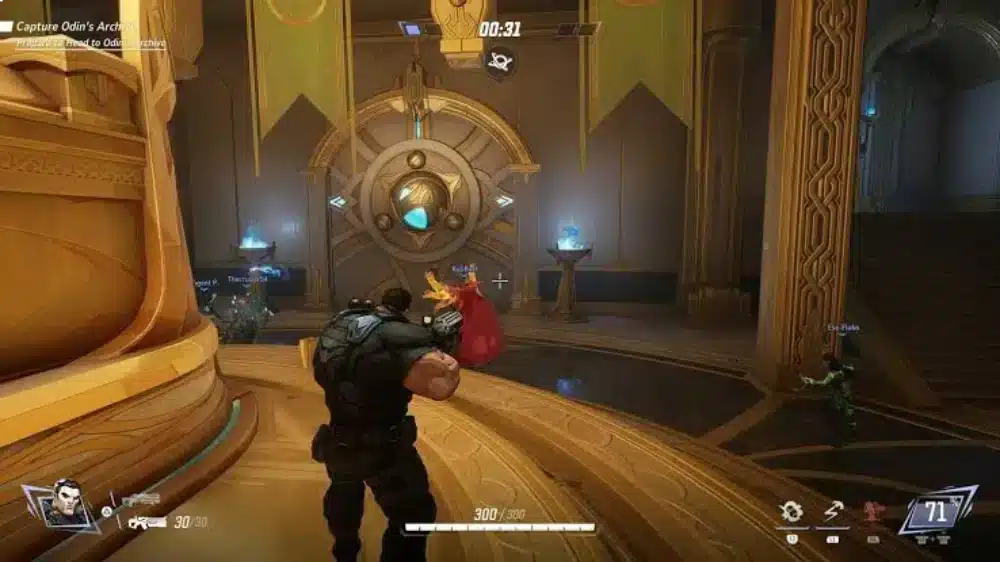
Recursive Destruction Marvel Rivals is a term players use to describe chain reaction damage caused by environmental destruction and ability interactions during matches. Understanding Recursive Destruction Marvel Rivals can help you control fights more effectively, especially in chaotic team engagements where multiple abilities overlap.
The idea behind Recursive Destruction Marvel Rivals is not always clearly explained in-game, so players often rely on experimentation to trigger consistent results.

What Is Recursive Destruction Marvel Rivals System
The concept of Recursive Destruction Marvel Rivals generally refers to chained environmental or ability-based destruction that triggers additional damage or map changes.
Core Idea Behind the Mechanic
In most cases, players describe it as a sequence of reactions such as:
- Destroyed objects causing secondary explosions
- Ability impacts triggering environmental collapse
- Chain damage spreading across nearby structures
- Physics-based interactions affecting combat zones
These interactions can significantly influence fight outcomes.
Why Players Talk About Recursive Destruction
The term is commonly used because:
- The game features heavy environmental interaction
- Multiple abilities can overlap in tight spaces
- Destruction can alter positioning instantly
- Chain reactions feel unpredictable in combat
This is why What Is Recursive Destruction Marvel Rivals is frequently searched by new players.
How To Trigger Recursive Destruction Marvel Rivals
Understanding How To Trigger Recursive Destruction Marvel Rivals requires awareness of both abilities and environment layout.
Step By Step Trigger Method
To increase chances of triggering chain reactions:
- Identify destructible map objects
- Engage enemies near environmental hazards
- Use AoE abilities to initiate damage
- Combine ultimates with environmental structures
- Follow up with knockback or explosive skills
These steps help create conditions for cascading destruction.
Common Trigger Conditions
Recursive effects are more likely when:
- Multiple players use AoE attacks simultaneously
- Battles occur in enclosed arenas
- Large structures are partially damaged
- Physics objects are stacked or unstable
These conditions often lead to unexpected chain reactions.
Mistakes When Trying To Trigger It
Avoid these common errors:
- Fighting in open areas with no structures
- Using single-target abilities only
- Ignoring map geometry
- Overextending without setup
Correct positioning is essential for consistency.
Trigger Recursive Destruction Marvel Rivals Explained
The phrase Trigger Recursive Destruction Marvel Rivals refers to intentionally starting environmental chain reactions during combat.
Ability Synergy Examples
Players often combine:
- Explosive ultimates + destructible walls
- Knockback skills + unstable terrain
- AoE damage + clustered enemies
- Area control abilities + map hazards
These combinations increase reaction potential.
Environmental Awareness Factors
Key elements include:
- Breakable walls and floors
- Interactive map objects
- Vertical drop zones
- Explosive containers
Understanding terrain is just as important as mastering heroes.
What Is Trigger Recursive Destruction Marvel Rivals In Practice
The idea behind What Is Trigger Recursive Destruction Marvel Rivals is practical gameplay control rather than a formal system.
Practical Combat Uses
Players use it to:
- Force enemies out of cover
- Deal bonus environmental damage
- Create chaos in team fights
- Control space during objectives
When It Becomes Most Effective
It works best during:
- Objective control fights
- Narrow corridor battles
- Multi-hero engagements
- Ultimate ability clashes
These scenarios maximize chain reaction value.
Marvel Rivals Recursive Destruction Mechanics Breakdown
While not always explicitly labeled, the system behaves like a physics-driven interaction layer.
Key Components
- Destructible environments
- Ability-based impact zones
- Knockback physics
- Explosive object reactions
Types of Chain Reactions
| Type | Trigger Source | Effect |
| Structural Collapse | Heavy damage | Area blocking or damage |
| Explosion Chain | Explosive objects | Multi-hit AoE damage |
| Knockback Chain | Force abilities | Position displacement |
| Combo Reaction | Multiple ultimates | High burst damage |
Why It Feels Inconsistent
Players often notice variability because:
- Timing between abilities matters
- Map objects have different durability
- Enemy positioning changes outcomes
- Server physics simulation affects results
Best Heroes For Recursive Destruction Marvel Rivals
Certain hero types naturally support Recursive Destruction Marvel Rivals gameplay.
High Impact Ability Heroes
These typically include:
- AoE damage specialists
- Explosive ultimate characters
- Knockback-focused heroes
- Area control defenders
Ideal Playstyles
Effective approaches include:
- Aggressive initiation
- Environmental trapping
- Team combo execution
- Objective zoning
Weak Matchups
It is harder to trigger effects against:
- Highly mobile teams
- Spread formations
- Open-map engagements
- Single-target specialists
Recursive Destruction Marvel Rivals Strategy
| Strategy | Setup Requirement | Risk Level | Reward |
| Environmental Burst | High | Medium | High damage |
| Knockback Chain | Medium | Low | Position control |
| AoE Stack Combo | High | High | Massive team damage |
| Object Trap Setup | Medium | Medium | Area denial |
Pro Tips For Recursive Destruction Marvel Rivals
Pro Tips
- Always fight near destructible terrain when possible
- Combine crowd control with AoE abilities for stronger chains
- Watch enemy positioning before committing ultimates
- Use vertical maps to maximize knockback value
- Learn which objects on each map are destructible
- Time abilities instead of spamming them randomly
Common Mistakes When Using Recursive Destruction Marvel Rivals
Common Mistakes
1. Ignoring Map Layout
Correction: Study destructible zones before fights begin.
2. Using Abilities Too Early
Correction: Wait for enemies to cluster before triggering chain effects.
3. Overfocusing on Damage Only
Correction: Position control is often more valuable than raw damage.
4. Fighting in Open Areas
Correction: Move engagements toward structured environments.
How ExitLag Can Help Marvel Rivals Gameplay
Stable connection quality can improve responsiveness during fast-paced combat, especially when multiple abilities and environmental interactions happen at the same time.
ExitLag optimizes routing between your device and game servers, helping reduce instability and improve consistency in online matches. It does not modify game files, does not interact with anti-cheat systems, and works separately from the game.
You can download it on PC athttps://www.exitlag.com/download. For mobile users, it is available on Android athttps://play.google.com/store/apps/details?id=com.exitlag.gamebooster and on iOS athttps://apps.apple.com/us/app/exitlag-lower-your-ping/id6499235163.
A more stable connection can make timing-based interactions like chain reactions feel smoother and more predictable during matches.
Recursive Destruction Marvel Rivals is best understood as a combination of environmental interaction and ability synergy that creates chain reaction moments during combat. Mastering Recursive Destruction Marvel Rivals requires map awareness, timing, and understanding how abilities interact with destructible elements.
Players who learn Recursive Destruction Marvel Rivals mechanics consistently gain an advantage in positioning, damage output, and team fight control.
Advanced Map Knowledge for Recursive Destruction Marvel Rivals
Mastering Recursive Destruction Marvel Rivals becomes much easier once you understand how each map supports environmental interactions and chain reactions. Some arenas are designed with tight corridors, layered structures, and explosive elements that naturally amplify these effects.
Players who consistently win fights usually do not rely on luck. They position themselves in areas where Recursive Destruction Marvel Rivals can happen naturally through ability overlap and terrain pressure.
High Value Map Zones
Look for areas with:
- Breakable walls near choke points
- Elevated platforms with drop zones
- Clustered destructible objects
- Narrow indoor combat routes
- Multi-level engagement spaces
These zones increase the chance of chained reactions during team fights.
How to Read a Map Before Fighting
Before engaging, quickly check:
- Escape routes for knockback plays
- Nearby destructible objects
- Enemy approach paths
- Vertical advantages
- Cover density
This helps you set up Trigger Recursive Destruction Marvel Rivals scenarios more reliably.
Hero Synergies That Amplify Recursive Destruction Marvel Rivals
Not all heroes contribute equally to environmental chain reactions. Some are naturally built to initiate setups, while others excel at finishing combos.
Best Initiator Heroes
Initiators help start Recursive Destruction Marvel Rivals chains by forcing enemy positioning.
Typical tools include:
- Wide AoE abilities
- Knockback effects
- Zone denial ultimates
- Area entry disruption
These heroes create the conditions needed for multi-layered destruction.
Best Follow-Up Heroes
Follow-up heroes capitalize on already triggered reactions:
- Burst damage specialists
- Mobility-focused attackers
- Finishing ultimates
- Cleanup damage dealers
Their job is to maximize the impact after the environment has already been disrupted.
Synergy Flow in Team Fights
A strong combo usually follows this pattern:
- Initiation ability forces enemy grouping
- Environmental interaction begins
- Secondary AoE triggers collapse or explosion
- Follow-up damage secures eliminations
This sequence is where Trigger Recursive Destruction Marvel Rivals becomes most effective.
How To Trigger Recursive Destruction Marvel Rivals Consistently
Consistency is more important than randomness when trying to trigger chain reactions. Players who understand timing and spacing can force results instead of hoping for them.
Reliable Setup Method
To consistently trigger effects:
- Wait for enemies to group around objectives
- Use crowd control before damage abilities
- Force fights near destructible terrain
- Stack abilities within a short time window
- Coordinate ultimates in co-op play
This improves reliability of How To Trigger Recursive Destruction Marvel Rivals strategies.
Timing Windows That Matter
Chain reactions depend heavily on timing:
- Early ability = setup disruption
- Mid ability = environmental activation
- Late ability = explosion or collapse confirmation
Even a small delay can completely change the outcome.
Defensive Uses of Recursive Destruction Marvel Rivals
This mechanic is not only offensive. Skilled players use Recursive Destruction Marvel Rivals defensively to escape pressure or reset fights.
Defensive Applications
You can use environmental reactions to:
- Break enemy sightlines
- Create temporary cover
- Force repositioning
- Block choke points
- Interrupt enemy pushes
Survival Through Chaos
In chaotic fights:
- Knockback can save you from elimination
- Collapsing structures can block pursuers
- Explosions can scatter enemy formations
- Environmental disruption buys time
Understanding this adds depth to What Is Recursive Destruction Marvel Rivals beyond pure damage.
Competitive Team Strategy Using Recursive Destruction Marvel Rivals
In higher-level play, teams coordinate specifically around environmental interactions instead of treating them as random events.
Team Coordination Rules
Competitive teams often follow:
- Call out destructible zones before fights
- Assign initiator and follow-up roles
- Save ultimates for terrain synergy
- Avoid spreading too far in open areas
- Force enemies into controlled spaces
Objective Control Strategy
During objective fights:
- Lock down choke points first
- Force enemies into clustered positions
- Trigger environmental collapse at peak engagement
- Use follow-up damage immediately after disruption
This creates high-value fight swings using Recursive Destruction Marvel Rivals mechanics.
Solo Queue Strategy for Trigger Recursive Destruction Marvel Rivals
Even without coordination, solo players can still reliably create chain reaction opportunities.
Solo Player Approach
Focus on:
- Playing near destructible terrain
- Waiting for enemy mistakes
- Using AoE abilities defensively first
- Punishing grouped enemies
- Avoiding isolated fights in open zones
Smart Engagement Patterns
Effective solo patterns include:
- Baiting enemies into tight spaces
- Using knockback to reposition fights
- Engaging only when terrain advantage exists
- Resetting fights instead of forcing bad ones
Advanced Mistakes in Recursive Destruction Marvel Rivals
Even experienced players make mistakes that reduce the effectiveness of chain reactions.
Common High-Level Errors
1. Overcommitting Without Setup
Correction: Wait for environmental and positional alignment before engaging.
2. Ignoring Enemy Mobility
Correction: Mobile heroes can escape setups quickly, so time abilities carefully.
3. Misreading Terrain Value
Correction: Not every destructible object is useful in combat.
4. Wasting Ultimates Early
Correction: Save high-impact abilities for chain reaction moments.
To consistently improve your performance:
- Learn one map at a time in depth
- Practice ability timing in live fights
- Study enemy positioning patterns
- Prioritize control over raw damage
- Build awareness of destructible environments
- Focus on setup before execution
Mastering Recursive Destruction Marvel Rivals is less about luck and more about understanding space, timing, and coordination.
Got questions or want to connect with other players? Join the conversation at the ExitLag Forum!