For millions of players, Roblox In Russia was a daily part of their routine. Then, in early December, everything changed overnight, and the platform went dark across the country.
Just as suddenly, the story took another turn months later when access came back. Today, the situation looks very different from what most players remember.
This guide walks through the full timeline: why the block happened, who ordered it, how it ended, and what actually matters now if you are trying to play smoothly again.
Tip: Several ExitLag users playing Roblox from Russia have reported surprisingly stable connections and reduced ping when selecting optimized routes to outside Russian servers. This has allowed them to enjoy smooth, consistent gameplay even across long distances!
Roblox In Russia: The Complete Timeline Explained
Understanding Roblox In Russia today means looking at both halves of the story, not just the ban that made headlines. The block and the comeback are equally important.
Consequently, players searching for old workaround guides are often working from outdated information. The platform is reachable again, and the real conversation has shifted toward stability.
A Ban That Reshaped a Community
Overnight, millions of players lost access to worlds, friends, and creative projects they had built over years. Developers based in Russia were hit particularly hard, since they lost the ability to publish updates or earn revenue from their experiences.
For a platform built around constant creation and social play, that kind of sudden disconnect rippled far beyond a simple login screen.
A Comeback Most Players Didn't Expect
Few expected a resolution within months, since similarly restricted platforms in the region have historically stayed blocked far longer. Instead, negotiations moved relatively quickly, and access returned with a defined set of new safety commitments attached.
That outcome makes Roblox In Russia something of an exception rather than the rule, which is exactly why so many players are still catching up on what actually changed.
Why Was Roblox Blocked In Russia? The Full Reasons
Answering why was Roblox blocked in Russia requires looking past the headlines and into the specific regulatory concerns that triggered the decision in the first place.
Content Moderation and Child-Safety Concerns
On December 3, Roskomnadzor, the country's federal communications regulator, added Roblox to its list of restricted online services. Officials cited concerns tied to user-generated content and moderation gaps around younger audiences.
Additionally, the platform's social and chat features drew scrutiny, since they allowed open communication between players worldwide. This combination of factors formed the basis for the original restriction.
Who Blocked Roblox In Russia?
Roskomnadzor made the call, acting under its authority to restrict platforms it considers non-compliant with national digital policy. Once a service lands on that registry, internet providers across the country are required to enforce the block.
As a result, the restriction applied consistently nationwide, with no regional exceptions for players.
Is Roblox Still Available In Russia Today?
This is now the single most common question replacing the old "when will it return" search. The answer, refreshingly, is yes.
How the Ban Was Lifted
After roughly six months offline, Roblox reached an agreement with Russian authorities in June. The company committed to stronger age-verification systems and expanded content review processes as a condition for restoring access.
Notably, the reversal followed an unusual wave of public pressure, including a large volume of complaint letters from younger players who wanted the platform back. Regulators confirmed the block had ended shortly after.
What Changed Compared to Before
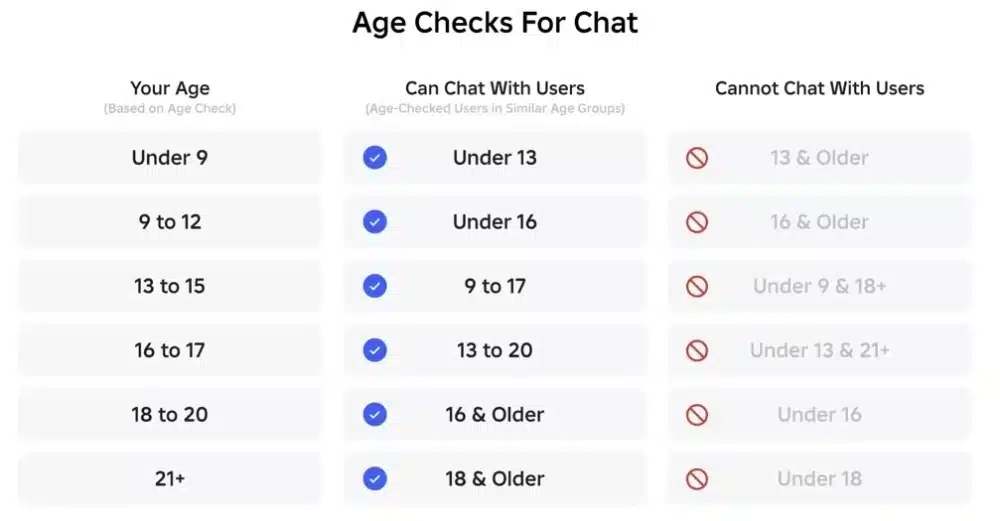
Access returned largely as players remembered it, though some communication features rolled out with tighter regional limits at first. Age-based account tiers also became part of the standard experience going forward.
Therefore, players logging back in encountered a platform that felt familiar but slightly different around chat and account setup.
Why VPN Roblox Advice From the Ban Era No Longer Applies
During the restriction, plenty of guides pushed VPN-based workarounds as the only path back into the game. That advice made sense while the block was active, but the landscape has moved on.
The Original Appeal of VPN Workarounds
A VPN can mask a user's location and reroute traffic through another country. In theory, this made blocked platforms reachable again during the restriction period.
However, this always came with real downsides, including:
- Higher ping from encrypted tunneling overhead
- Frequent disconnects on longer routes
- Increased jitter during gameplay
- Added legal exposure under tightening regional rules
Why That Approach Falls Short Now
Since access has been restored through official channels, there is no longer a technical need to reroute traffic just to reach the platform. Using a VPN today mostly just reintroduces the performance problems it always carried.
What Actually Matters Now: Stability After the Comeback
With access restored, the real challenge for players is not reaching Roblox, but reaching it smoothly. Millions of returning users hitting the same regional infrastructure at once creates real friction.
Server Congestion During High-Demand Periods
When a large user base reconnects after months away, servers and regional routing paths absorb a heavy spike in traffic. This can translate into slower loading, inconsistent matchmaking, and laggy sessions, especially during peak hours.
Fortunately, this kind of congestion tends to ease as traffic patterns normalize, but it can still disrupt sessions in the meantime.
Login and Authentication Problems
Many of the complaints players report today happen before a match even starts. A launcher stuck on "Signing in," or a session that fails to load, usually points to how the connection reaches the account servers, not a slow internet plan.
This distinction matters, because it is a routing issue at its core, and it responds to routing-focused solutions rather than bandwidth upgrades.
How ExitLag Supports Roblox Players Through Instability
ExitLag is not a VPN, and it does not behave like one. It never encrypts your traffic or masks your IP address; instead, it focuses purely on how your data reaches the game's servers.
ExitLag supports 4,000+ titles across PC and Mobile, backed by 1,500+ servers in 190+ countries. More than 30 million users rely on it, and it processes over 18 million optimizations every week.
Real-Time Optimization and Multipath Routing
Through Real-Time Optimization, ExitLag continuously scans available network paths and selects the most efficient one for your session. Multipath Technology then sends packets across multiple routes simultaneously, keeping your connection alive if one path becomes unstable.
This matters most during exactly the kind of high-traffic comeback period Roblox is currently experiencing, when regional routes can shift without warning.
Smoother Logins Without Acting Like a VPN
Since many connection issues now surface during the authentication step, ExitLag applies its routing optimization to that initial handshake for supported games. The goal is fewer stuck loading screens and failed logins, achieved purely through better routing.
This does not touch encryption, identity, or IP address at any point. It simply gives an already-permitted connection a steadier path to travel.
ExitLag is available for Windows, Android, and iOS.
Pro Tips: Getting a Stable Connection Back
- Run a fresh ping test: Old benchmarks from before the ban are no longer useful, since routing conditions have changed since the platform's return.
- Favor wired connections during peak hours: A cable connection removes Wi-Fi interference, which matters most when regional traffic is heaviest.
- Skip stacking a VPN with optimization tools: Running both together creates conflicting routes and typically cancels out any real benefit.
- Play outside peak windows when possible: Congestion from the platform's comeback tends to ease during quieter hours of the day.
- Watch for repeated login failures specifically: If the problem happens before a match loads, treat it as a routing issue rather than a bandwidth issue.
Common Mistakes Players Make After a Platform Returns
- Still relying on a VPN out of habit: Many players never dropped the workaround they used during the ban. Fix: test your connection without it first, since it is often the source of new instability.
- Assuming login errors mean a broken account: Authentication failures are frequently routing-related rather than account problems. Fix: check the path your connection takes before contacting support.
- Ignoring peak-hour timing: Jumping into sessions right when everyone else returns means competing with a massive traffic spike. Fix: shift sessions to quieter hours during the first weeks after any major platform comeback.
Key Facts About Roblox In Russia
The Ban and Comeback at a Glance
| Category | Information |
|---|---|
| Block start | December 3 |
| Authority responsible | Roskomnadzor |
| Reason for the ban | Content moderation and child-safety concerns |
| Block duration | About six months |
| Current status | Access restored, with expanded safety measures |
What This Table Doesn't Show
Numbers alone don't capture the confusion players felt during the outage, or the relief once accounts started logging in again. Still, this snapshot is a useful reference point for anyone catching up on the story.
Global Impact: What Roblox In Russia Means for the Industry
The story didn't stay contained to one country. It offered a preview of how quickly a major platform can lose, and then regain, an entire national audience.
Losing and Regaining a Major Player Base
During the block, Roblox lost millions of active players overnight, disrupting communities, matchmaking pools, and developer analytics across the platform. Regaining that base required real policy changes, not just a simple appeal.
A Warning Sign for Other Platforms
Games and apps that rely heavily on user-generated content now face similar scrutiny in regions with strict digital policies. The Roblox In Russia case shows that resolution is possible, but it usually comes with binding safety commitments attached.
Roblox In Russia: What to Focus On From Here
From "Will It Return" to "How Do I Play It Smoothly"
The story of Roblox In Russia has moved from "will it come back" to "how do I play it smoothly." That is a much better problem to have, and it is also a solvable one.
Where Real Improvement Comes From
Rather than chasing outdated workaround advice, players are better served focusing on routing quality, login reliability, and steady ping during this high-demand comeback period. That is where real, lasting improvement comes from.