

In Teamfight Tactics, selecting the right TFT comp is crucial for climbing ranks and achieving consistent wins. Properly structured team compositions allow players to maximize champion synergies, allocate items efficiently, and counter opponents effectively. Understanding how different units and traits interact forms the foundation for mastering the game.
The TFT comp meta shifts with every patch, introducing new champions, traits, and balance adjustments. A composition that dominates today might underperform tomorrow. Staying informed on patch notes and analyzing current meta trends is essential to maintaining an edge in competitive play.
What is TFT Comp?

A TFT comp (short for Teamfight Tactics composition) refers to the combination of champions, traits, and items a player builds on their board during a match of Teamfight Tactics.
A good TFT comp focuses on creating strong synergies between units, optimizing item placement on key carries, and balancing frontline durability with backline damage. Choosing the right TFT comp is essential for adapting to the current meta, maximizing your team’s power, and increasing your chances of finishing in the top ranks.
Best TFT Comps for Current Meta
To climb efficiently, players need to know the best TFT comps available in the current patch. These setups not only perform well but also allow flexibility depending on shop rolls and item drops. Below are three S-Tier compositions that consistently dominate the TFT meta.
1. Celestial Vanguard
- Key Champions: Kayle, Yasuo, Riven, Leona.
- Core Items: Guinsoo’s Rageblade (Kayle), Infinity Edge (Yasuo), Sunfire Cape (Leona)
- Early Game: Focus on frontline units like Leona to survive skirmishes. Collect Celestial units for healing synergy.
- Mid Game: Add Yasuo and Riven for damage and crowd control. Positioning is key to mitigate AoE threats.
- Late Game: Complete with Kayle as your primary carry, fully equipped for maximum DPS. Final board features a strong frontline with Yasuo striking backline units.
2. Star Guardian Blasters
- Key Champions: Jinx, Lux, Ezreal, Poppy.
- Core Items: Rapid Firecannon (Jinx), Hextech Gunblade (Lux), Guardian Angel (Ezreal)
- Early Game: Prioritize Star Guardian units to build mana and early synergy. Ezreal acts as a flexible backline.
- Mid Game: Upgrade Jinx to increase AoE damage. Complete the Blaster synergy for attack speed.
- Late Game: Place Jinx in the corner with Lux and Ezreal for maximum backline damage. Adjust positioning based on threats.
3. Divine Skirmishers
- Key Champions: Irelia, Lee Sin, Fiora, Jax.
- Core Items: Guinsoo’s Rageblade (Irelia), Bloodthirster (Fiora), Sunfire Cape (Frontline)
- Early Game: Build Skirmisher units and secure Divine traits. Fiora and Lee Sin serve as frontline and early damage.
- Mid Game: Add Irelia and Jax for full Divine synergy, boosting durability and damage.
- Late Game: Final board positions Irelia and Fiora as carries with Lee Sin and Jax supporting, ensuring crowd control and sustained DPS.
These comps are highlighted in TFT academy guides and maintain strong performance when adapted to the current meta.
How to Build a Strong TFT Composition
Success with a TFT comp requires more than memorizing setups. Flexibility, adapting to shop RNG, opponent strategies, and item drops are critical. Prioritizing synergies and items ensures your composition remains competitive throughout the game.
Understanding Synergies and Item Priorities
Analyze available synergies early and select units that complement multiple traits. Assign items to optimize your carry’s output. For example, attack speed items benefit Blaster carries, while defensive items protect frontline Skirmishers. Tracking TFT stats and meta trends aids informed decision-making.
When and How to Pivot
If your initial comp is unfeasible, pivoting is essential. Scout opponents for open synergies or under-contested carries. Early pivots can access higher-tier units and stronger items, keeping your TFT comp competitive.
Quick Tips for Flexible Builds:
- Use units that fit multiple synergies
- Prioritize core items for your main carry
- Scout often to avoid contested units
- Adjust positioning based on enemy threats
- Keep alternative plans ready based on shop rolls
Leveraging Patch Notes and Meta Knowledge
Patch notes reveal buffs, nerfs, and item changes that influence the meta. Combining this with TFT academy resources helps convert theory into practical strategies. Flexible builds allow players to respond to RNG and maintain strong board presence.
Understanding the TFT Meta
The TFT meta consists of the most effective champions, traits, and compositions of each patch. Adapting to these trends is crucial for building competitive TFT team comps. Every patch shift affects unit viability and composition strength.
How the Meta Shifts Each Patch
Buffs, nerfs, and trait adjustments can suddenly elevate underused champions or weaken top-tier units. Staying aware of these shifts ensures your TFT comp choices remain optimal.
Why Patch Notes Are Essential
Patch notes detail champion stats, trait tweaks, and item updates. Analyzing these alongside TFT stats helps identify changes in the tier list and guides composition adjustments.
Adapting to Meta Trends
Flexibility is key. Scout opponents, pivot to underutilized synergies, and adjust positioning to maintain an edge. Meta-aligned but adaptable compositions outperform rigid strategies.
Tips to Climb Faster with the Right Comp
Climbing in TFT demands more than choosing strong compositions. Consistency, smart scouting, and optimal shop decisions increase win rates.
Prioritize Consistent Comps
Select meta TFT comps with reliable cores and flexible synergies. Avoid flashy or high-RNG builds. Prioritizing units and items that scale well ensures stability across matches.
Scout and Adapt to Opponents
Monitor enemy boards to identify contested units or overrepresented traits. Pivot your TFT team comps in real time to remain competitive and aligned with the TFT tier list.
Optimize Your Gameplay with ExitLag
Small delays in TFT can cost shop rolls or mistimed item usage. ExitLag reduces lag, high ping, and packet loss, ensuring your TFT comp executes precisely. Benefits include:
- Lower ping for faster reactions
- Stable connections even during peak hours
- Multi-route optimization for reliable gameplay
- Compatible with PC and mobile TFT
- Faster responses to RNG and opponent strategies
Comparative Table of Popular TFT Comps
| Comp Name | Key Champions | Core Items | Strengths | Weaknesses |
| Celestial Vanguard | Kayle, Yasuo, Riven | Guinsoo’s Rageblade, Infinity Edge | Strong backline carry | Vulnerable to AoE frontline |
| Star Guardian Blasters | Jinx, Lux, Ezreal | Rapid Firecannon, Hextech Gunblade | AoE damage, flexible setup | Needs careful positioning |
| Divine Skirmishers | Irelia, Lee Sin, Fiora | Guinsoo’s Rageblade, Bloodthirster | Balanced DPS and control | Requires proper item allocation |
| Alter Ego TFT Comp | Zilean, Ekko, Karma | Blue Buff, Rabadon’s Deathcap | Strong scaling, versatile | Dependent on key carries |
| Soulfighter TFT Comp | Sett, Riven, Irelia | Infinity Edge, Bloodthirster | High damage frontline | Weak to heavy CC |
Additional Popular Strategies and Variations in the TFT Meta
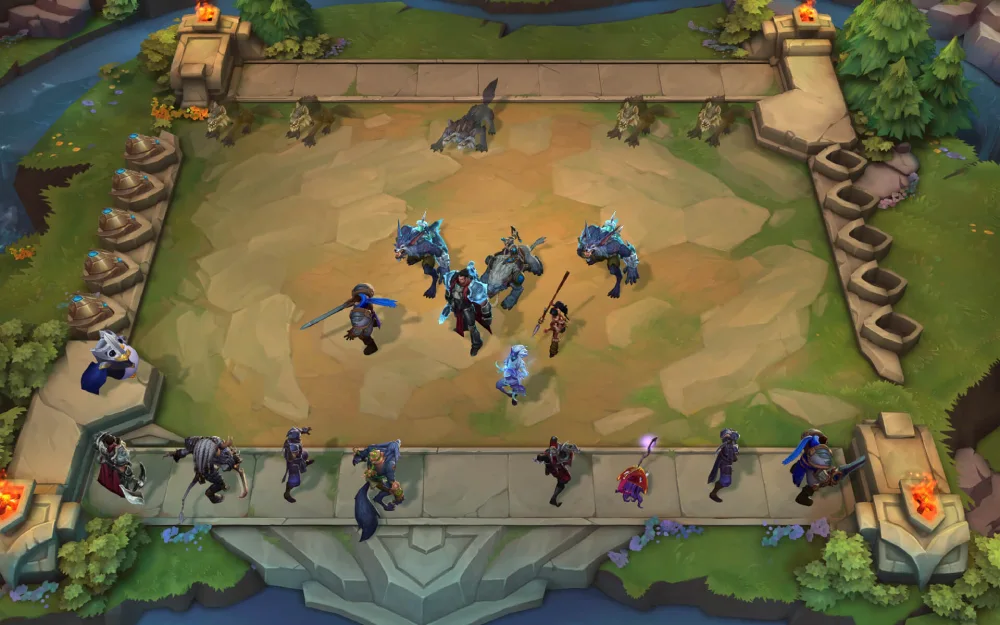
Beyond the standard compositions discussed earlier, many players explore specialized strategies that appear frequently in guides and competitive play. Understanding these variations helps expand your flexibility when building a TFT comp.
Exploring Best TFT Comps and Meta Variants
Many strategy platforms frequently publish lists of the best TFT comps and top TFT comps based on win rate, pick rate, and tournament performance. These resources often analyze TFT meta comps and highlight the strongest setups available for each patch. While these rankings change frequently, learning why these compositions work can significantly improve your gameplay.
Another important concept is understanding TFT meta team comps – the best comps used by high‑ranked players. These optimized builds often become the foundation of the broader competitive environment and heavily influence what appears in most TFT comp tier list rankings.
Set-Based Strategies and Seasonal Compositions
Each TFT set introduces unique mechanics and traits that create new composition possibilities. For example, many players still analyze TFT set 14 comps to understand how previous metas functioned and what strategic lessons they provide.
Similarly, new expansions constantly introduce emerging builds such as TFT set 15 comps, which typically redefine the competitive landscape. Learning how sets evolve helps players adapt faster whenever a new patch changes the direction of the game.
Alternative Game Modes and Specialized Builds
Some strategies are specifically designed for alternative modes like Hyper Roll. In these faster matches, players often rely on optimized TFT hyper roll comps that prioritize early power spikes and quick leveling strategies.
Other niche builds occasionally become popular depending on trait rotations. Examples include experimental strategies like the alter ego TFT comp, which focuses on unique trait interactions, or thematic builds like the soulfighter TFT comp, which rely on specific champion synergies and item combinations.
Competitive players also explore different theorycrafting environments such as academy-style guides and educational resources. These often present what some communities call a TFT academy comp, where compositions are broken down step‑by‑step to teach synergy logic, item optimization, and positioning fundamentals.
Legacy and Event-Based Compositions
Occasionally, special modes or returning events introduce nostalgic strategies known as TFT revival comps. These compositions bring back mechanics or traits from older sets, giving players the opportunity to revisit classic gameplay styles while adapting them to modern balance changes.
Studying these variations provides a broader understanding of how the TFT ecosystem evolves. Whether analyzing meta TFT comps, experimenting with unique builds, or referencing historical metas, mastering multiple composition styles allows players to refine every TFT comp they build.
Conclusion About TFT Comp
Now you know everything about TFT comp. In this context, ExitLag stabilizes your connection, lowers ping, and reduces packet loss, allowing precise execution of TFT comp strategies, faster reactions, and more consistent climbing.
FAQ
The best TFT comps depend on the current patch. S-Tier examples include Celestial Vanguard, Star Guardian Blasters, and Divine Skirmishers. Focus on key units, core items, and flexible synergies to maximize your win rate.
S-Tier comps include Celestial Vanguard for backline carries, Star Guardian Blasters for AoE damage, and Divine Skirmishers for balanced DPS and frontline control. Track TFT stats and tier lists to identify emerging top comps.
Understand synergies, prioritize core items, and remain flexible to pivot when necessary. Scout opponents, adjust positioning, and adapt based on RNG and meta trends to optimize your TFT comp.
The TFT meta reflects the most effective champions, traits, and items each patch. Following patch notes and analyzing meta data allows you to choose compositions that thrive in the current game environment.
Got questions or want to connect with other players? Join the conversation at the ExitLag Forum!