
TFT is one of the most popular auto-battlers in the world, and when it works, it’s the perfect “one more match” game. But when your client freezes on the loading screen, it’s instantly tilting—especially when you’re about to lock in your favorite comp.
When the loading screen freeze is actually a network symptom (not a client symptom), the fastest win is to check ping stability, packet delivery, and routing—because TFT needs a clean handshake to start the match. This fix TFT high ping and lag guide helps you diagnose that side quickly and apply the most common fixes in the right order.
If you’re dealing with TFT stuck on loading, the good news is that most causes are fixable with a clean troubleshooting order. The key is to avoid random guessing and instead test the most common failures first: servers, connection stability, corrupted files, and security blocks.
In this TFT guide, you’ll get a practical checklist to fix the issue fast, plus deeper fixes if the basic steps don’t work. Along the way, you’ll see how this impacts ranked sessions, your Teamfight Tactics routine, and even your prep for TFT comps and TFT tier list changes.
If you’re new (or returning after a long break), it helps to keep one official reference open for quick checks on modes, updates, and core system context. The official Teamfight Tactics site is the safest “source of truth” hub when you’re troubleshooting and want to avoid outdated advice.
Why is my TFT stuck on the loading screen?
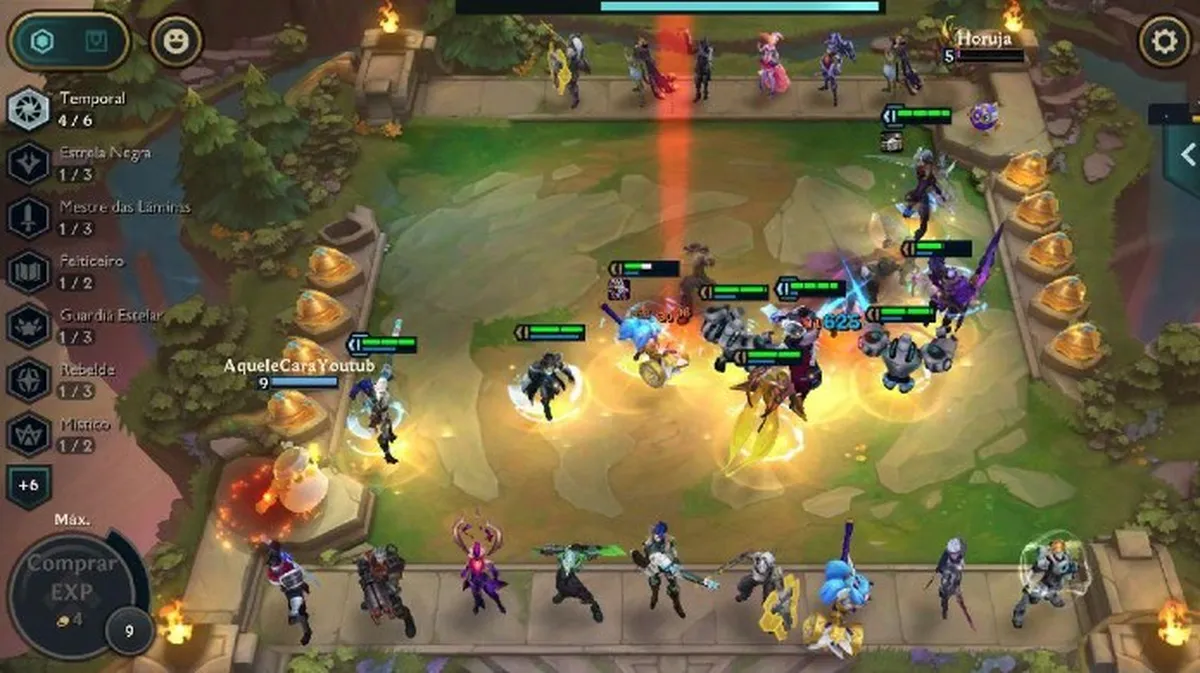
When TFT hangs on loading, it’s usually failing at one of three stages: server handshake, asset validation, or local environment (drivers, firewall, background apps). Before you reinstall anything, use this section to narrow it down quickly.
If your screen freezes at “loading,” your goal is to answer one question: is the problem happening outside your PC (server or routing), or inside your PC (files, permissions, resources)? Once you know that, your fix becomes much faster.
To keep this organized, here are the most common causes—and what they look like.
Server problems and maintenance windows
Sometimes the issue isn’t your setup at all. When Riot services are degraded, TFT can get stuck loading because your client can’t complete the connection handshake.
Look for these signals:
- Friends can’t load into matches either
- You can log in, but queues stall or fail
- Social features lag, or the client feels “delayed”
- You see error codes alongside the loading loop
What to do (fast):
- Check Riot’s service status page for your region
- Check official Riot/TFT social channels for maintenance posts
- Try switching regions only if you understand the consequences (it can affect your account experience)
This step matters because if servers are the problem, local “fixes” waste your time.
Patch windows and post-update traffic spikes are a common trigger for “stuck loading” reports, because client updates, server load, and matchmaking services all get stressed at the same time. Keep this League of Legends lag update tracker bookmarked as a quick reference when TFT issues show up right after patches or during high-traffic periods.
Connection instability, packet loss, and routing issues
A weak connection doesn’t always look like “no internet.” You might stream video fine and still fail to load TFT, because games depend on stable real-time packets.
Common network symptoms:
- Loading hangs inconsistently (works sometimes, fails sometimes)
- Match loads until 80–95%, then freezes
- You enter late after everyone else already started
- You get “attempting to reconnect” loops
One detail that confuses players is jitter: your “average ping” can look fine, but tiny timing instability still breaks load-in consistency. To understand how jitter behaves in real matches (and why it’s different from simple high ping), this jitter symptoms explained clearly breakdown is a useful mental model you can apply to TFT as well.
Quick network checks:
- Switch from Wi-Fi to Ethernet (if possible)
- Restart modem/router
- Disable VPNs temporarily
- Avoid downloads/streams during load-in
If your issue is routing instability (spikes between you and Riot servers), tools like ExitLag can help by optimizing the route and reducing jitter/packet loss. The goal here isn’t “magic boost,” it’s consistency—so TFT can complete load-in reliably.
How to fix TFT stuck on loading screen?
Now we go step-by-step in the correct order, from fastest fixes to deeper fixes. Don’t skip around. The point is to isolate the cause and fix it with the smallest change possible.
Below is a full workflow you can follow every time TFT gets stuck.
The “do this first” quick checklist
Before the deeper steps, run this quick sequence:
- Close the game and fully exit the Riot Client (end task if needed)
- Restart your PC
- Restart your router
- Try again once (no changes yet)
If the issue persists, move on.
Repair game files and reset the Riot Client cleanly
Corrupted or missing files are one of the most common causes of TFT loading issues. The built-in repair tool is designed for exactly this.
Do this:
- Open Riot Client
- Go to Settings
- Run the Repair option (or “Initiate Full Repair,” depending on client version)
Then, reset the client environment:
- Log out and log back in
- Clear temporary client cache if available in settings
- Launch TFT again
If this works, you’ve confirmed it was file validation or cached assets.
Fix firewall, antivirus, and permission blocks
Security tools can block game services silently. That can create a perfect “stuck loading screen” scenario: your PC is fine, but the client can’t talk to what it needs.
Do this carefully:
- Add exceptions for Riot Client and TFT/LoL executables
- Ensure firewall rules allow outbound connections
- Avoid “overprotective” modes that block unknown traffic
If you’re testing, you can temporarily disable antivirus for a quick check—then re-enable it immediately after you confirm.
Permission tip (Windows):
- Run Riot Client as Administrator once
- If that fixes it, the issue is permissions, not performance
Why does TFT get stuck loading even with good internet?
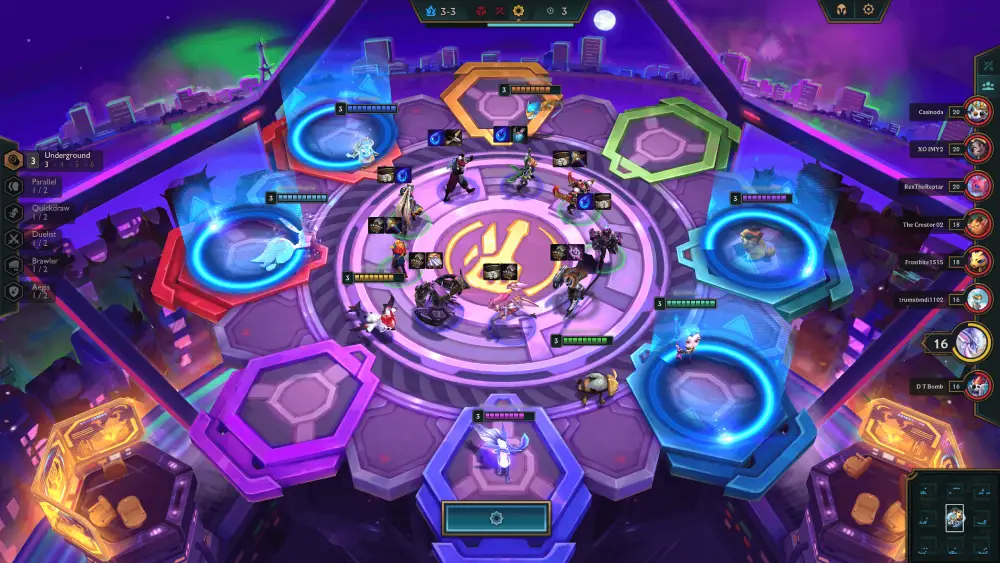
This is the “confusing” case. Your internet feels fine, but TFT still fails. When that happens, the cause is usually one of these:
- DNS resolution problems
- Background app conflicts
- Driver issues
- Overlay conflicts (Discord, recording tools, GPU overlays)
- Client-level desync
So the fix is not “get faster internet.” It’s “make your system stable and predictable.”
To understand what TFT is doing during load-in (and why it can fail even when your internet feels “fine”), it helps to know how the game is structured at a systems level. Riot’s official overview what Teamfight Tactics is gives useful context on the client/game flow—so you can troubleshoot with clarity instead of guessing.
DNS and network stack fixes (simple, high impact)
DNS problems can make certain services slow or unreachable, causing load hangs.
Try this order:
- Flush DNS cache
- Switch DNS to a stable provider
- Reset network adapter
Windows example steps:
- Open Command Prompt (Admin)
- Run a DNS flush/reset workflow
- Restart the PC afterward
(If you want, send me your OS—Windows 10/11—and I’ll give you the exact commands in one neat block.)
Close background apps and disable overlays
TFT can freeze during load when system resources or overlays interfere.
Temporarily close:
- Browser tabs that chew RAM
- Discord overlay
- GeForce Experience overlay
- Xbox Game Bar overlay
- Recording tools
- Third-party RGB/performance monitors
Also, try a clean boot-style test:
- Start PC
- Launch only Riot Client
- Load TFT immediately
If it works, reintroduce apps one by one to identify the culprit.
What should I do if TFT is stuck loading in ranked?
Ranked makes this worse because “stuck loading” often becomes a loss or a ruined lobby. If you play ranked, you want prevention, not just troubleshooting.
So this section gives you a stability plan you can apply before you queue.
The ranked stability routine (5 minutes)
Before you queue ranked TFT:
- Restart Riot Client
- Close overlays you don’t need
- Ensure your connection is stable (prefer Ethernet)
- Avoid background downloads
- Check server status quickly (especially during patch days)
It’s boring, but it prevents the worst outcomes.
A symptoms-to-fix table (scan-friendly)
| Symptom | Likely cause | Best first fix |
| Freeze at 90–100% | packet loss / routing spike | Ethernet + router restart + routing optimization |
| Infinite loading loop | client cache/files | Repair tool + relog |
| Loads only after 2–3 tries | unstable route / DNS | DNS switch + network reset |
| Works in normal, fails in ranked | server load / timing | check status + avoid peak spikes |
| Only fails after patches | outdated assets | full repair + restart |
This table helps you avoid repeating the same mistake.
Performance tuning that helps loading stability
Loading problems aren’t always GPU-related, but if your PC is struggling, load-in can stall.
Quick wins:
- Update GPU drivers
- Free disk space (SSD near full = slower asset handling)
- Disable unnecessary startup apps
- Lower overall graphics settings once you get in
Even in TFT, stability matters. Smooth performance reduces the chance of weird client stalls.
Connection consistency and ExitLag (when it makes sense)
If your loading issue is caused by routing instability, ExitLag can help by stabilizing the path to servers. The benefit is fewer spikes, fewer reconnect loops, and smoother load-in behavior.
Use it when:
- your connection is “fine” for streaming but unstable for games
- the issue happens only at certain times
- you see frequent jitter or packet loss symptoms
This is especially relevant if you’re trying to grind TFT comps consistently or track changes through a TFT tier list without losing matches to load failures.
FAQ — TFT stuck on loading screen
Most commonly: Riot server issues, unstable routing/packet loss, corrupted game files, firewall/antivirus blocks, DNS problems, or overlay conflicts.
Start with: check server status → fully restart Riot Client → restart PC/router → run the repair tool → test with overlays closed.
Yes. Security software can block Riot services silently. Add exceptions for Riot Client and the game executables, and test once.
It can. Outdated GPU drivers or system instability can cause stalls during asset initialization or client rendering.
That often points to outdated/corrupted assets. Run a full repair, restart the client, and avoid peak server traffic right after patches.
If your issue is routing instability, jitter, or packet loss, it can help stabilize the connection path and reduce load-in failures.
If you follow the order in this TFT guide, you’ll fix most loading-screen problems without needing a full reinstall. Start with servers and connection stability, repair files second, then handle firewall/DNS/overlays last. That’s the fastest way back into matches.
Want fewer reconnect loops and more consistent match load-ins? Try ExitLag to stabilize your route, then save this checklist so the next time TFT gets stuck loading, you can fix it in minutes—not hours. TFT
Got questions or want to connect with other players? Join the conversation at the ExitLag Forum!